Strategic Procurement Whitepaper & Global Sourcing Manual for High-Yield Photovoltaic Power Stations
Sourced Directly from Leading High-Tech Tier 1 Manufacturing Lines
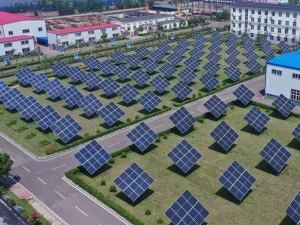
Unlocking maximum irradiance tracking efficiency. Smart dual-axis controls with customized slope algorithm engineering.
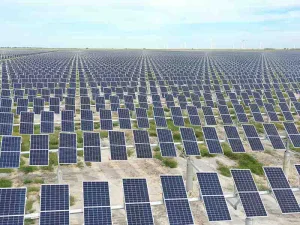
Engineered for dynamic low-to-mid latitude terrain requirements. Blending structural rigidness with up to 25% yield gain.
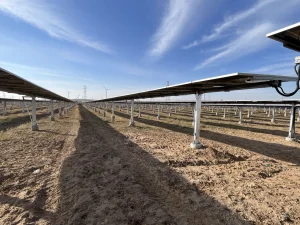
Highly robust 1-in-Portrait alignment config. Wind-tunnel proven stability, optimizing structural steel weight profiles.
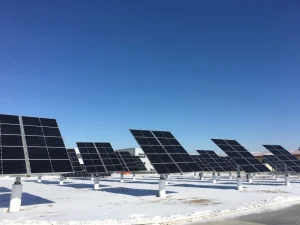
Sunchaser standard design, offering continuous direct sun-angle mapping even in severe high-wind and heavy-snow environments.
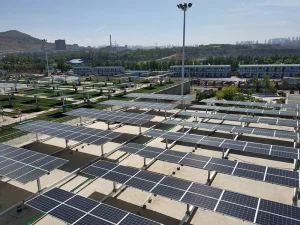
Optimal structure for bifacial solar modules, delivering highly integrated backtracking solutions for utility arrays.
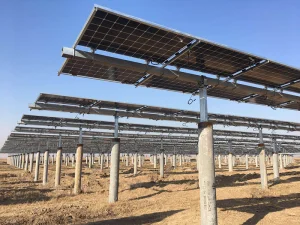
Engineered for ease of maintenance. Highly scalable structure offering standard C4 corrosion resistance parameters.
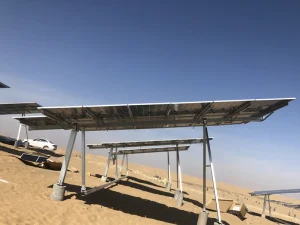
Elevated efficiency models utilizing static tilted adjustments combined with daily solar azimuthal orientation.
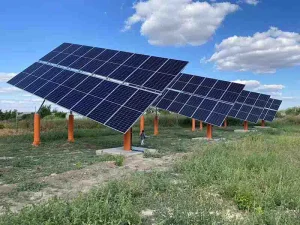
10° to 30° tilted tracking design. Ideal configuration for expanding commercial and mid-scale industrial yields.
Utility-scale solar power has shifted decisively from static, fixed-tilt structures to smart, dynamic trackers. In contemporary solar architecture, maximizing Levelized Cost of Energy (LCOE) relies heavily on matching solar irradiance angles. Global markets are witnessing a dramatic expansion of Single-Axis Tracking systems because they offer the most balanced price-to-performance ratio in the PV hardware market.
By constantly tracking the sun's azimuth angle from east to west, single-axis structures ensure that solar cells maintain optimal incidence angles. According to recent industrial data, flat single-axis systems provide a 15% to 30% yield boost over fixed-tilt counterparts, depending on geographical latitude and terrain characteristics. In an industry where fractions of a percent dictate project bankability, this margin is crucial for global energy developers and financial institutions.
Furthermore, the rapid rise of Bifacial Solar Modules has acted as a catalyst for single-axis growth. Modern trackers are designed with wide gaps between active panel strings to minimize structural shading on the backside, unlocking a secondary yield stream from soil and sand albedo. This development has transformed solar tracking from a luxury feature to a fundamental baseline for standard solar asset deployment.
EPCs and developers globally look beyond component price. Sourcing metrics focus on structural bankability, aerodynamic stability, torsional aeroelastic protection systems, and proven field lifecycle longevity.
Modernized, automated robotic welding, high-precision laser-guided steel plasma machines, and rigorous raw material QC screening guarantee consistent tolerances for large-scale utility shipments.
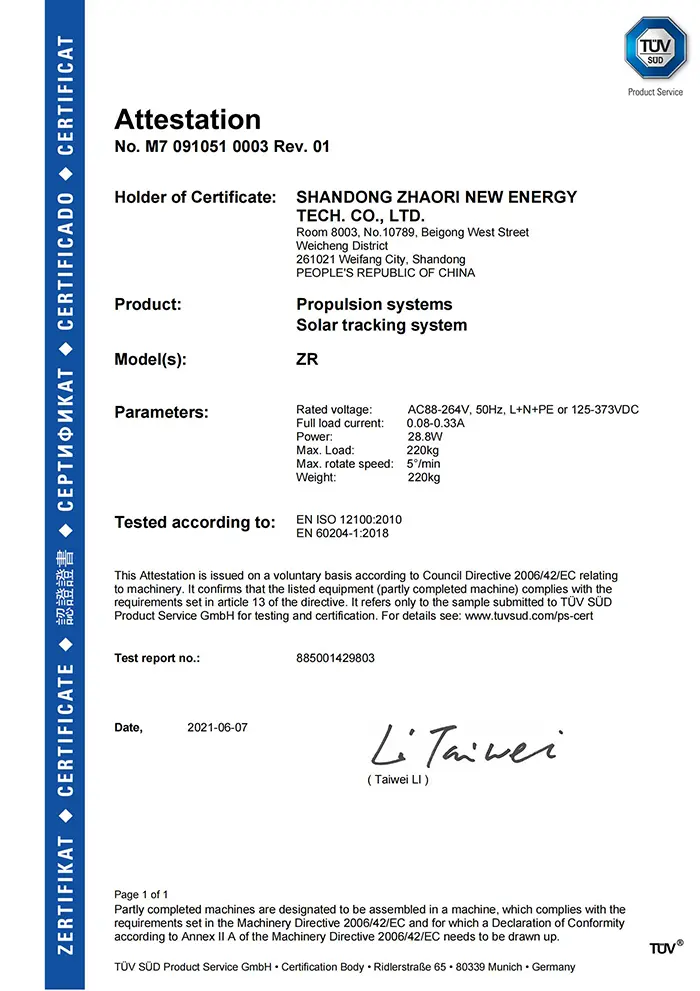
Engineered and manufactured under stringent ISO, TUV, and CE frameworks. Safeguarded with over 30 international design patents and certified hot-dip galvanization techniques.
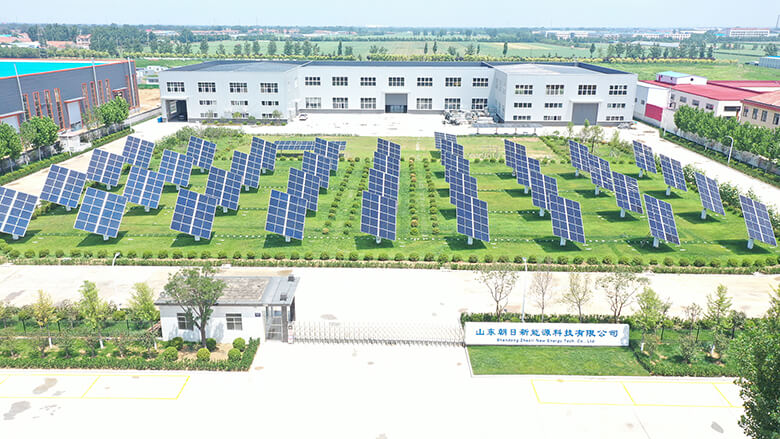
Established in June 2012, Shandong Zhaori New Energy Tech. Co., Ltd. is a premier high-tech enterprise dedicated to the R&D, structural engineering, manufacturing, and global distribution of advanced solar mounting systems and automated trackers. Operating on a foundation of independent intellectual property rights, our technical division features over 10 distinct departments, including R&D, Quality Control, Domestic/Foreign Trade, Production, and Post-sale Engineering.
With more than 60 seasoned technological and electrical engineers on staff, our core team possesses over a decade of domain expertise in utility-scale photovoltaic infrastructure. This specialized focus ensures that every system shipped is engineered to withstand localized wind loads, seismic movements, and high corrosion indexes.
Spanning an expansive, modernized industrial area of 50,000 square meters, our factory is equipped with standard-setting machinery to maintain optimal structural tolerances. Our facility relies on multi-axis CNC machining tools, automatic heavy welding robots, ultra-precise laser cutting stations, and high-performance plasma tools. This robust automated ecosystem houses dozens of processing lines, supporting a massive monthly production output of 500MW.
We source raw structural steel exclusively from certified mills. From material verification and cold forming to robotic welding, anti-rust surface treatments (complying with extreme zinc coating and hot-dip galvanization standards), packaging, and shipping, every stage is executed under a rigorous ISO-certified quality management framework. This structured production flow ensures that our structural elements resist mechanical failure and dynamic fluttering under heavy aerodynamic loads.
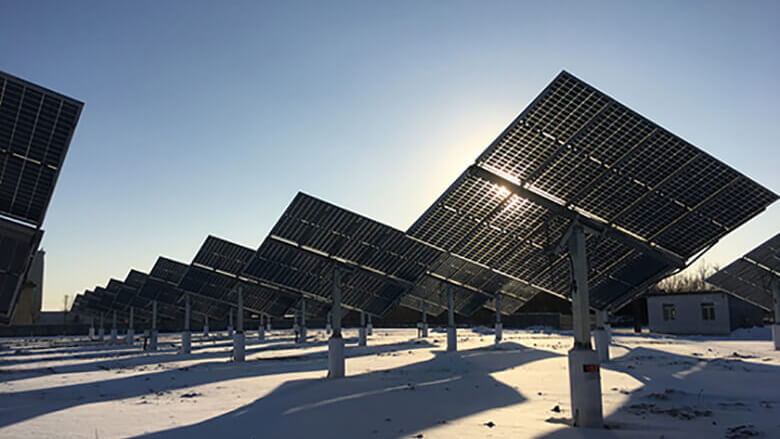
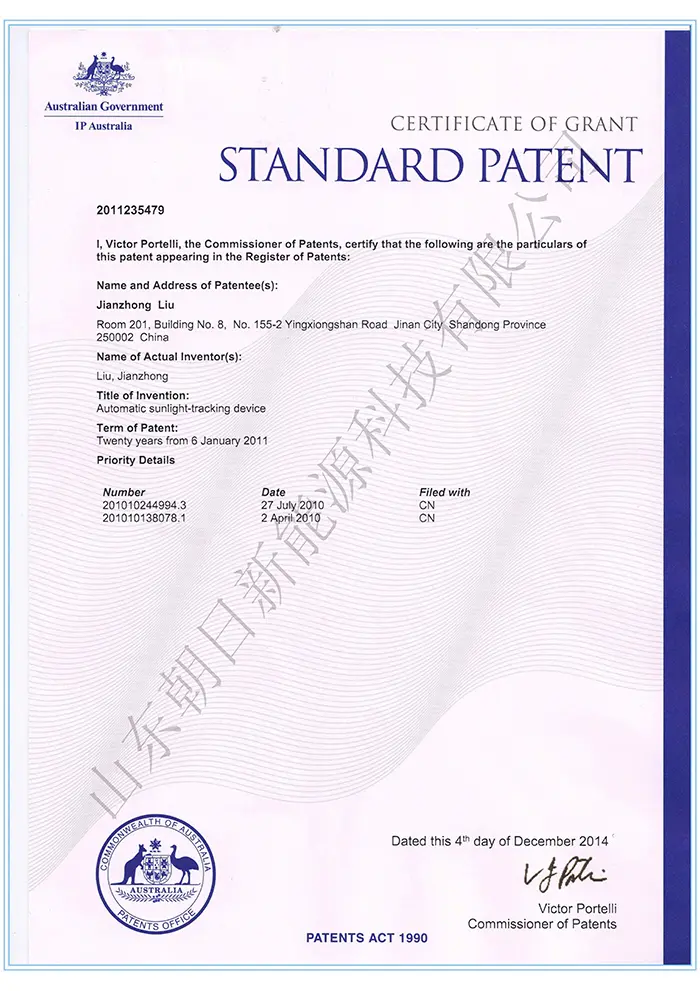
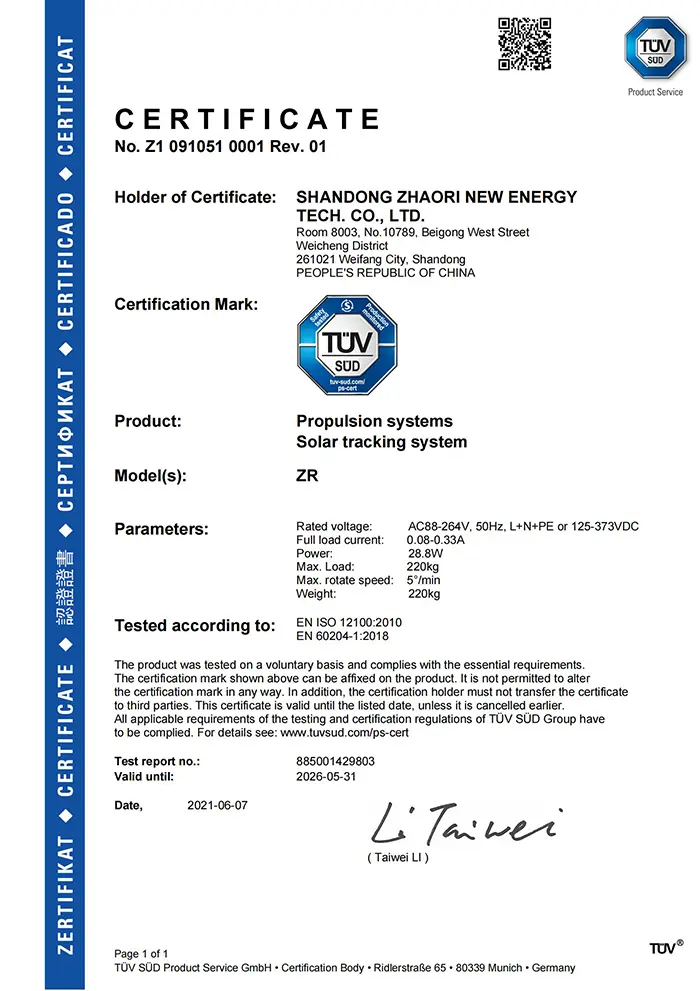
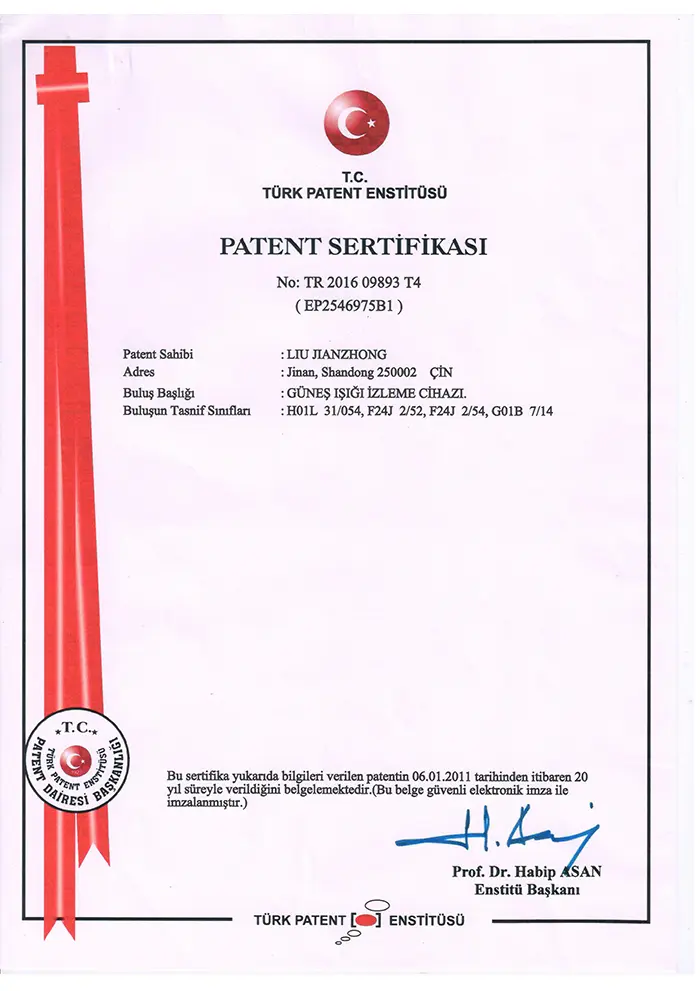
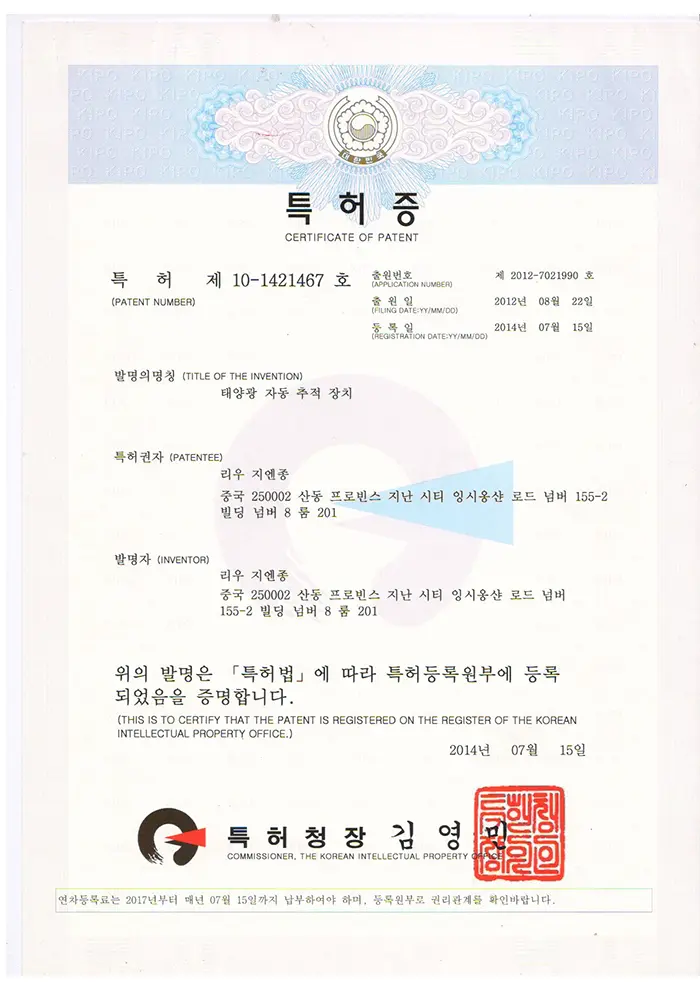

Our company's products—spanning stationary racking, adjustable brackets, flat single-axis systems, tilted single-axis tracking hardware, and dual-axis tracking gear—are backed by a deep portfolio of proprietary designs. We hold validated structural and mechanical patents from the European Patent Office (EPO), United States, Canada, Australia, Japan, South Korea, Thailand, India, Brazil, and South Africa.
At the national level, we have secured 8 Chinese National Invention Patents alongside over 30 Utility Model patents. Certified by leading global testing bureaus including TUV, CE, and ISO, our manufacturing process complies with strict engineering criteria. This deep compliance profile ensures that international buyers can easily navigate project permit requirements and financing phases.
A critical challenge for utility-scale developers using single-axis trackers is optimizing yield during low-angle solar cycles (early morning and late afternoon). Without intelligent algorithms, adjacent tracker rows cast shadows on each other, causing disproportionate power drops across series-connected strings. Our tracker control systems utilize advanced, astronomical-based Backtracking Algorithms.
During low-sun hours, these algorithms temporarily reverse tracker rotation. This slight tilt adjustment prevents row-to-row shading, maintaining uniform irradiance across the module surface. Combined with real-time astronomical coordinate mapping, this feature keeps tracking errors within ±0.5°, maximizing diffuse horizontal irradiance (DHI) capture.
Equally critical is structural survival during extreme wind events. Our trackers are engineered with integrated dynamic wind mitigation systems. Connected to robust anemometer networks, our digital tracking controllers automatically trigger a safety mode when local wind speeds cross pre-set safety thresholds. This action shifts the trackers into a flat, low-drag stow position (typically 0° to 10°), redirecting aerodynamic loads down into the concrete or ground pile foundations and preventing torsional galloping.
With gigawatts of global operational data, our structural solutions have been proven across diverse environments, from freezing alpine zones to arid desert fields.
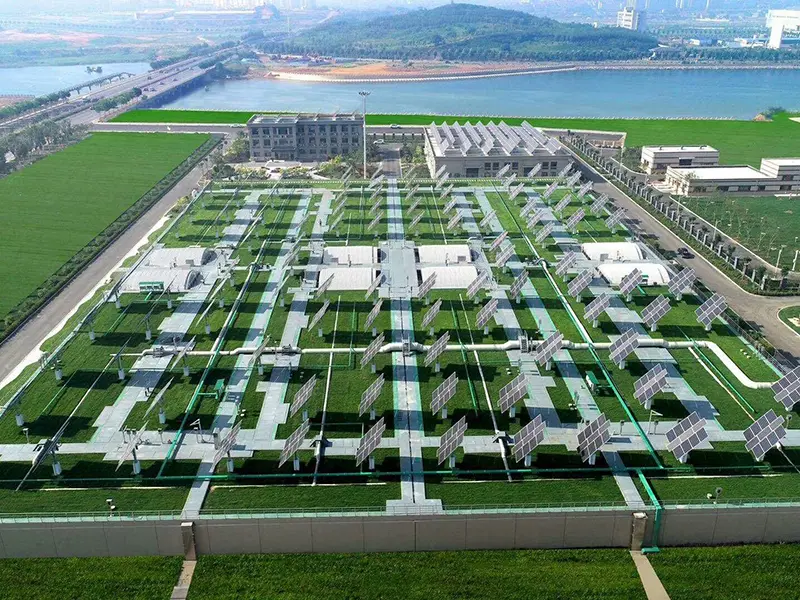
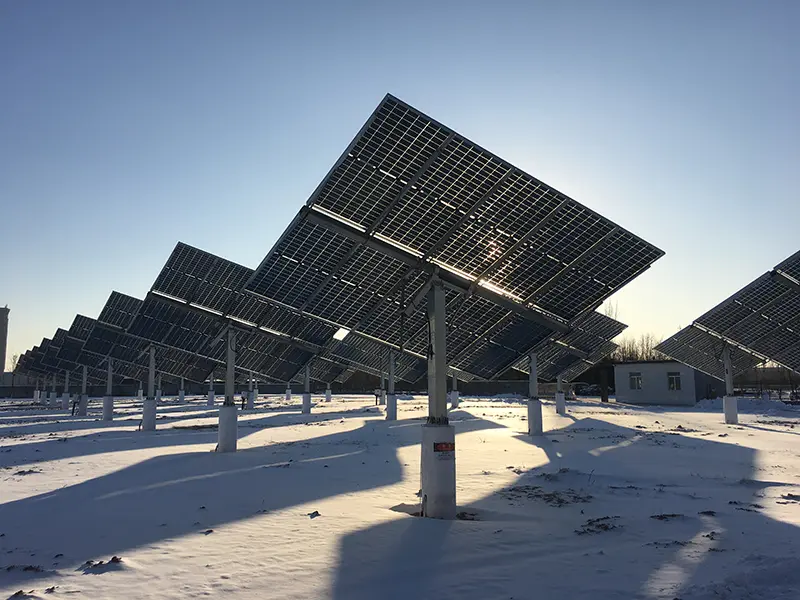
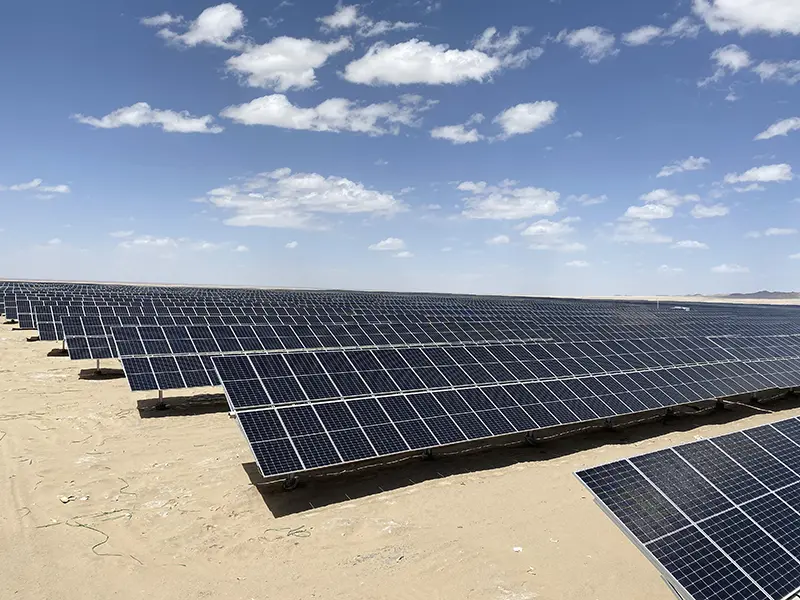
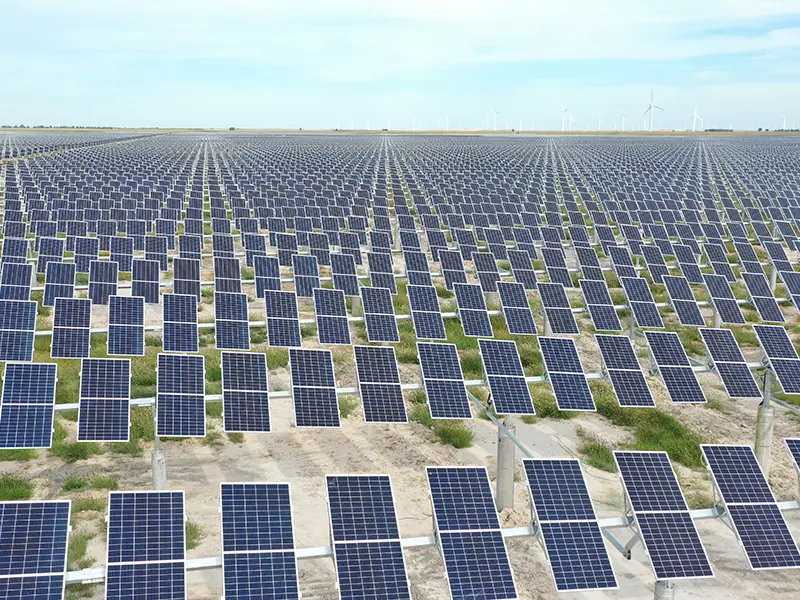
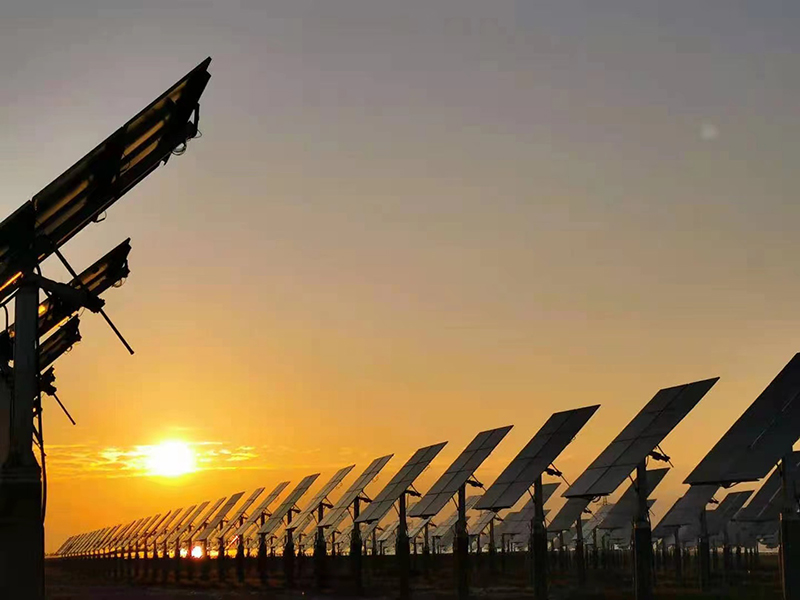
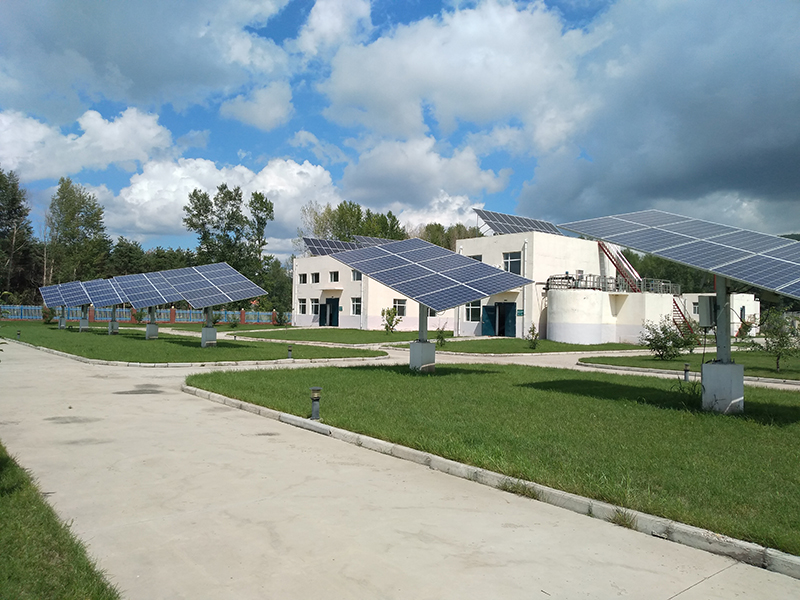
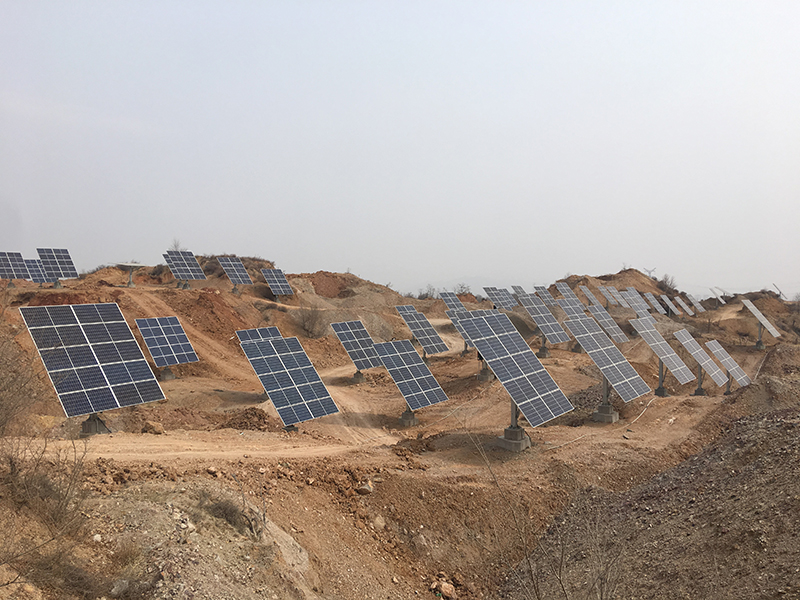
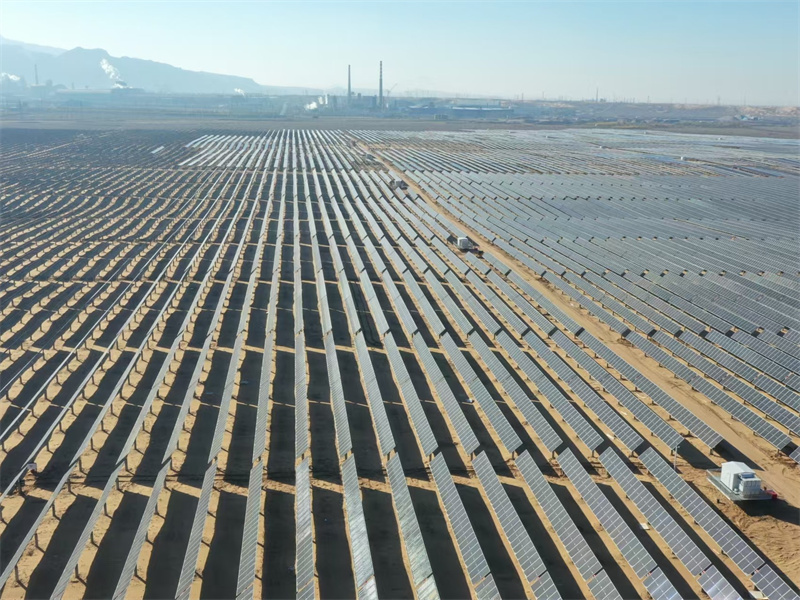
Standard static racking struggles to remain competitive when extreme environmental factors impact local sites. Our line of flat single-axis, tilted single-axis, and active dual-axis tracking systems are optimized for challenging terrains.
Desert solar projects face high sand friction and shifting soil loads. Our single-axis trackers feature double-enclosed structural drive gears and specialized dust-sealed bearings, preventing sand from eroding mechanical parts. Backed by sand-shielding designs, our hardware operates continuously in arid regions without requiring frequent physical maintenance cycles.
Heavy snow loads can damage structural components. Our trackers feature automated active snow-shedding algorithms. Integrated snow sensors measure accumulation and trigger a structural tilt of up to 45 degrees, allowing heavy snow to slide off. This action relieves structural stress and prevents frame degradation.
Mountainous projects require systems that can handle irregular topography and east-west slope variations. Our Tilted Single Axis Tracker (ZRT-16) and dual-axis platforms offer flexible slope adaptability, allowing developers to utilize uneven terrains without expensive, extensive ground-level grading.
Certified High-Quality PV Trackers for Commercial, Utility, and Specialty Sourcing Demands
Unlocking the absolute limit of power generation. Delivers highly reliable multi-directional solar tracking.
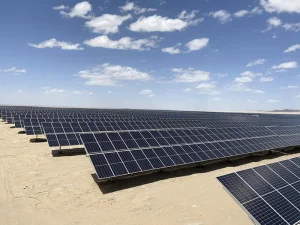
Cost-efficient mechanical structure offering seasonal tilt adjustability. Perfect for cost-sensitive solar assets.
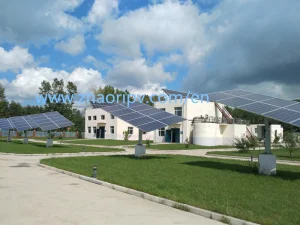
Bridging smart solar azimuth tracking with affordable, streamlined manual altitude positioning structures.
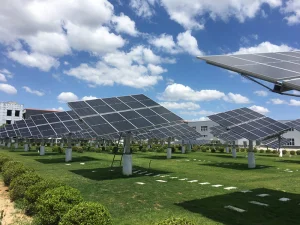
Direct factory pricing for high-efficiency dual-axis units, built to maximize yield in high-latitude regions.
High-precision dual-axis design utilizing robust planetary gearboxes and certified motor drives.
Designed for wind-resistant operational safety, featuring high torsional stiffness and automated wind stowing.
Engineered for large-format utility-scale panels, minimizing structural shadow impact on back-side active cells.
Offers up to 25% higher annual yields over static racks by combining fixed structural tilt with active tracking.
Expert Engineering and Commercial Answers for International Project Developers, Sourcing Directors, and EPC Buyers
Single-axis solar trackers significantly improve Levelized Cost of Energy (LCOE) by continuously rotating to align with the sun's azimuth throughout the day. This configuration increases daily direct light absorption, boosting energy yield by 15% to 30% over static, fixed-tilt structures.
These gains are even higher when using high-efficiency bifacial solar modules, as the active tracking motion minimizes ground shade, enhancing backside energy harvest.
Our trackers feature built-in, automated wind mitigation systems. Connected to on-site digital anemometers, our tracking controllers automatically trigger a safety stowing sequence when local winds exceed pre-set thresholds.
This sequence rotates the solar tables to a horizontal, low-drag angle (usually 0° to 10°), safely transferring dynamic wind loads to the heavy ground piles and preventing structural failure or torsional galloping.
All structural members, ground piles, and mounting frames undergo advanced anti-rust surface treatments in our automated facility. We utilize heavy hot-dip galvanization (complying with ASTM and ISO specifications) with optimized zinc coating densities.
This heavy industrial coating provides robust protection against moisture, soil salinity, and mild chemical exposure, ensuring an operational lifetime of over 25 years in demanding C4 and C5 industrial environments.
Yes. Our tracking control systems run on specialized backtracking algorithms. During low-angle solar cycles (early morning and late afternoon), standard trackers can cast shadows on adjacent rows, reducing output.
Our backtracking algorithm automatically adjusts the tracker tilt during these periods to prevent row-to-row shading, maintaining uniform irradiance across the array and maximizing daily generation.
Our factory and production lines are fully certified to international standards including TUV, CE, ISO9001, and ISO14001. Additionally, our product designs are backed by a deep intellectual property portfolio, including 8 Chinese National Invention Patents, over 30 Utility Model patents, and certified structural patents in the European Union, United States, Canada, Australia, Japan, South Korea, India, and Brazil.
With our 50,000-square-meter facility, advanced robotic welding, and automated CNC laser machining lines, our factory maintains a monthly production capacity of 500MW. We support utility-scale procurement by managing the complete supply chain, from raw steel selection to final container loading, ensuring consistent tolerances and reliable delivery schedules.
 Zhaori