Engineered to deliver exceptional utility-grade durability and optimal tracking algorithms for global commercial projects.
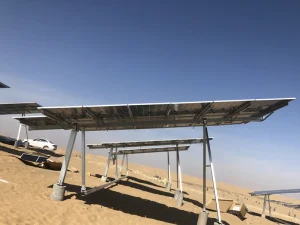
Advanced tilted tracking architecture designed for medium-to-high latitude regions, optimizing seasonal light angle absorption dynamically.
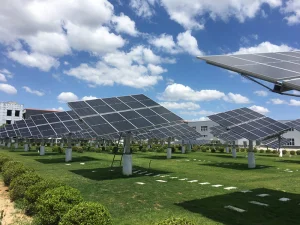
Dual-axis tracking maximizes irradiance absorption by continuously adjusting azimuth and elevation angles throughout the day.
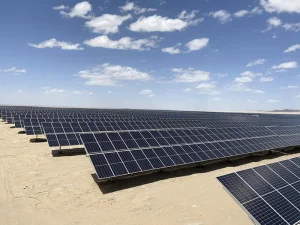
Robust structural designs featuring seasonal adjustable angles, providing a highly cost-effective path to optimized output.
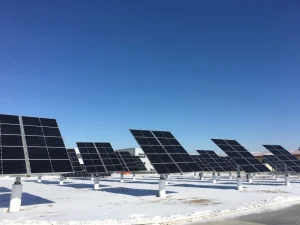
High-capacity tracker supporting extensive module configurations. Featuring astronomical algorithms and closed-loop position sensors.
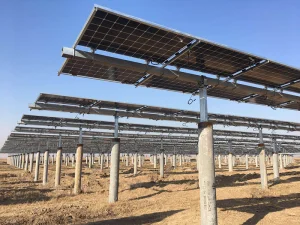
Optimized structural weight profile ideal for flat desert surfaces and localized wind patterns, minimizing structural fatigue.
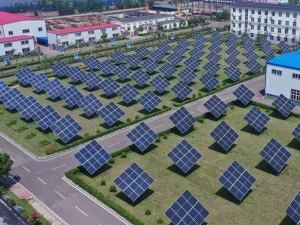
Reliable twin-drive mechanisms designed to withstand extreme wind conditions while tracking optimal incident angles.
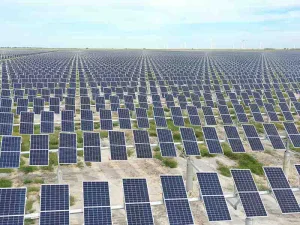
A specialized design integrating inclined PV module dynamics onto a single horizontal axis tracker, matching seasonal transitions.
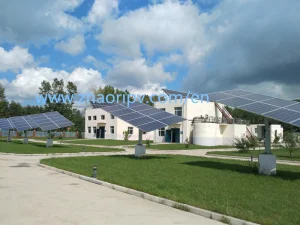
An balance between cost and performance, providing reliable tracking metrics for small-to-medium utility developments.
As the international community accelerates toward net-zero targets, optimizing the Levelized Cost of Energy (LCOE) has become paramount for developers. Traditional fixed-tilt systems are limited by Lambert's Cosine Law, losing valuable power generation hours in the early morning and late afternoon.
By implementing industrial dual-axis tracking systems, commercial projects can align panels directly perpendicular to solar irradiance. This technology increases power generation by 30% to 40% compared to static systems. Modern setups flatten the generation curve, feeding consistent energy into regional transmission networks throughout the day.
Shandong Zhaori New Energy Tech. Co., Ltd. is a high-tech and new energy company founded in June 2012. Our operations are built on independent intellectual property rights, and we have dedicated more than 10 years to solar tracking technology and photovoltaic power stations.
Our integrated organization operates across 10 distinct departments: R&D, Technical, Engineering, Production, Quality Assurance, Development, Foreign Trade, Domestic Trade, I.M.D., and supporting divisions. With over 60 dedicated engineering and technical specialists, our team delivers reliable utility and commercial mounting systems worldwide.
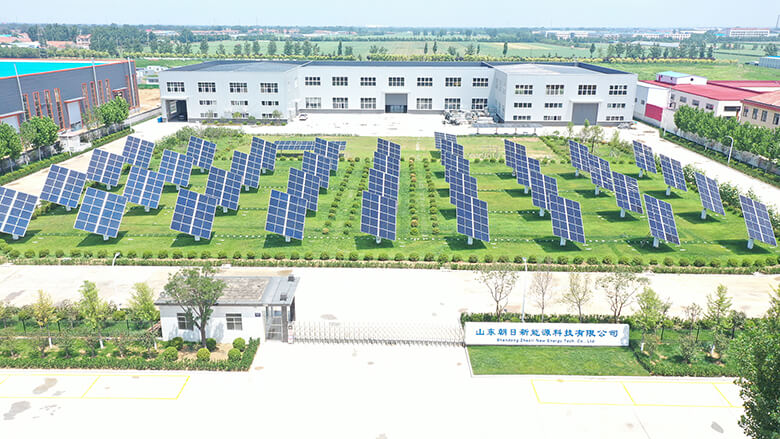
Our manufacturing plant spans 50,000 square meters and is equipped with advanced production systems, including CNC machinery, precision laser cutters, automatic welding robots, and plasma cutting lines.
We employ more than 300 production workers, supporting a monthly output capacity of 500MW. Every component is managed through a comprehensive quality control cycle: material sourcing, cutting, robotic welding, forming, hot-dip galvanization, post-processing inspection, and protective packaging, in strict compliance with certified quality management systems.
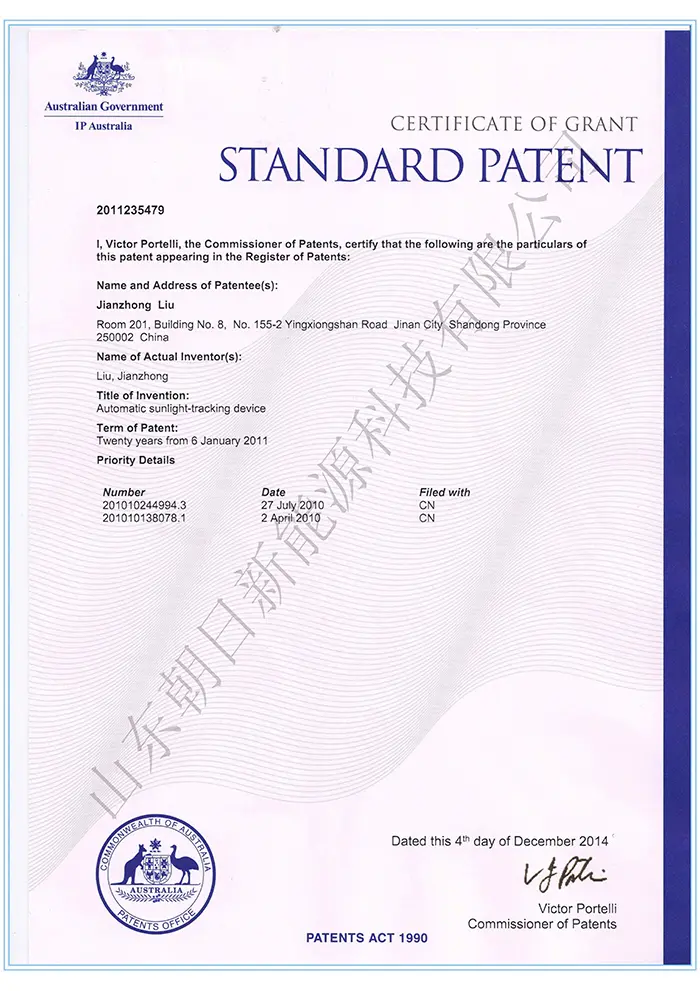
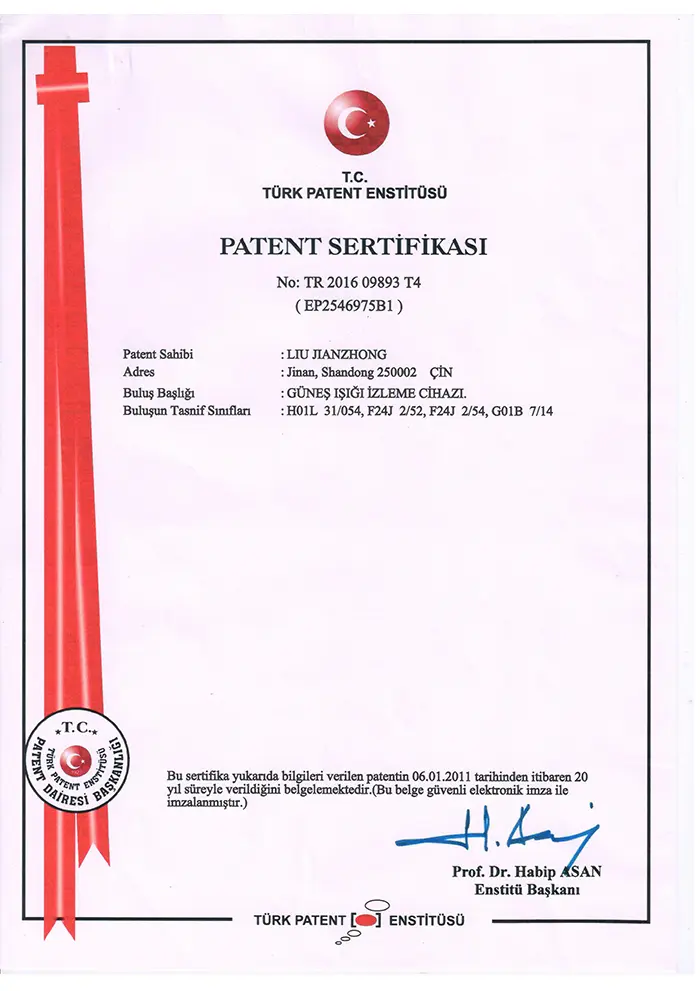
Our systems feature international invention patents from the European Patent Office, USA, Canada, Australia, Japan, South Korea, Thailand, India, Brazil, and South Africa, alongside 8 Chinese National Invention Patents and over 30 Utility model patents.
Engineered with minimal mechanical wear points. Reduces installation steps on-site and lowers long-term operational complexity.
Designed to withstand high wind speeds and heavy snow loads. Features automated stow modes linked directly to local wind sensors.
Advanced astronomical tracking combined with closed-loop optical feedback increases power yields by up to 30-40% over fixed brackets.
353MW Utility Flat Single Axis Tracker Deployment
Dual Axis Tracking Operations & Assembly Verification
Operational Showcase: Dual Axis Systems in Complex Terrains
Shandong Zhaori New Energy integrates robust structural engineering with intelligent control software to ensure high yield and long-term durability.
Our dual-axis tracking systems use advanced astronomical algorithms to calculate the sun's position with high accuracy. This tracking is adjusted in real time by a closed-loop optical sensor system that measures actual light conditions.
This hybrid approach minimizes errors caused by cloud cover or haze, keeping the system aligned for maximum absorption. In heavy cloud cover, the tracking software shifts to a diffuse light optimization mode to capture indirect ambient irradiance.
Our structural components are treated with high-durability hot-dip galvanization (minimum coating thickness compliant with ASTM A123) to withstand environments like salty coastal regions and arid deserts.
Our design team calculates wind resistance for wind speeds up to 45m/s (or customized up to 60m/s for typhoon-prone areas). An integrated anemometer tracks real-time wind speeds, triggering the automatic wind-stow protection mode when safety thresholds are reached.
Our tracking systems are deployed across diverse terrains and climates worldwide, showing stable performance in varying environmental conditions.
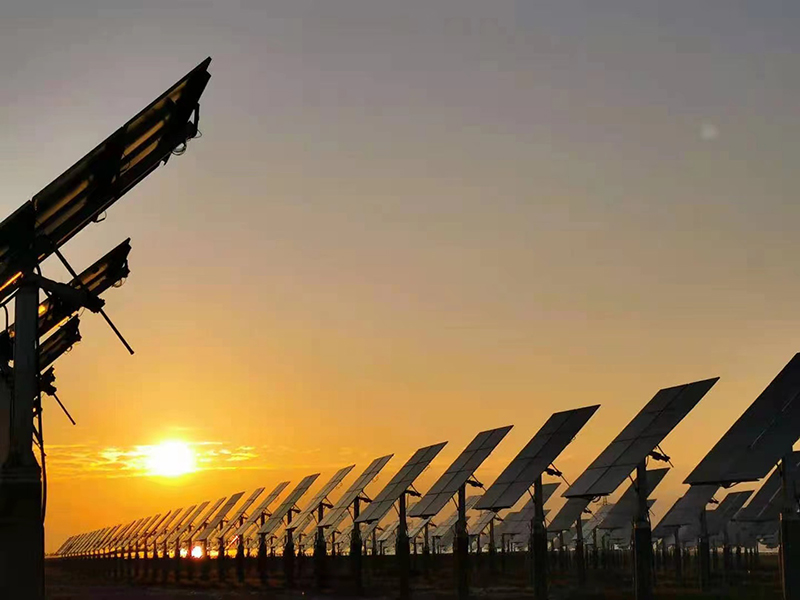
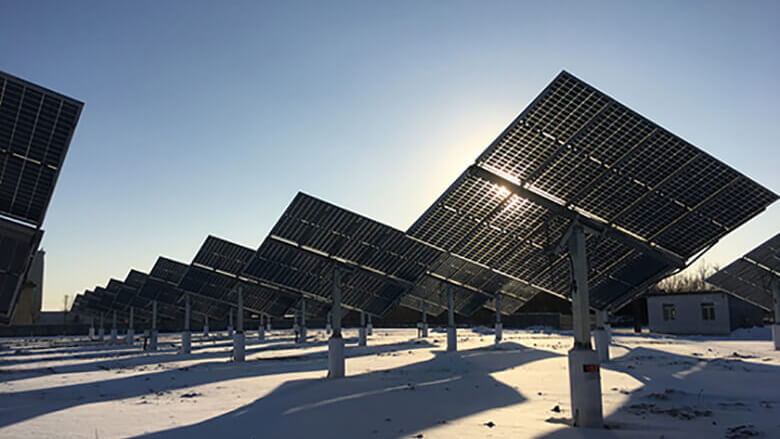
Implemented in seasonal, snowy conditions. The high-clearance design prevents snow accumulation on modules, ensuring stable energy yield year-round.
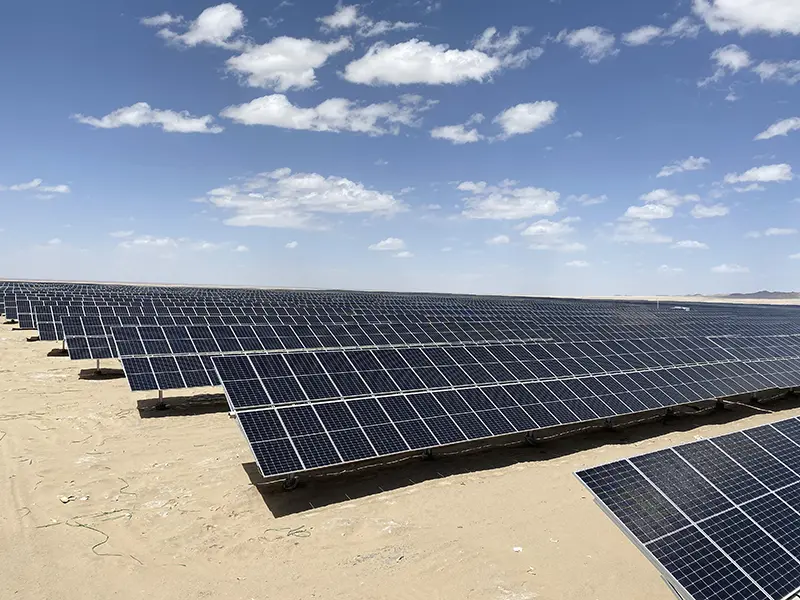
Engineered to withstand extreme sandstorm conditions. Sand clearing operations are simplified via automated vertical panel rotation controls.
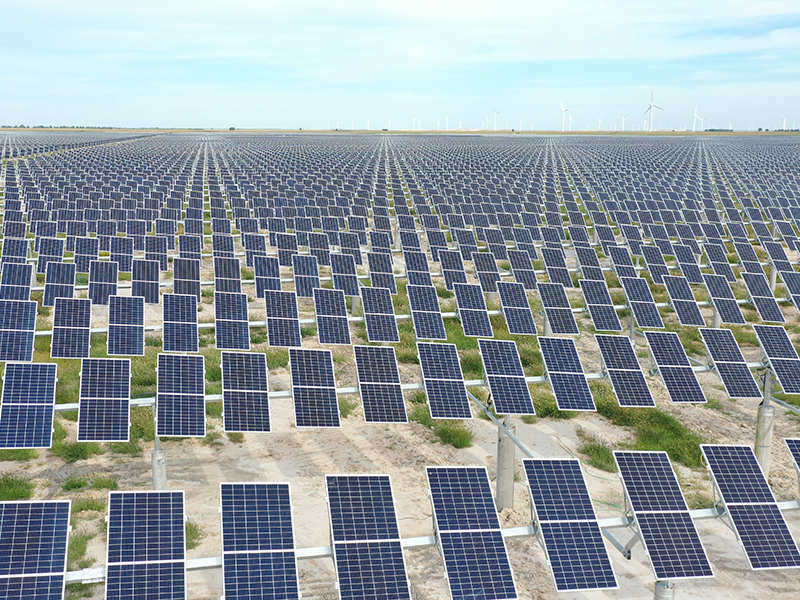
Combines the lower wind profile of single-axis trackers with tilted panel configurations to optimize year-round energy capture.
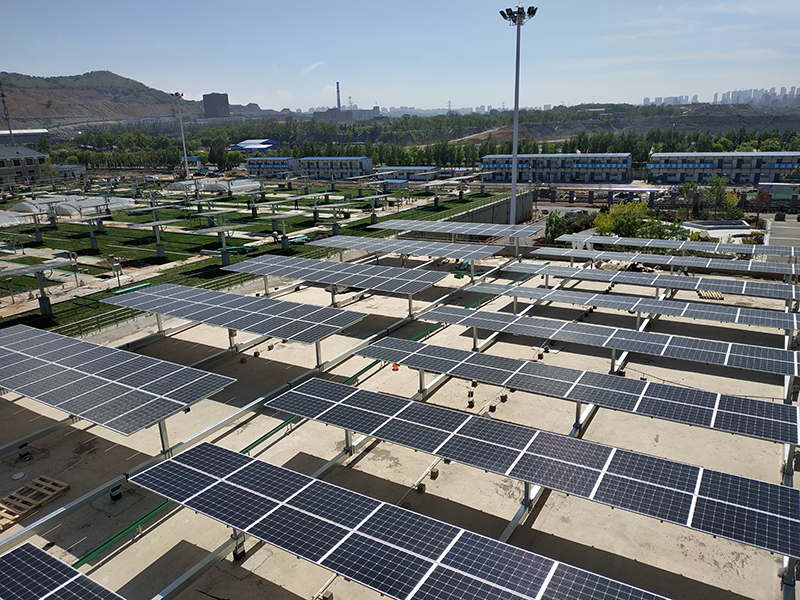
Structural framing designed for large-scale commercial rooftops, optimizing energy density without exceeding roof load limits.
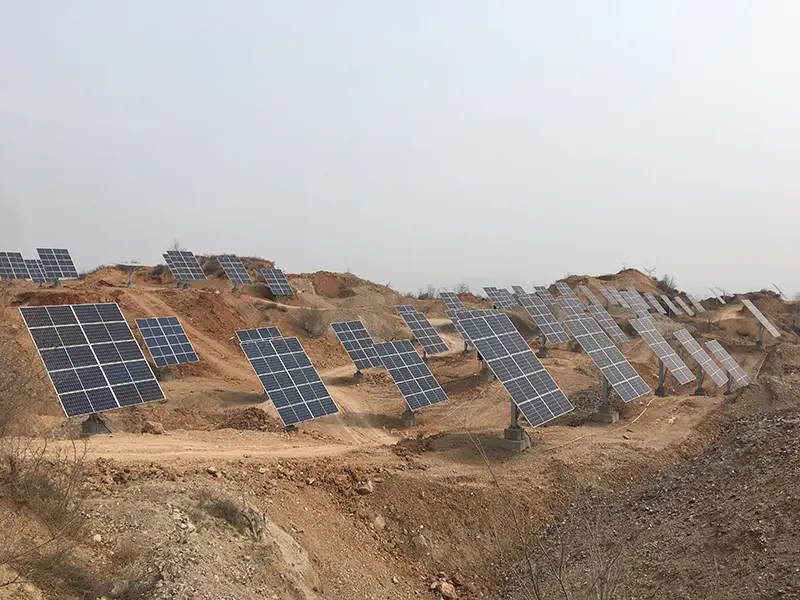
Specialized structural designs that adapt to complex mountain terrains, reducing ground excavation and grading costs.
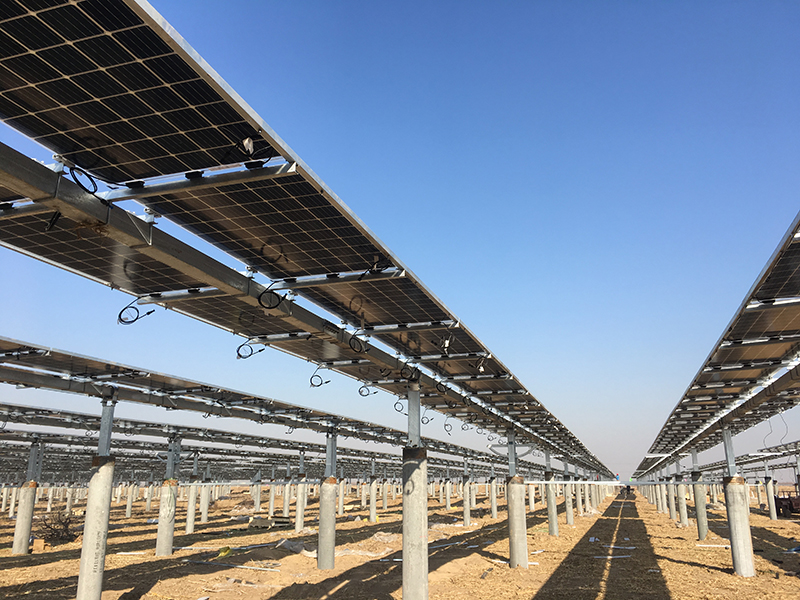
Combines tracking systems with bifacial solar panels, using rear-side albedo reflections to maximize total energy output.
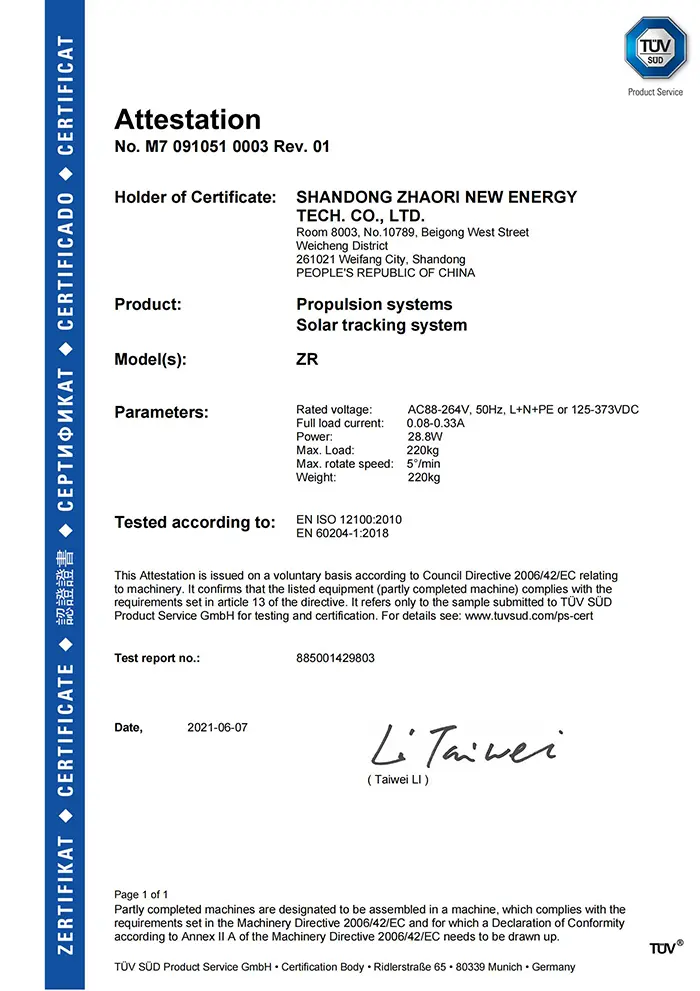
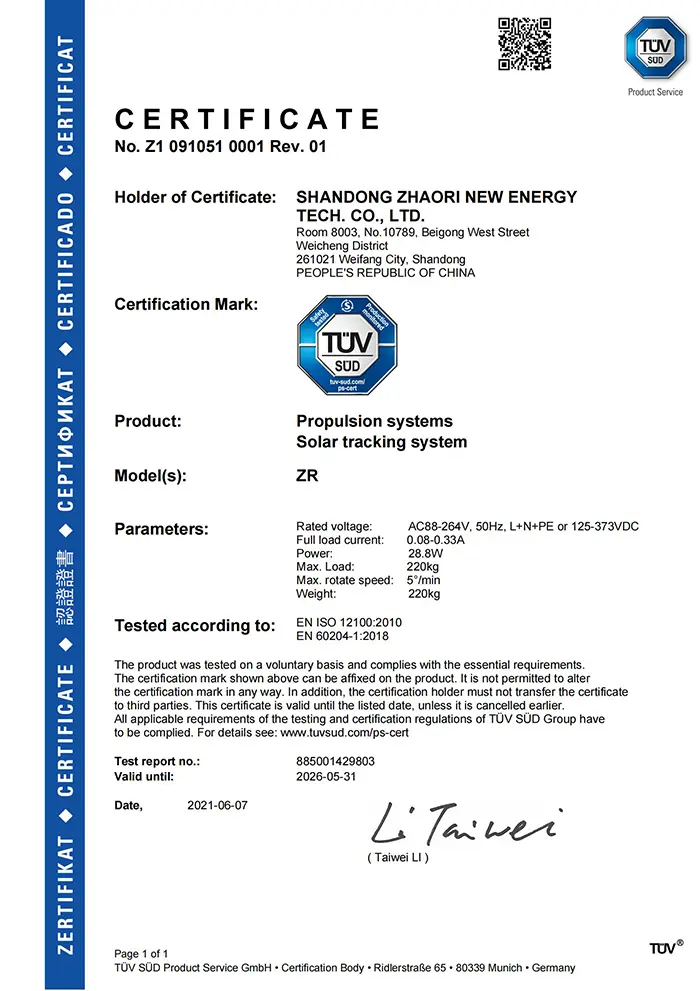
Our products are engineered, tested, and certified to meet the technical standards required by global utility grids and inspection agencies.


Technical answers regarding installation, performance dynamics, structural design, and logistics for our dual-axis trackers.
Dual-axis trackers adjust both azimuth and elevation, keeping solar panels perpendicular to the sun throughout the day. This can increase energy production by 30% to 40% compared to fixed-tilt systems, depending on the latitude of the installation site.
Our systems feature automated protective modes. The integrated wind speed sensor triggers the tracker to stow flat in high winds, reducing the wind load. In heavy snow, the system rotates to a steep angle to allow snow to slide off the panels.
We use high-precision slewing drives and linear actuators, which are designed for high gear ratios and self-locking capabilities to withstand high mechanical back-forces from strong winds.
Yes. The structural mounting frame is designed to avoid shading the backside of the panels, allowing bifacial modules to capture rear-side albedo reflections efficiently.
Our tracking systems are fully certified with CE, TUV, and ISO9001, and hold utility and invention patents in regions including the EU, USA, Canada, and Australia.
We offer a complete range of single-axis, dual-axis, and fixed mounting brackets to meet diverse environmental and project budget requirements.
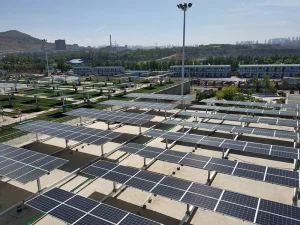
A 2P configuration that supports double-portrait module layouts, maximizing ground coverage and capacity on tight project footprints.
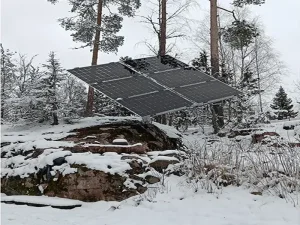
A compact and reliable dual-axis tracker designed for distributed generation, residential solar farms, and off-grid projects.
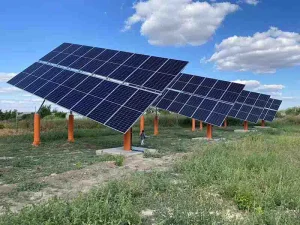
Features a 10° to 30° tilt range that tracks the sun's azimuth angle, boosting energy output by 15% to 25% over fixed-tilt systems.
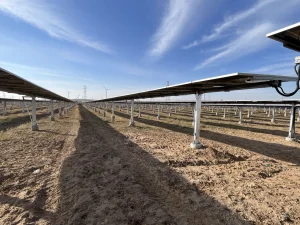
A classic 1-in-portrait tracking solution designed to balance structural simplicity, wind resistance, and overall system weight.
High-capacity tracker supporting extensive module configurations. Featuring astronomical algorithms and closed-loop position sensors.
Reliable twin-drive mechanisms designed to withstand extreme wind conditions while tracking optimal incident angles.
Dual-axis tracking maximizes irradiance absorption by continuously adjusting azimuth and elevation angles throughout the day.
Advanced tilted tracking architecture designed for medium-to-high latitude regions, optimizing seasonal light angle absorption dynamically.
 Zhaori