Strategic Insights for 2024-2030
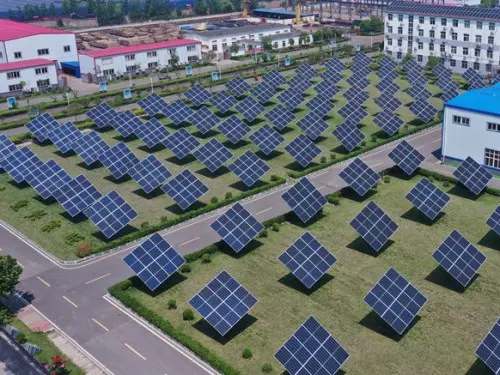
Modern solar trackers are no longer just mechanical structures. Integrating astronomical algorithms with real-time AI sensors allows for "Backtracking" technology, which prevents inter-row shading and optimizes diffuse light capture during cloudy days, increasing efficiency by up to 35%.
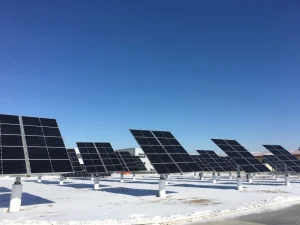
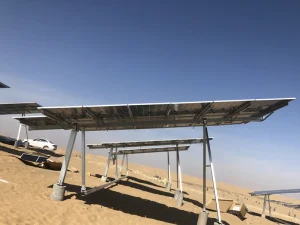
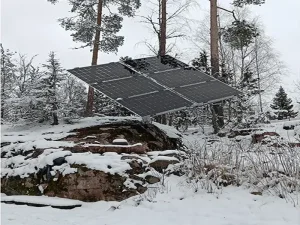
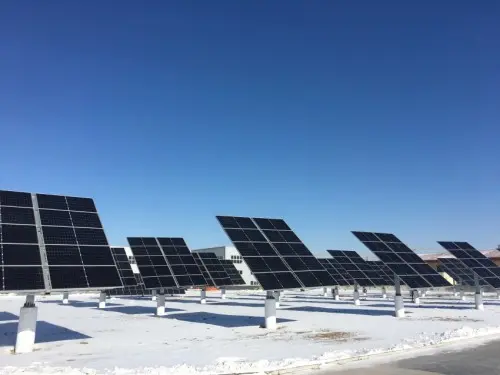
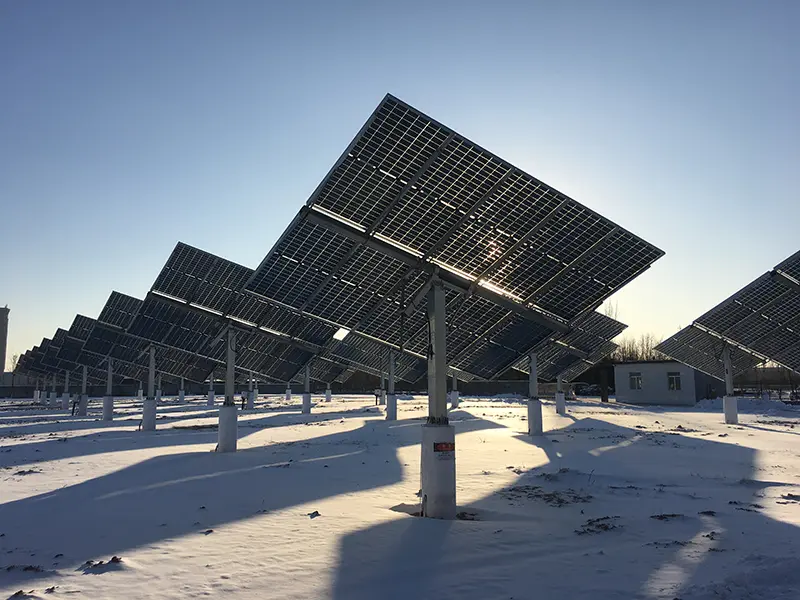
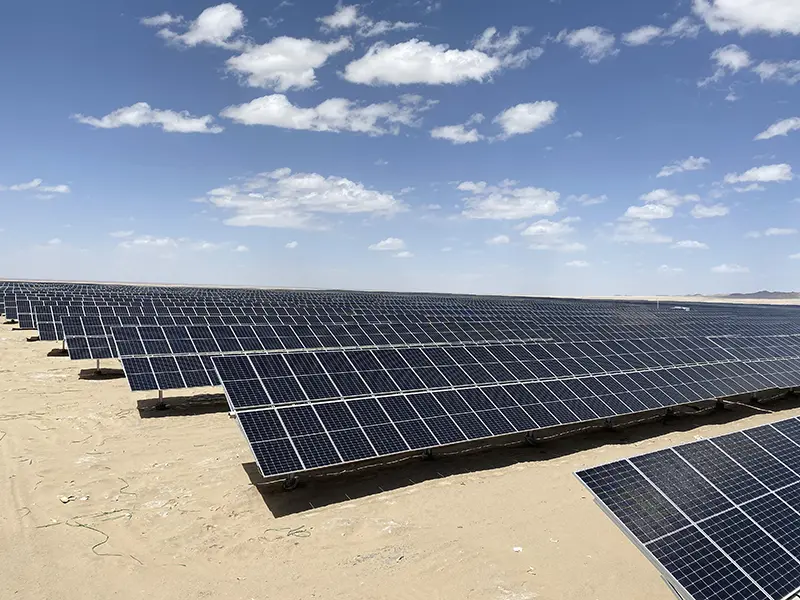
As solar farms move into extreme environments—deserts, high-wind coastal regions, and heavy snow zones—the trend is shifting toward self-locking mechanisms and aerodynamic dampers. Our ZRD series reflects this by prioritizing structural reliability under extreme mechanical stress.
The global market is rapidly adopting bifacial modules. Optimized sun trackers now minimize rear-side shading, ensuring that the albedo effect is fully exploited to maximize power generation from both sides of the panel.
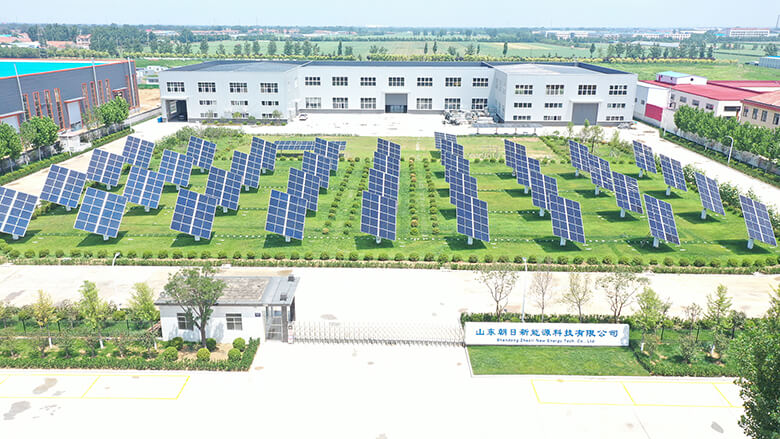
Shandong Zhaori New Energy Tech. Co., Ltd. embodies the pinnacle of China's "Factory 4.0" initiative. Our 50,000-square-meter facility is equipped with automated welding robots, CNC machine tools, and laser cutting machines that ensure every tracker component meets sub-millimeter tolerances.
By integrating raw material screening with internal post-processing and anti-rust treatments, we reduce supply chain bottlenecks, achieving a monthly production capacity of 500MW. This vertical integration allows us to offer competitive pricing without compromising the structural integrity required for 25-year lifespans.
For international EPCs (Engineering, Procurement, and Construction) and solar developers, the primary metric for success is the Levelized Cost of Energy (LCOE). Procuring from established exporters like Zhaori provides a dual advantage: lower upfront CAPEX and reduced OPEX through simplified maintenance designs.
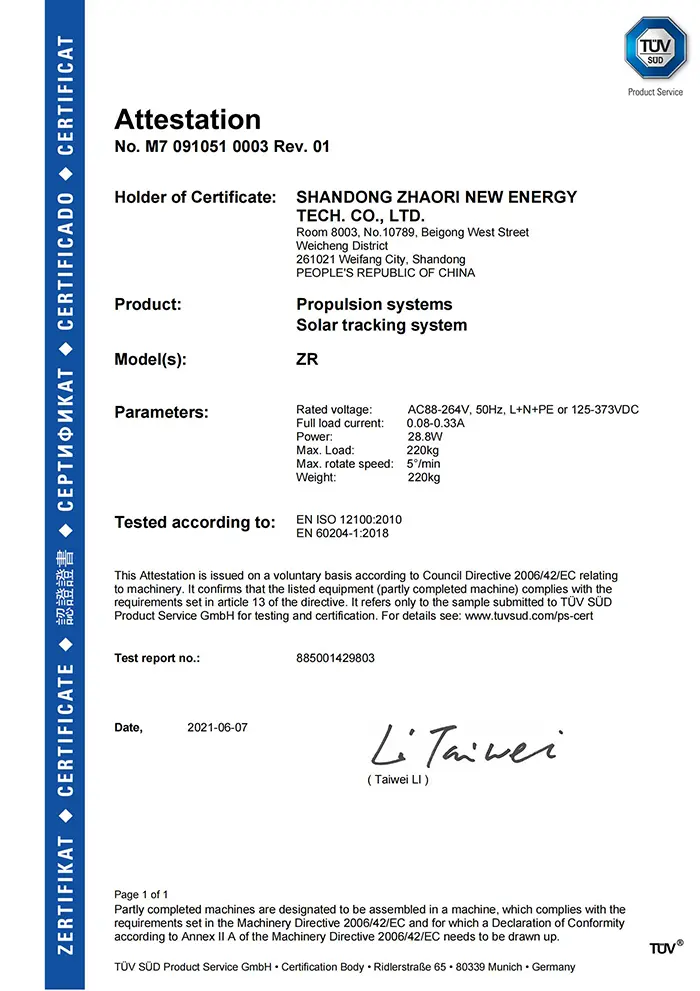
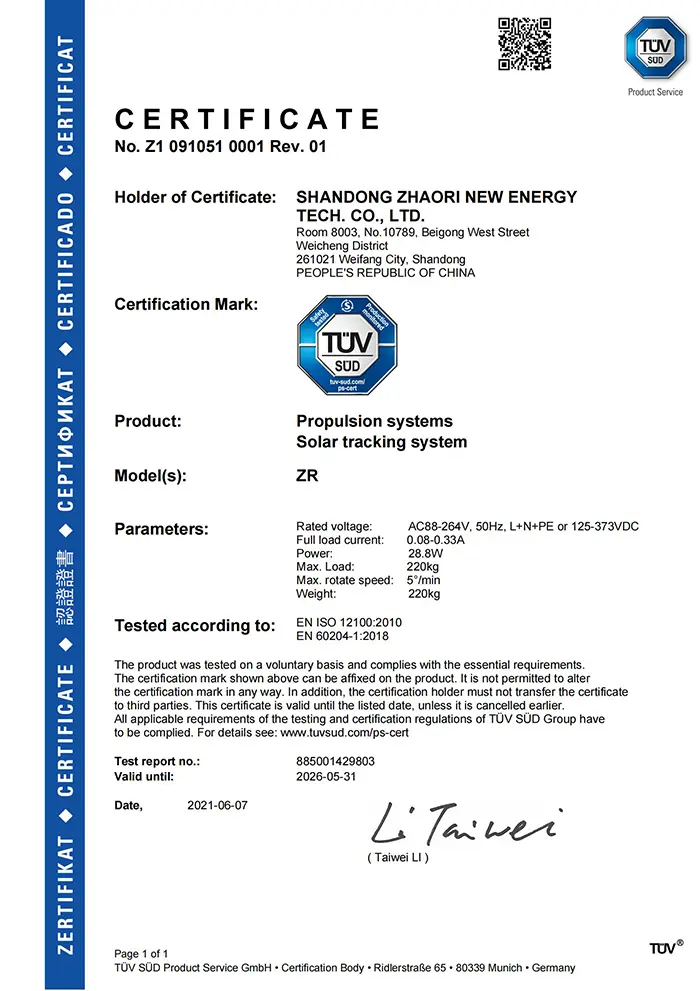
Global demand is currently driven by the Middle East's utility projects, Europe's transition to energy independence, and Southeast Asia's industrial solar boom. Our tracking systems are designed to be "Bankable," meeting the strict TUV, CE, and ISO certifications required by international financing institutions.
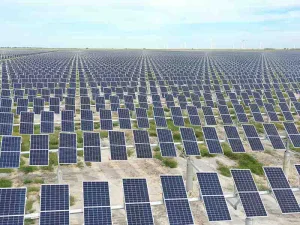
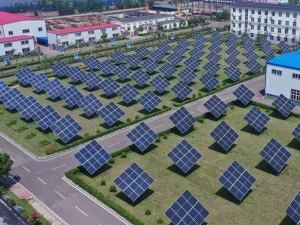
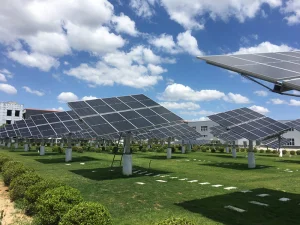
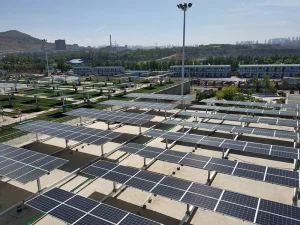
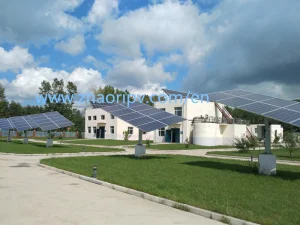
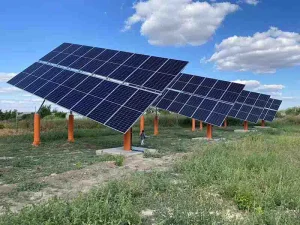
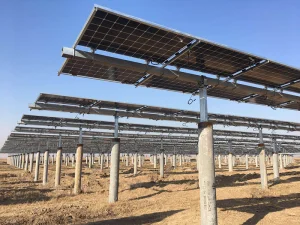
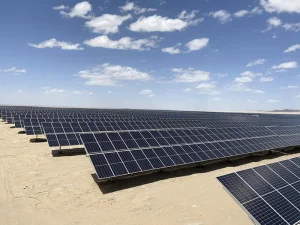
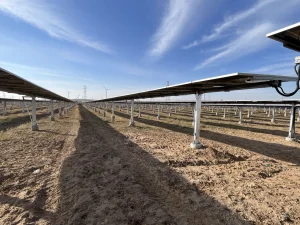
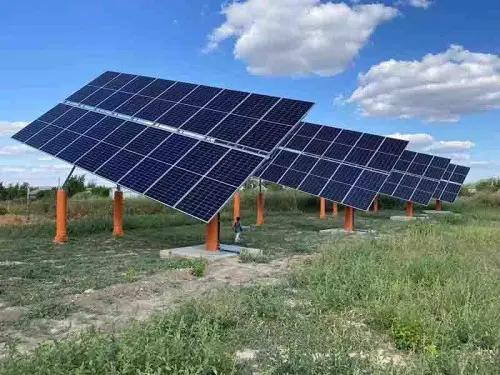
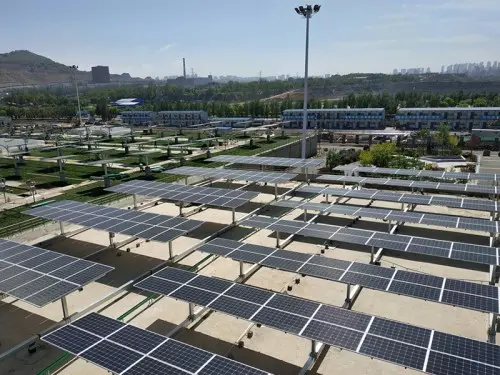
Key Application Scenarios:
Founded in June 2012, our team focuses on photovoltaic power stations and solar tracking technology for more than 10 years. With 10 specialized departments including R&D, Foreign Trade, and Quality Assurance, we provide customized solutions based on rich field experience.
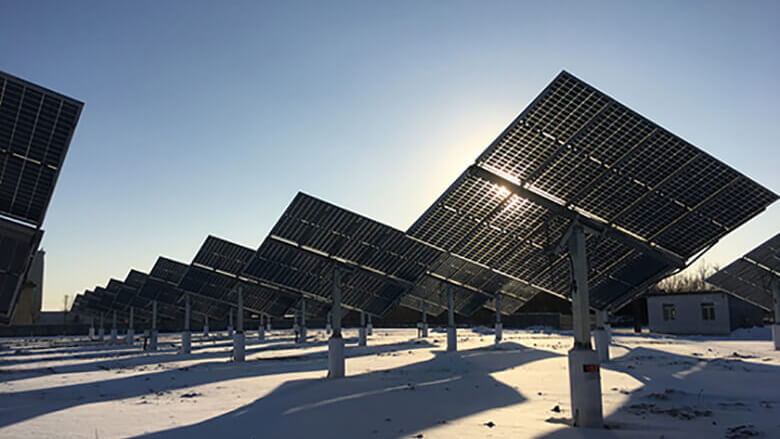
Our products include stationary brackets, adjustable PV brackets, flat single axis tracking systems, tilted single axis tracking systems, and dual axis tracking systems. Our design principle is "More Simple, More Reliable, and More Effective."
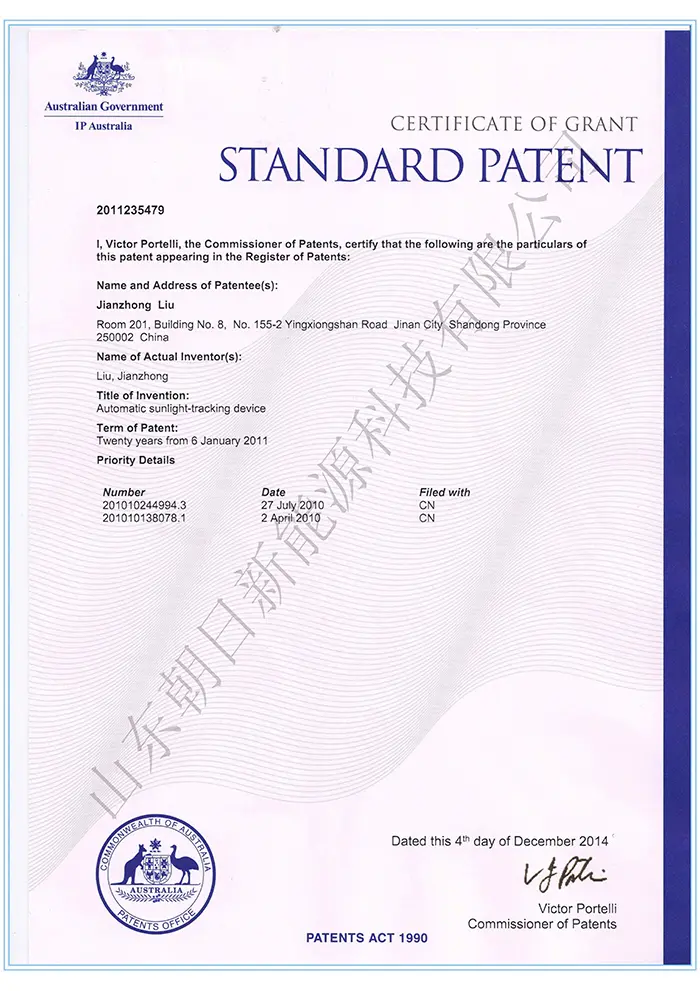
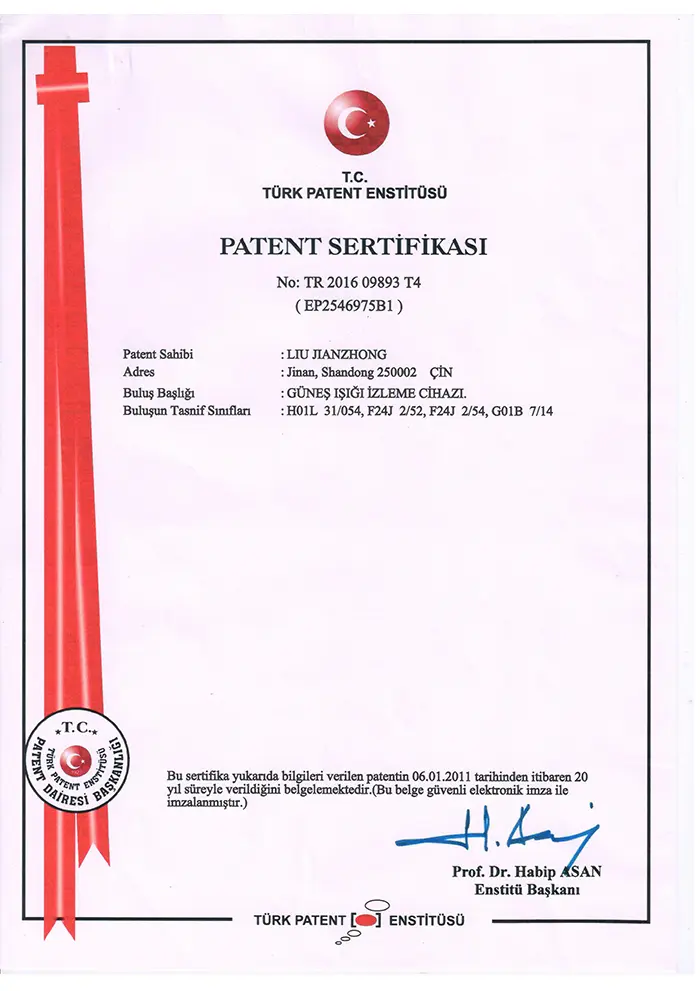
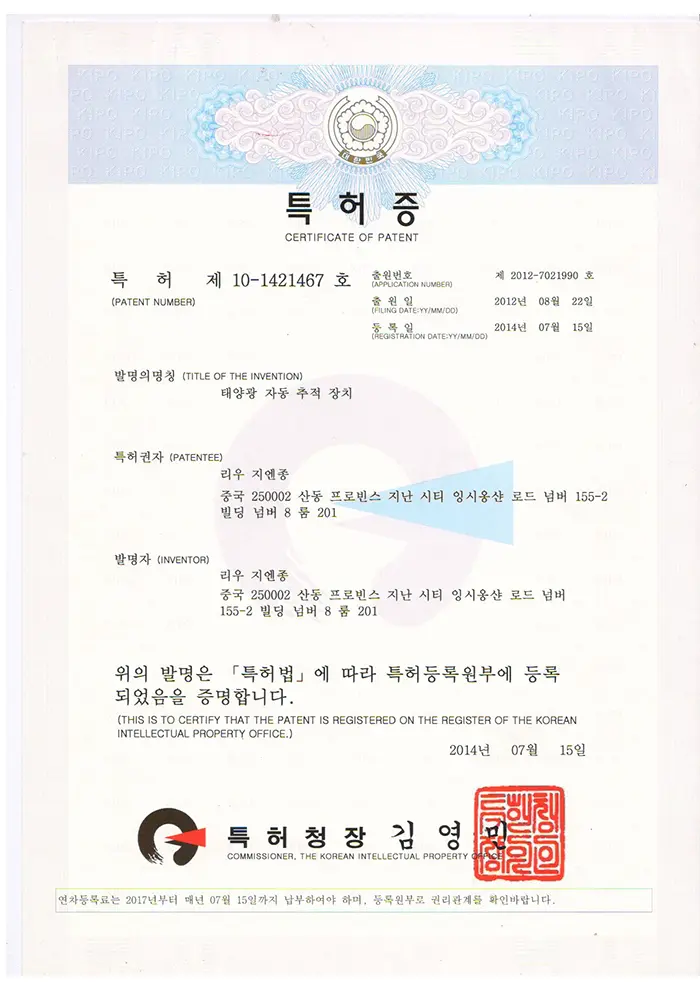
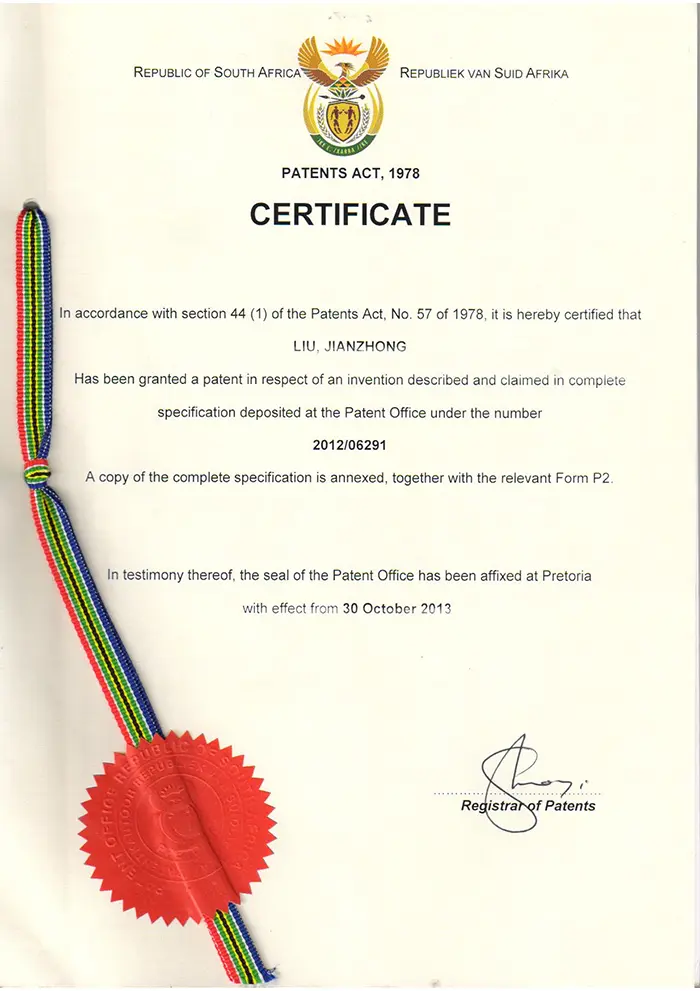
We hold patents from the Europe Patent Office, USA, Canada, Australia, Japan, South Korea, Thailand, India, Brazil, and South Africa, ensuring global legal protection and technical superiority.
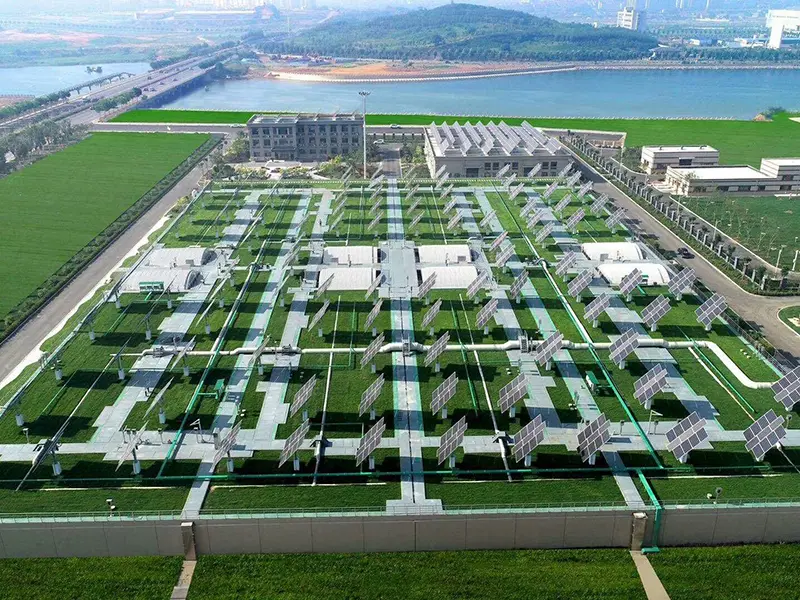
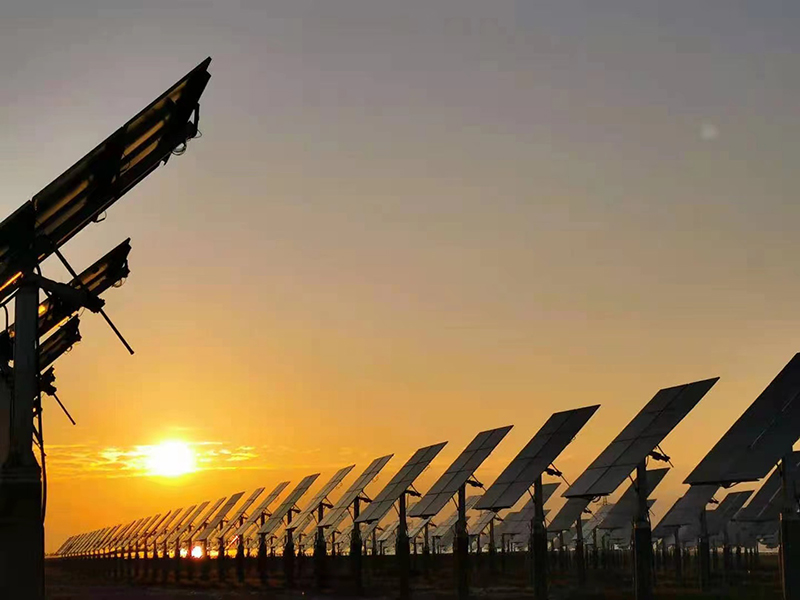
Proven Performance in Diverse Climates
 Zhaori