As the world pivots toward renewable energy, the Levelized Cost of Energy (LCOE) has become the primary metric for utility-scale success. Traditional fixed-tilt systems are increasingly being replaced by dynamic Solar Panel Tracking Systems. By following the sun’s trajectory, these systems can increase energy yields by 15% to 40% compared to static installations. Currently, the global market is witnessing a surge in demand across North America, the Middle East, and Asia-Pacific, driven by the need for grid stability and higher efficiency in bifacial module applications.
Average Yield Increase
Years of R&D Excellence
Monthly Production Capacity
Modern solar trackers are no longer just mechanical structures; they are AI-driven assets. Leading manufacturers and factories are now integrating IoT sensors and machine learning algorithms for "backtracking." This technology prevents modules from shading each other during the early morning and late afternoon, ensuring every square inch of the PV panel is productive.
Founded: June 2012 - Over a decade of specialized solar tracking expertise.
Structure: 10 specialized departments including R&D, Quality Assurance, and I.M.D.
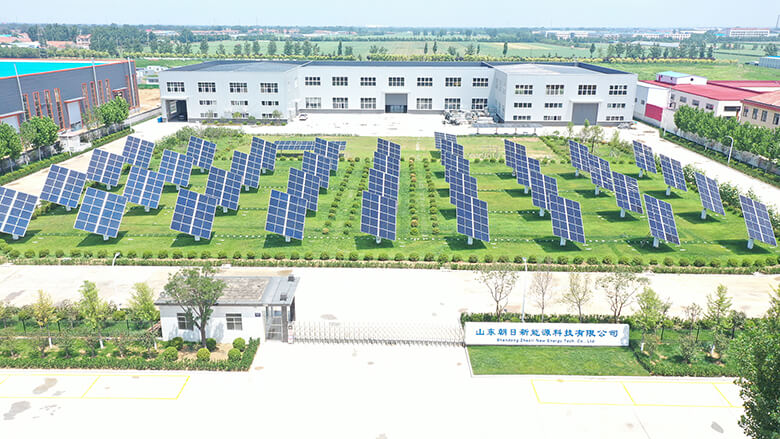
Scale: 50,000 sqm factory with CNC tools and automatic welding robots.
Our company, Shandong Zhaori New Energy Tech. Co., Ltd., is a high-tech enterprise built on independent intellectual property. With more than 60 professional technology talents, we focus exclusively on solar tracking technology to ensure we provide the most reliable "Sunchaser" solutions on the planet.
Understanding the price of solar trackers requires looking beyond the initial CapEx. The Solar Panel Tracking System Price is influenced by steel market rates, tracking precision, and the integrated control systems. While a tracker may cost 10-20% more than a fixed bracket, the Internal Rate of Return (IRR) is significantly higher due to the massive boost in generation.
| System Type | Yield Gain | Cost Impact | Best Application |
|---|---|---|---|
| Fixed Bracket | Baseline | Low | Small residential, high-wind areas |
| Flat Single Axis | 15% - 30% | Medium | Utility-scale projects, low latitudes |
| Tilted Single Axis | 20% - 25% | Medium-High | Middle and high latitudes |
| Dual Axis Tracking | 35% - 45% | High | Concentrated solar, high-efficiency research |
Why do global EPC contractors look for a China Solar Tracker Factory? The answer lies in supply chain integration. At Zhaori Solar, our products are manufactured from raw material screening, laser cutting, and plasma welding to anti-rust treatment all under one roof. This vertical integration reduces logistics costs and ensures strict quality control (TUV, CE, ISO) at a competitive price point that Western manufacturers struggle to match.
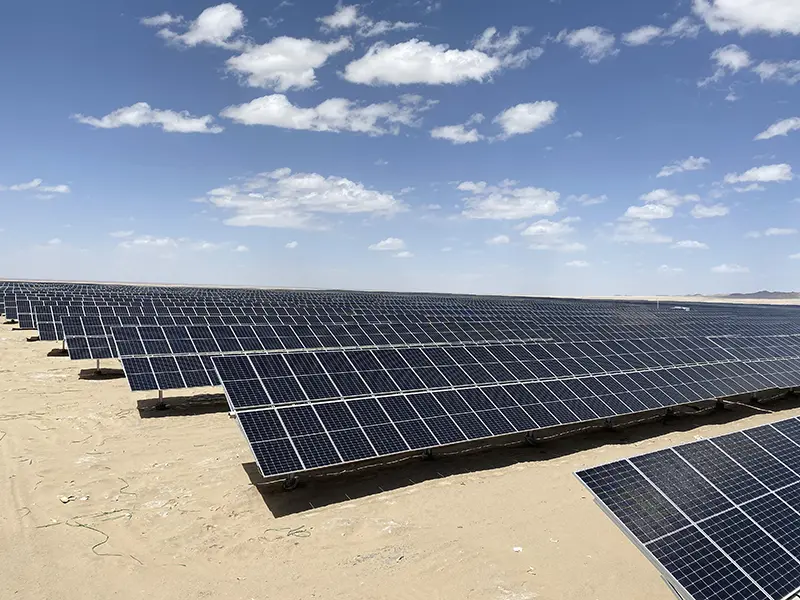
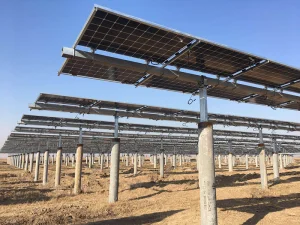
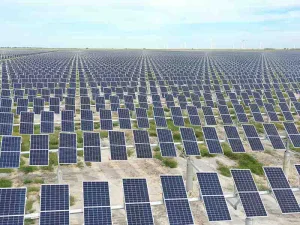
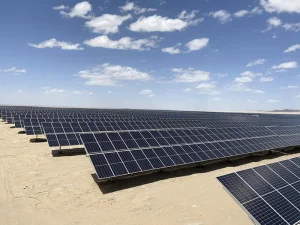
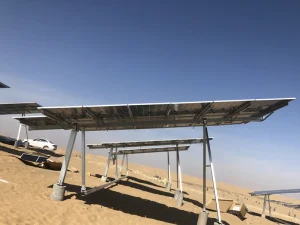
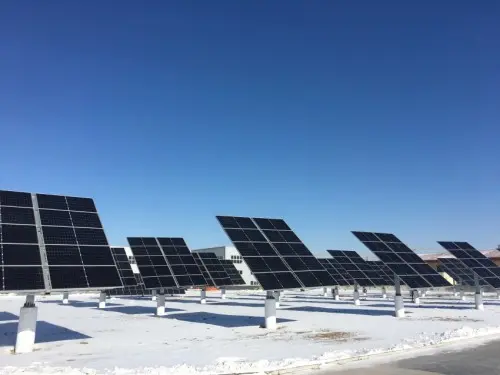
Systems like our 20MW project in the desert utilize advanced dust-resistant bearings and heat-tolerant actuators to ensure longevity in harsh environments.
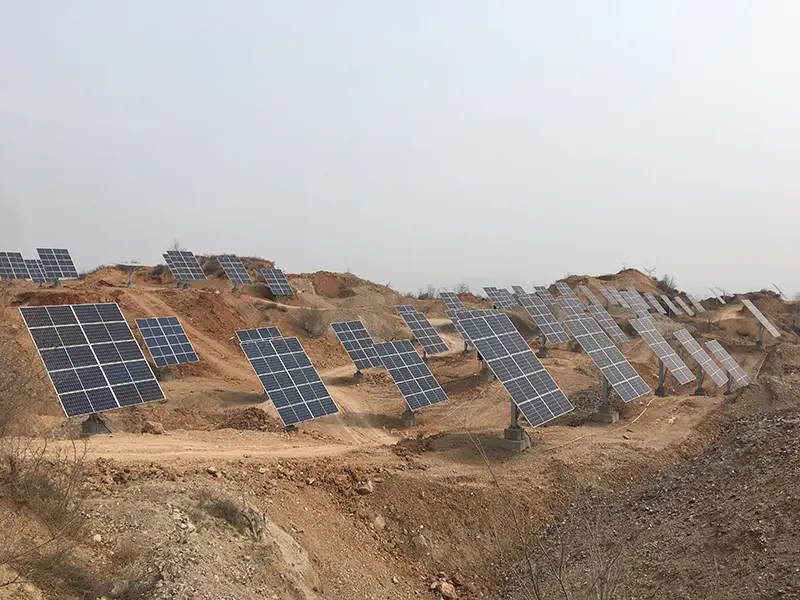
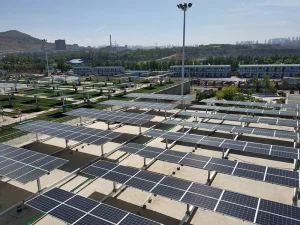
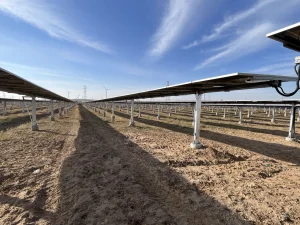
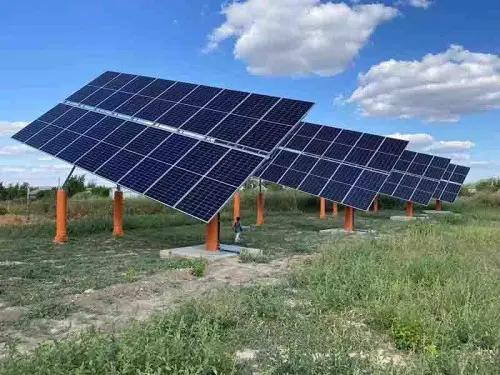
Our adjustable fixed brackets and single-axis trackers with flexible joints allow for installation on slopes that were previously considered unusable.
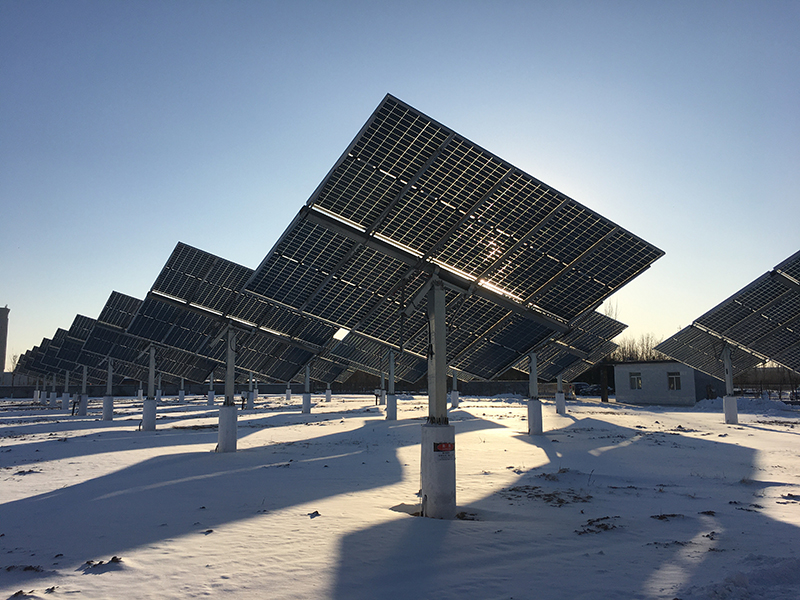
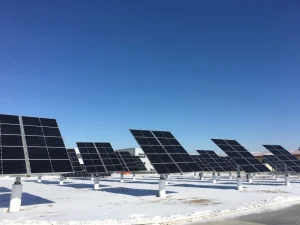
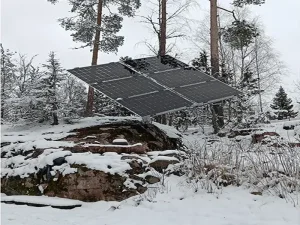
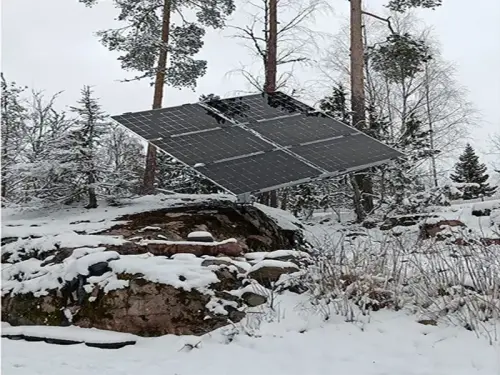
Smart sensors detect snow accumulation, triggering a "snow shedding mode" where panels tilt to maximum angles to prevent structural collapse.
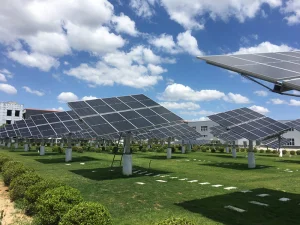
Bifacial panels catch light from both sides. Solar trackers optimize the rear-side gain by reducing the shadowing of the mounting structure, a trend Zhaori has pioneered with our 1P/2P flat single-axis designs.
The next generation of trackers will use local weather data feeds to preemptively stow panels before high-wind events or hail storms occur, reducing insurance premiums for plant owners.
As a leading Solar Panel Tracking System Manufacturer, we are focusing on high-recyclability galvanized steel and low-energy manufacturing processes to match the green credentials of the power we help generate.
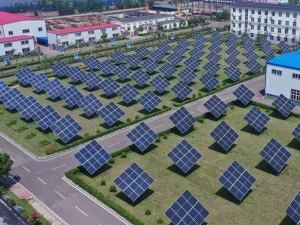
Combining semi-auto dual-axis systems for cost-sensitive markets with fully automated systems for high-yield zones, providing customized solutions for global procurement needs.
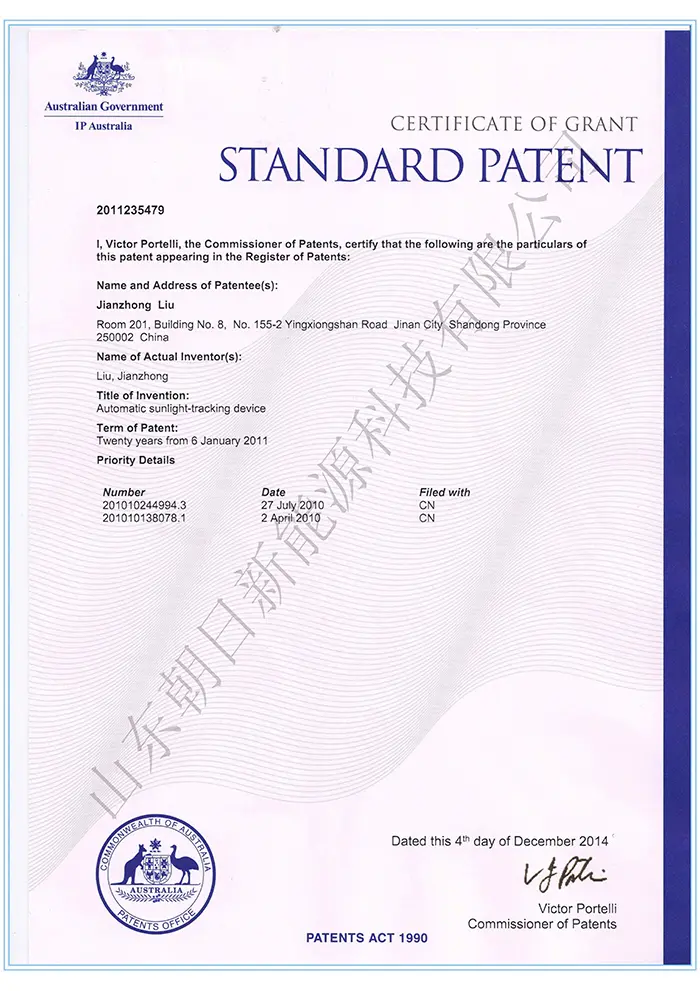
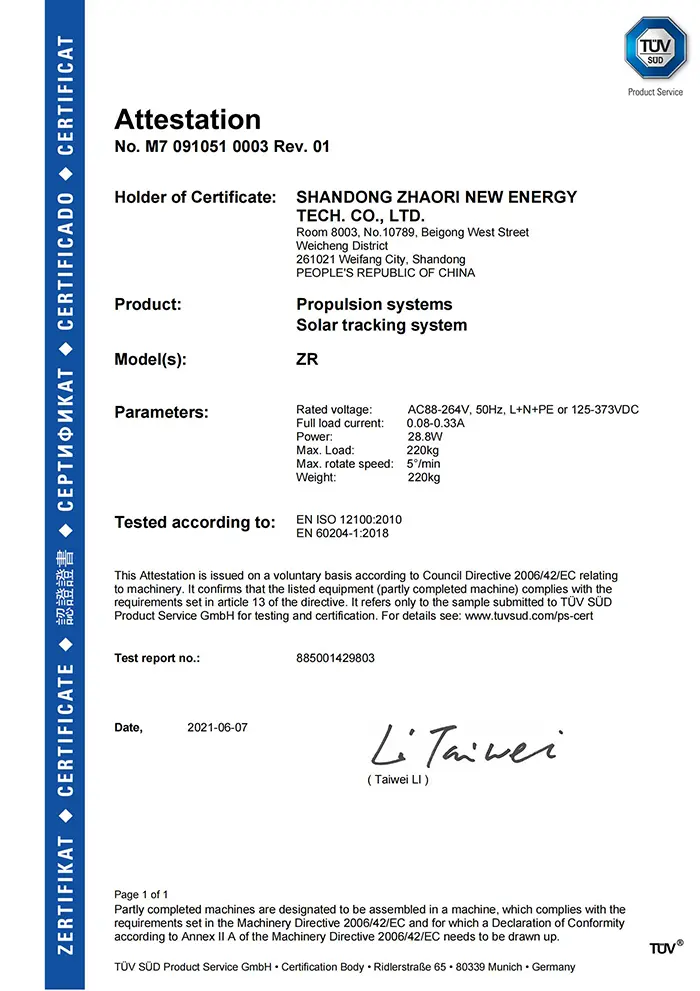
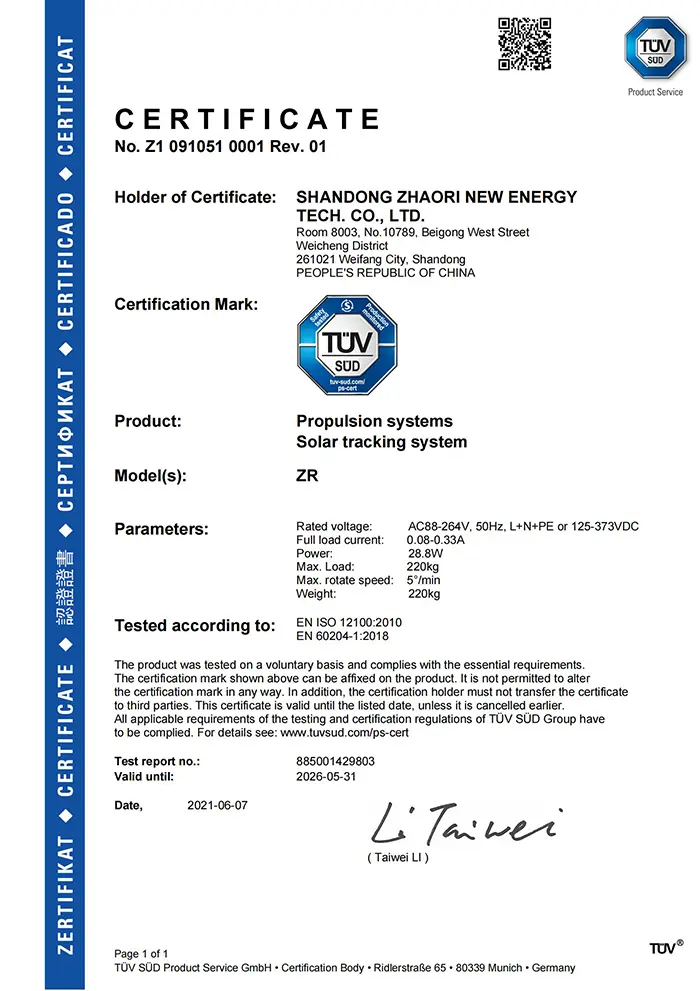
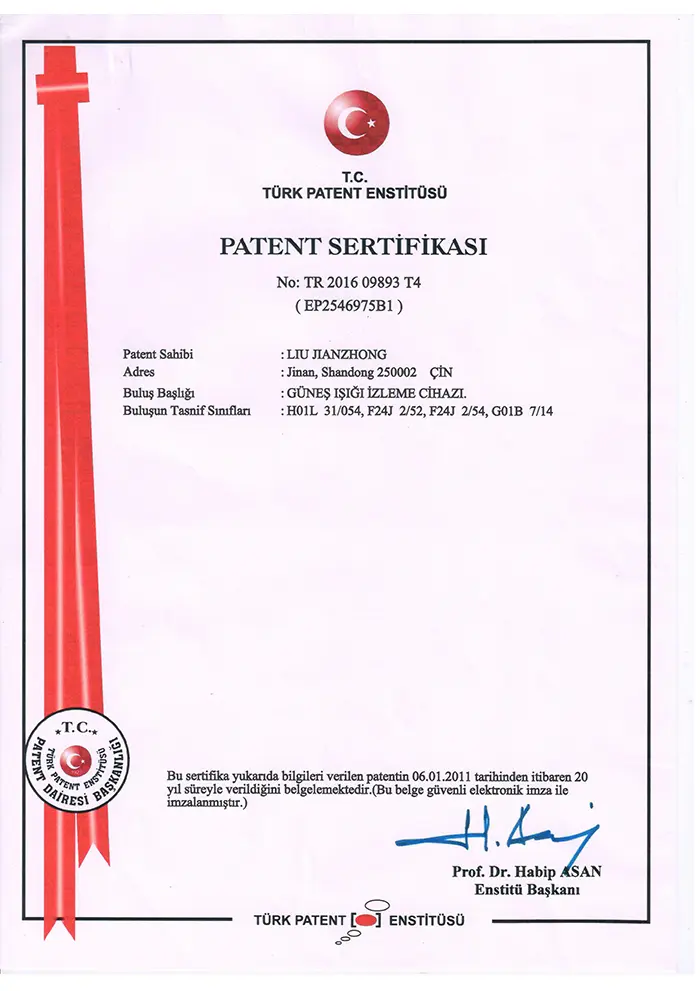
Our products have obtained patents of invention from the Europe Patent Office, USA, Canada, Australia, Japan, South Korea, Thailand, India, Brazil, and South Africa, along with 8 Chinese National Invention Patents.
 Zhaori