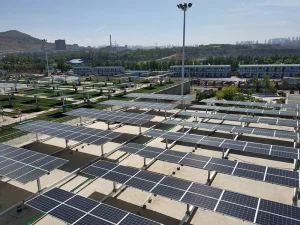
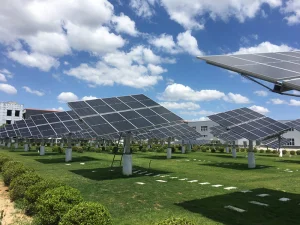
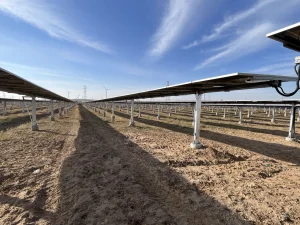
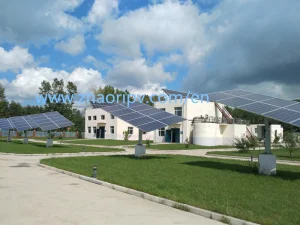
As the global energy transition accelerates toward net-zero targets, the Single Axis Solar Tracking market has evolved from a niche luxury to a standard requirement for utility-scale projects. In 2024, the demand for solar tracking quotes from reliable exporters has surged by 35% year-on-year, driven by the need to maximize Levelized Cost of Energy (LCOE).
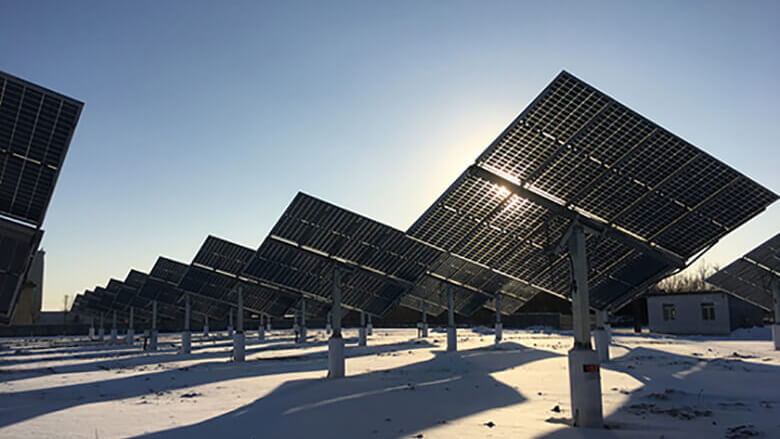
Unlike fixed-tilt systems, single-axis trackers follow the sun's trajectory from east to west, significantly increasing the irradiation absorbed by the modules. This technical leap typically yields a 15% to 30% increase in power generation, making it the preferred choice for commercial and industrial (C&I) sectors worldwide.
 The China Advantage: Precision Engineering & Factory Efficiency
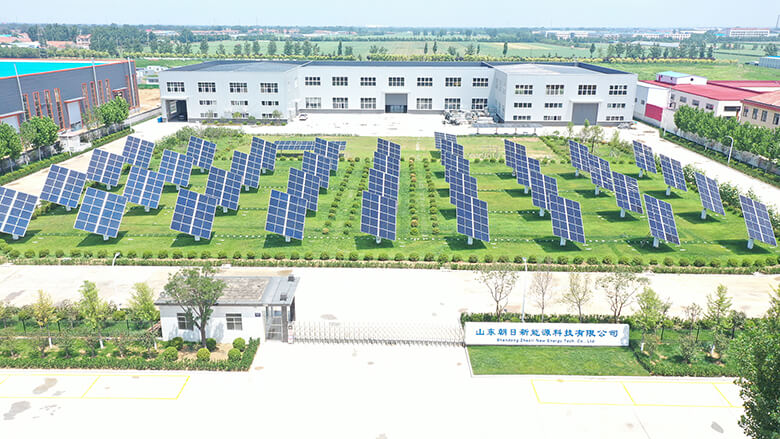
Shandong Zhaori New Energy Tech. Co., Ltd. stands at the forefront of this industrial revolution. Our factory, spanning over 50,000 square meters, integrates advanced CNC machine tools, laser cutting precision, and autonomous welding robots to ensure every tracking bracket meets international structural integrity standards.
China's supply chain efficiency allows us to deliver high-quality ZRT and ZRP series trackers at a competitive price point that Western manufacturers struggle to match. By sourcing raw materials and performing anti-rust treatments in-house, we control the entire lifecycle of the product, ensuring a 25-year operational lifespan in harsh environments like deserts and mountains.
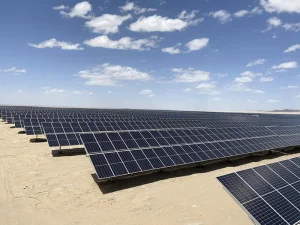
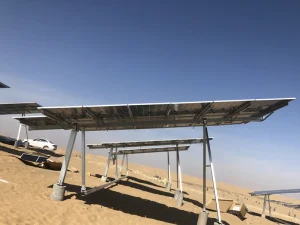
 Utility-Scale Desert Projects
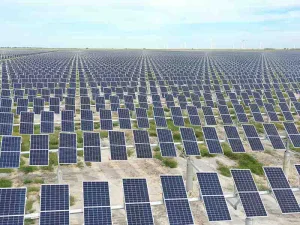
In high-irradiance regions like the Middle East or North China, our 20MW and 360MW projects utilize flat single-axis trackers to combat sand shading and maximize morning/evening yield.
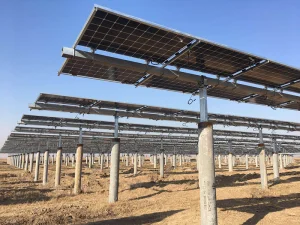
 Complex Mountain Terrains
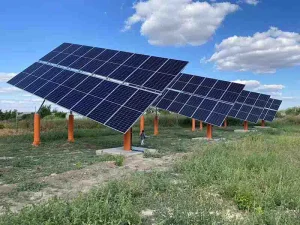
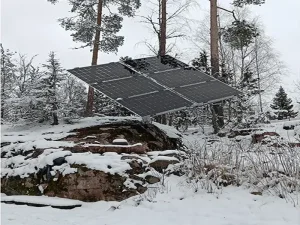
Our adjustable PV brackets and tilted single-axis systems are designed for uneven topography, allowing for installation on slopes where traditional systems fail.
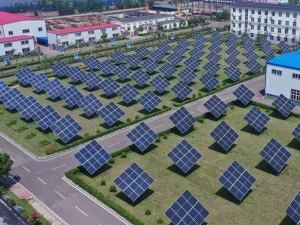
 Commercial C&I Rooftops
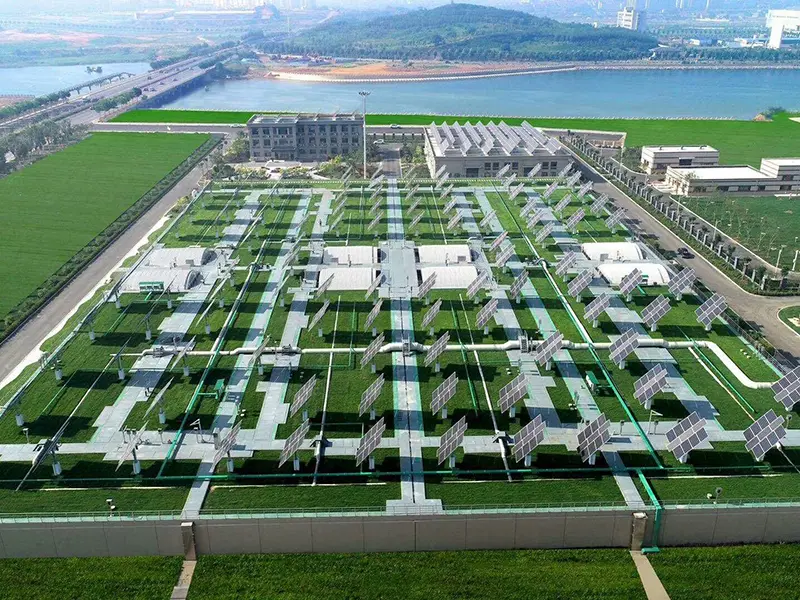
For factory projects, ZRD-06 and ZRD-10 dual-axis trackers provide the ultimate efficiency, perfect for limited space where every kilowatt-hour counts.
The next decade of solar tracking is defined by Intelligence. Modern systems now incorporate AI algorithms to predict cloud cover and optimize "backtracking" to prevent row-to-row shading. Furthermore, the rise of bifacial solar modules has made single-axis tracking even more lucrative. By tilting the modules, trackers allow more reflected light (albedo) to reach the rear side, boosting total energy gain by up to 35% compared to monofacial fixed systems.
As a high-tech company founded in June 2012, Shandong Zhaori New Energy holds patents in the USA, Canada, Europe, and Japan. Our principle is "More simple, more reliable, and more effective." This commitment to E-E-A-T (Experience, Expertise, Authoritativeness, and Trustworthiness) is reflected in our TUV, CE, and ISO certifications.
A: While the initial CAPEX is higher, the 15-25% increase in energy production typically results in a payback period that is 1-2 years shorter than fixed systems, especially in regions with high electricity costs.
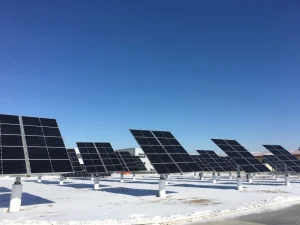
A: Our ZRD and ZRT systems feature automated "Stow Mode" sensors. When wind speeds exceed safety thresholds, the panels automatically flatten to minimize drag. For snow, the tilted axis allows for easy shedding.
A: Yes, Shandong Zhaori New Energy provides tailored solutions based on project latitude, soil conditions, and module types. We support OEM/ODM services for global energy contractors.
A: Thanks to our "simple and reliable" design, maintenance is minimal. We use self-lubricating bearings and weather-resistant actuators that only require annual inspections.
 Zhaori