Engineered for stability, cost-efficiency, and maximum power generation. Explore our core manufactured range.
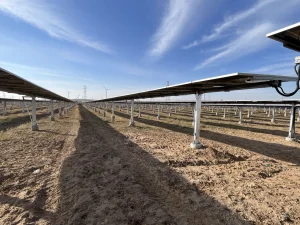
Innovative 1P layout optimization providing low cost, simplified installation, and exceptional reliability in standard terrain layouts.
Learn More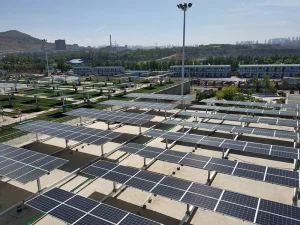
2-row linked tracker setup optimizing modules utilization per linear structure, delivering up to 30% yield gain over fixed solutions.
Learn More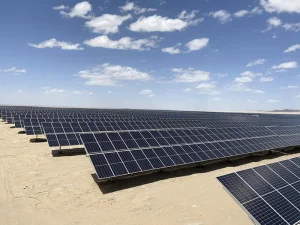
Manual structural tilt adjustments designed for seasonal optimization in low wind-load utility deployment projects.
Learn More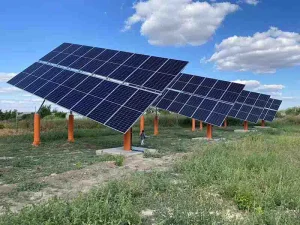
Features a tilted tracking axis (10°-30° tilt) to capture maximum azimuth and elevated sun path angles for higher latitudes.
Learn More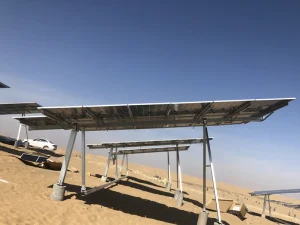
Premium tracking configurations for terrains with structural slope constraints and high localized albedo profiles.
Learn More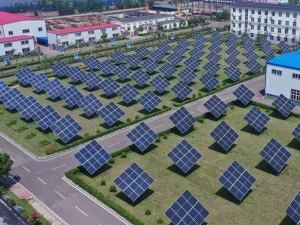
Dual-axis control tracking both horizontal and vertical solar azimuth angles, ideal for high solar irradiance locations.
Learn More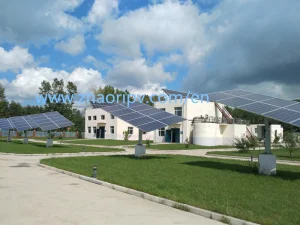
Cost-effective hybrid setup combining automated tracking with manual adjustment triggers to fit budget-restricted operations.
Learn More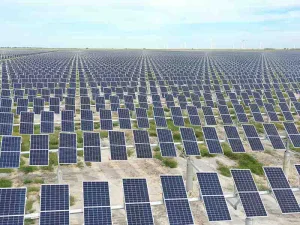
Combines single-axis rotation with preset inclined framing to boost bifacial gain and decrease ground shadowing impacts.
Learn MoreAs international solar deployment scales up, reducing the Levelized Cost of Energy (LCOE) has become paramount. Fixed-tilt utility mounting is rapidly giving way to dynamic single-axis tracker assemblies, which ensure solar panels constantly optimize their incidence angle relative to the sun. This technological evolution increases generation output by 15% to 30% depending on geographical coordinates and ground albedo.
By pairing bifacial modules with single-axis tracking systems, global EPC developers achieve an unprecedented compounding yield curve. Modern smart algorithms enable tracking units to implement real-time backtracking, resolving row-to-row shadowing during low-angle sunrise and sunset periods, and mitigating structural wind aerodynamic flutter via automated stowing sequences.
Understanding structural geometry is critical during procurement. 1P (One-in-Portrait) tracking designs utilize a single vertical panel arrangement, resulting in a low center of gravity, lower mechanical torsion loads, and highly cost-efficient installation. They are exceptionally resilient to high localized wind forces.
Conversely, 2P (Two-in-Portrait) configurations link two modules vertically on a single support beam, doubling structural space efficiency. 2P trackers reduce the overall foundation pile count per megawatt by up to 30-40%, rendering them extremely competitive for sites with challenging geotechnics, rocky subsurface profiles, or steep undulating contours.
Combining structural automation, raw material access, and rigorous testing standards to supply trackers globally.
With massive domestic steel production integrations, Chinese factories deploy automated robotic laser cutters, structural punchers, and dynamic robotic welders. This guarantees precision tolerances on all C-channels, torque tubes, and slewing drive mountings, keeping capacity above 500MW monthly.
All tracking structural elements undergo Hot-Dip Galvanization (HDG) matching ISO 1461 standards, or incorporate advanced Zinc-Aluminum-Magnesium (ZAM) metallic coatings. This yields exceptional resistance against C4/C5 aggressive marine environments, promising a 25-year structural service life.
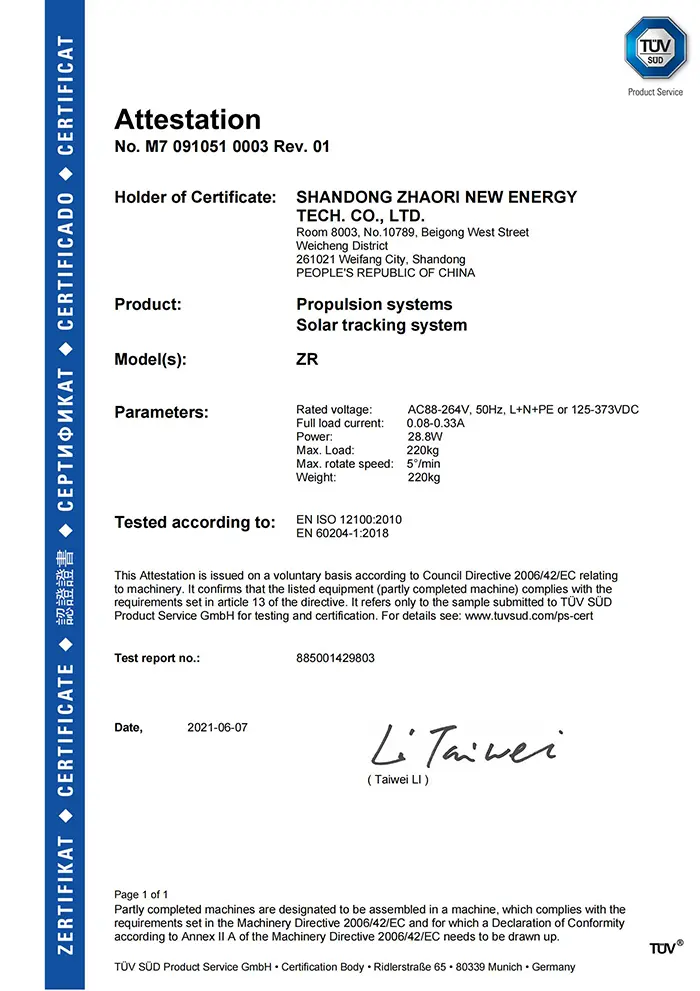
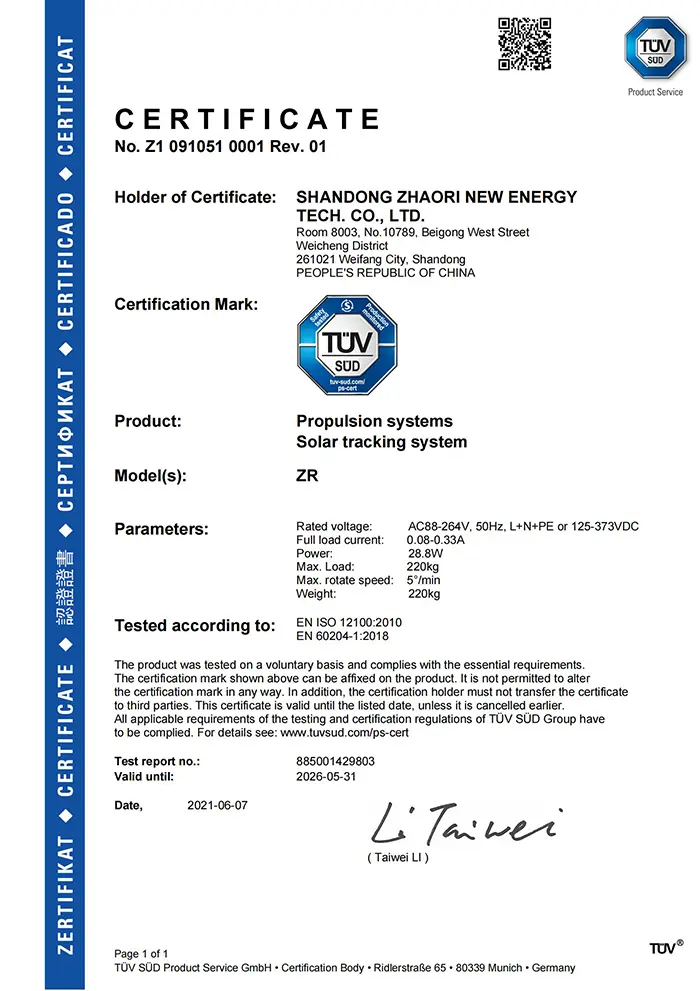
Structural reliability is validated through wind tunnel testing (CPP/RWDI) to verify flutter resistance. Systems are fully compliant with TÜV, CE, ISO 9001, and UL 3703 certifications, qualifying Shandong Zhaori tracker assemblies for bankability and project insurance underwriting.
Analyze parameters of different tracking systems to select the ideal foundation design for your solar plant.
| System Class | Yield Gain (vs Fixed Tilt) | Wind Load Resistance | Terrain Slope Adaptability | Foundation Piles Needed | Best Application Scenarios |
|---|---|---|---|---|---|
| Flat Single Axis (1P) | 15% - 25% | High (Up to 55m/s stowed) | Moderate (< 10% slope) | Standard | Flat deserts, broad agricultural lands, standard utility PV layouts. |
| Flat Single Axis (2P) | 18% - 30% (with Bifacial) | Moderate-High (Dynamic dampers) | High (< 15% slope) | Reduced by 35% | Rocky subsurface, undulating topography, agro-photovoltaics. |
| Tilted Single Axis | 20% - 28% | Moderate | Low-Moderate | Standard | High latitudes, elevated areas needing fixed tilt optimization. |
| Dual Axis System | 35% - 45% | Moderate (Active Auto-stow) | Low | Single heavy pile | Concentrated PV (CPV), high-efficiency commercial installations. |
R&D & Engineering Experience
Modern Automated Factory Area
Monthly Output Supply Capacity
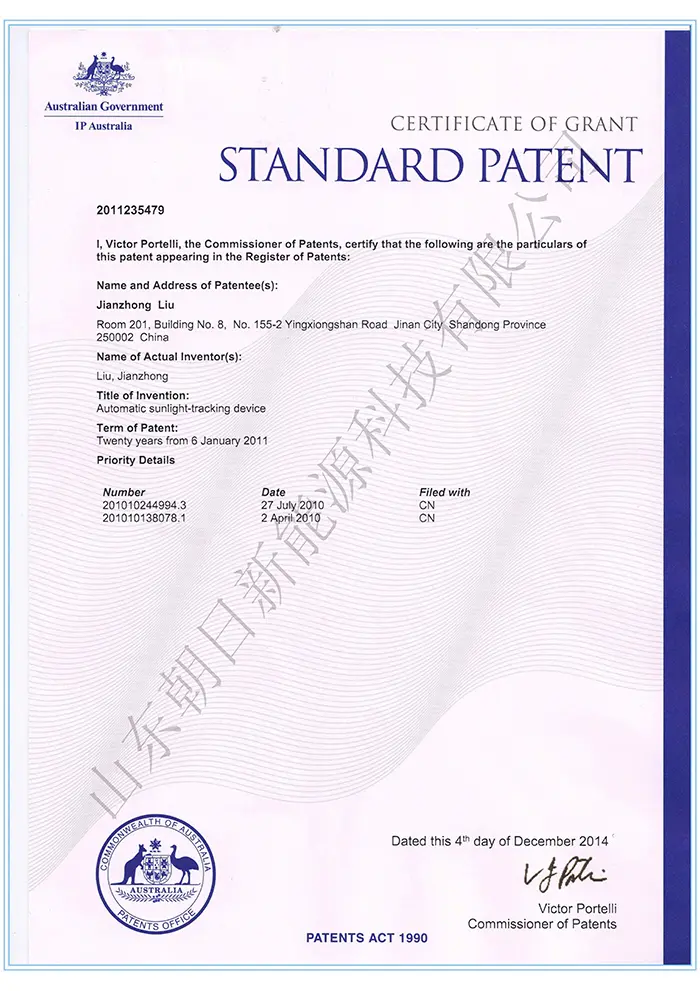
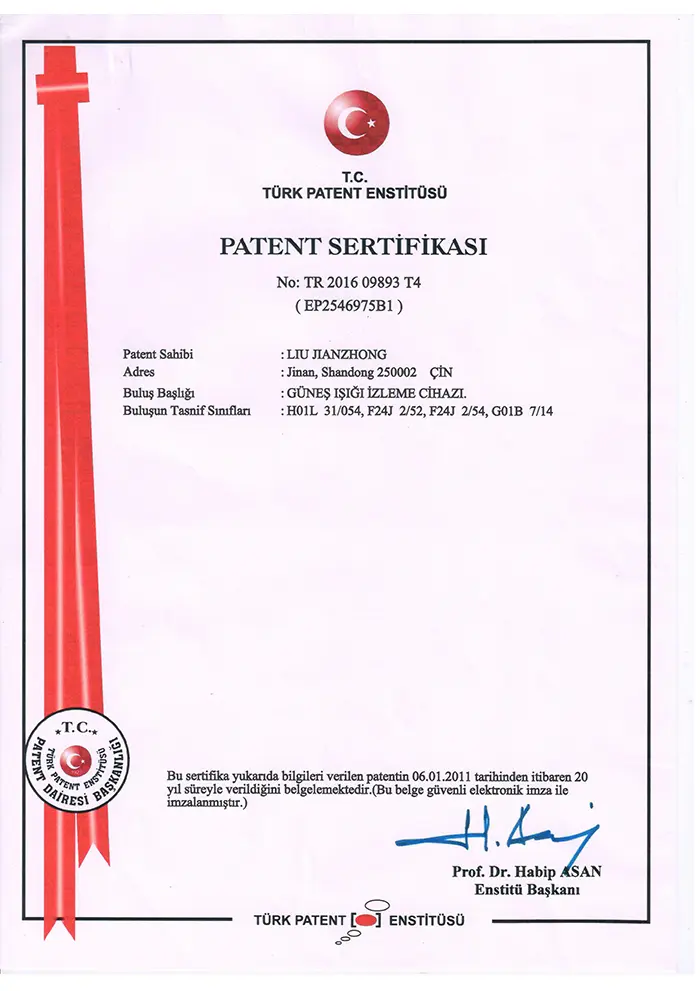
Global Patents & Certifications
Founded in June 2012, Shandong Zhaori New Energy Tech. Co., Ltd. is a premier high-tech new energy manufacturer based on independent intellectual property rights. For over a decade, our specialized engineering team has focused on optimizing photovoltaic mounting systems and solar tracking controls.
With 10 dedicated departments—including R&D, Engineering, Production Quality Assurance, and Foreign Trade—we operate with over 60 structural and electrical engineering specialists. Our production facility features high-precision CNC machinery, automatic welding robots, and plasma cutting units to implement strict quality checkpoints from raw steel screening to final packaging.
Our core product principles: More Simple, More Reliable, and More Effective. This design philosophy has secured international patents across the Europe Patent Office, USA, Canada, Australia, Japan, South Korea, India, Brazil, and South Africa, alongside 8 Chinese National Invention Patents.
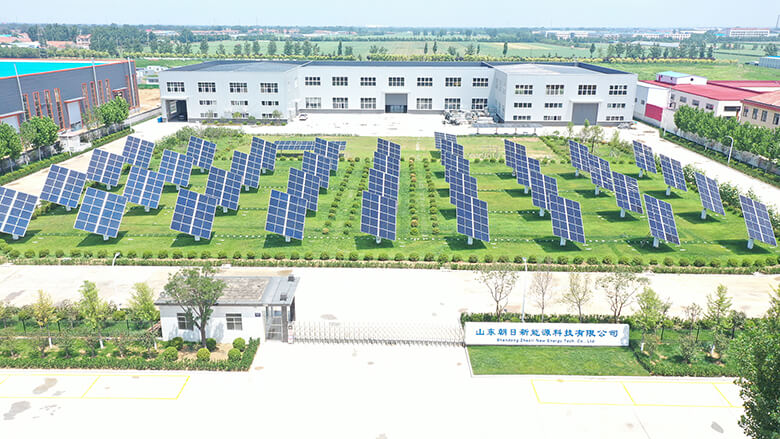
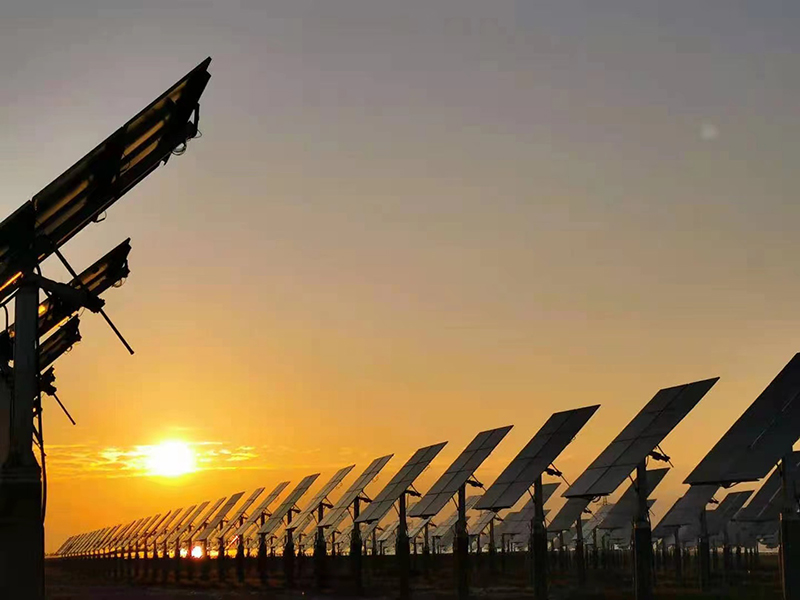
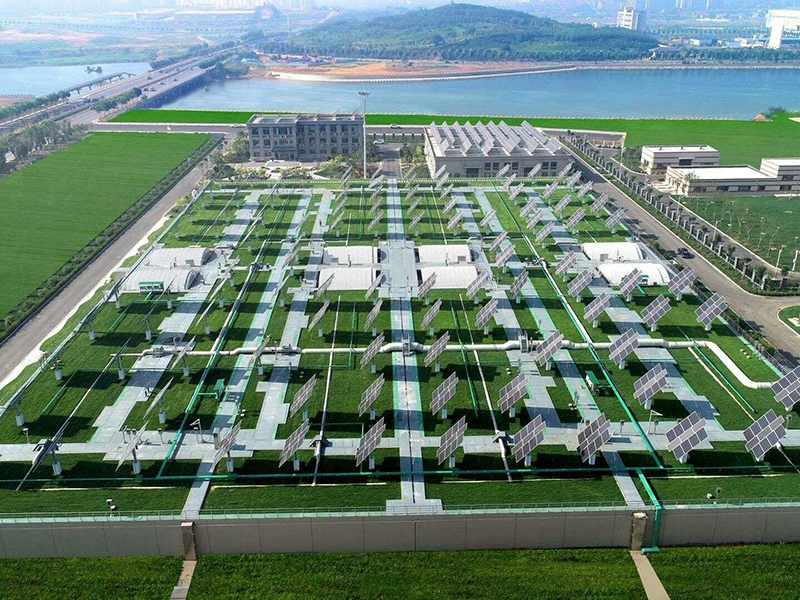
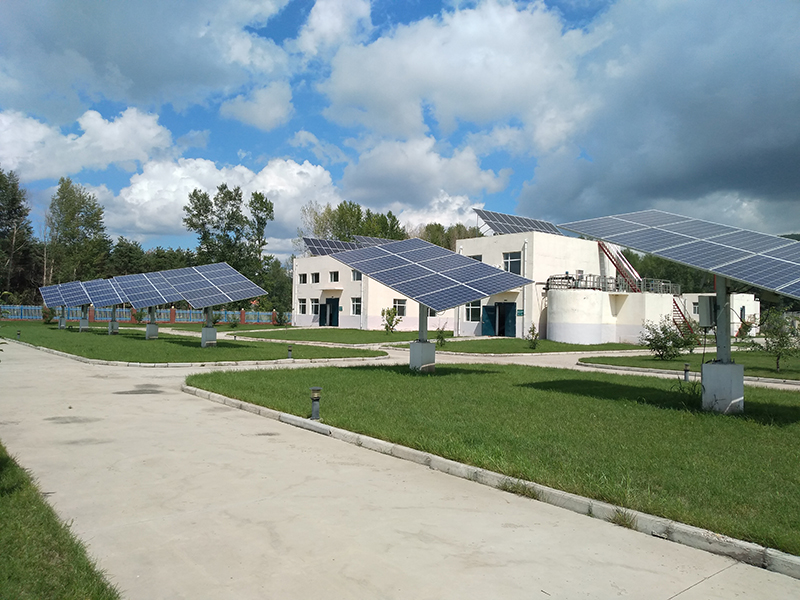
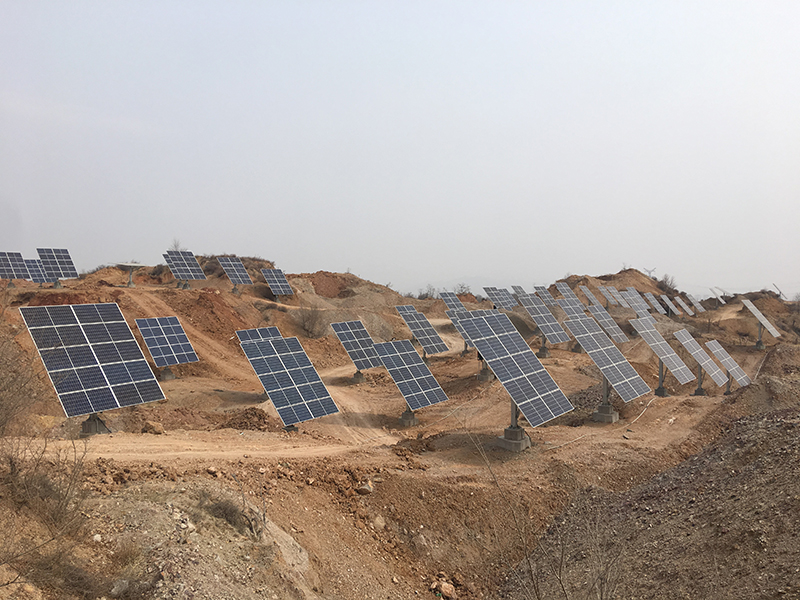
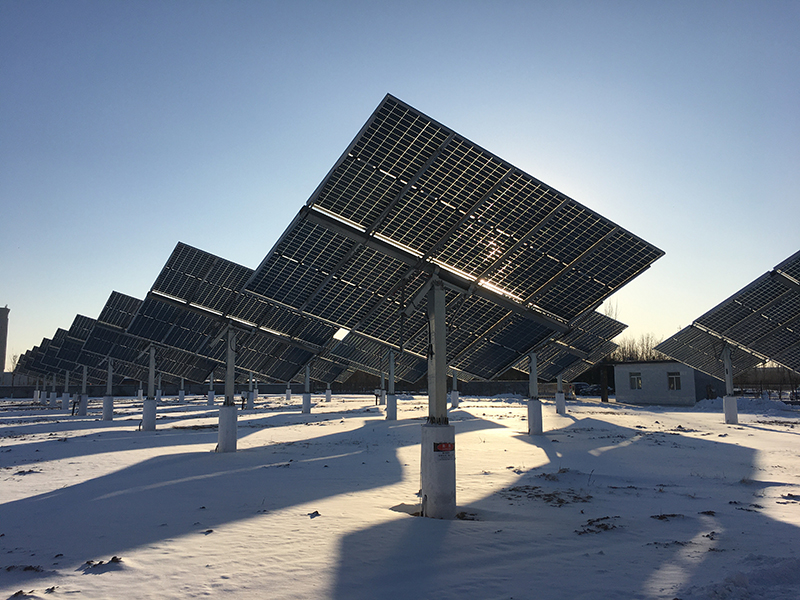
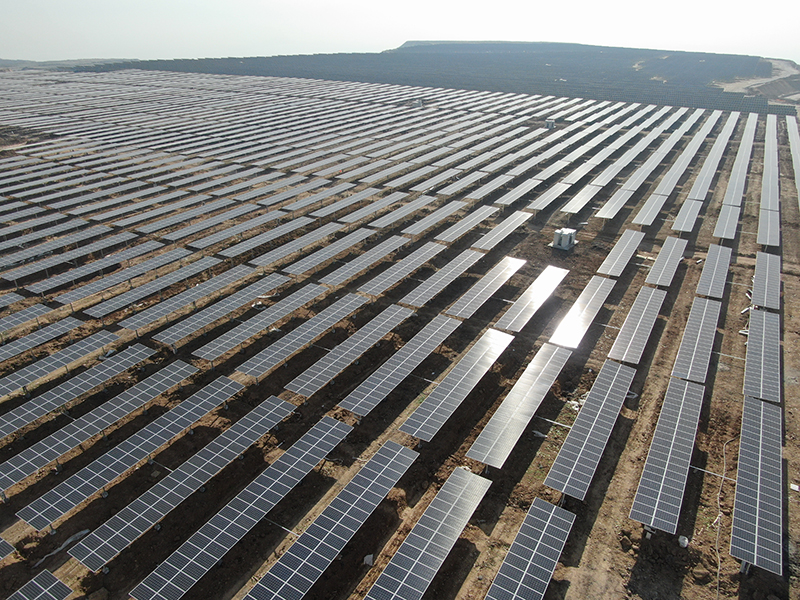
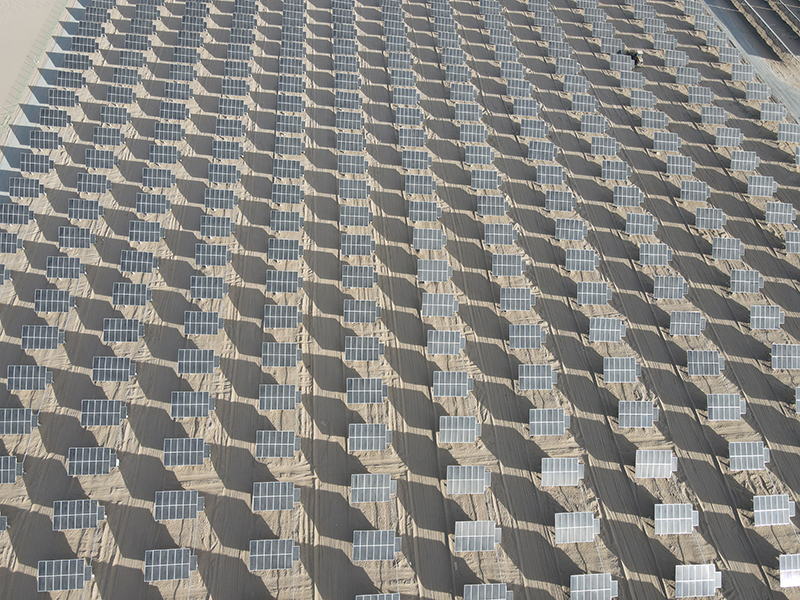
Showcasing our tracking systems operating across deserts, mountains, industrial roofs, and utility grids.
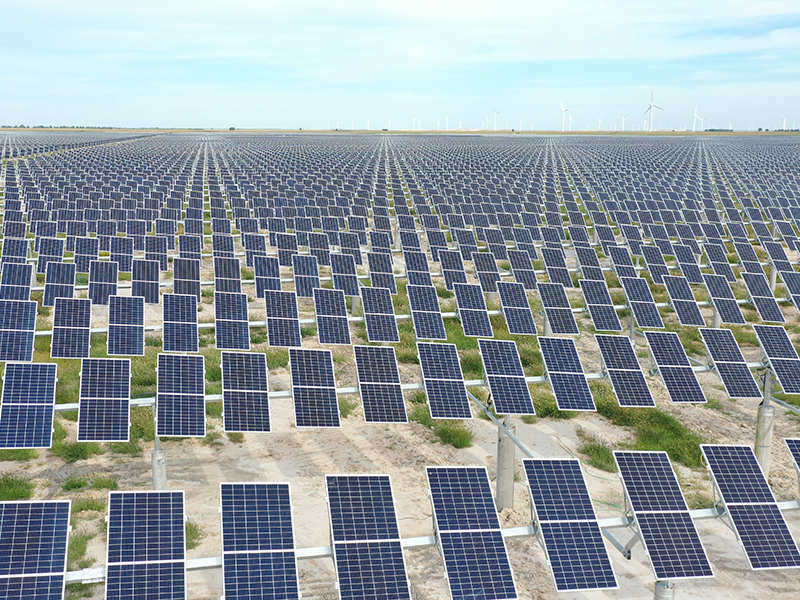
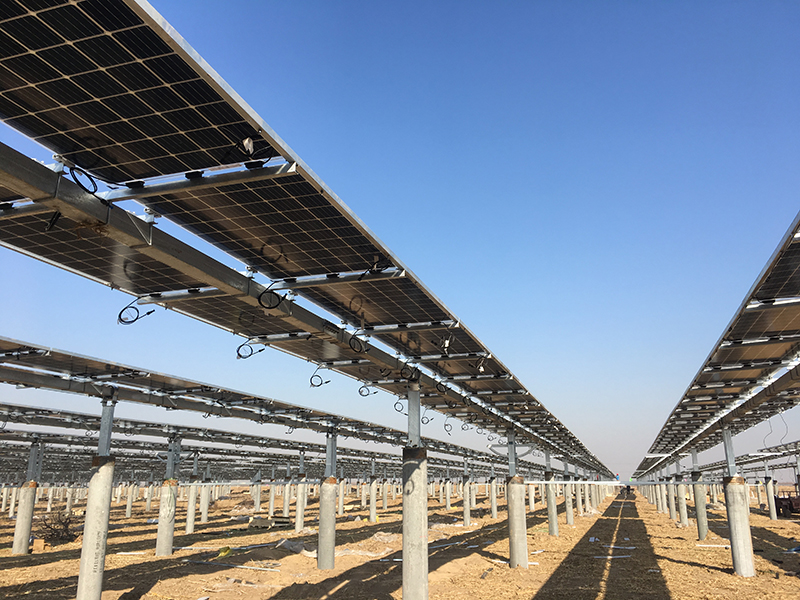
Key risk-mitigation factors when evaluating Single Axis trackers from China manufacturers.
Ensure the manufacturer provides static and dynamic wind tunnel test reports. High wind speeds can cause structural flutter and torsional dynamic instability in single-axis trackers. Standard systems must feature a smart stow control algorithm that automatically transitions the arrays to a safe angle (commonly 0° or 45° depending on structure) when wind speeds exceed 22m/s.
Verify that the Tracker Control Unit (TCU) uses astronomical algorithms integrated with real-time closed-loop inclinometer feedback. Modern trackers utilize AI backtracking systems to prevent adjacent panels from shadowing each other during early morning and late afternoon hours, optimizing power production in diffuse sunlight conditions.
Site grading can drive civil construction costs up. Selecting a tracker system with high north-south slope adaptability (up to 15%) minimizes ground preparation expenses. Look for multi-point drive systems if tracking long spans (up to 120 modules per tracker) to minimize torsional structural wear.
For seaside or high-humidity installations, standard Q355B structural steel must be hot-dip galvanized to a minimum thickness of 80 microns. Alternatively, purchasing Pre-Galvanized Zinc-Aluminum-Magnesium (ZAM) structural sections offers self-healing edge corrosion characteristics, crucial for wet agricultural projects.
Our solar tracking and mounting systems have passed the most demanding international tests.


Deep-dive engineering answers regarding installation, design limits, tracking mechanisms, and operation.
Premium tracking setups for EPC bidding cycles, complete with structural documentation and full manufacturing support.
Premium tracking configurations for terrains with structural slope constraints and high localized albedo profiles.
Learn More
Dual-axis control tracking both horizontal and vertical solar azimuth angles, ideal for high solar irradiance locations.
Learn More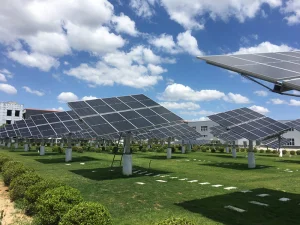
Full dual tracking axis structures providing high generation gains, engineered for premium-grade solar parks.
Learn More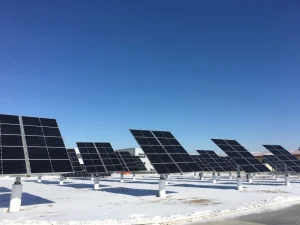
Designed for maximized solar harvesting efficiency, ensuring continuous production under diverse climates.
Learn More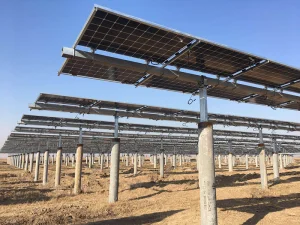
Competitively priced commercial solar tracking arrays featuring astronomical algorithms and multi-row linkages.
Learn More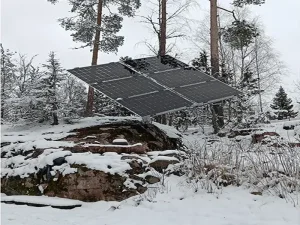
Advanced dual-axis rotation designed to unlock full solar irradiance yield potential for commercial sites.
Learn More
Innovative 1P layout optimization providing low cost, simplified installation, and exceptional reliability in standard terrain layouts.
Learn More
2-row linked tracker setup optimizing modules utilization per linear structure, delivering up to 30% yield gain over fixed solutions.
Learn MoreWatch our single axis and dual axis trackers in operation, showcasing real-world performance.
 Zhaori