The global shift toward renewable energy has necessitated a paradigm change in how solar energy is harvested. While fixed-tilt systems were once the industry standard, the demand for higher Levelized Cost of Energy (LCOE) optimization has propelled the Roof Mounted Solar Tracker into the mainstream of commercial and industrial (C&I) applications. As a leading manufacturer, Shandong Zhaori New Energy Tech. Co., Ltd. recognizes that efficiency gains of 15% to 40% are no longer optional—they are critical for project feasibility in high-cost energy markets.
Today's industrial landscape demands smart, data-driven hardware. The integration of AI-powered backtracking algorithms and real-time irradiance sensors allows modern tracking systems to mitigate shading and optimize performance during diffuse light conditions. This whitepaper explores the technological roadmap of solar tracking, from single-axis stability to the precision of dual-axis systems, providing a macro-view of the solutions reshaping global energy infrastructure.
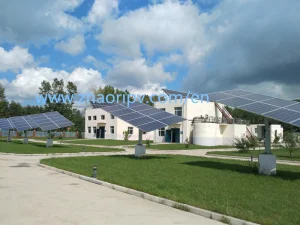
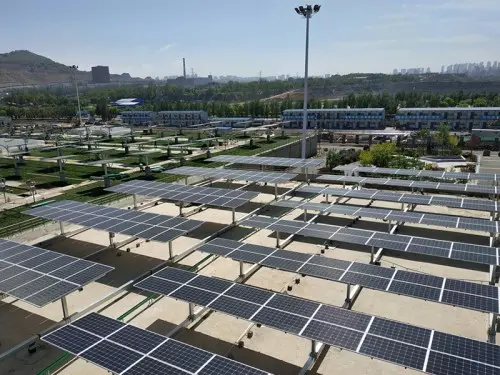
C&I sectors in North America and Europe are increasingly adopting trackers to offset peak demand charges, turning rooftops into dynamic power plants.
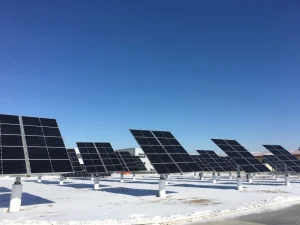
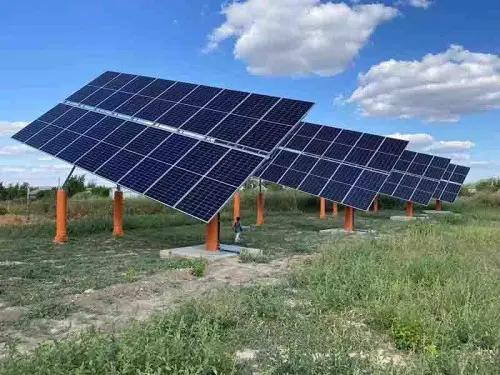
Dual-axis trackers maximize energy density, producing up to 40% more yield per square meter compared to traditional static mounting systems.
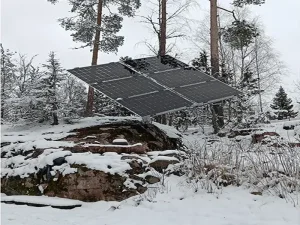
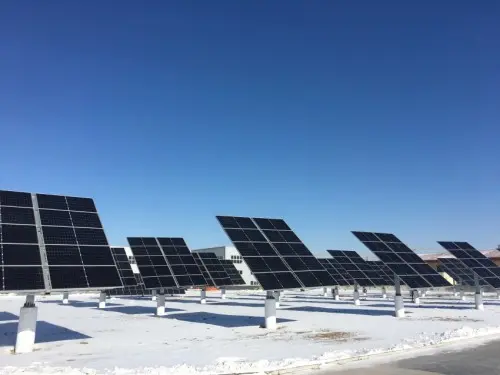
Engineering for extreme environments—from desert heat to heavy snow—ensures a 25-year operational lifespan with minimal maintenance overhead.
Founded in June 2012, Shandong Zhaori New Energy Tech. Co., Ltd. has established itself as a high-tech cornerstone in the new energy sector, built upon a foundation of independent intellectual property rights. With a specialized team of over 60 professional technology talents, we have dedicated over a decade to the R&D of photovoltaic power stations and solar tracking technology.
Our operational structure includes 10 dedicated departments, encompassing R&D, Quality Assurance, and I.M.D. (Innovation, Manufacturing, Design). This holistic approach ensures that every tracker leaving our facility meets the rigorous standards required by global EPC contractors and utility developers.
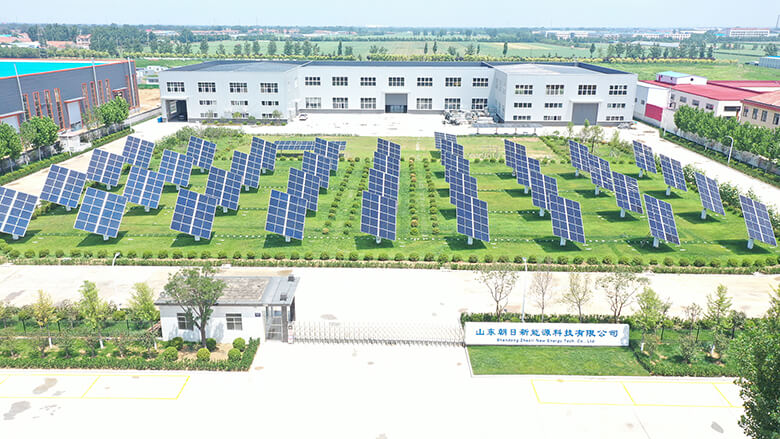
Our factory operates with high-tier industrial automation, including CNC machine tools, laser cutting machines, and automatic welding robots. The production process—from raw material screening to anti-rust treatment and final packaging—is governed by a strict quality management system (TUV, CE, ISO certified).
Core Product Philosophy: More Simple, More Reliable, More Effective. We prioritize reducing the number of moving parts to decrease potential failure points while maximizing the precision of the solar trajectory tracking.
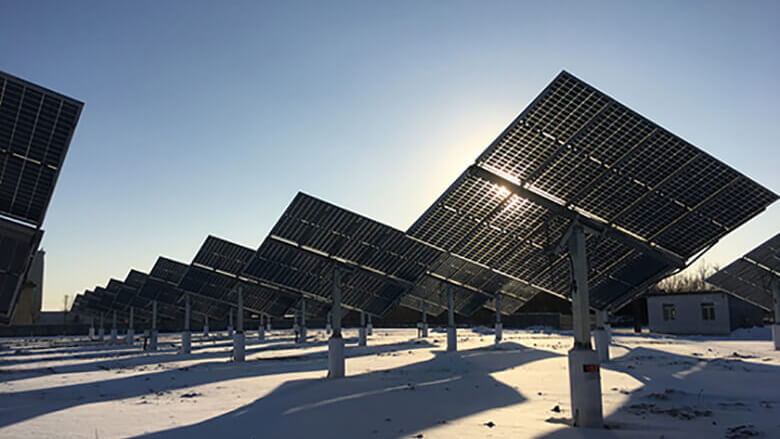
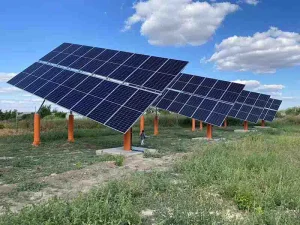
The pinnacle of our R&D, utilizing a dual-axis mechanism to track both azimuth and altitude angles. Designed for maximum solar harvest in residential and commercial settings.
Features a 10°– 30° tilted axis, providing a balanced cost-to-performance ratio with a 15%-25% generation increase.
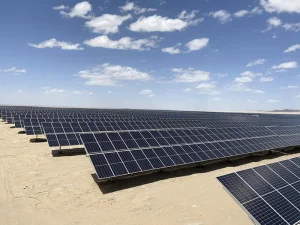
Optimized for bifacial modules, this system supports 10–60 panels per row, ideal for large-scale utility projects where ground or roof space is at a premium.
As the industry matures, three key trends are defining the future of roof-mounted and ground-mounted trackers:
Focus on IoT sensor integration for predictive maintenance and remote monitoring via cloud platforms.
Transitioning to high-strength, lightweight carbon composites to reduce roof load while maintaining structural integrity.
Fully autonomous tracking systems that require zero manual calibration, using GPS-free celestial positioning algorithms.
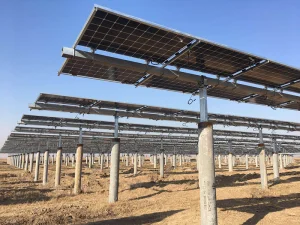
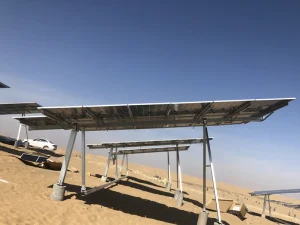
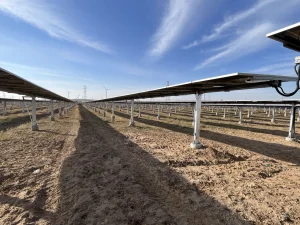
From the deserts of Central China to snow-laden northern regions, our systems are field-tested and proven.

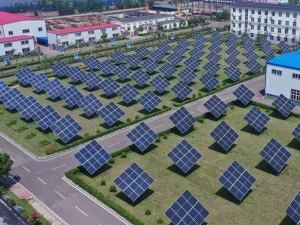
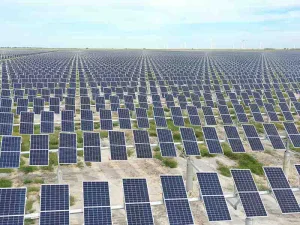
5MW Utility Project
Location: North China
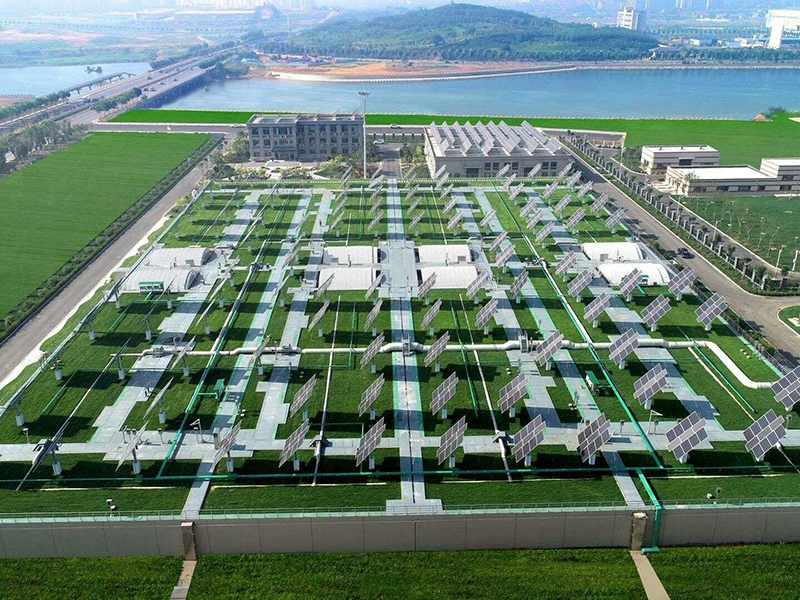
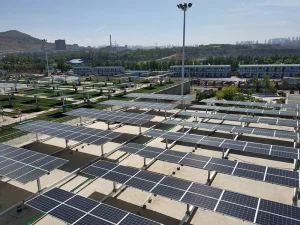
C&I Factory Project
Dual Axis Integration
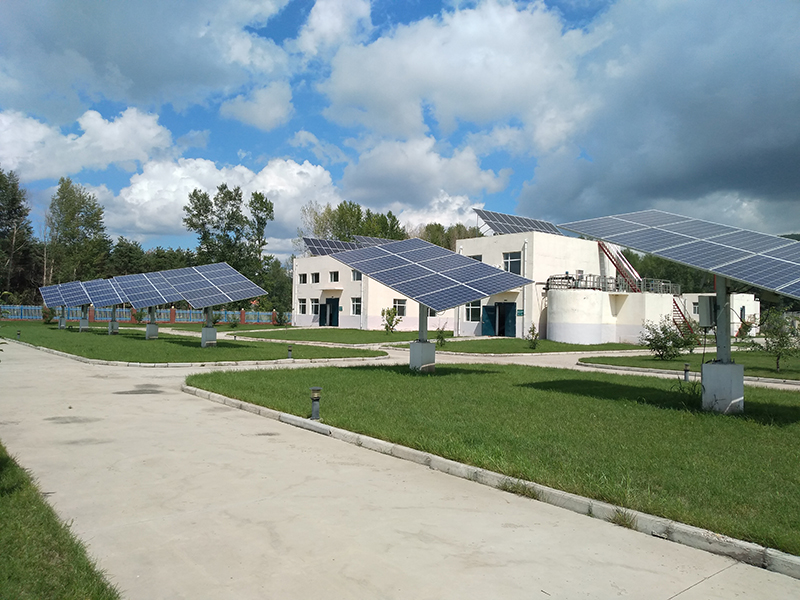
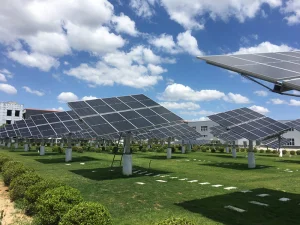
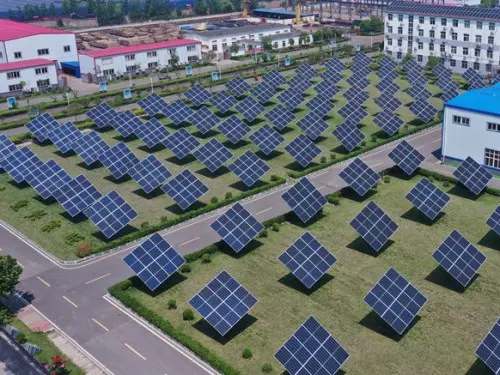
Green Belt Solar
Urban Sustainability
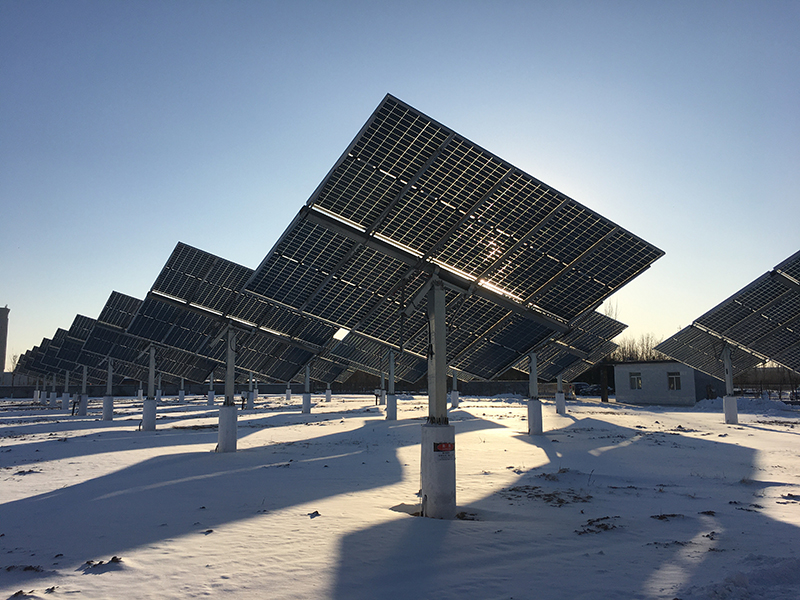
Snow-Load Performance
Post-Snow Performance Test
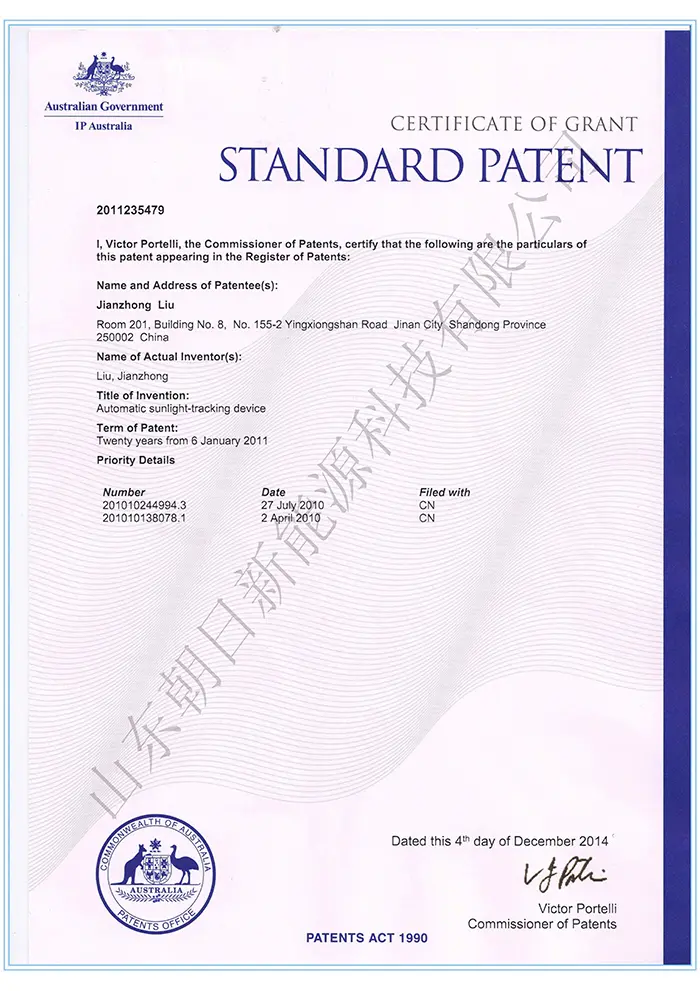
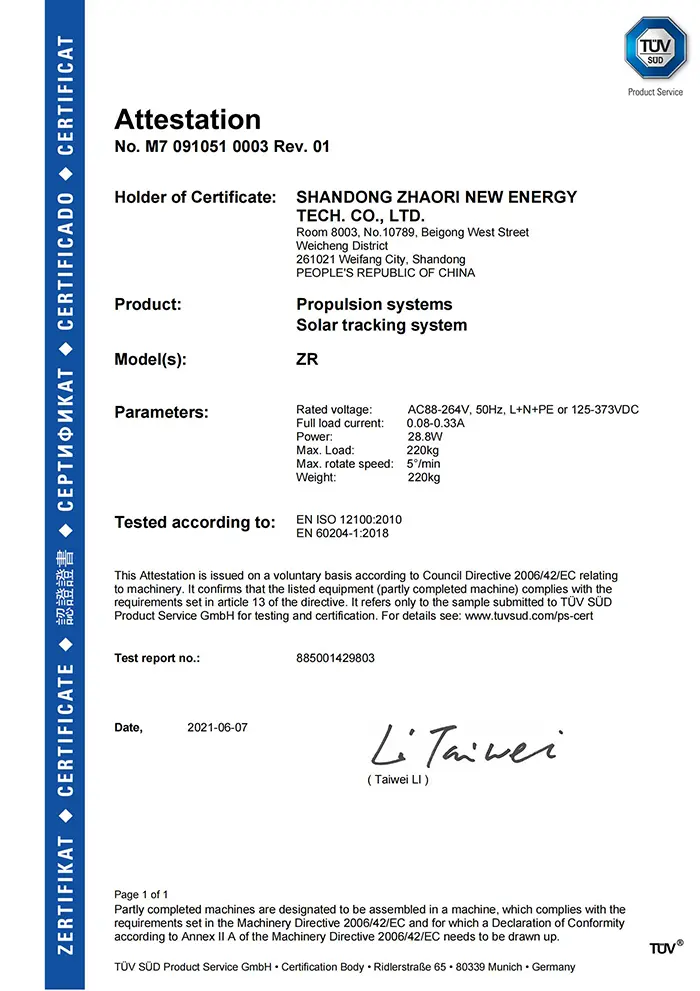
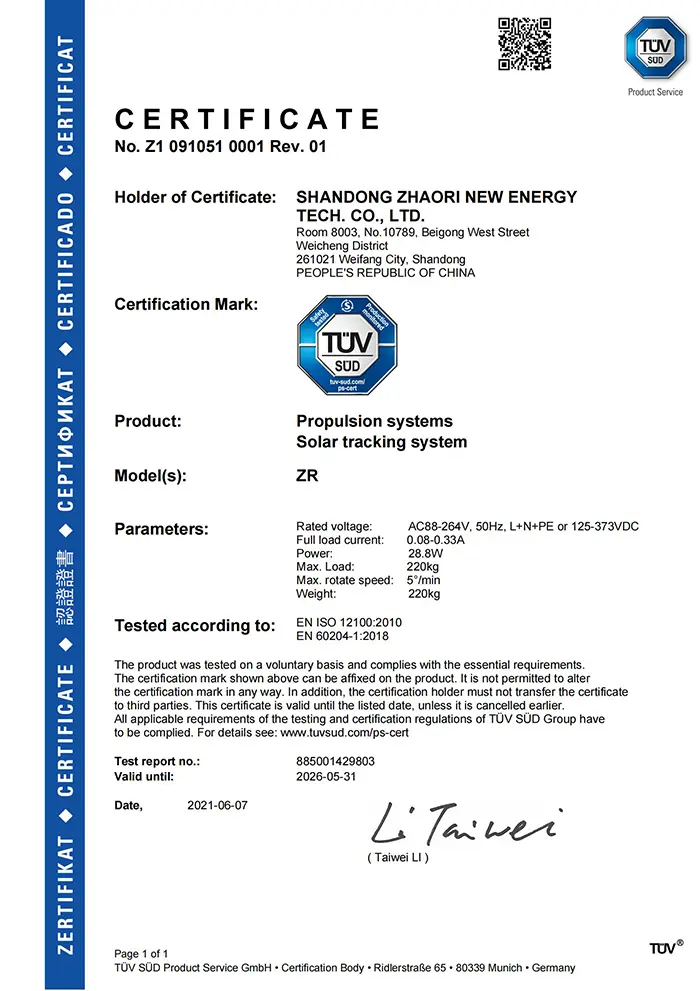
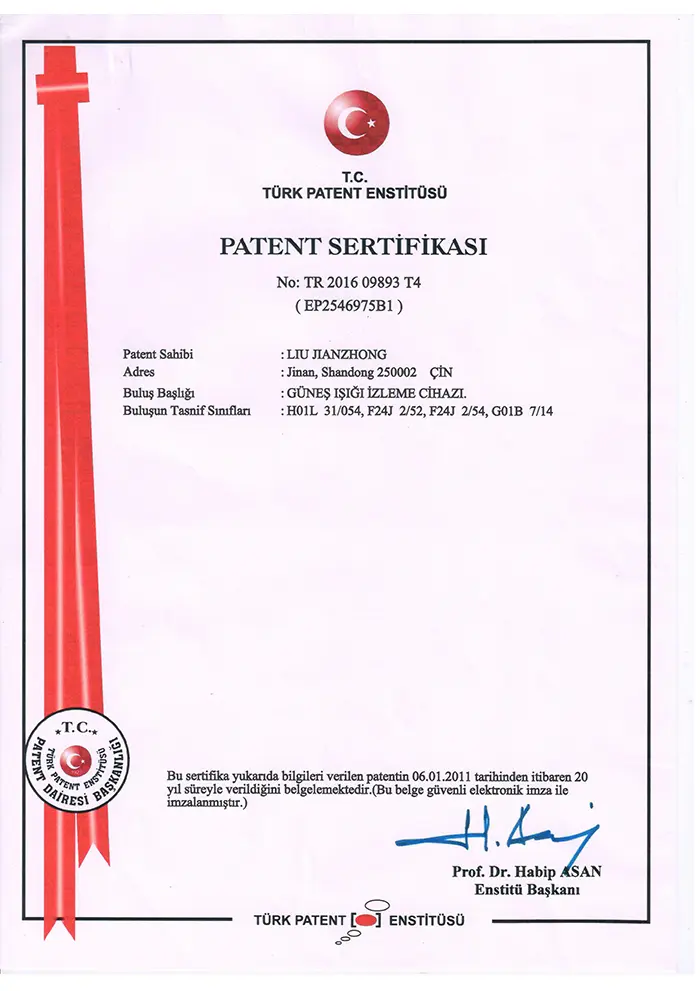
Our innovations are protected by global patents including the Europe Patent Office, United States, Canada, and Japan, alongside 8 Chinese National Invention Patents. This intellectual property represents our commitment to providing unique, high-efficiency solutions that cannot be replicated by low-quality imitators.
 Zhaori