In the rapidly transforming global energy landscape, the quest for higher ROI in photovoltaic (PV) installations has shifted from passive panel improvements to active, intelligent structural solutions. Buying a one-axis solar tracking system is no longer just a technical upgrade; it is a strategic economic decision for utility-scale and commercial project developers.
Unlike fixed-tilt systems, a single-axis tracker rotates PV modules along one axis—typically North-South—to follow the sun's East-West path. This fundamental shift in geometry allows modules to capture significantly more direct solar radiation throughout the day, increasing energy yield by up to 25% to 30% in optimal conditions.
By maintaining a more perpendicular angle to the sun, 1-axis trackers maximize the "cosine effect," ensuring peak power production for longer durations than stationary racks.
Modern 2P (two panels in portrait) single-axis trackers are specifically designed to minimize back-side shading, unlocking the full potential of bifacial modules for an extra 5-10% gain.
While the initial CapEx is higher, the massive increase in kWh production significantly lowers the Levelized Cost of Electricity (LCOE), accelerating the project's payback period.
Monthly Capacity
Production Gain
Utility Patents
Years R&D Exp
Shandong Zhaori New Energy Tech. Co., Ltd. is a high-tech and new energy company based on independent intellectual property rights. Our company was founded in June 2012 and we have 10 departments including R&D, technical, engineering, production, quality assurance, and foreign trade. With more than 60 professional technology talented employees, our team has focused on photovoltaic power stations and solar tracking technology for more than 10 years.
Our factory covers an area of 50,000 square meters, equipped with advanced CNC machine tools, laser cutting machines, automatic welding robots, and plasma machines. With a production capacity of 500MW per month, we ensure that every product—from raw material screening to final packaging—meets the highest international standards.
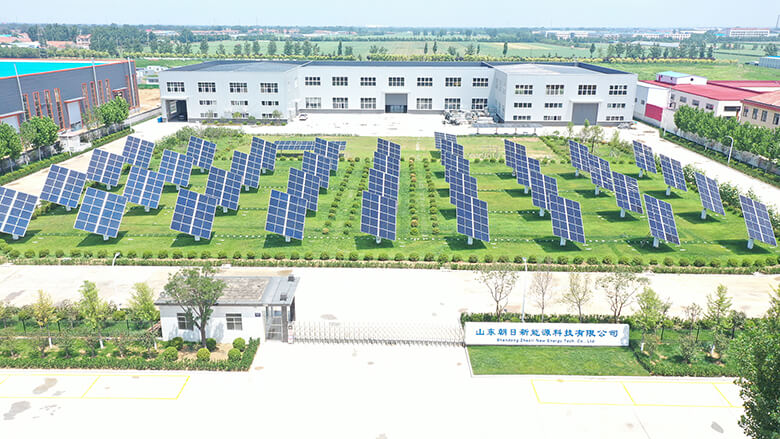
The global solar supply chain is centered in China, and for One Axis Solar Tracking Systems, the advantages go beyond just unit price. Procurement managers from Europe, the Americas, and MENA regions choose Chinese suppliers for several critical reasons:
Chinese factories like Zhaori Solar are situated in industrial clusters where steel sourcing, galvanization, and electronics manufacturing coexist. This reduces logistics costs and lead times significantly.
With dozens of utility model patents and continuous iterations on AI-driven tracking algorithms, Chinese suppliers offer the latest "Backtracking" technology to prevent row-to-row shading during low sun angles.
Whether it's a 1MW commercial roof project or a 360MW desert utility plant, the infrastructure in Shandong allows for rapid scaling that few other regions can match.
A "one size fits all" approach does not work in solar tracking. Environmental variables dictate the structural requirements of your tracking system.
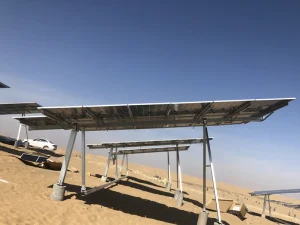
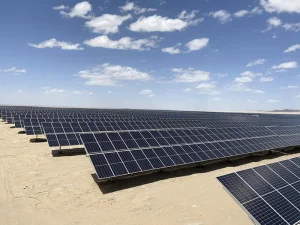
Our 20MW and 360MW projects in desert terrains utilize high-torque actuators and dust-resistant sensors to maintain precision in harsh, sandy environments.
For slope-heavy sites, our tilted single-axis systems (ZRT-16) allow for better land utilization and higher yield where flat trackers might fail.
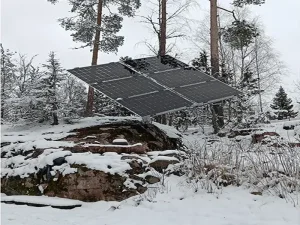
Equipped with "Snow Mode," our trackers can tilt to extreme angles to shed snow load, preventing structural damage and ensuring rapid recovery of production after a storm.
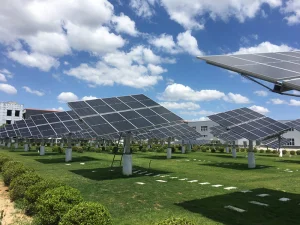
The high clearance of our 1P and 2P trackers allows for farming underneath the panels, maximizing the economic value of every square meter of land.
Understanding the technical nuances is key to evaluating the One Axis Solar Tracking System Pricelist. Pricing is generally influenced by the steel weight, driving mechanism (slew drive vs. linear actuator), and the sophistication of the controller.
| Model | Type | Tracking Range | Yield Gain | Best Application |
|---|---|---|---|---|
| ZRP Flat 1P | Horizontal Single Axis | ±60° | 15% - 25% | Large-scale Utility, Flat Terrain |
| ZRP Flat 2P | Horizontal Single Axis | ±60° | 20% - 30% | Bifacial Modules, Limited Space |
| ZRT-16 | Tilted Single Axis | Custom Tilted Angle | 15% - 25% | Higher Latitudes, Mountains |
| ZRD Series | Dual Axis Tracker | 360° Azimuth / 0-80° Elev | 30% - 40% | Concentrated PV, Research, High ROI |
Standard 1-axis tracking systems typically range from $0.03 to $0.06 per watt depending on the project size and wind load requirements. Requesting a quote should include:
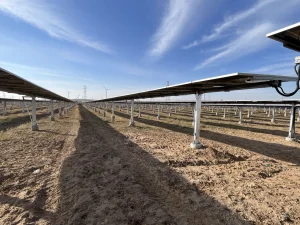
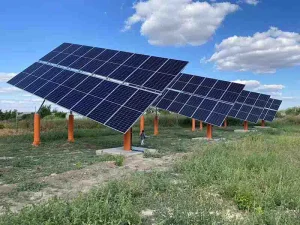
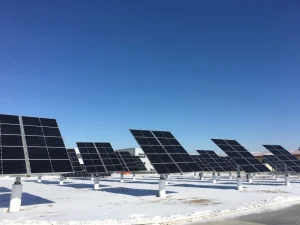
Reliability is proven in the field. Our systems have been deployed across diverse climates, from the freezing mountains of North China to the scorching deserts of Central China.
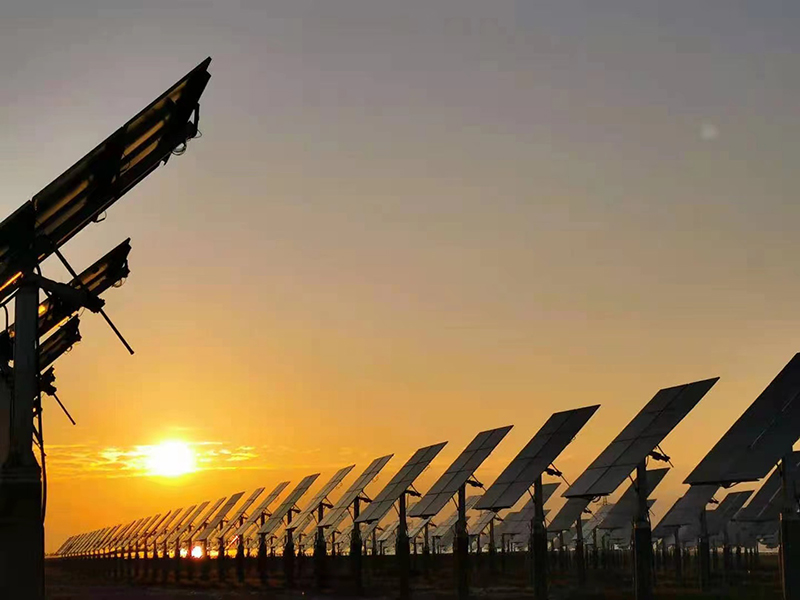
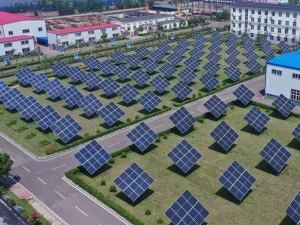
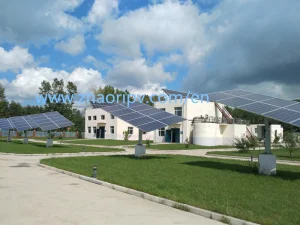
5MW Dual Axis - North China
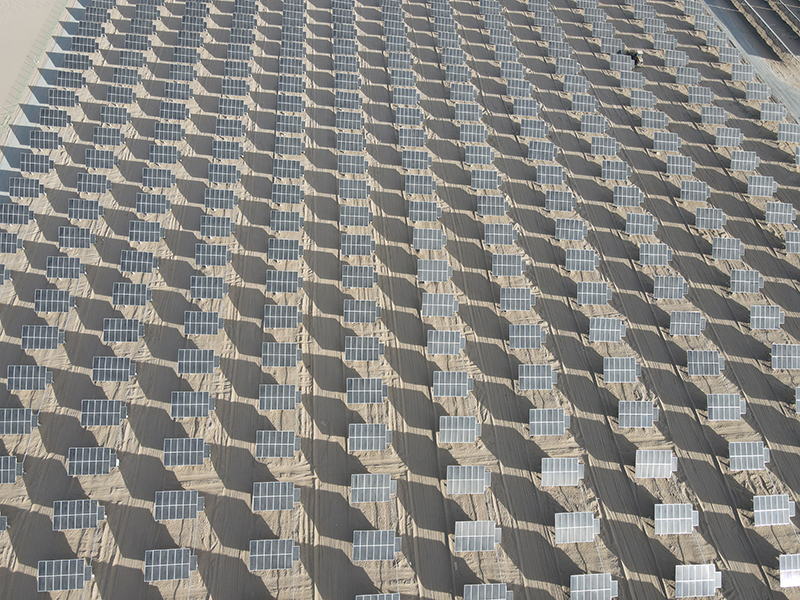
20MW Tilted Single Axis - Desert
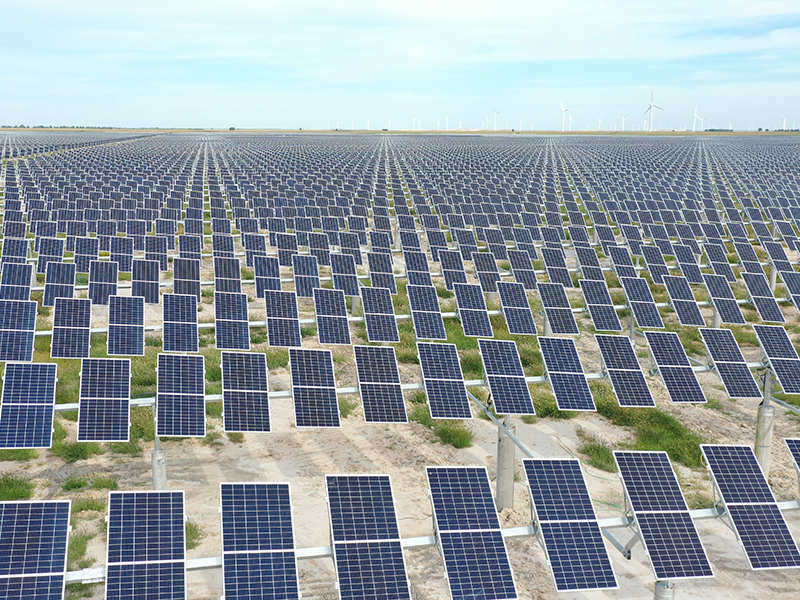
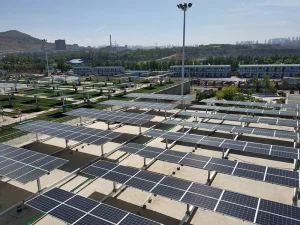
40MW Flat Single Axis - Inclined Module
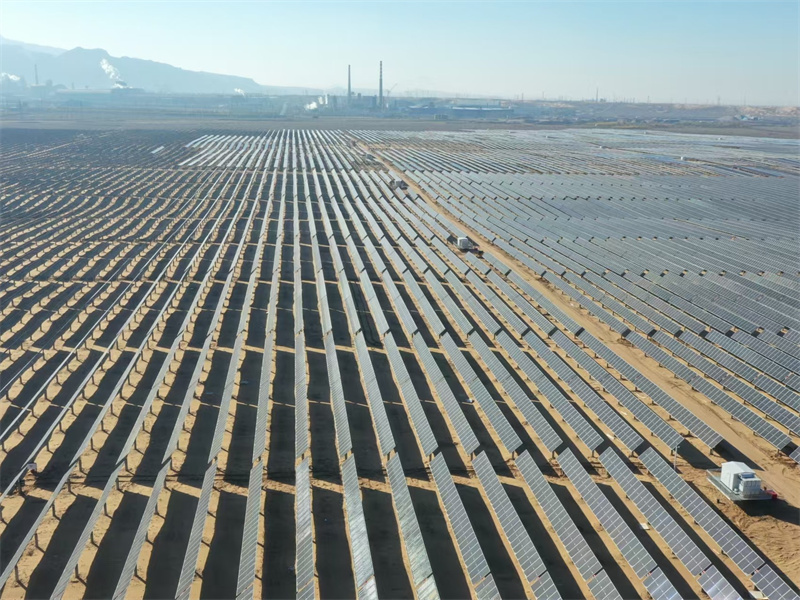
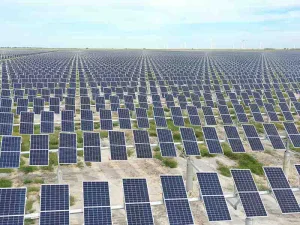
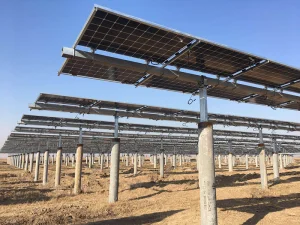
360MW Single Axis Tracker - Large Utility
Proven Under Pressure: "Our products have obtained patents of invention from Europe, USA, Canada, Australia, Japan, and more, as well as TUV, CE, and ISO certification."
Our systems are designed for a 25-year operational life, matching the lifespan of high-quality PV modules. The structural components are hot-dip galvanized for superior corrosion resistance.
All Zhaori trackers feature an automated "Stow Mode." When wind sensors detect speeds exceeding a set threshold (e.g., 18m/s), the system automatically moves to a horizontal position to minimize wind load.
Absolutely. Our 2P flat single-axis designs are optimized for bifaciality, using specialized mounting rails that ensure the back of the panel remains unobstructed for maximum albedo capture.
A slew drive offers high torque and 360-degree potential, often used in dual-axis systems. Linear actuators are highly efficient and cost-effective for the specific range of motion required by one-axis trackers.
The system is fully autonomous, utilizing astronomical algorithms combined with GPS sensors to track the sun without human intervention. Remote monitoring via SCADA is also available.
 Zhaori