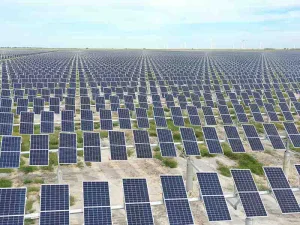
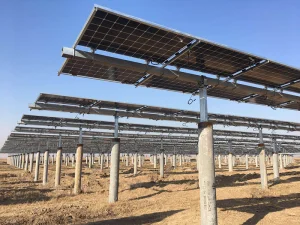
As the global energy landscape transitions towards a carbon-neutral future, the efficiency of photovoltaic (PV) assets has become the primary metric for investor ROI. Standard fixed-tilt systems are increasingly viewed as legacy technology in high-latitude regions or space-constrained utility projects. Dual-axis trackers represent the pinnacle of PV structural engineering, offering 3D orientation that follows the sun’s exact trajectory across the celestial dome.
At Shandong Zhaori New Energy Tech. Co., Ltd., we don't just manufacture brackets; we engineer performance. Since our founding in June 2012, we have integrated intellectual property with industrial prowess. Our team of over 60 professional technology talents focuses on a singular goal: reducing the Levelized Cost of Energy (LCOE) through precision tracking. With dual-axis systems like our ZRD-10 and ZRD-08, power generation can be increased by 30% to 40% compared to fixed systems, depending on the geographic location.
Years Experience
Monthly Capacity
Patents Owned
Tech Experts
The future of dual tracking lies in the marriage of mechanical robustness and software intelligence. Our current roadmap focuses on three core pillars:
Integration of real-time astronomical data and cloud-based weather forecasting. Our trackers use backtracking algorithms to prevent row-to-row shadowing during dawn and dusk, maximizing gain even in diffuse light conditions.
LoRa/ZigBee wireless communication allows each tracker to be a node in a massive industrial IoT network. Real-time diagnostic sensors monitor motor health, wind speeds, and structural stress.
Dual-axis trackers are uniquely suited for bifacial modules. By elevating the modules and allowing for 360-degree orientation, we harvest albedo radiation that traditional single-axis systems miss.
Our 50,000 square meter facility in Shandong is a testament to modern industrial capacity. We utilize automatic welding robots and CNC laser cutting machines to ensure tolerances within millimeters. This precision is critical; a dual-axis tracker must survive 25 years of outdoor exposure to extreme wind and snow.
Supply Chain Advantage: By centralizing raw material screening, hot-dip galvanizing, and final assembly, we mitigate the risks of global logistics volatility. Our 500MW per month capacity ensures that even the largest utility-scale projects are delivered on time, every time.
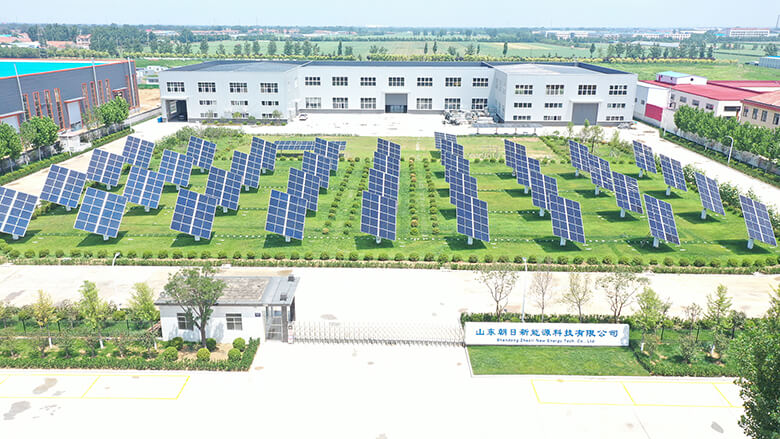
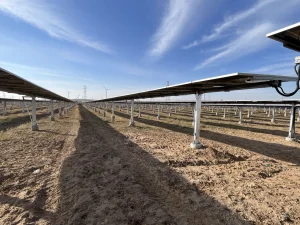
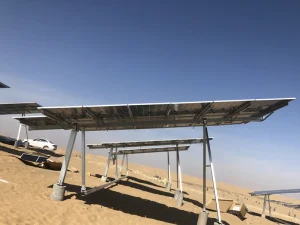
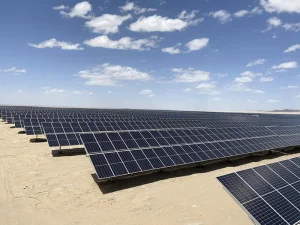
20MW to 500MW+ projects in desert or mountain terrain. Our ZRD series excels where land is expensive but irradiance is high.
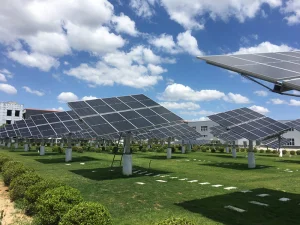
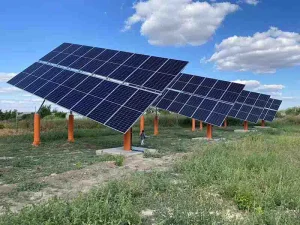
Elevated dual-axis trackers allow for agricultural machinery to operate underneath, creating a dual-income stream from energy and crops.
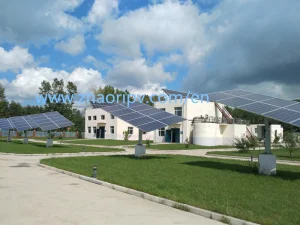
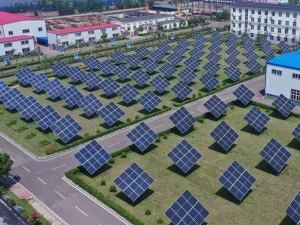
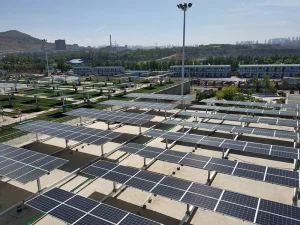
High-efficiency tracking for corporate campuses looking to hit RE100 targets with limited roof or ground space.
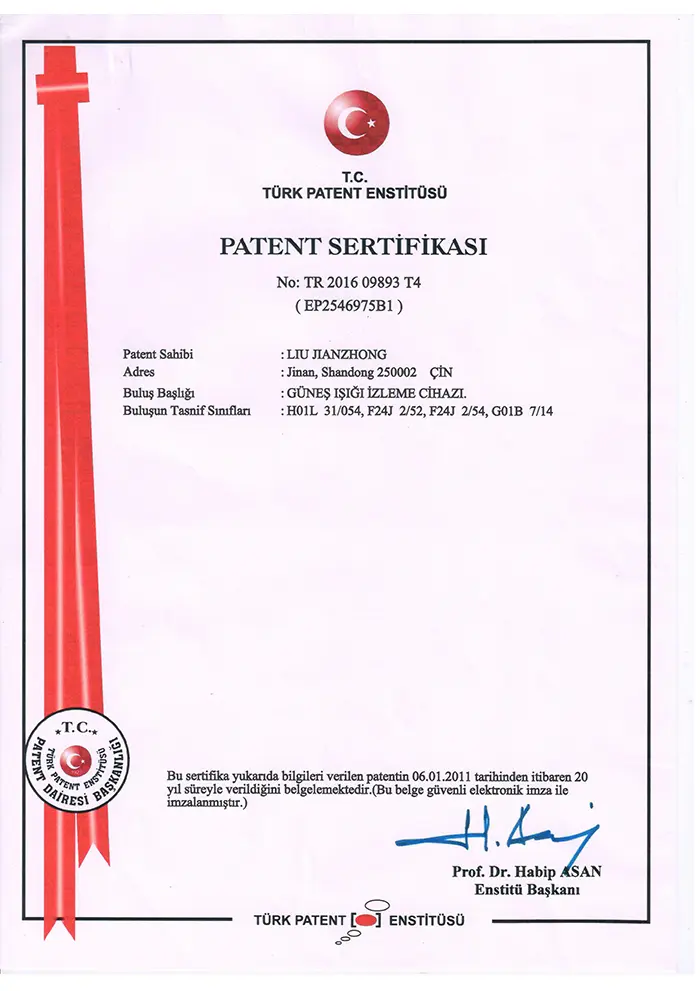
Procuring dual trackers requires trust in long-term reliability. Shandong Zhaori Solar holds patents in the United States, Canada, Europe, Australia, Japan, and India. We comply with TUV, CE, and ISO standards, ensuring our products are bankable for international project financing.
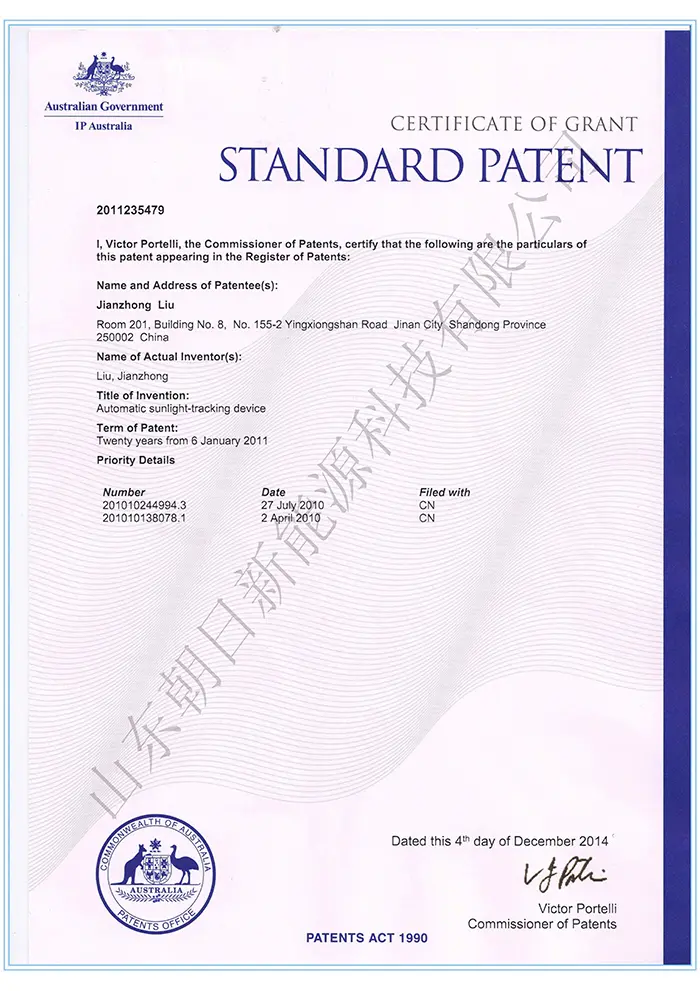
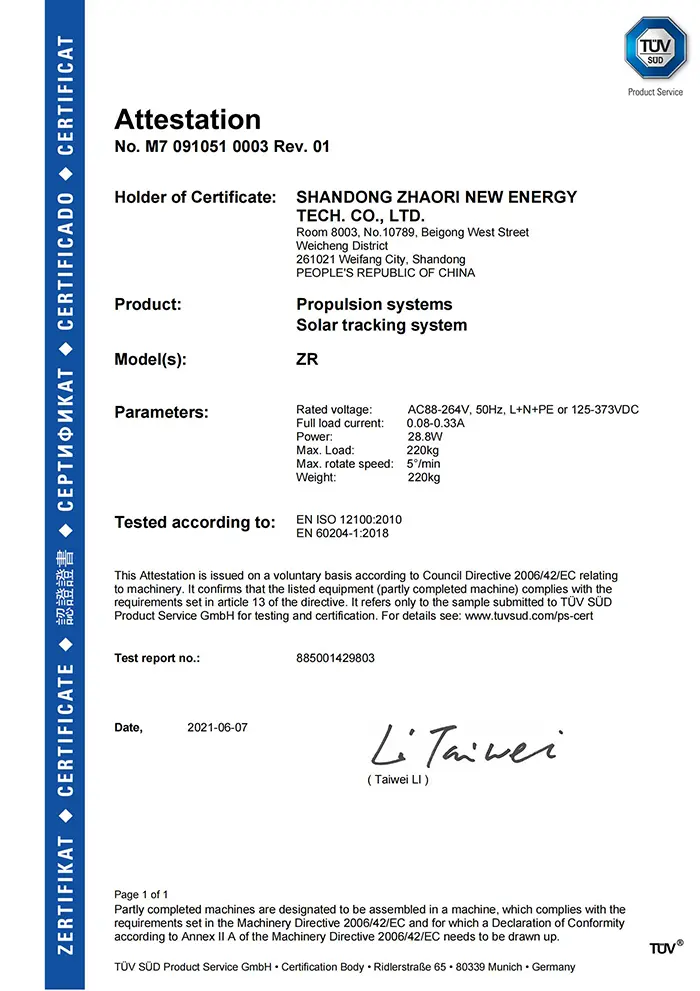
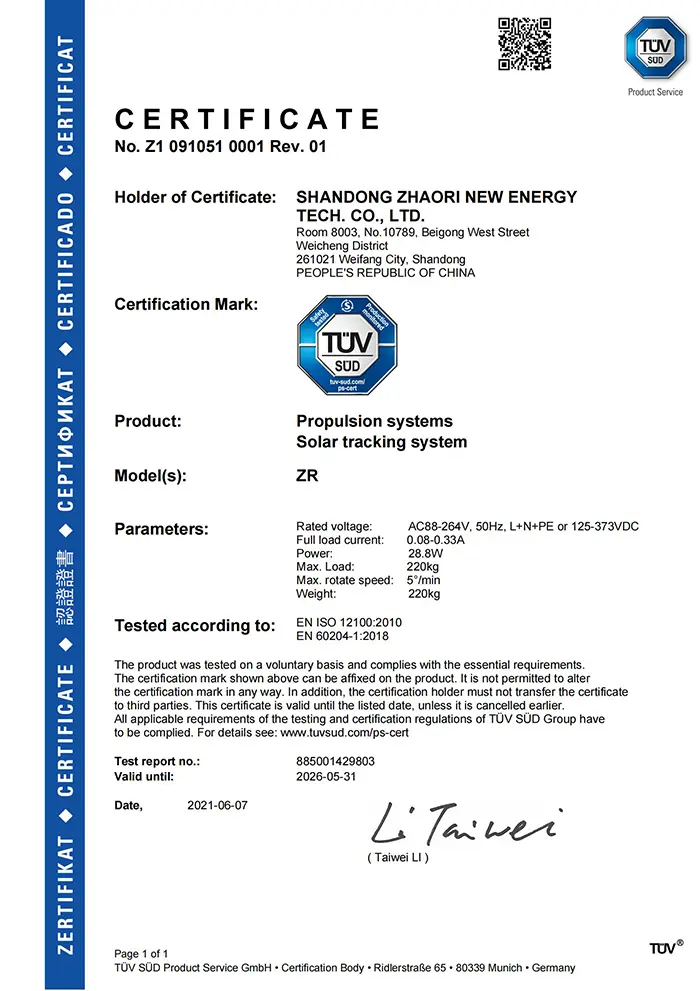
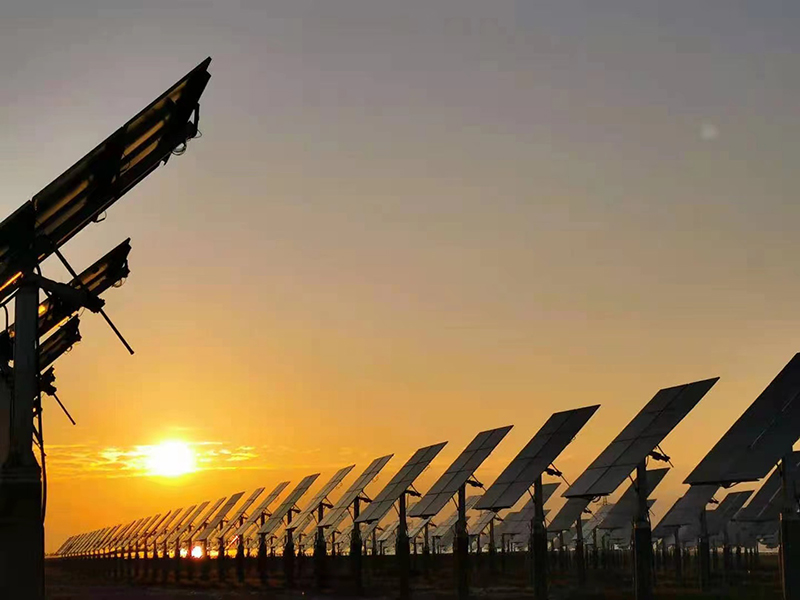
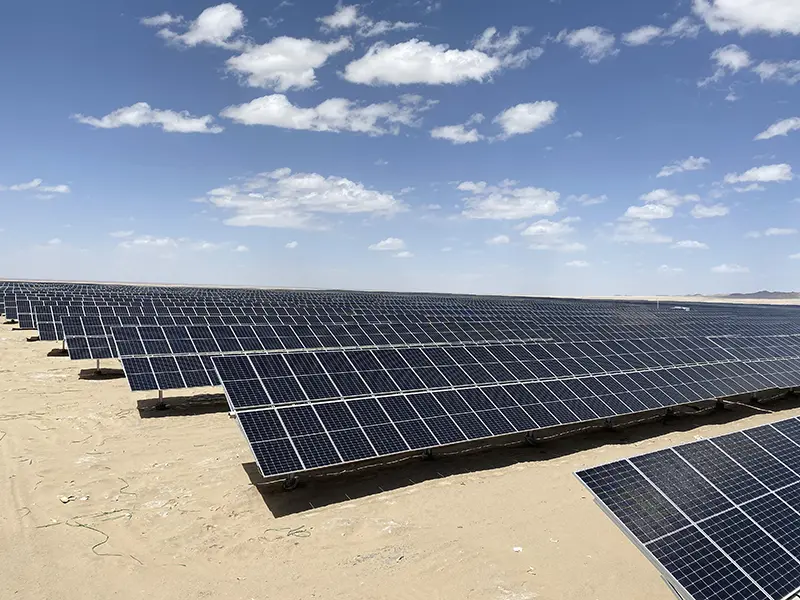
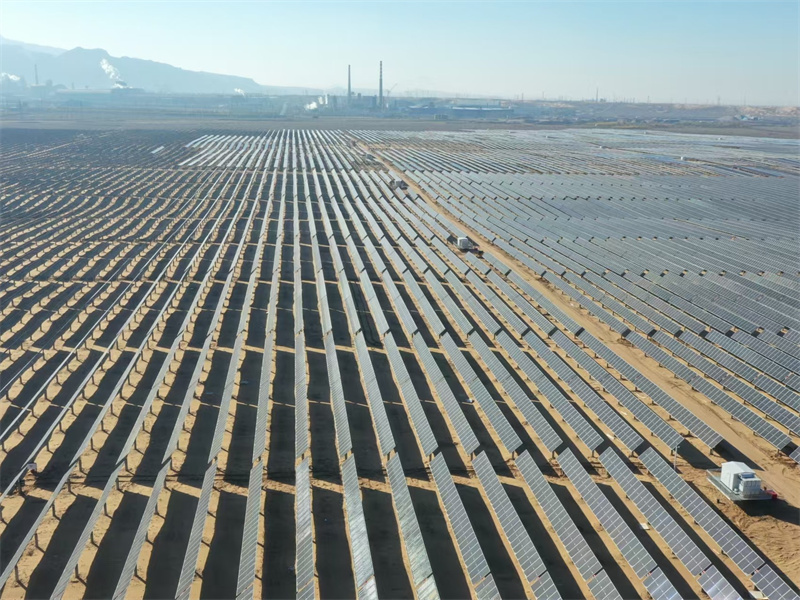
A Dual-Axis tracker adjusts for both azimuth (horizontal) and altitude (vertical) angles. This allows the panels to be perfectly perpendicular to the sun's rays all day, resulting in 15-20% more power generation than single-axis systems and up to 40% more than fixed systems.
We use high-strength Q235B/Q355B steel with hot-dip galvanization (80μm+ thickness) to resist corrosion for 25+ years. Our designs are wind-tunnel tested to survive gale-force winds.
With our ZRD series, we have simplified the mechanical drive systems. Smart lubrication systems and brushless motors reduce O&M costs significantly. The increased energy yield far outweighs the marginal maintenance difference.
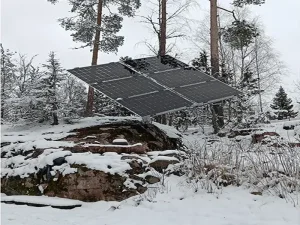
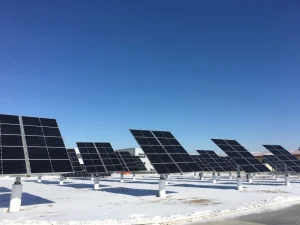
Yes. Our "Snow Mode" allows the dual-axis tracker to tilt to a steep angle, shedding snow automatically to prevent structural overload and restore production immediately after a storm.
 Zhaori