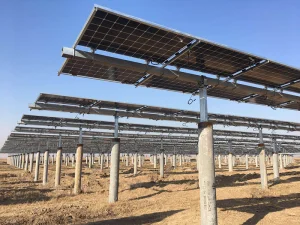
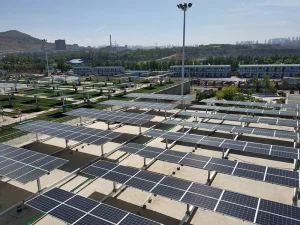
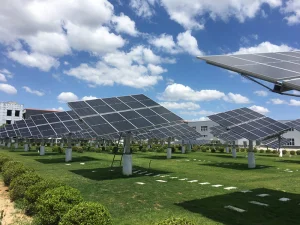
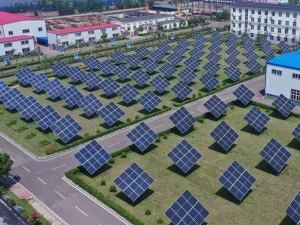
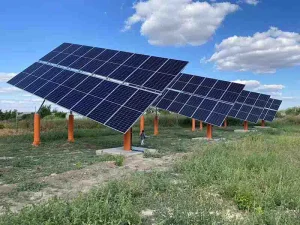
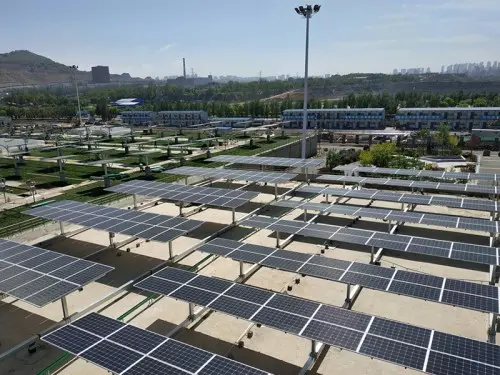
As the global energy transition accelerates, the demand for high-efficiency PV mounting systems has shifted from static frames to intelligent tracking. 2-axis solar trackers represent the pinnacle of this evolution.
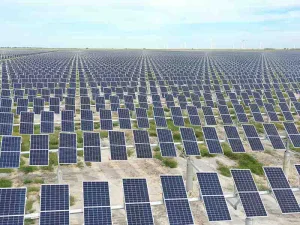
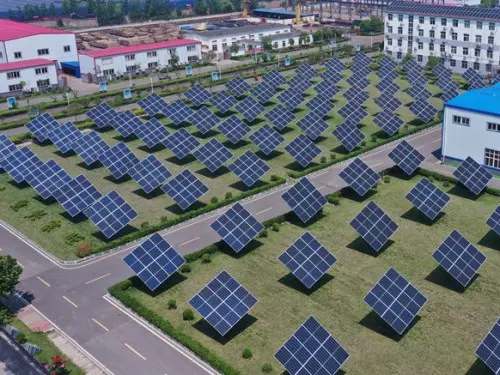
Currently, utility-scale projects in the MENA region, Australia, and North America are increasingly adopting dual-axis tracking to mitigate the LCOE (Levelized Cost of Energy). By following both the azimuth and elevation of the sun, these systems maintain a perpendicular angle to solar rays throughout the entire day.
China has become the global hub for solar tracking exports due to a mature supply chain. Factories like Shandong Zhaori New Energy leverage CNC automation and robotic welding to provide premium hardware at a 20-30% lower cost than European counterparts, without compromising on TUV/CE standards.
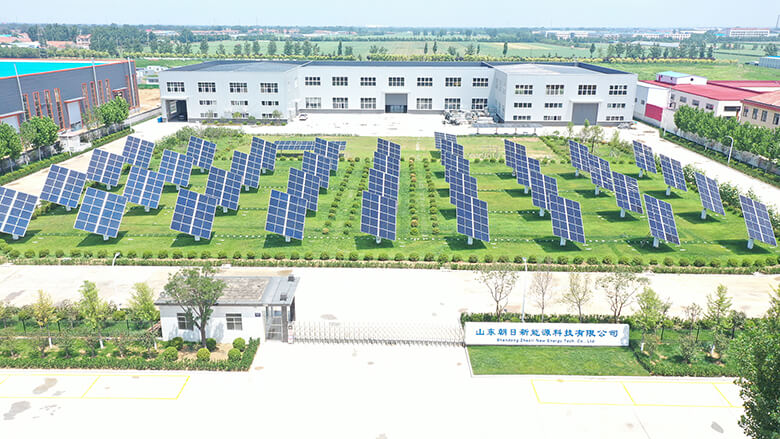
Founded in June 2012, we are a high-tech new energy company based on independent intellectual property rights. With over 60 professional technology talents and a team focusing on PV power stations for more than 10 years, we deliver reliability.
Our 50,000 square meter factory is equipped with CNC machine tools, laser cutting machines, and automatic welding robots, producing 500MW monthly.
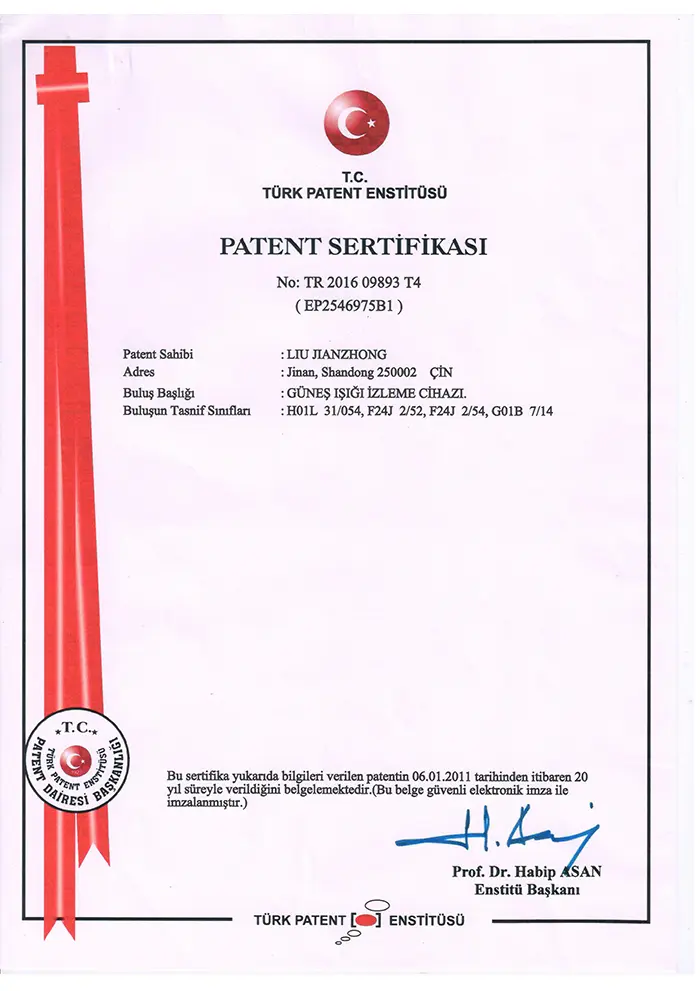
Our products have obtained patents from the Europe Patent Office, USA, Canada, Australia, Japan, and Korea. With 8 Chinese National Invention Patents and 30+ Utility model patents, we define industry standards.
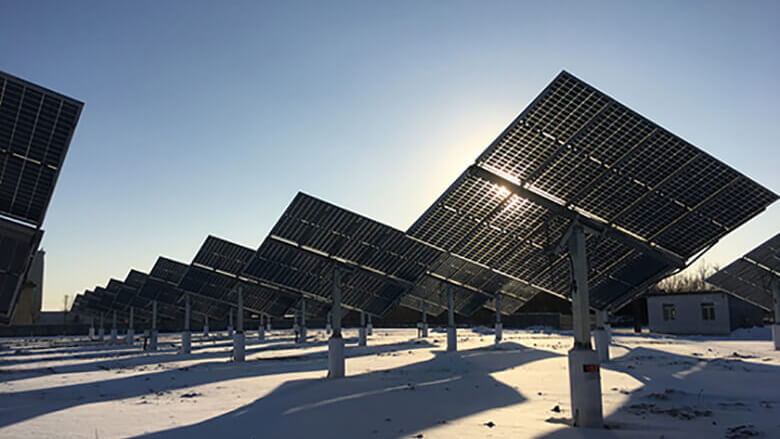
Adhering to the "More Simple, More Reliable, More Effective" philosophy, we provide customized solutions for challenging terrains, including mountain slopes and high-latitude deserts.


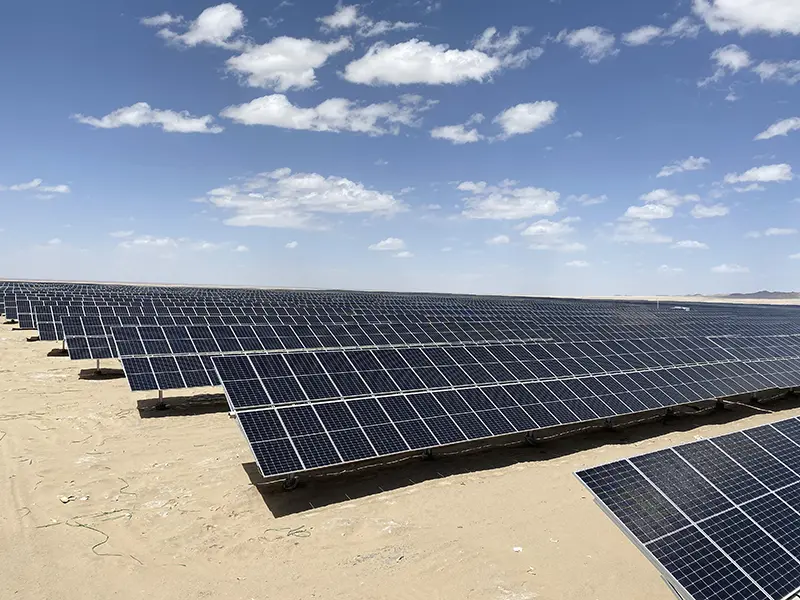
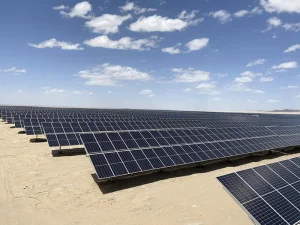
In regions like the Gobi or Sahara, dual-axis trackers capture low-angle sun rays during winter, increasing yield by up to 50% compared to fixed systems.
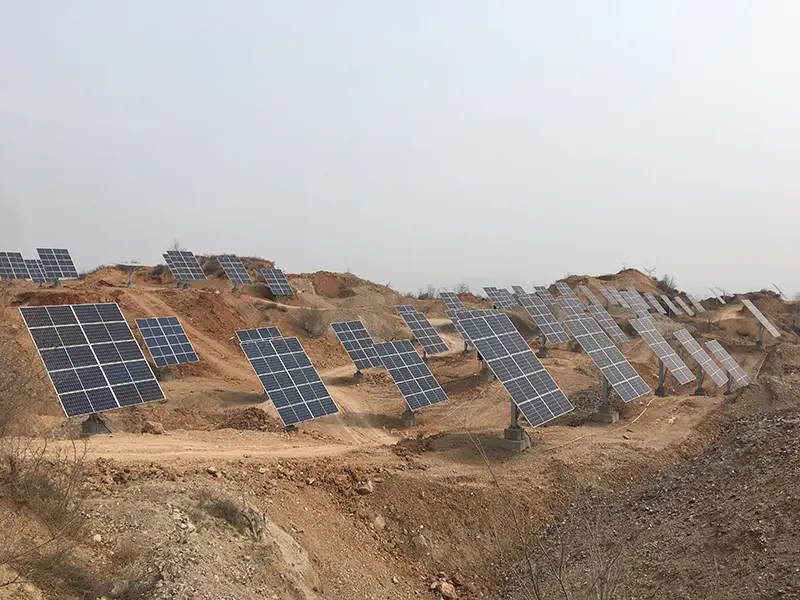
Our ZRD-series adapts to slope gradients, allowing for PV deployment on land previously considered unsuitable for commercial energy production.
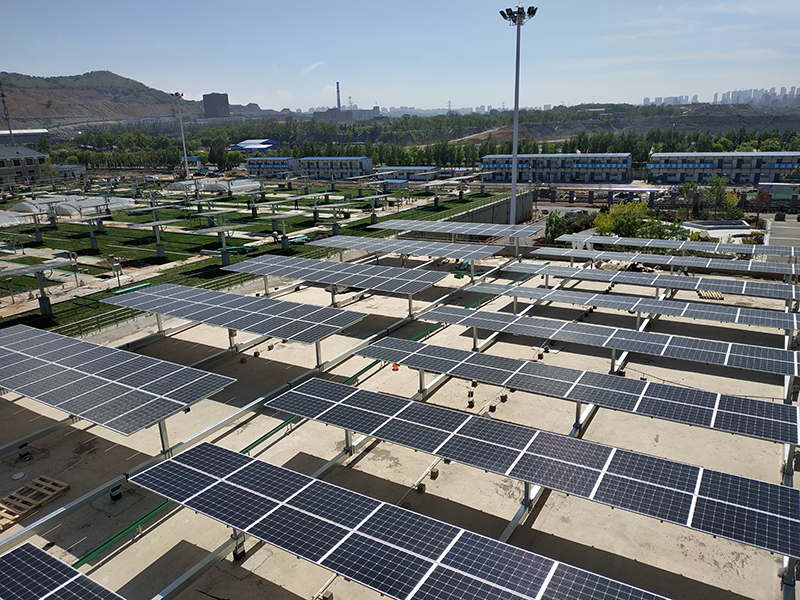
Optimized for bifacial modules, our trackers reduce backside shading, maximizing the albedo effect from the ground surface.
International buyers are moving away from "cheapest hardware" toward "highest lifetime energy gain." Modern procurement for 2-axis trackers now prioritizes:
When requesting a 2-axis solar tracker pricelist, consider these variables that affect the final quotation:
1. Material Grade: Q235B vs. Q355B Steel (Hot-dip galvanized).
2. Control System: Single-controller vs. Networked AI tracking.
3. Project Scale: MW-scale utility orders qualify for significant volume discounts.
4. Logistics: SKD (Semi-Knocked Down) packaging for reduced shipping costs.
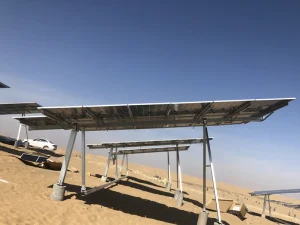
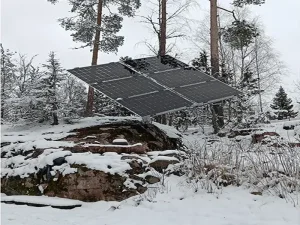
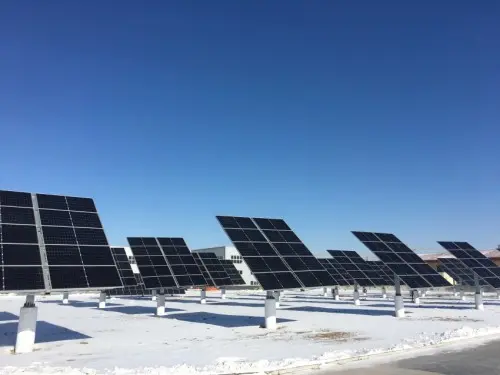
Advanced astronomical tracking for continuous power production.
Detailed Inquiry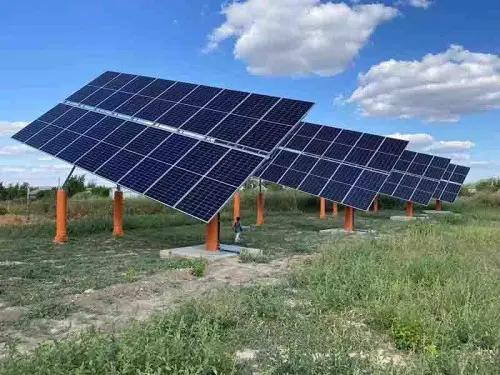
Maximum solar utilization for high ROI projects.
Factory Direct Detail Zhaori