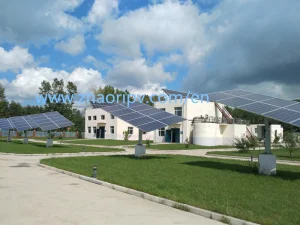
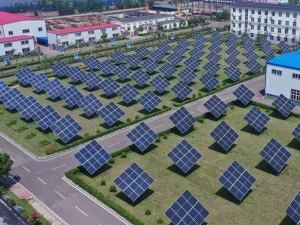
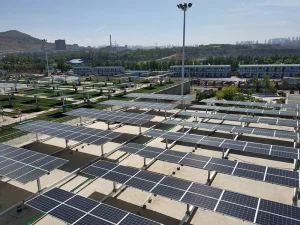
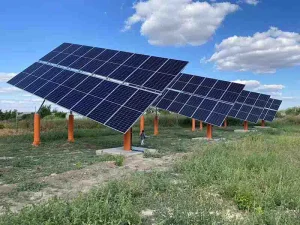
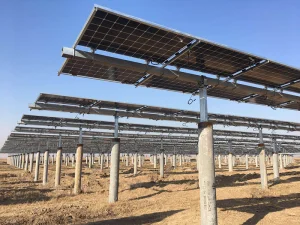
As the global energy transition accelerates, the demand for high-efficiency solar harvesting has shifted from simple stationary mounting to sophisticated Dual-Axis Solar Tracking (DAST) technology. Unlike traditional fixed brackets or single-axis trackers that only follow the sun's azimuth, dual-axis trackers adjust both the azimuth and altitude angles. This ensures the solar panels are always perpendicular to the sun's rays, maximizing direct normal irradiance (DNI).
The DAST market is projected to grow at a CAGR of 12% through 2030, driven by the need for maximum land utility.
Dual-axis systems provide up to 35-45% more energy output compared to fixed-tilt systems.
Optimizing yield reduces the levelized cost of energy (LCOE) and shortens the carbon payback period.
The technological evolution of Tracker Dual Axis manufacturers has moved through three distinct phases. Initially, systems relied on simple light-sensitive sensors. Modern systems, like those developed by Shandong Zhaori New Energy Tech. Co., Ltd., utilize astronomical algorithms combined with GPS data to predict the sun's position with 0.1° accuracy.
Looking toward the future, the integration of AI and Machine Learning is the next frontier. AI allows trackers to perform "backtracking" to avoid shading in complex terrains and optimizes the angle during cloudy conditions to capture diffuse radiation—an "Information Gain" that traditional systems simply miss.
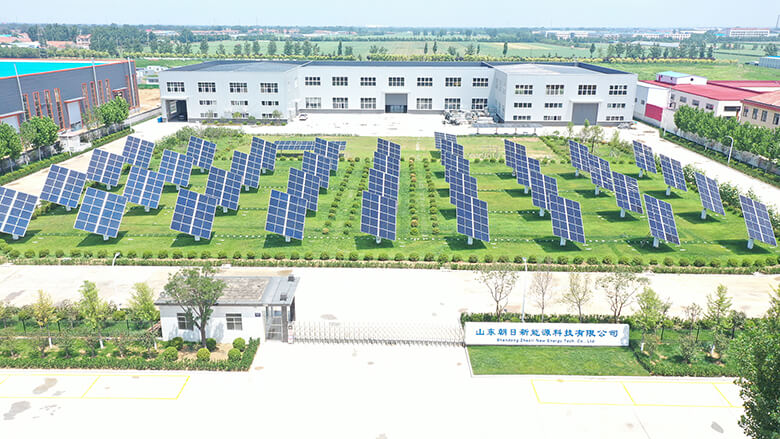
Founded in June 2012, Shandong Zhaori New Energy Tech. Co., Ltd. is a high-tech pioneer in the renewable sector. With over 60 professional technology talents and a 10-year focus on solar tracking technology, the company has secured a position as a premier global manufacturer.
Our factory covers an impressive 50,000 square meters, housing advanced CNC machine tools, laser cutting machines, and automatic welding robots. With a monthly production capacity of 500MW, we ensure that every product—from raw material screening to anti-rust treatment—meets the highest TUV, CE, and ISO standards.
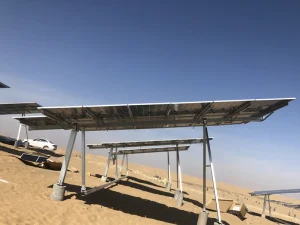
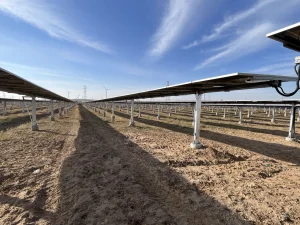
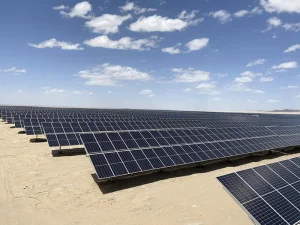
ZRD-series trackers are equipped with sand-proof bearings and high-temperature resistant components, ideal for MENA regions.
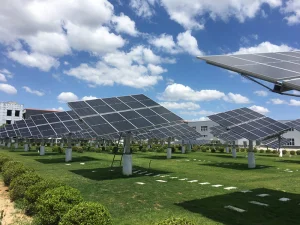
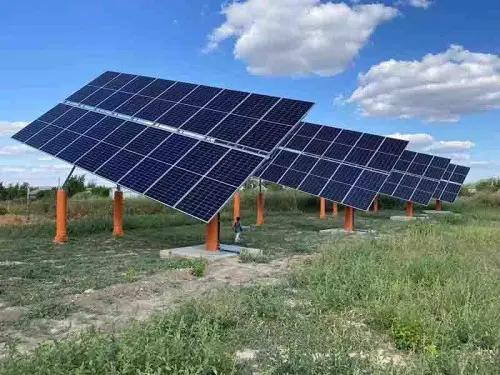
Adjustable brackets and dual-axis flexibility allow for installation on uneven slopes where fixed systems would fail.
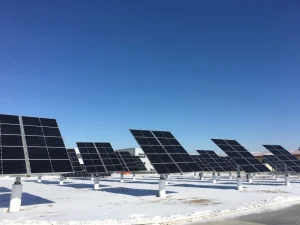
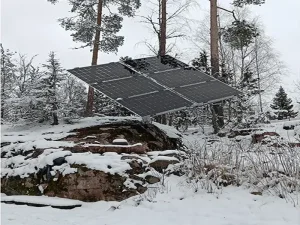
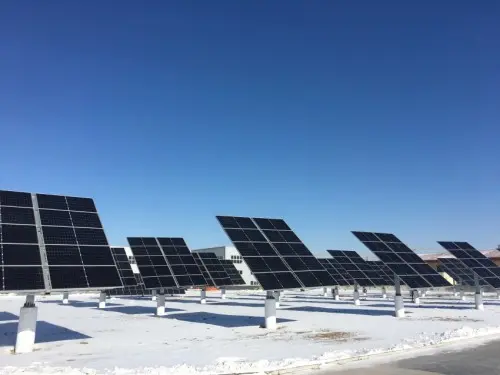
Automatic snow-shedding modes tilt panels to a vertical position, preventing structural damage from weight accumulation.
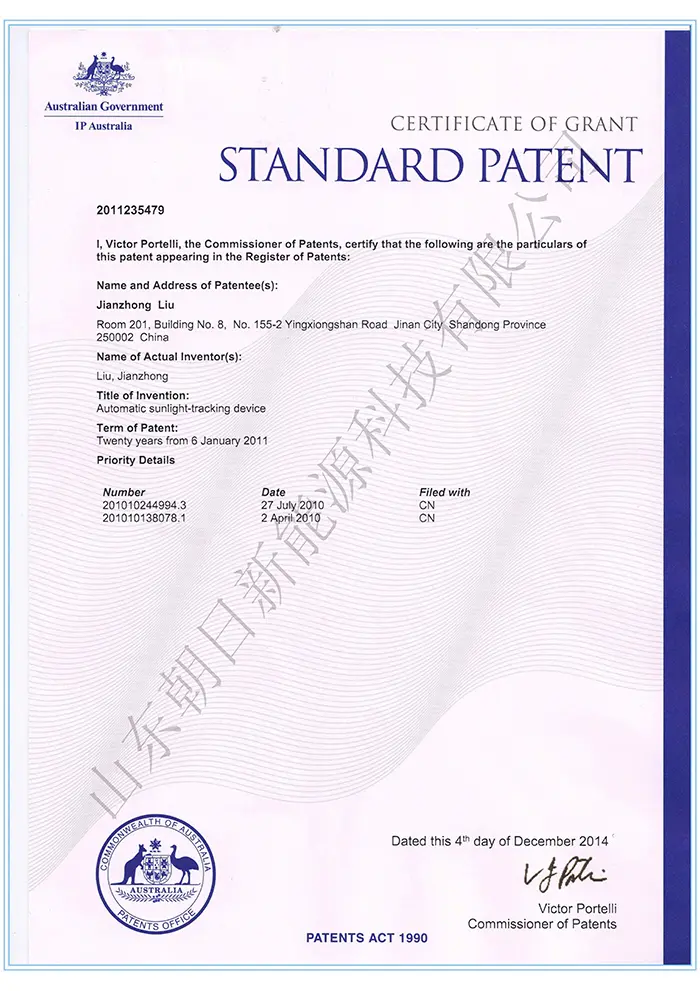
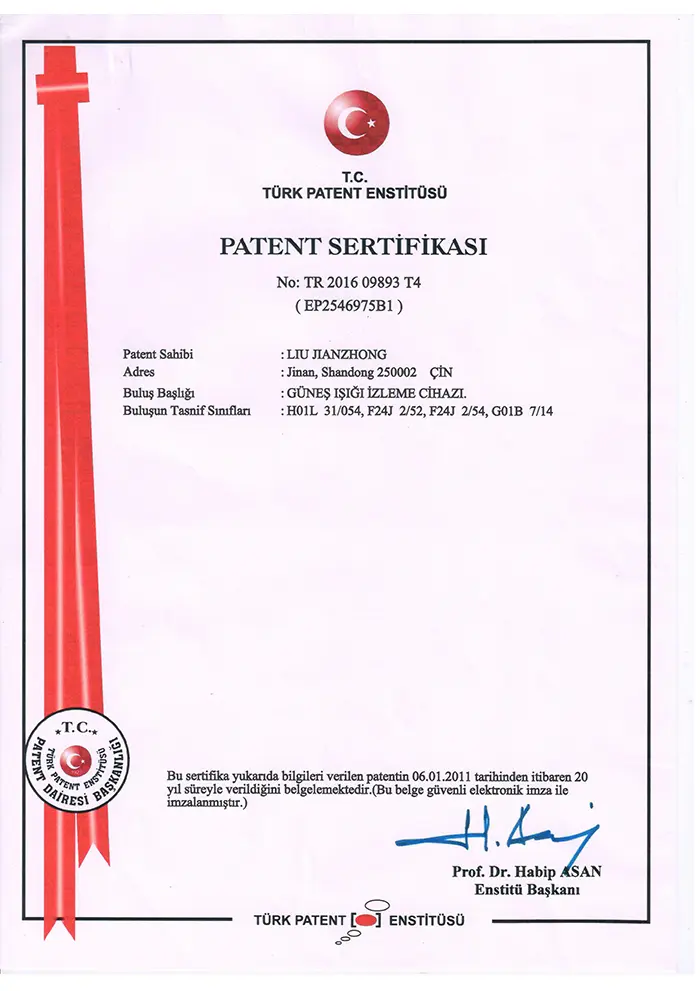
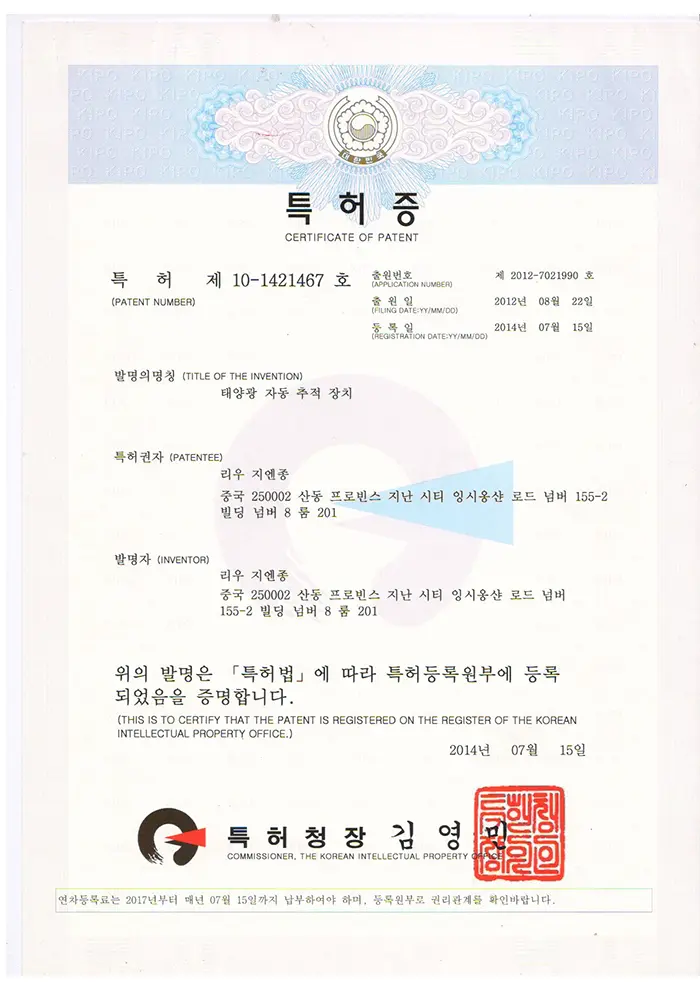
Our commitment to quality is backed by international recognition. We hold patents from the Europe Patent Office, United States, Canada, Australia, Japan, and South Korea. Our product principle is: More simple, more reliable, and more effective.
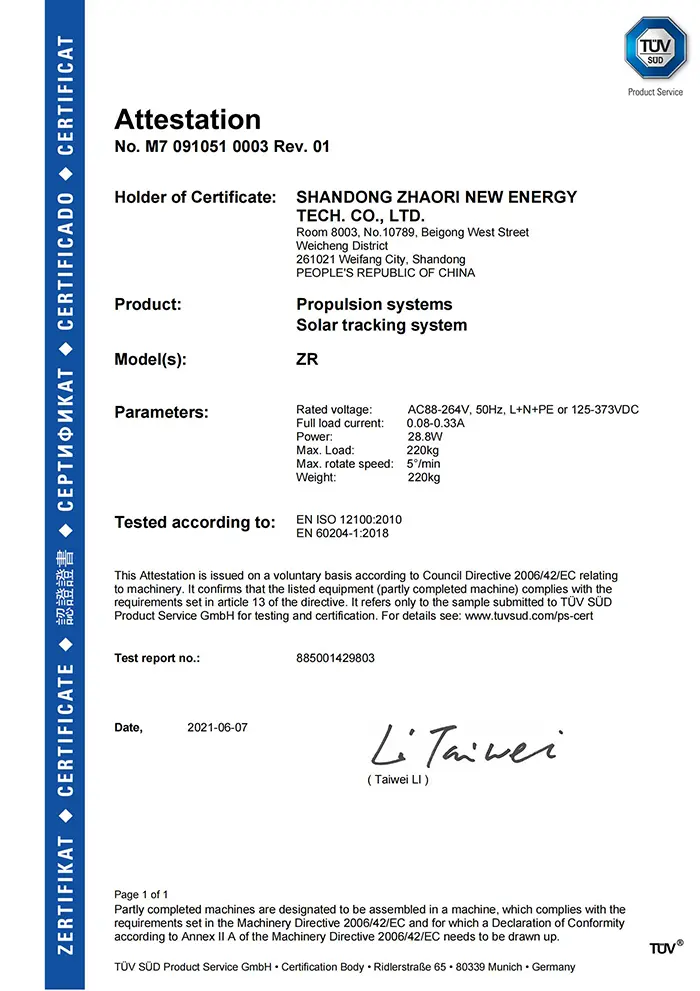
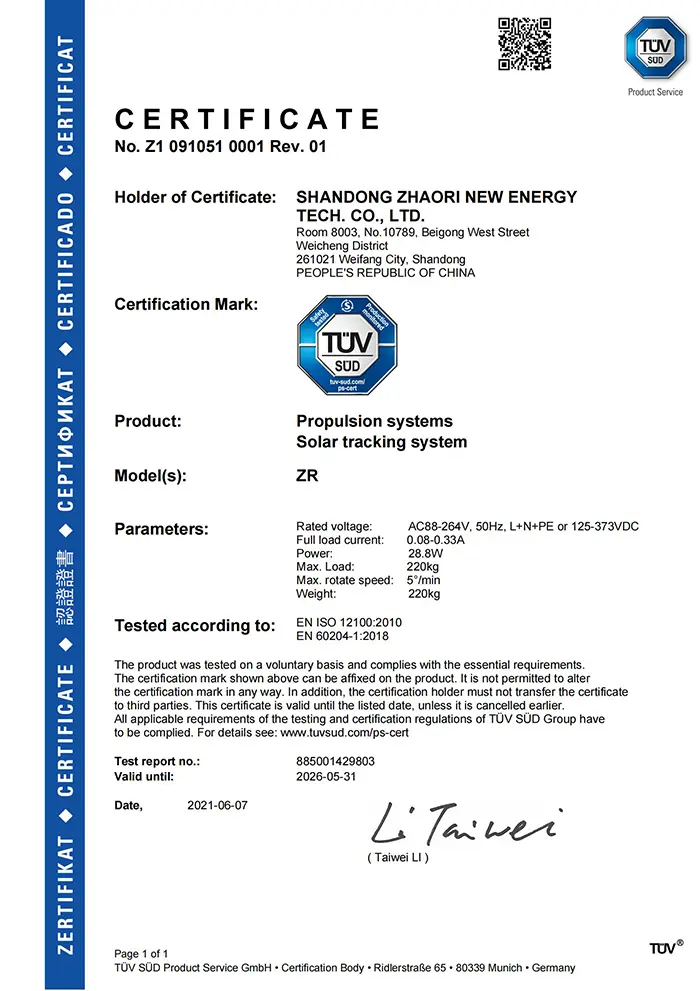
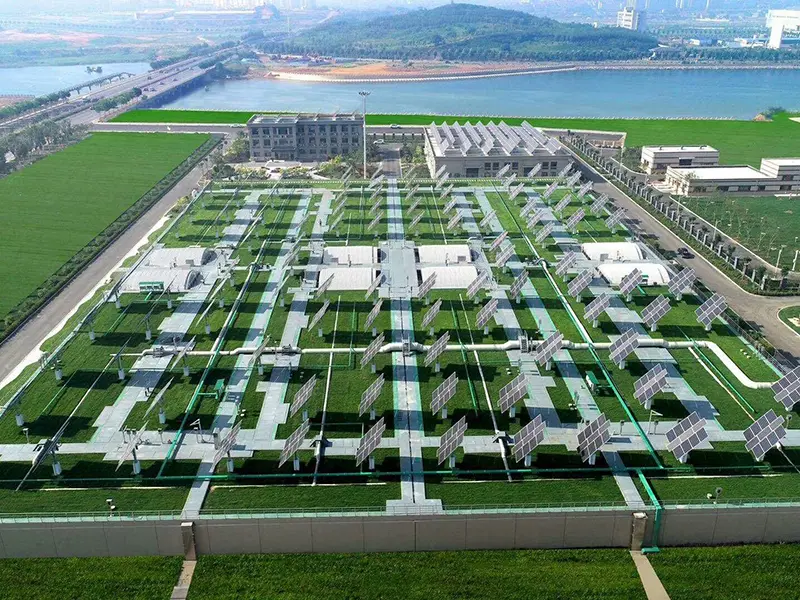
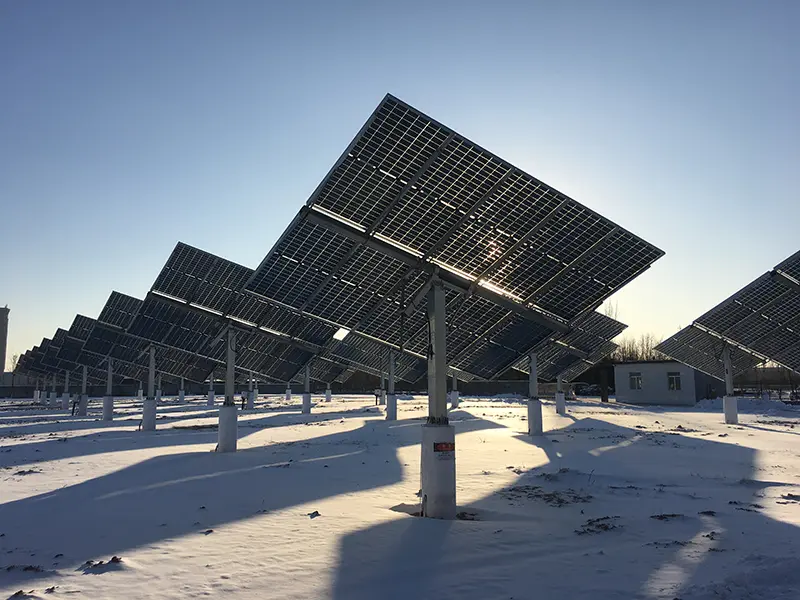
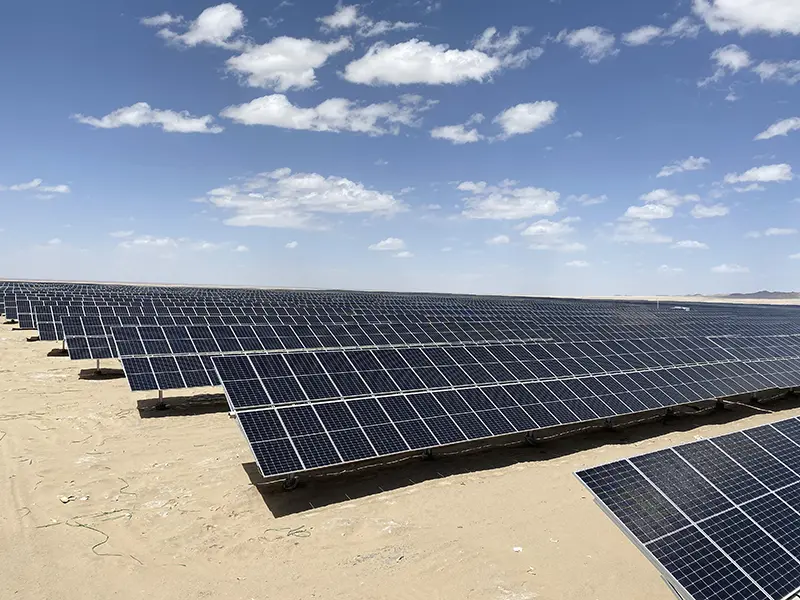
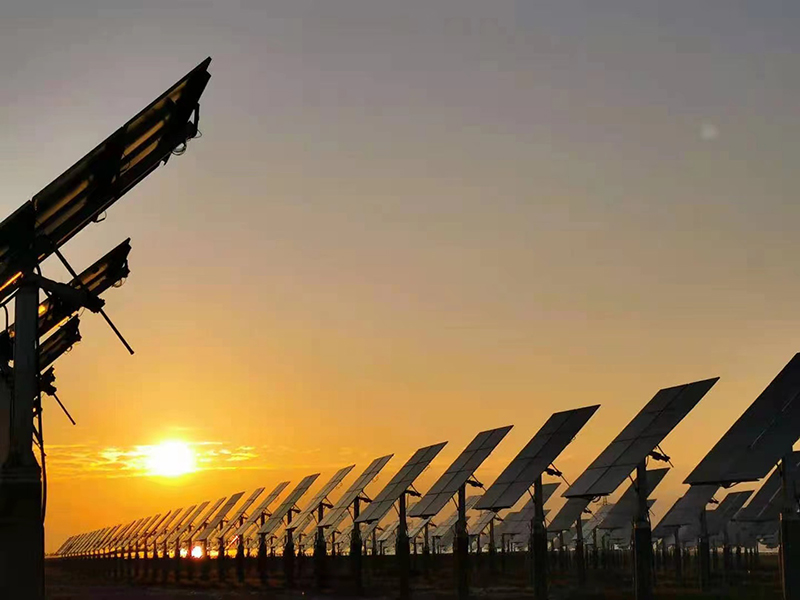
Dual-axis trackers follow both the sun's elevation and azimuth. This allows for nearly 100% absorption of direct sunlight throughout the day, providing 15-20% higher yield than single-axis trackers and up to 45% more than fixed systems.
Our systems feature an "Automated Protection Mode." When wind speeds exceed safety thresholds, sensors trigger the tracker to move into a horizontal stow position to minimize wind load. Similar protocols exist for snow and hail.
Designed for a 25-year service life, our trackers use hot-dip galvanized steel for anti-corrosion. Maintenance is minimal, requiring only semi-annual inspections of mechanical drives and sensor cleaning.
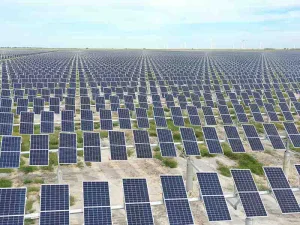
Absolutely. In fact, dual-axis tracking is the perfect partner for bifacial modules, as it maximizes the light reflected onto the rear side by maintaining optimal ground clearance and orientation.
As we move toward 2030, the solar industry is no longer just about hardware; it's about Energy Intelligence. The next generation of Tracker Dual Axis products will likely incorporate Bifacial-Optimized Algorithms that don't just track the sun, but also calculate the optimal angle for "Albedo" (ground-reflected light).
At Shandong Zhaori, our technical roadmap includes the integration of LoRaWAN and 5G connectivity for decentralized tracker clusters. This allows for rapid response to local weather shifts, such as localized cloud cover, enabling the farm to "pivot" in real-time. By choosing the right manufacturer, you are not just buying steel and motors; you are investing in a decades-long partnership with the sun.
 Zhaori