In the current global shift toward Net-Zero emissions, the procurement of Solar Panel Auto Tracking Systems has transitioned from a niche hardware choice to a fundamental financial strategy. Utility-scale developers and EPC (Engineering, Procurement, and Construction) firms now demand tracking solutions that do more than just follow the sun; they require intelligence, durability, and a clear ROI pathway.
The global market for trackers is expected to grow by over 25% CAGR through 2030. Major regions like the MENA (Middle East and North Africa), APAC, and North America are prioritizing tracking systems to maximize land efficiency. For enterprises, the primary procurement drivers include:
The evolution of solar mounting technology has moved through several critical phases. Shandong Zhaori New Energy Tech. Co., Ltd. has been at the forefront of this evolution, developing systems that utilize the latest in mechanical engineering and software algorithms.
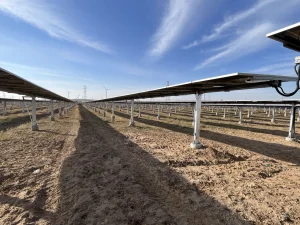
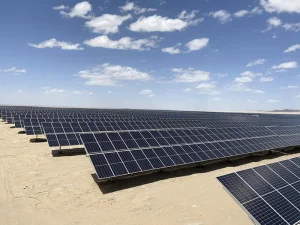
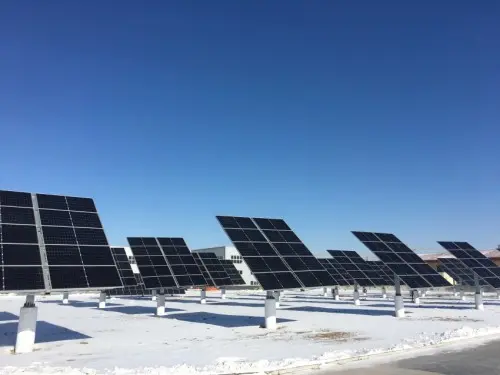
Ideal for large-scale utility projects. Offers a balance of cost and performance gain (15-25%). Our ZRP series utilizes 2P or 1P configurations for maximum stability.
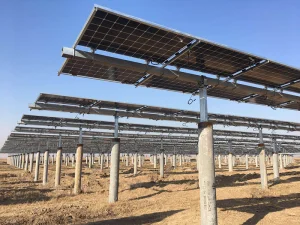
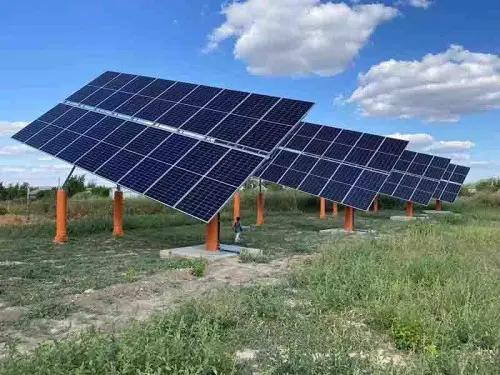
The gold standard for energy density. By tracking both azimuth and altitude, systems like the ZRD-10 provide up to 40% gain, essential for high-latitude regions or CPV applications.
Modern systems incorporate AI sensors to prevent "shading" during early morning and late evening (Backtracking algorithms), ensuring every panel receives optimal irradiance.
| Feature | Fixed-Tilt System | Single Axis Tracker | Dual Axis Tracker (ZRD Series) |
|---|---|---|---|
| Energy Gain | Baseline (0%) | 15% - 25% | 30% - 45% |
| Land Requirement | High | Medium | Low (Optimized Density) |
| Maintenance Cost | Low | Moderate | Managed (High Reliability) |
| Best For | Residential/Small Scale | Utility Scale/Flat Land | Industrial/High Yield Projects |
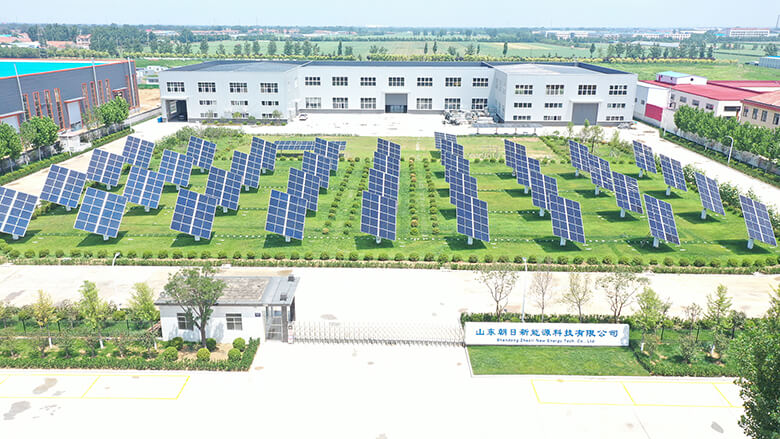
Founded in June 2012, Shandong Zhaori New Energy Tech. Co., Ltd. is a high-tech enterprise built on independent intellectual property rights. With 10 specialized departments—including R&D, Technical, Quality Assurance, and Foreign Trade—our team of over 60 professional technology experts has focused on PV power station optimization for over a decade.
Our manufacturing facility spans 50,000 square meters, equipped with CNC machine tools, laser cutting machines, and automated welding robots. This infrastructure allows us to maintain a production capacity of 500MW per month, ensuring timely delivery for the world's largest solar projects.
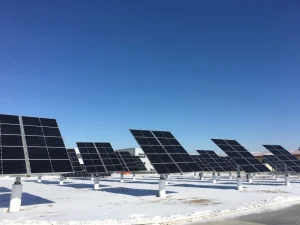
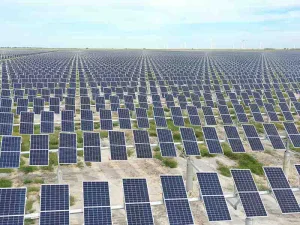
353MW Utility-Scale Implementation
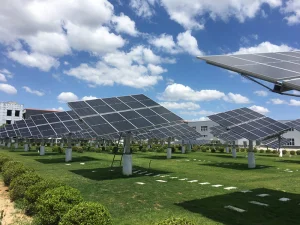
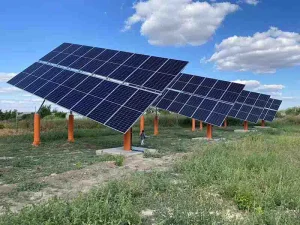
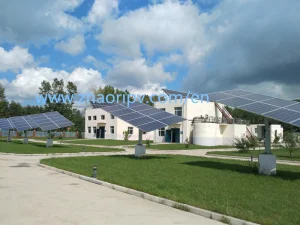
Advanced Dual Axis Deployment
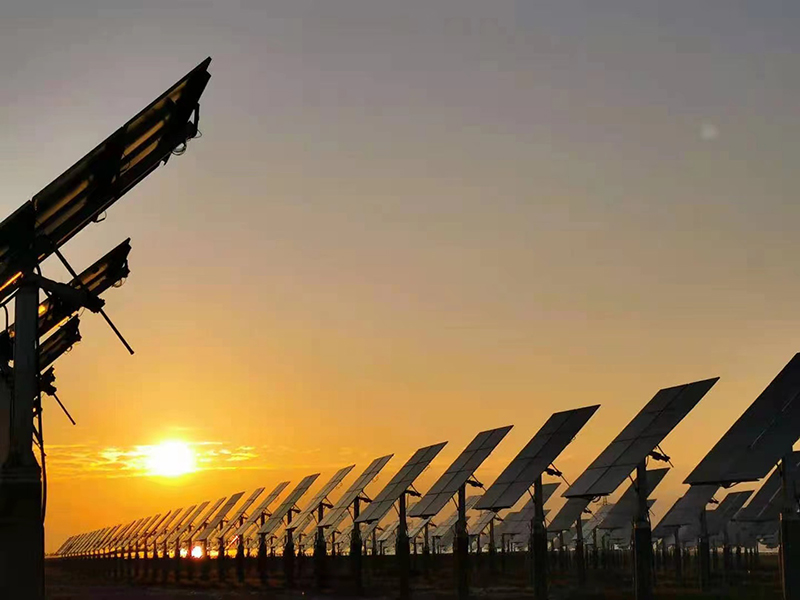
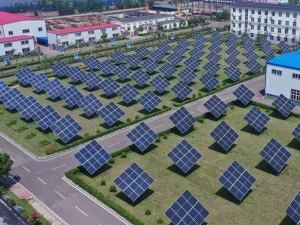
5MW Dual Axis Project (North China)
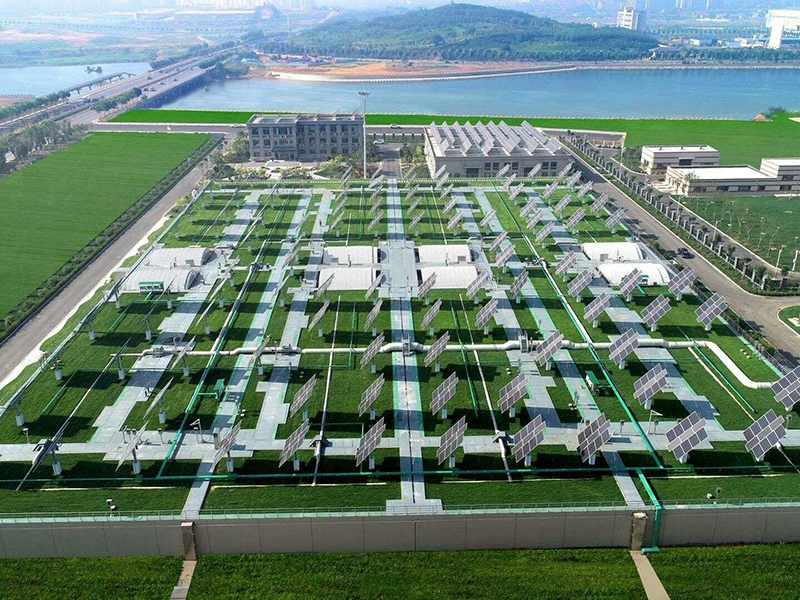
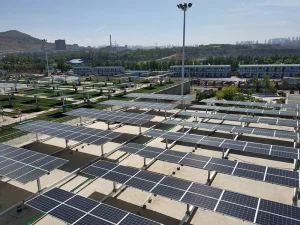
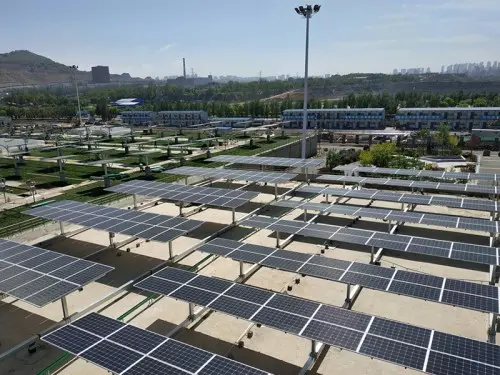
Industrial Rooftop Integration
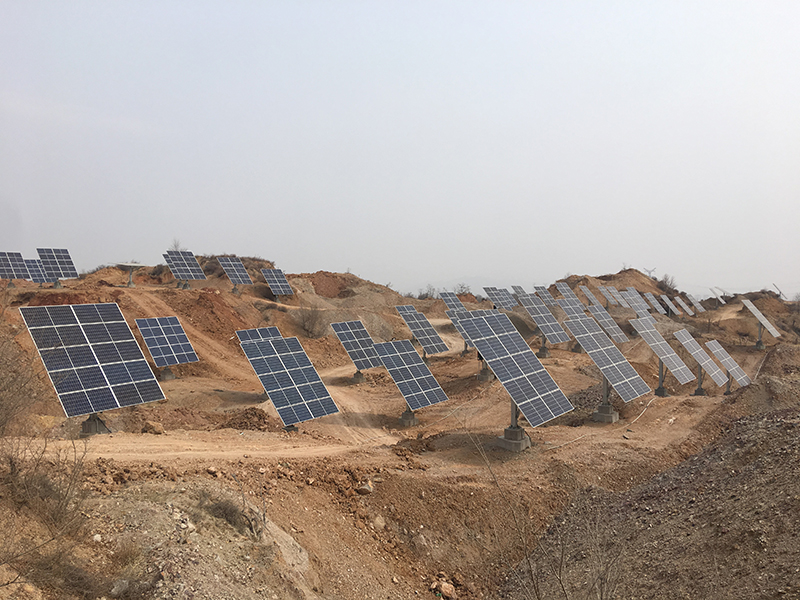
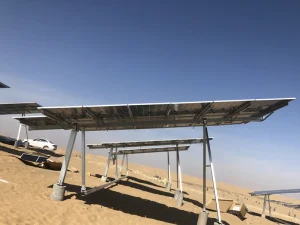
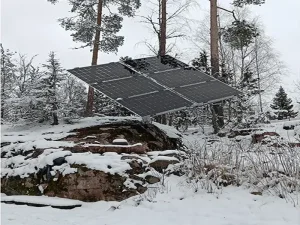
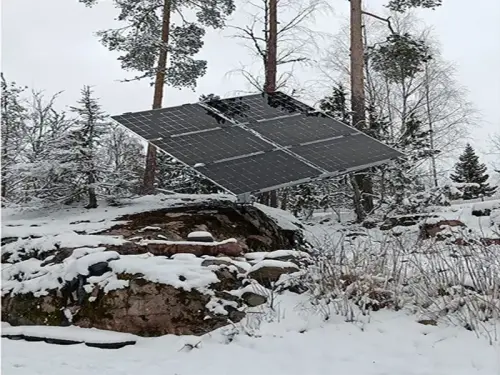
Mountain Terrain Adaptation
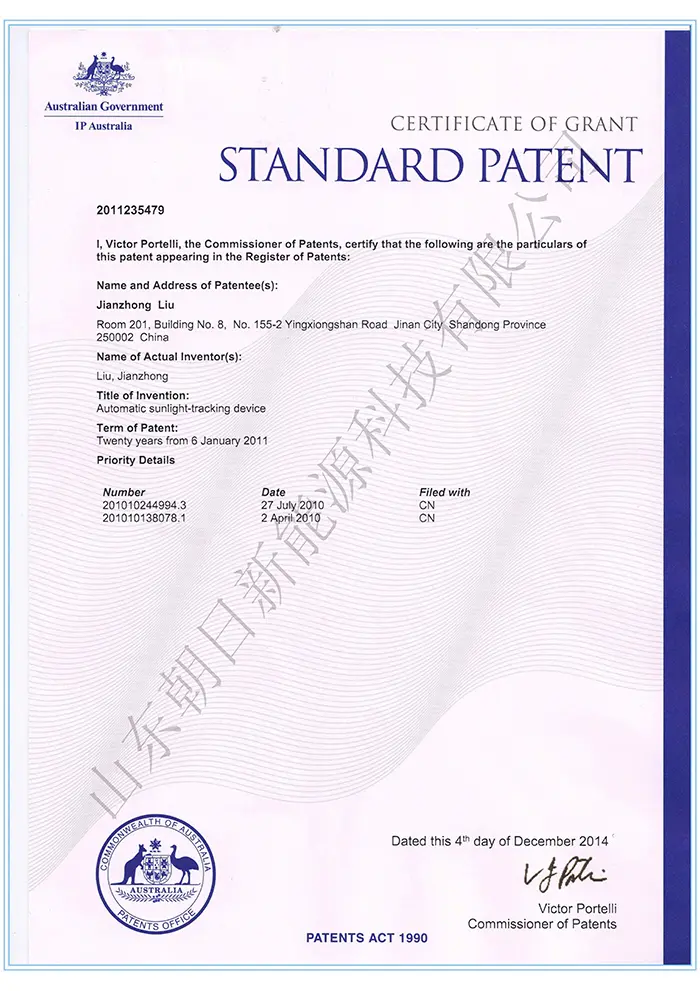
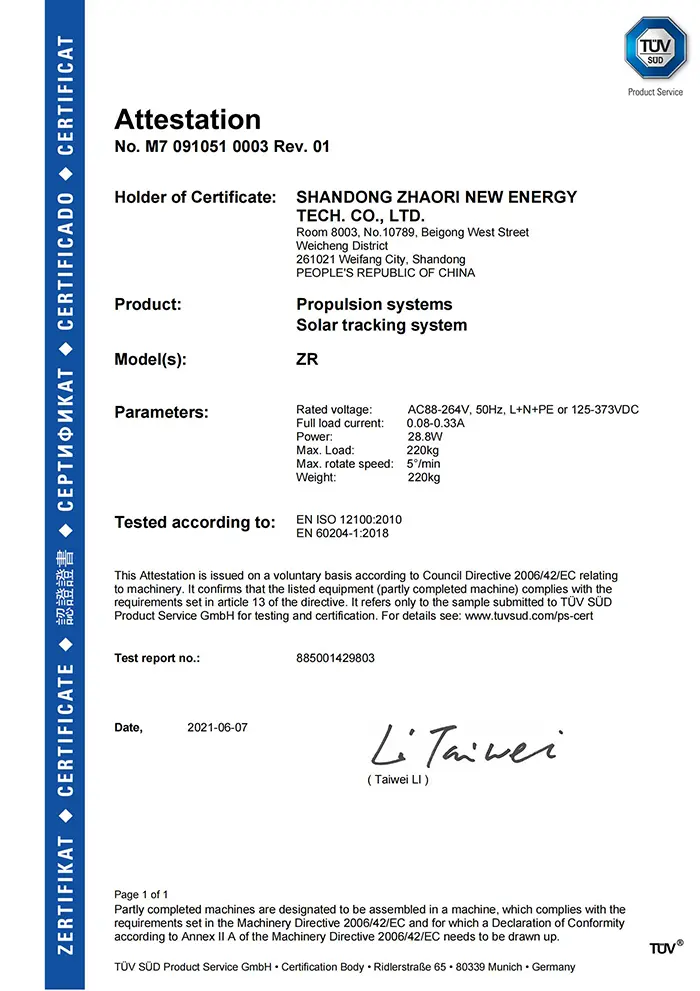
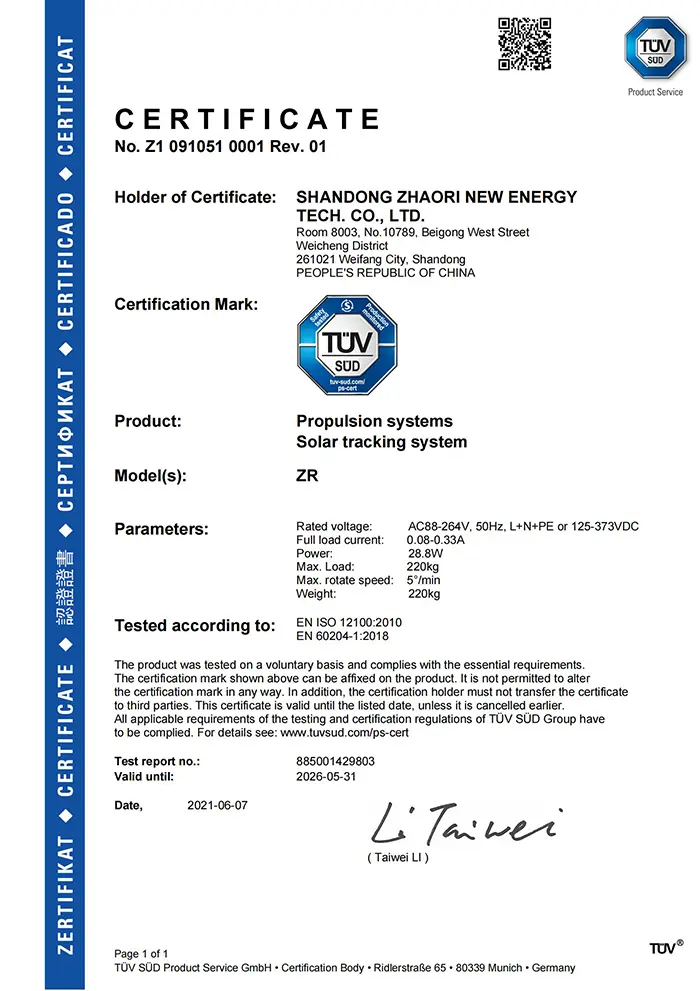
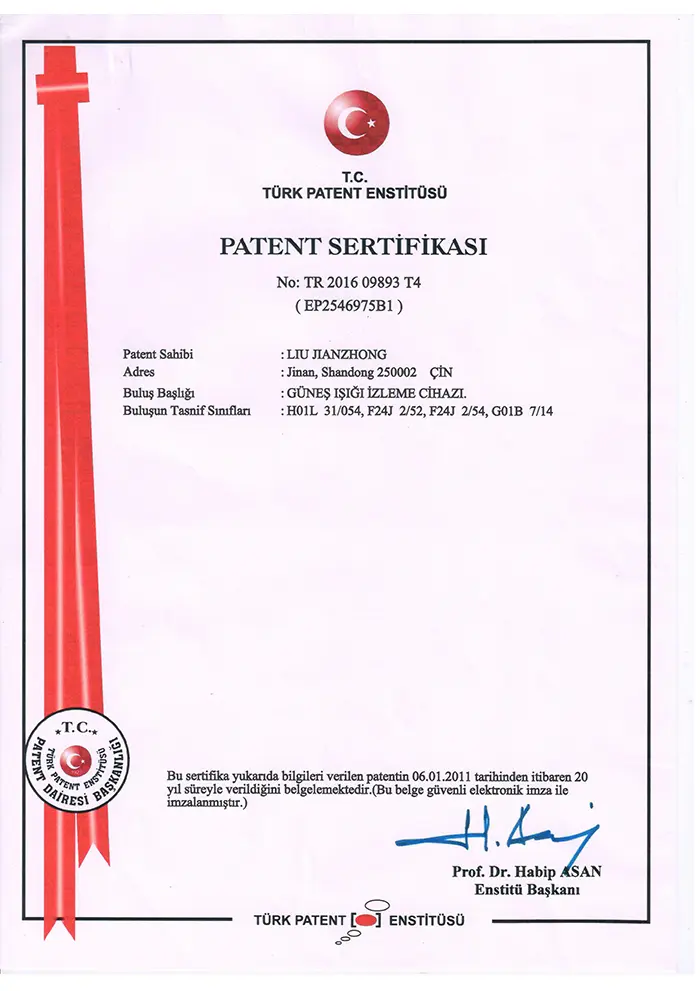
Our commitment to excellence is backed by rigorous international standards. We hold invention patents from the European Patent Office, USA, Canada, Australia, Japan, South Korea, and more. Furthermore, our systems are certified by TUV, CE, and ISO, ensuring safety and performance in the harshest environments.
 Zhaori