As the global energy transition accelerates, the demand for high-efficiency Photovoltaic (PV) mounting systems has shifted from static structures to dynamic tracking technologies. Single Axis Solar Trackers have emerged as the "Golden Mean" of the solar industry, offering a significant power generation boost (15%–30% higher than fixed-tilt systems) while maintaining a lower Levelized Cost of Electricity (LCOE) compared to dual-axis systems.
Recent industrial data suggests that by 2025, over 60% of ground-mounted solar installations worldwide will utilize tracking technology. The primary drivers are technological maturity, reduced mechanical failure rates, and the integration of AI-driven backtracking algorithms that prevent row-to-row shadowing during low-sun angles.
Shandong Zhaori New Energy Tech. Co., Ltd. stands at the forefront of the solar tracking revolution. Based in China's manufacturing heartland, our 50,000 square meter facility integrates the entire production lifecycle. From raw material screening to laser cutting and automatic welding robots, our factory epitomizes industrial efficiency.
Our monthly production capacity of 500MW ensures that we can fulfill massive utility-scale orders with lead times that competitors in the West simply cannot match. China's integrated supply chain for steel, electronics, and precision bearings allows us to offer competitive pricing without compromising on the strict quality management system certifications (TUV, CE, ISO) that global EPCs require.
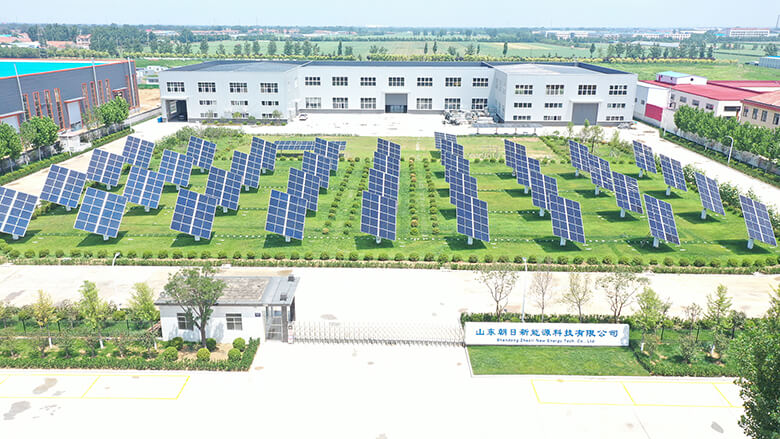
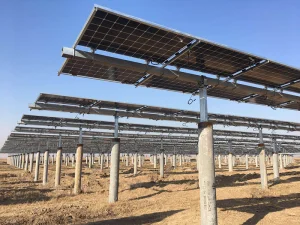
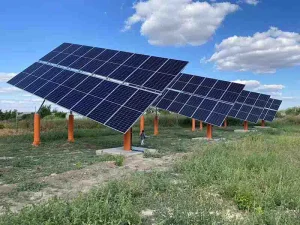
Designed for low-latitude regions, the ZRP series tracks the azimuth angle of the sun horizontally. It is particularly effective for large-scale desert projects where land cost is secondary to mechanical simplicity. Supports single-row or 2-row linked types for up to 60 panels per motor.
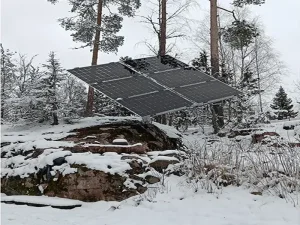
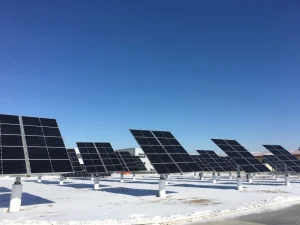
Optimized for higher latitudes, the ZRT series features a tilted axis (10°–30°). This hybrid approach combines the simplicity of single-axis movement with a fixed tilt that better captures the lower sun path in northern and southern hemispheres, boosting yield by up to 25% over fixed mounts.
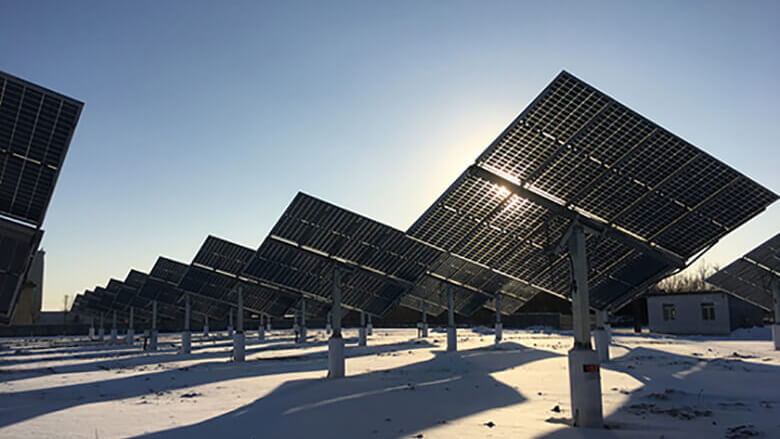
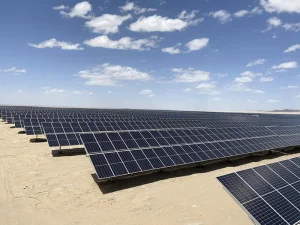
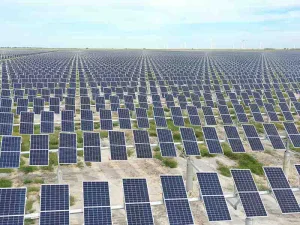
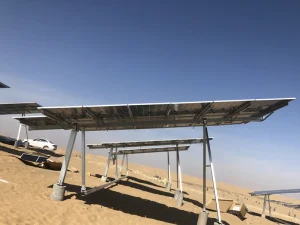
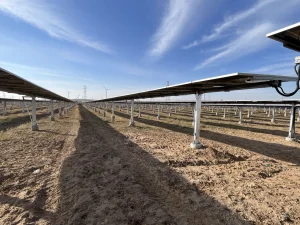
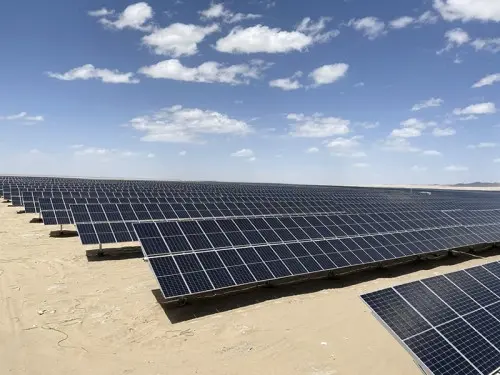
Our 360MW and 20MW desert projects showcase the durability of our tracking drive systems against dust and extreme temperature fluctuations.
Customized solutions for uneven terrain allow for individual row tracking, minimizing grading costs and maximizing land use efficiency.
Innovative lightweight single-axis trackers for factory roofs, allowing commercial entities to achieve energy independence faster.
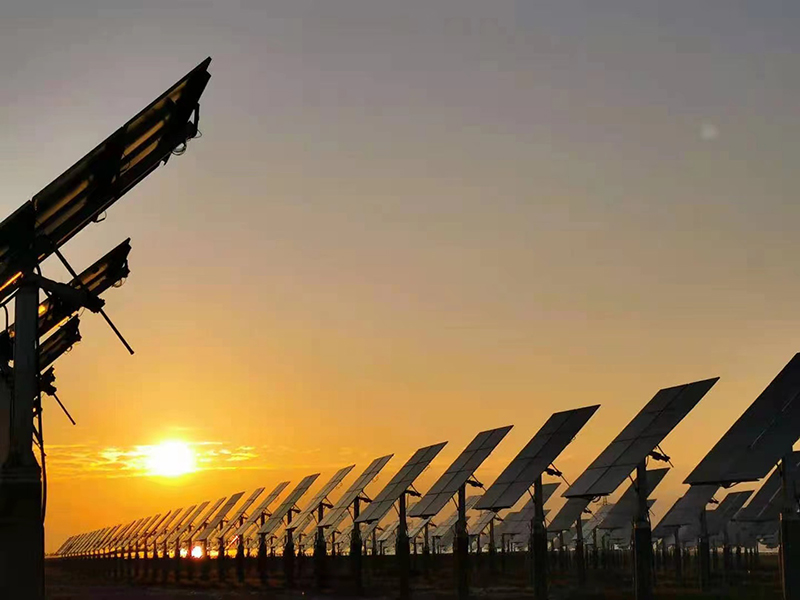
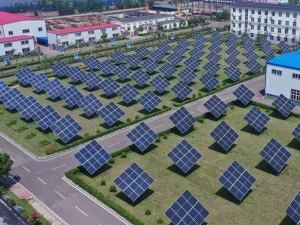
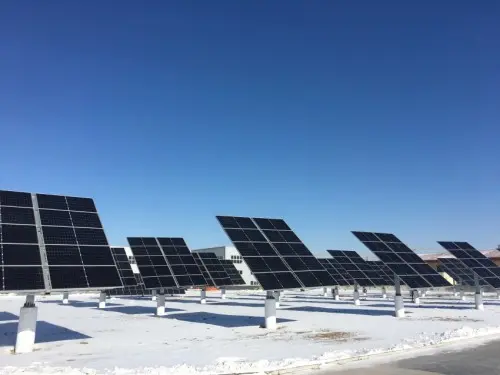
5MW Utility Project - North China
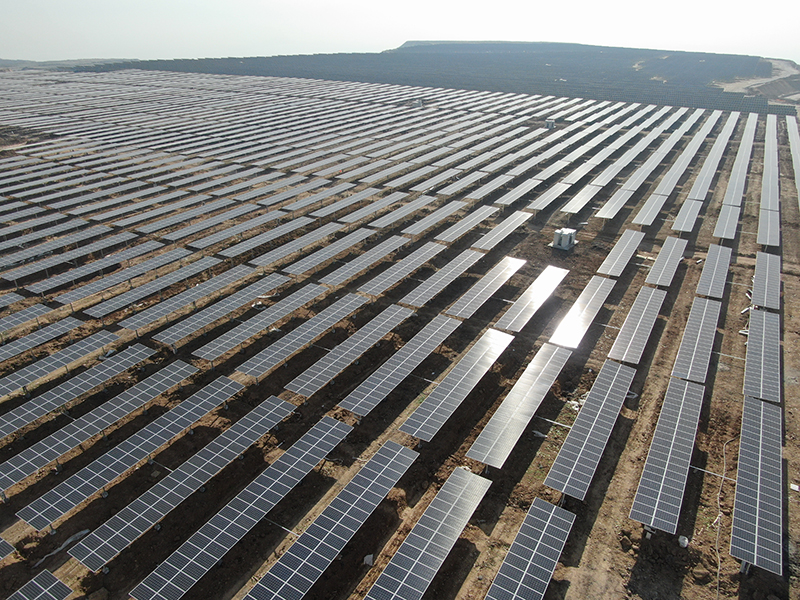
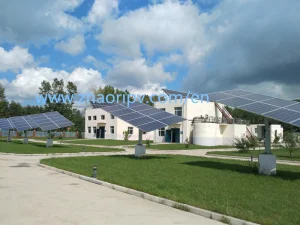
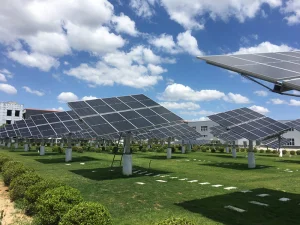
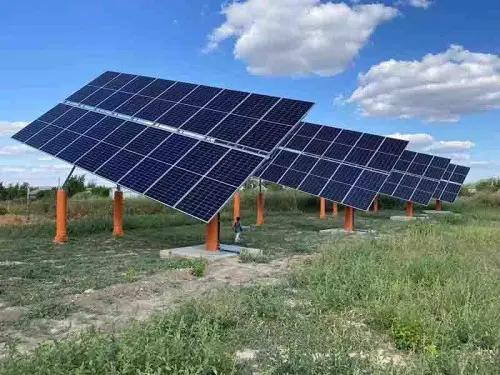
20MW Tracking Project - Central China
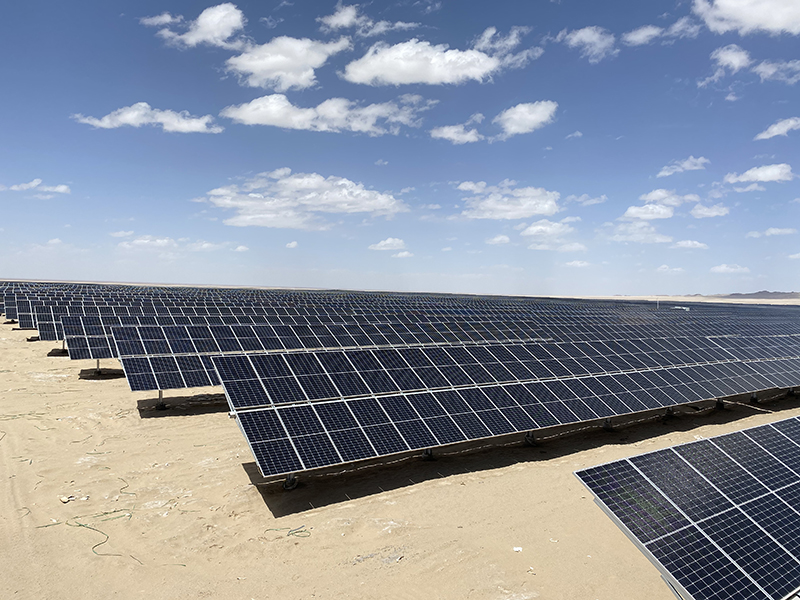
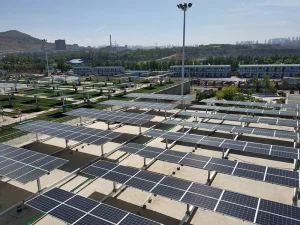
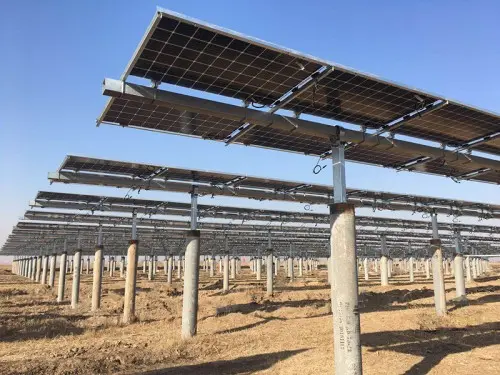
20MW High-Stability Project - Desert
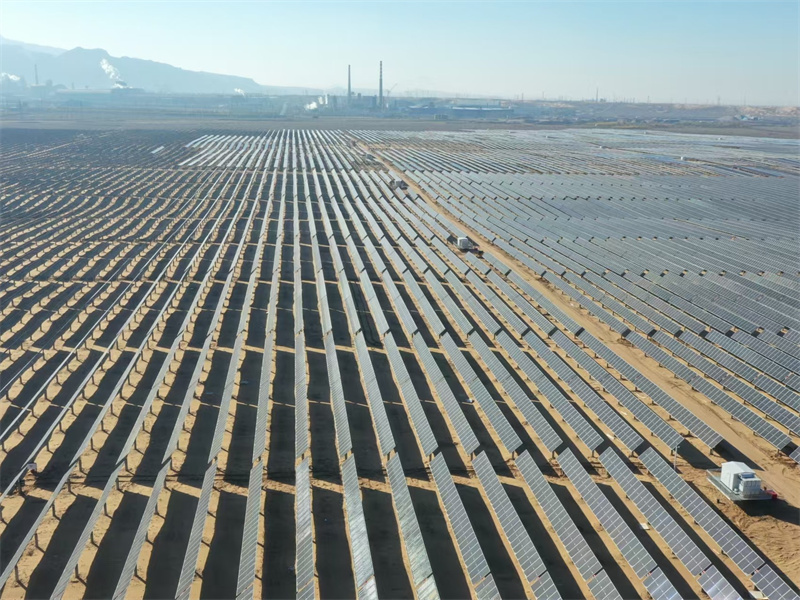
360MW Mega-Scale Tracker Installation
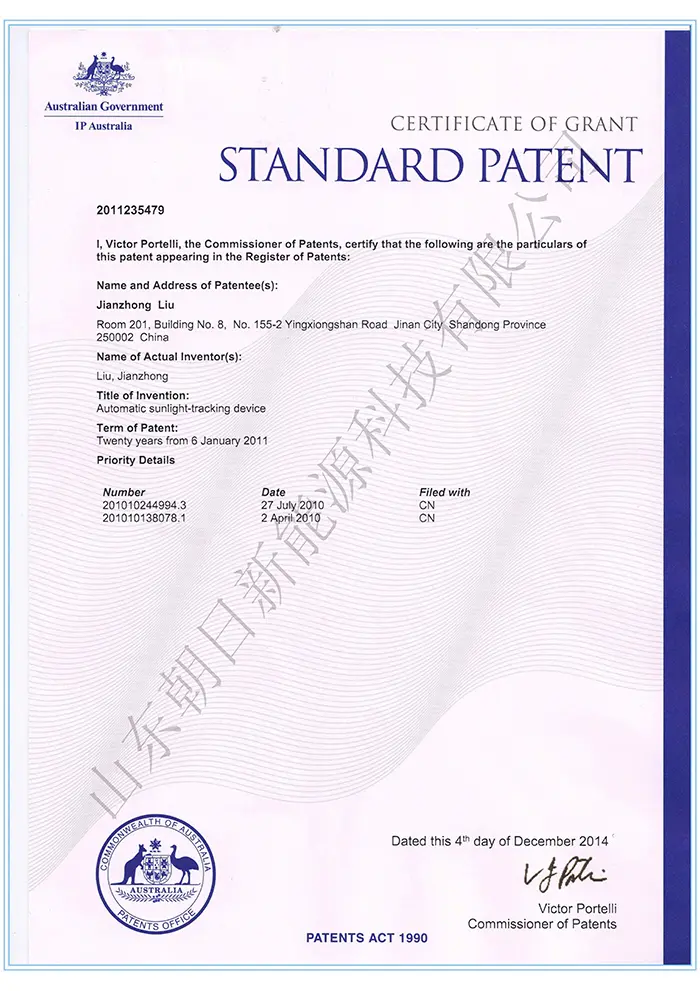
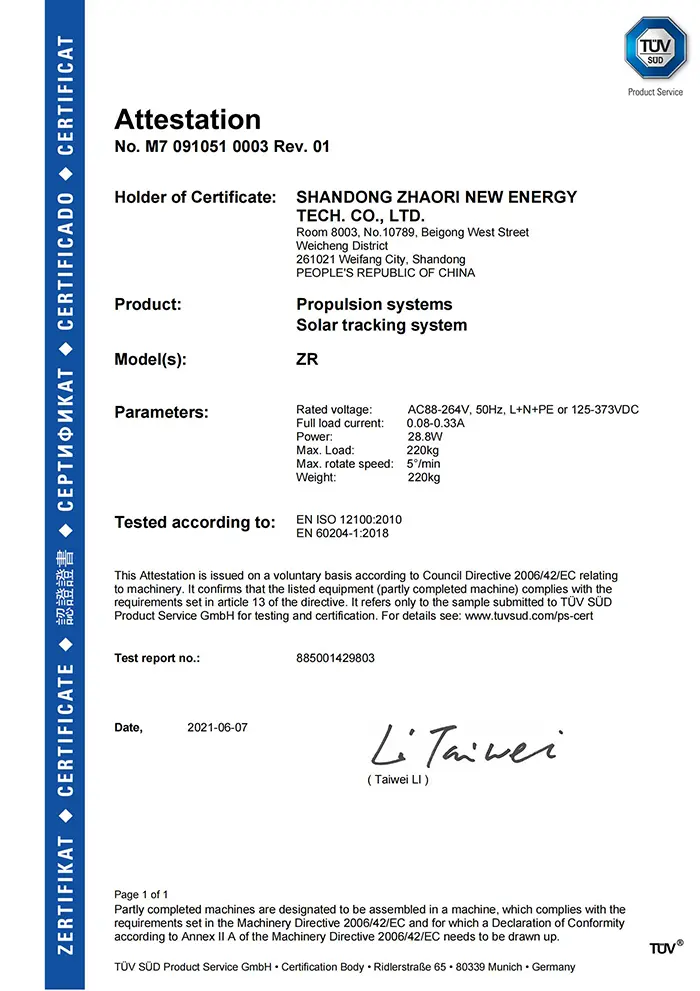
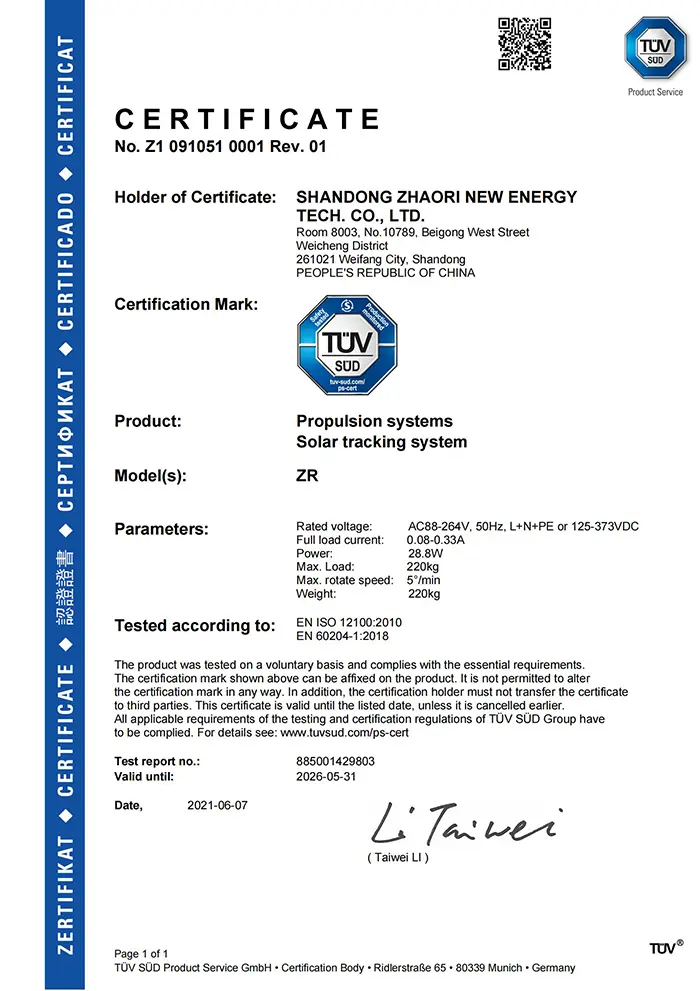
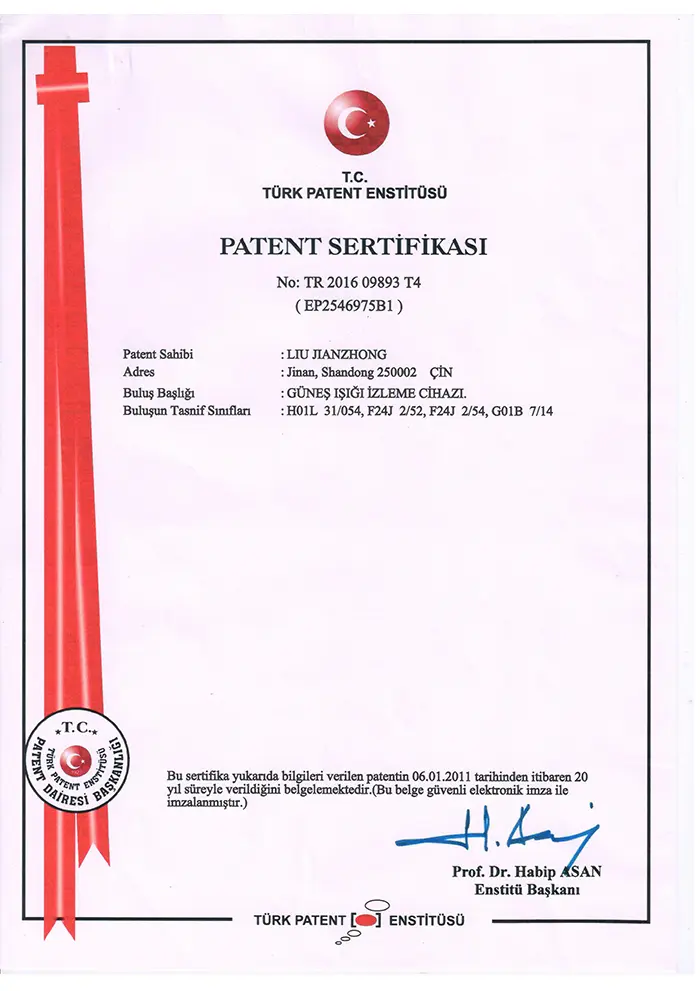
With patents in the US, EU, Japan, South Africa, and more, we guarantee compliance with the most stringent global standards.
 Zhaori