Best Single Axis Solar Panel Tracking System Supplier & Factory

Maximizing Energy Yield through Intelligent Kinematic Innovation and AI-Driven Precision

🏢

Shandong Zhaori New Energy Tech.

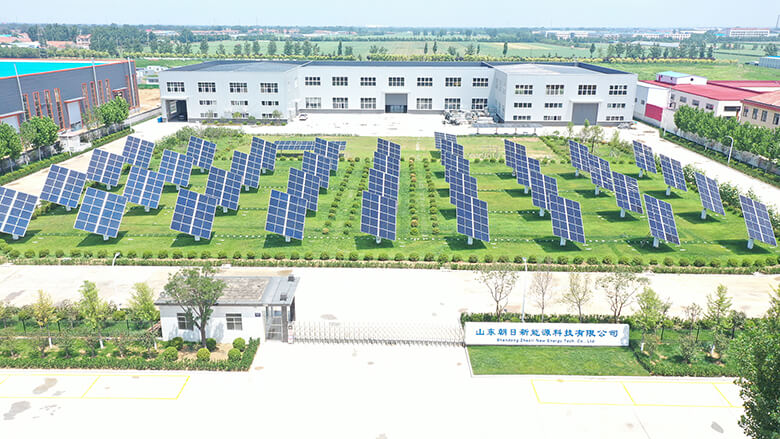
Founded in June 2012, we are a high-tech powerhouse focused on independent intellectual property rights. With over 10 dedicated departments including R&D, Technical Engineering, and Global Trade, our team of 60+ specialists brings a decade of expertise in PV power station optimization.

🏭

Mega-Scale Production Factory

Spanning 50,000 square meters, our facility integrates CNC machine tools, laser cutting, and automatic welding robots. With 300+ workers and a monthly capacity of 500MW, we maintain rigorous quality control from raw material screening to final anti-rust treatment.

🛡️

Certified Reliability

Our technologies hold invention patents across the EU, USA, Canada, Australia, Japan, and more. Proud holders of TUV, CE, and ISO certifications, we ensure every "More Simple, More Reliable, More Effective" product meets global standards.

The Strategic Imperative of Single Axis Tracking in Modern Solar Infrastructure

In the rapidly evolving landscape of renewable energy, the transition from fixed-tilt structures to Single Axis Solar Tracking Systems represents the single most significant opportunity for Levelized Cost of Energy (LCOE) reduction. As a premier Single Axis Solar Panel Tracking System Supplier & Factory, Shandong Zhaori New Energy provides the technological backbone for this global energy shift.

1. Global Corporate Procurement: Why Enterprises are Scaling with Trackers

Major EPC (Engineering, Procurement, and Construction) firms and IPPs (Independent Power Producers) are no longer viewing trackers as an "add-on" but as a financial necessity. Procurement managers focus on three key metrics: Energy Yield Gain, Land Use Efficiency, and O&M Predictability.

  • Yield Optimization: Our single axis systems provide a 15% to 30% production gain compared to fixed systems, directly impacting the IRR (Internal Rate of Return).
  • Bifacial Compatibility: With the rise of bifacial modules, our "2P" and "1P" configurations minimize rear-side shading, capturing reflected irradiance to boost total output by an additional 5-10%.
  • Risk Mitigation: Procuring from a factory with global patents ensures legal compliance and long-term part availability, critical for 25-year project lifespans.

2. Macro-Industry Solutions: Solving Topographical and Climatic Challenges

The "One size fits all" approach is dead. Shandong Zhaori New Energy specializes in Macro-Industry Solutions that adapt to the environment:
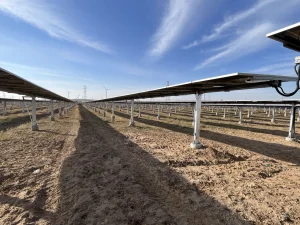
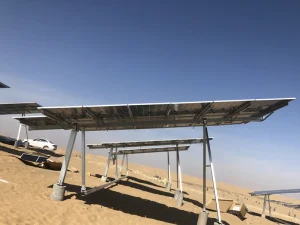
  • Desert & High-Wind Regions: Our ZRP flat single axis trackers are engineered with high-stow wind speeds and dust-resistant actuators, proven in 360MW desert projects.
  • Mountainous Terrains: For uneven ground, our tilted single axis and dual axis systems allow for slope adaptability, reducing the need for costly land leveling.
  • Agricultural PV: Raising the axis height allows for dual land use—harvesting solar energy while supporting crop growth beneath the panels.
Zhaori Factory Excellence

3. Technical Roadmap: The Convergence of AI and Kinematics

The future of solar tracking lies in Intelligence. Our R&D roadmap focuses on "Smart Backtracking." Traditional tracking follows the sun's astronomical position; our next-gen AI-integrated systems use sensors to identify diffuse light conditions. On cloudy days, the panels flatten to capture the maximum available irradiance from the entire sky, rather than pointing at a hidden sun.

Furthermore, the integration of IoT-based SCADA systems allows plant managers to monitor the health of every single motor and actuator in real-time, transitioning from reactive to predictive maintenance.

4. Localization Support & Global Compliance

Expanding into international markets requires more than just shipping hardware. We provide:

  • On-site Engineering Support: From North China to the deserts of international territories, our technical teams assist in installation and commissioning.
  • Standard Compliance: Our products meet the stringent requirements of TUV and CE, ensuring they pass local grid interconnection and safety audits in any jurisdiction.
  • Anti-Rust & Material Durability: Using hot-dip galvanized steel and specialized coatings, our structures are built to withstand corrosive coastal environments and humid tropical climates.
10+

Years Industry Experience

500MW

Monthly Production Capacity

38+

Global Patents Owned

100+

Successful Large-Scale Projects

🌍 Proven Global Track Record

Real-world applications of our Single Axis and Dual Axis technology.
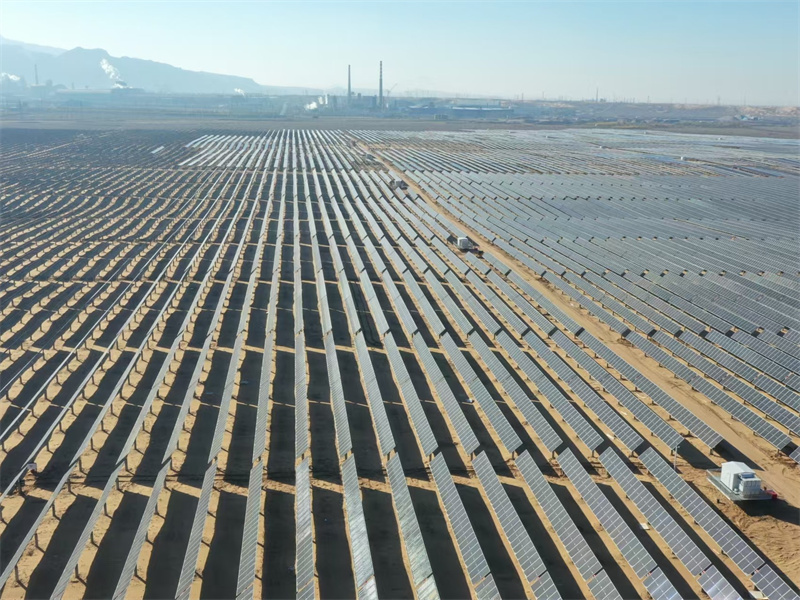
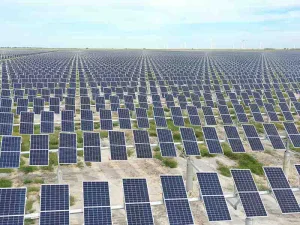
360MW Project

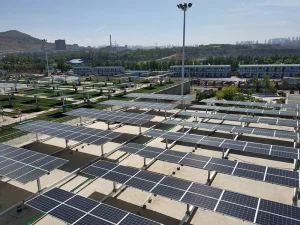
360MW Single Axis Tracker - Desert Utility

Large-scale deployment utilizing ZRP technology to maximize yield in high-irradiance desert conditions.
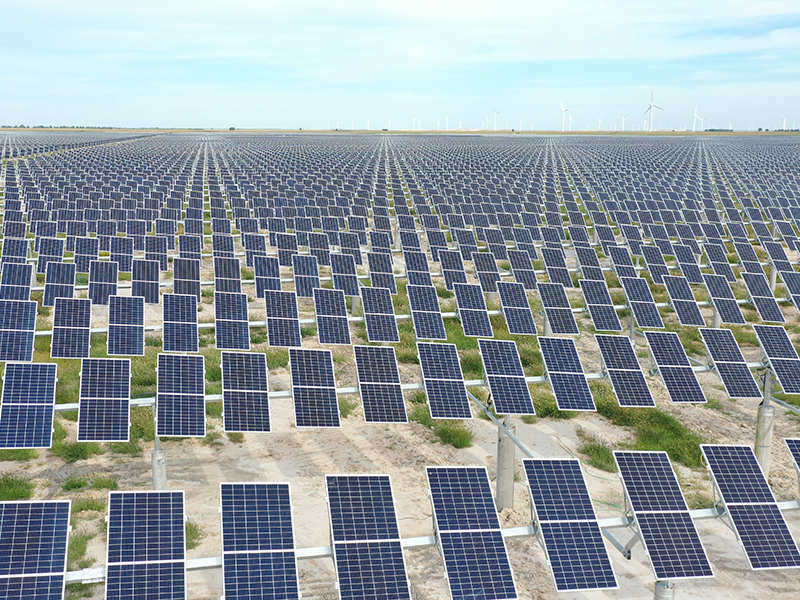
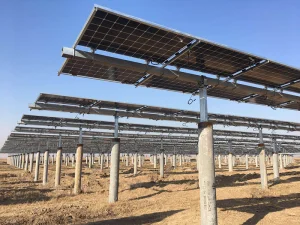
40MW Project

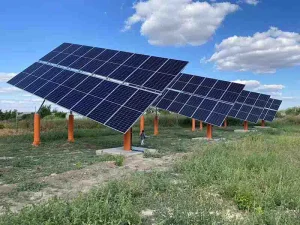
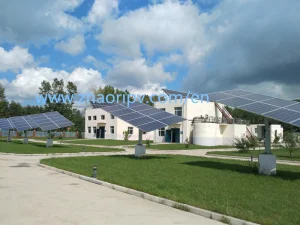
40MW ZRPT Flat Single Axis with Inclined Module

Innovative inclined module configuration providing optimal performance in mid-latitude regions.
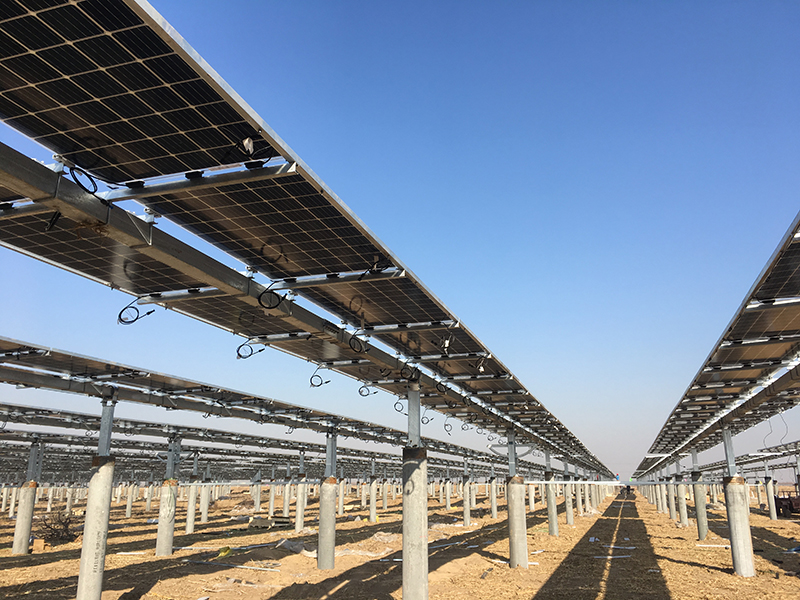
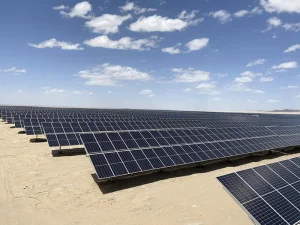
110MW Project

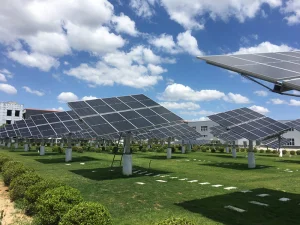
110MW Bifacial Module Project - Shanxi

Custom structure optimized for rear-side irradiance capture, significantly lowering LCOE.

❓ Frequently Asked Questions

Expert insights into Single Axis Solar Tracking technology.

What is the maintenance cycle for a Single Axis Tracker? +
Our systems are designed for low maintenance. Typically, a semi-annual inspection of the drive system and a quarterly check of the software sensors are sufficient. The use of self-lubricating bearings significantly reduces O&M costs over the 25-year lifespan.
How do your trackers handle extreme wind and snow loads? +
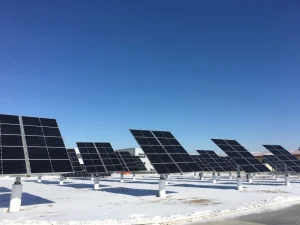
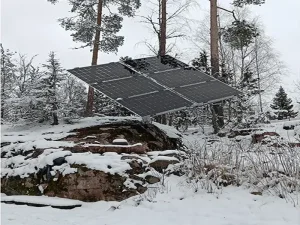
The systems include an "Emergency Stow" mode. When integrated with a local anemometer, the trackers automatically move to a horizontal or 0-degree tilt to minimize wind resistance during storms, and a steep angle during snow to prevent accumulation.
Can Single Axis Trackers be installed on uneven terrain? +
Yes. Our decentralized drive systems and tilted single axis options allow for significant North-South and East-West tolerances, reducing the need for intensive civil engineering and land grading.
What is the expected ROI difference between fixed and tracking? +
While the initial CAPEX for tracking is 10-15% higher, the 20-30% increase in energy production usually leads to an ROI period that is 1.5 to 2 years shorter than fixed-tilt systems.

🎥 Technology in Motion

Watch our tracking systems operate in diverse global environments.