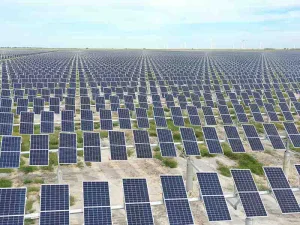
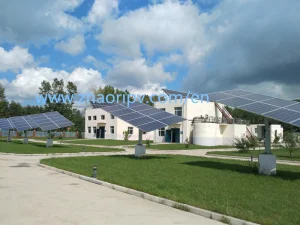
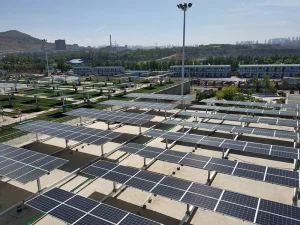
In the modern photovoltaic landscape, achieving maximum levelized cost of energy (LCOE) reduction is the primary driver of project yield optimization. Global utility-scale projects are rapidly transitioning from static, fixed-tilt structures to sophisticated single axis tracking systems.
Historically, fixed structures dominated markets due to their lower initial capital expenditure (CAPEX). However, recent technological advancements in intelligent backtracking algorithms, structural design efficiency, and high-wind mitigation control have dramatically improved the economic viability of solar trackers.
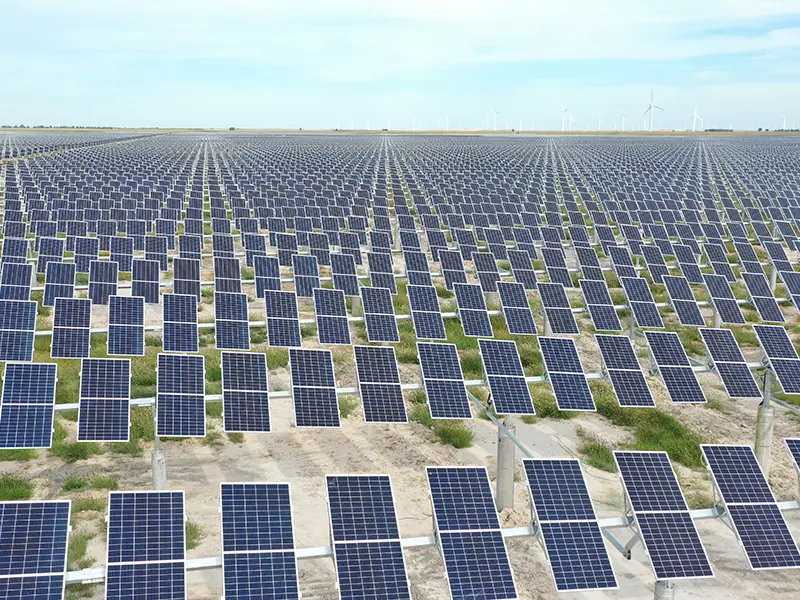
According to recent market analyses, projects incorporating horizontal single axis trackers (HSAT) can realize an energy yield gain of 15% to 30% compared to fixed configurations. In regions with high direct normal irradiance (DNI), the yield improvement is even more pronounced. The integration of bifacial photovoltaic modules with 2P or 1P single axis trackers has further elevated this equation, creating a synergistic yield gain that captures reflected albedo from the ground surface while maintaining optimal incidence angles throughout the day.
“By optimizing the geometric orientation of solar modules in real-time, modern single-axis systems maximize solar irradiance absorption, turning standard PV projects into dynamic, high-performance power generation facilities.”
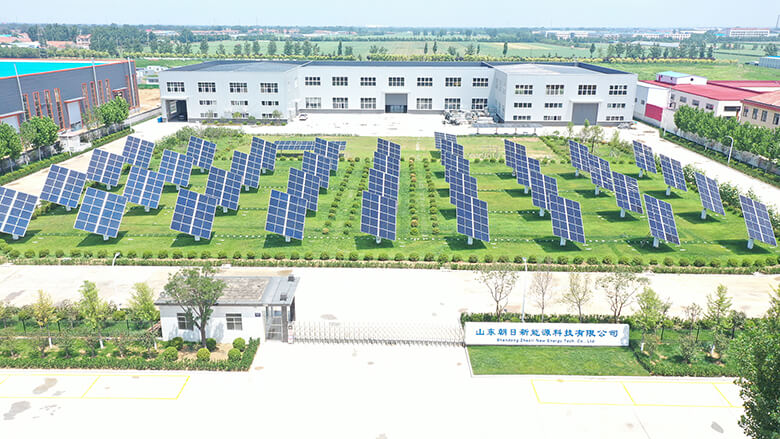
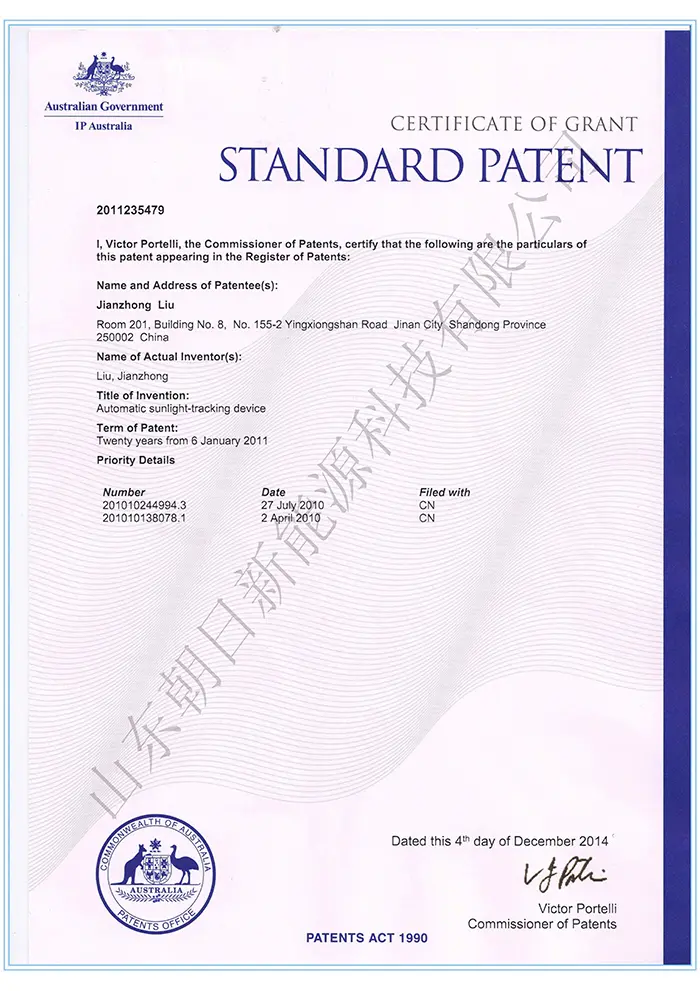
Shandong Zhaori New Energy Tech. Co., Ltd. represents the absolute pinnacle of high-tech and new energy manufacturing, operating on a foundation of independent intellectual property rights. Established in June 2012, our organization has systematically scaled its manufacturing framework to encompass a facility spanning 50,000 square meters.
Our production workflow utilizes a comprehensive fleet of advanced machinery, including heavy-duty CNC machine tools, high-precision laser cutting systems, automated welding robots, and plasma processing lines. This vertical integration allows for complete oversight from the raw material screening phase to final hot-dip galvanization and structural surface finishing.
With over 300 highly specialized technicians and a workforce organized across 10 core corporate departments, our monthly production capacity reaches an outstanding 500MW. This level of scale guarantees that we can accommodate large-scale international utility projects with compressed delivery timelines.
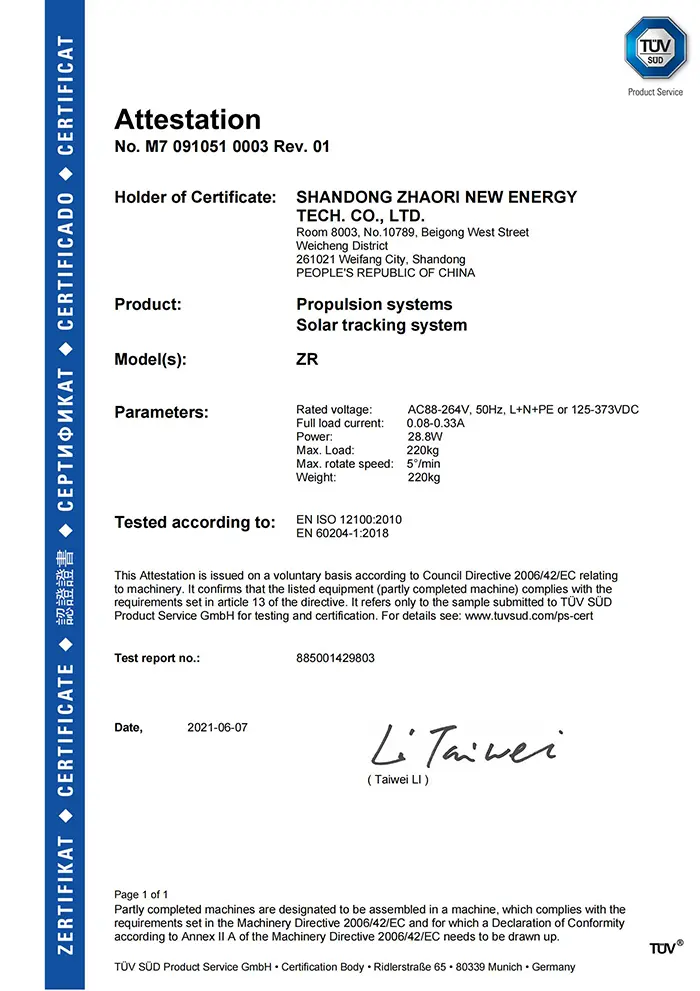
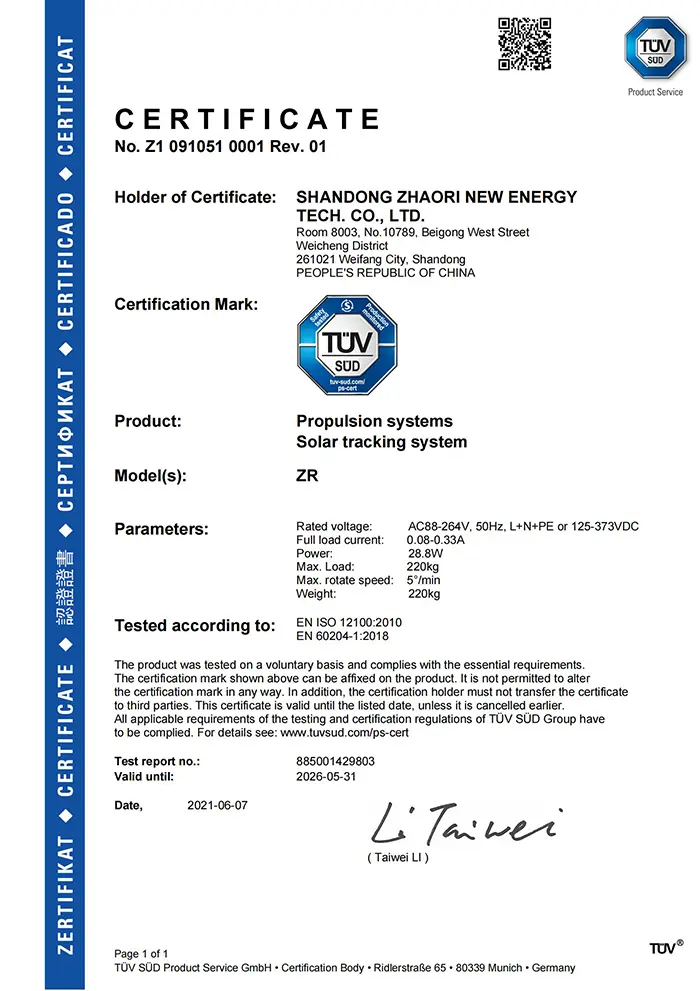
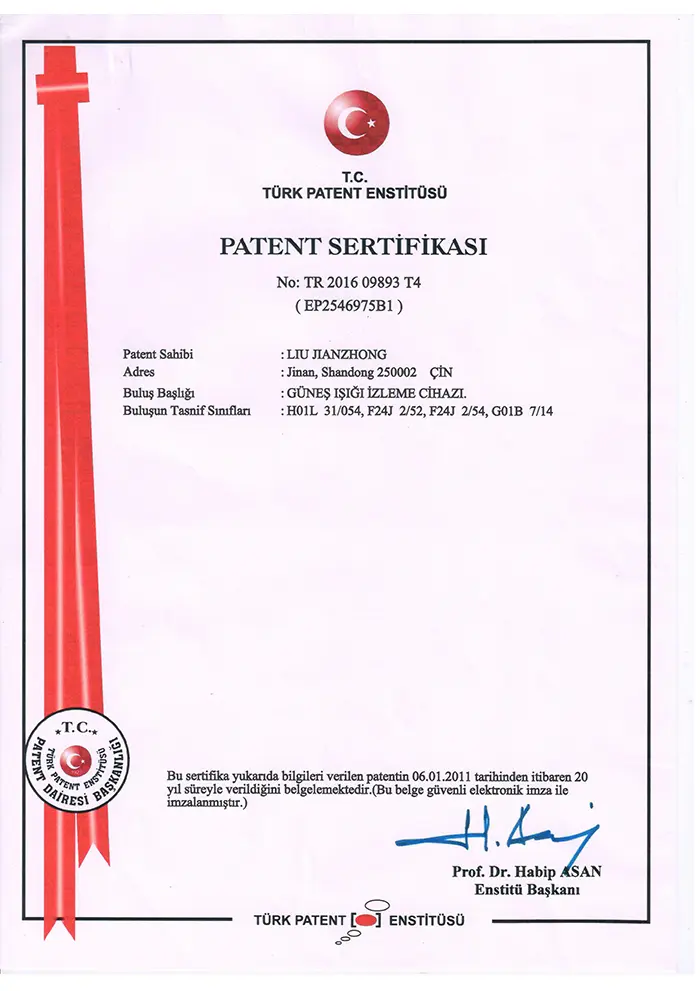
Operating in strict compliance with ISO, TUV, and CE quality management parameters, every component of our tracking structures is subject to extensive stress testing and load-deformation assessments to verify its resistance to atmospheric and environmental degradation.
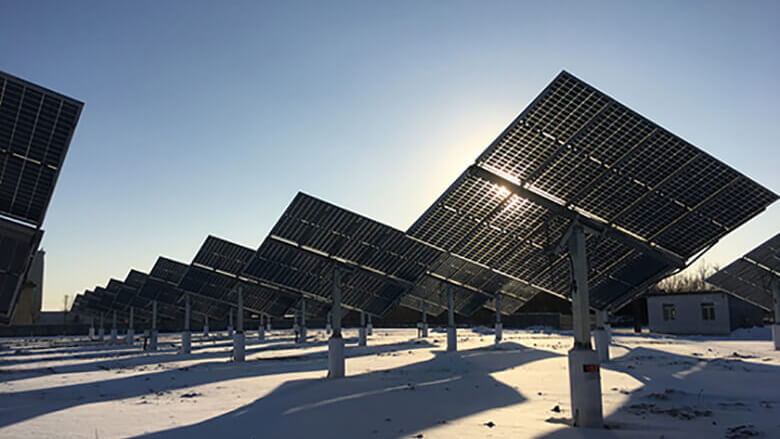
Reducing moving parts is critical to maintaining a low Operations and Maintenance (O&M) profile. Our tracking mechanisms limit structural friction and load points, significantly mitigating typical wear and tear associated with multi-row mechanical joints.
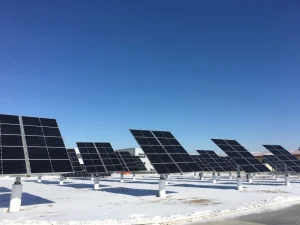
Tested dynamically in wind tunnels to withstand wind speeds up to 60 m/s. Integrated automated safety functions stow the arrays horizontally in extreme wind and high snow conditions to secure the tracker configuration and modules.
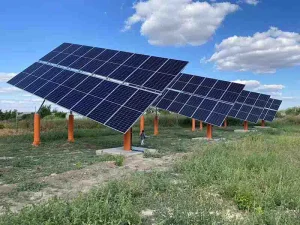
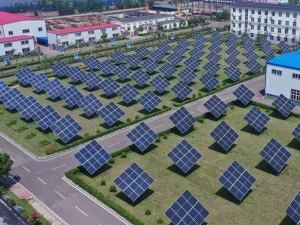
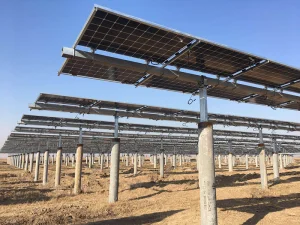
Our flat tracking systems with horizontal configuration generate up to 30% yield optimization over static mounts. The tilted single axis design (ZRT series) allows for a tilt adjustment of 10° to 30°, enhancing production at higher latitudes.
Solar trackers must operate in highly diverse and challenging climates worldwide. Shandong Zhaori New Energy Tech. Co., Ltd. has developed specialized designs tailored for specific, localized operational parameters.
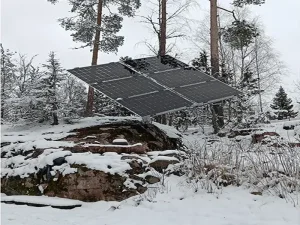
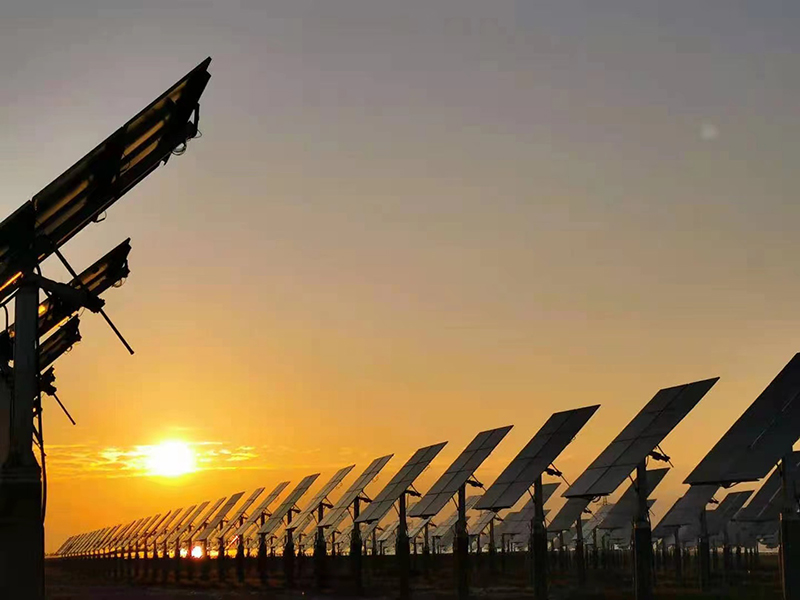
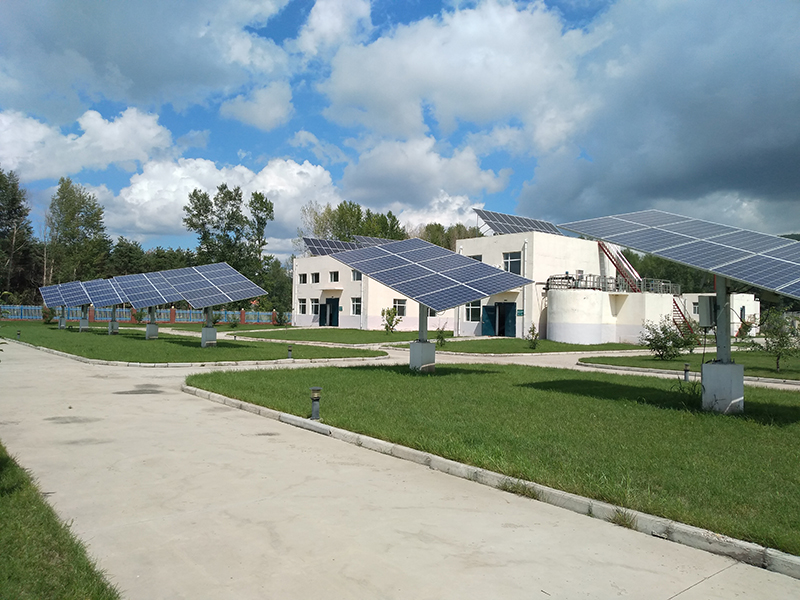
In northern and southern regions where the solar elevation angle is consistently low, flat horizontal trackers face performance drops due to sub-optimal tracking angles. The ZRT tilted single axis tracking system mitigates this constraint by integrating a fixed structural tilt (10° to 30°) while tracking the sun's azimuth angle. This dual characteristic maximizes energy absorption, yielding a 15% to 25% efficiency gain over standard setups.
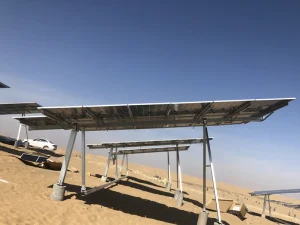
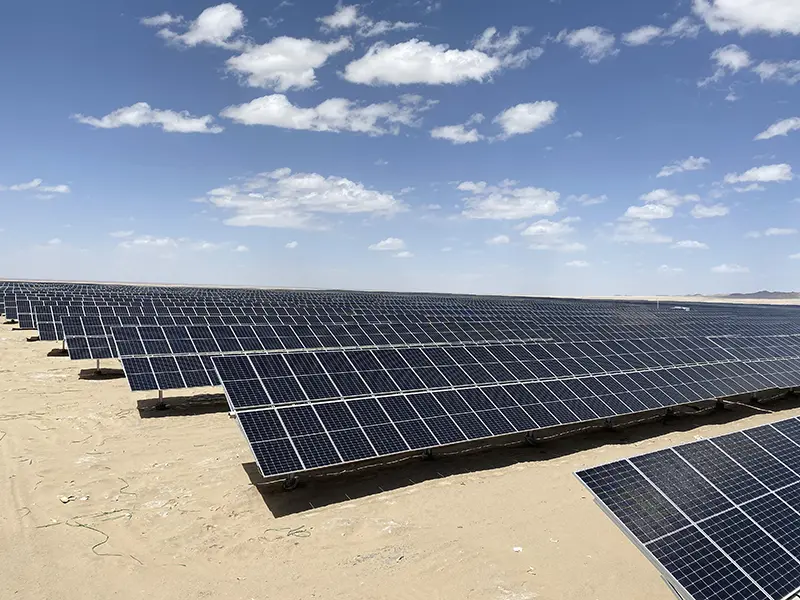
Utility-scale plants situated in arid regions face high mechanical stress from fine particulate dust and intense thermal fluctuations. Our drive mechanics are sealed to IP65/IP66 standards, ensuring dust protection and operational durability. Smart backtracking controls also minimize shading during sunrise and sunset, reducing hotspot risks under partial dusty surfaces.
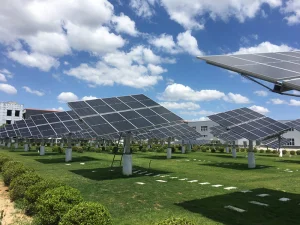
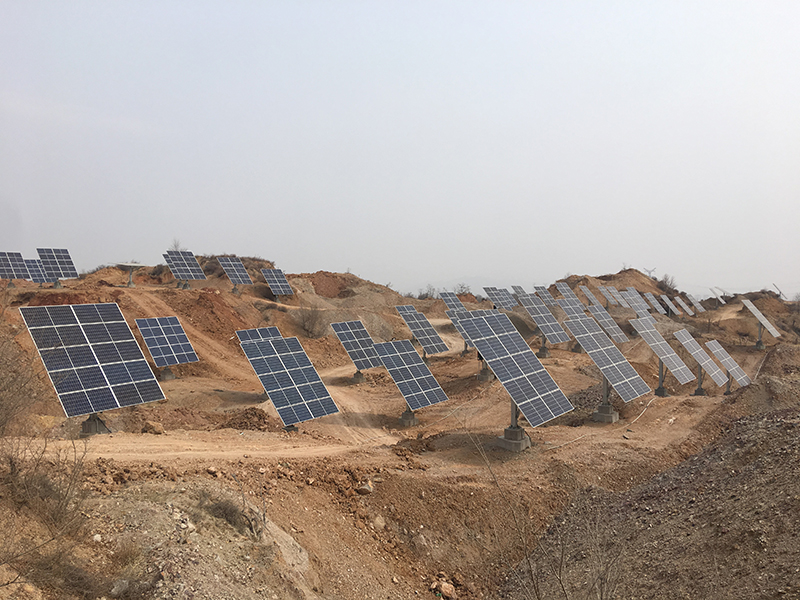
Our modular 1P and 2P single-row configurations offer high flexibility on complex slopes and uneven sites. Unlike mechanically linked multi-row systems, these self-contained systems adjust to slope profiles, eliminating heavy grading requirements and reducing civil engineering costs.
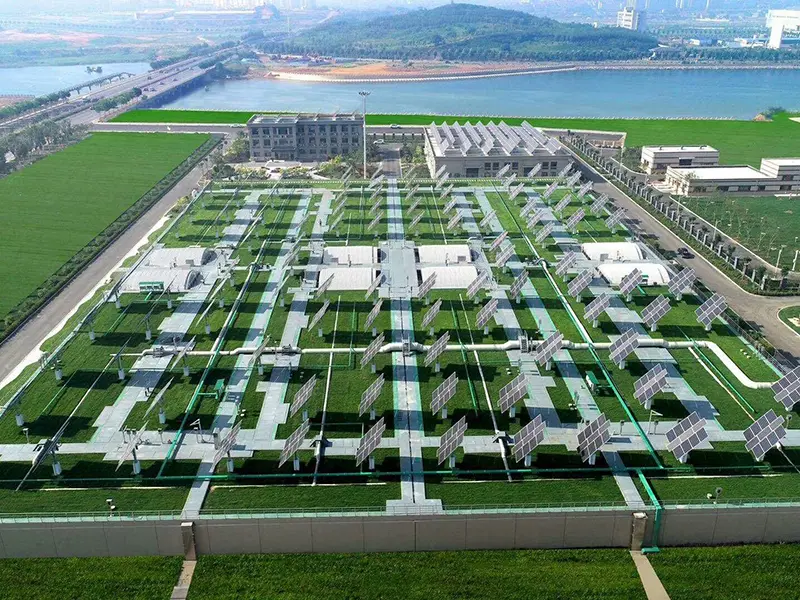
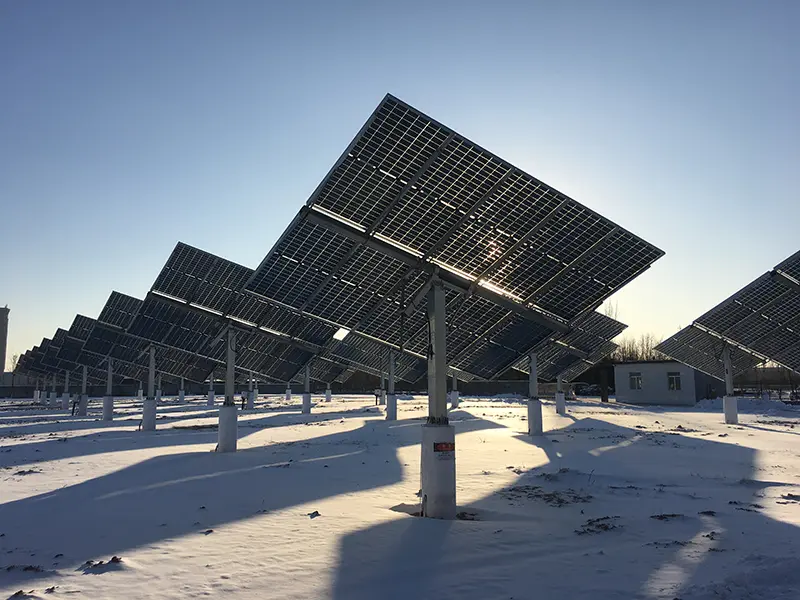
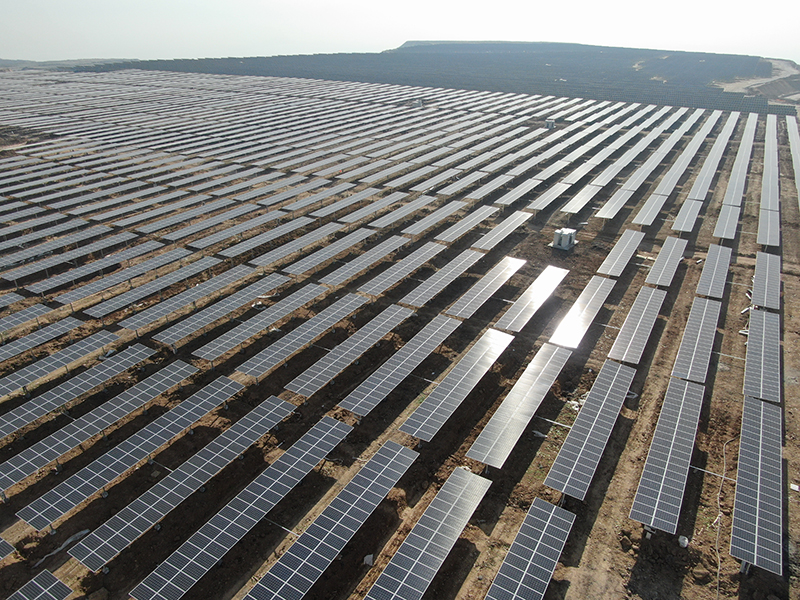
For EPC contractors, solar project developers, and investment funds, selecting a solar tracker is a critical commercial decision with 25-year financial implications. The evaluation matrix must look beyond structural CAPEX to consider overall plant reliability and lifetime cost efficiency.
Shandong Zhaori New Energy Tech. Co., Ltd. addresses these criteria by supplying international projects with comprehensive engineering documentation, structural analysis models, and dedicated field support during installation.


A single axis solar tracking system adjusts the orientation of solar modules throughout the day to track the sun's position. This configuration delivers an energy yield gain of 15% to 30% over standard fixed-tilt mount systems, depending on the site latitude and direct normal irradiance (DNI).
Our structures utilize intelligent wind speed sensors and integrated tracking controls. When local wind speeds exceed preset safety parameters (typically 18-22 m/s), the controller initiates a wind stow sequence, moving the panels to a horizontal or low-drag position. For snow accumulation, a similar tilt adjustment is deployed to slide snow off the active panel surface.
Leading Chinese tracker manufacturers, like Shandong Zhaori, benefit from robust supply chain integration, advanced industrial automation, and raw material access. Our 50,000 sqm facility incorporates advanced CNC equipment, automatic welding robots, and plasma processing systems. This setup supports a monthly output of 500MW, meeting global supply timelines while maintaining competitive pricing.
Yes, our modular flat and tilted single axis tracker structures are designed to follow irregular ground profiles. Standard multi-row tracking grids require extensive grading, whereas independent single-row trackers operate effectively on slopes and irregular parcels, reducing upfront civil engineering and earthwork costs.
 Zhaori