In the current renewable energy landscape, multi-national EPC contractors are shifting from fixed-tilt structures to Intelligent Semi-Tracking Systems. The primary driver is the optimization of Levelized Cost of Energy (LCOE). Our data indicates that large-scale utility projects in the MENA region and Southeast Asia are increasingly specifying "Semi-Automatic" or "Dual-Axis" trackers to maximize energy density in limited geographic footprints.
The global shift toward carbon neutrality has accelerated the demand for solar tracking. As bifacial module technology becomes standard, tracking systems provide the necessary angular precision to capture albedo light from the rear surface, often resulting in a cumulative yield increase of 25% to 40% compared to traditional mounting.
Unlike complex fully autonomous systems that require high maintenance, our Semi Tracking Systems focus on structural robustness. Designed for the harshest industrial environments—from desert heat to mountain snow—these systems utilize a "More Simple, More Reliable" philosophy that drastically reduces long-term O&M costs.
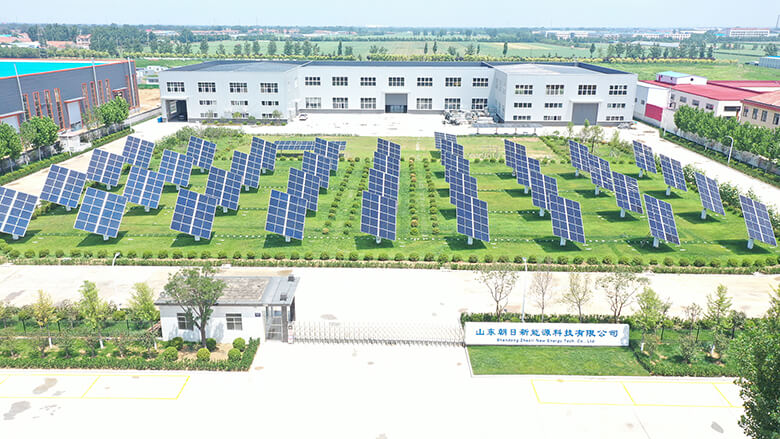
Founded in June 2012, we are a high-tech enterprise driven by independent intellectual property rights and a passion for solar efficiency. With over 10 specialized departments—including R&D, Technical Support, Quality Assurance, and I.M.D.—our team of 60+ professional engineers has spent over a decade perfecting photovoltaic power station integration.
Our core mission is to provide global enterprises with tracking technology that is not only effective but fundamentally simplified for the end-user. We bridge the gap between high-tech innovation and practical, on-site industrial application.
Our 50,000 square meter facility serves as a benchmark for automated PV mounting production.
Equipped with CNC machine tools, laser cutting machines, and automatic welding robots to ensure sub-millimeter accuracy in every bracket.
With 300+ skilled workers and dozens of production lines, we maintain a production capacity of 500MW per month.
From raw material screening to anti-rust treatment and post-processing, every component follows ISO-certified quality management.
By 2025, our technology roadmap focuses on AI-Driven Tracking Algorithms. This includes real-time cloud analysis for diffuse light optimization and automated "Storm Protection Modes" that utilize IoT sensors to adjust panel angles during extreme wind events. Our current systems, including the ZRD and ZRT series, already integrate elements of this roadmap, providing a future-proof investment for utility developers.
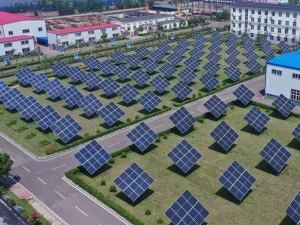
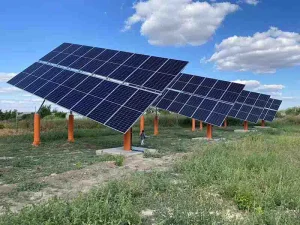
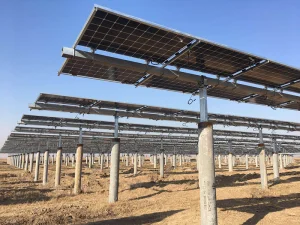
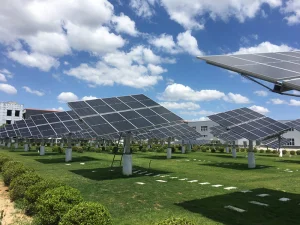
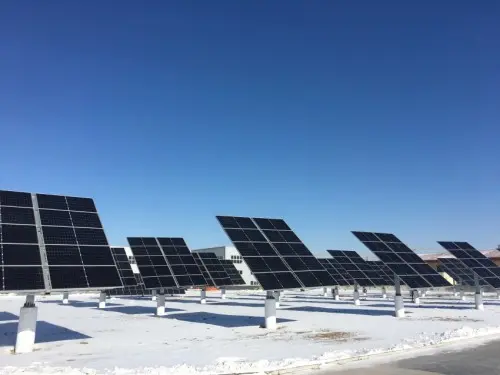
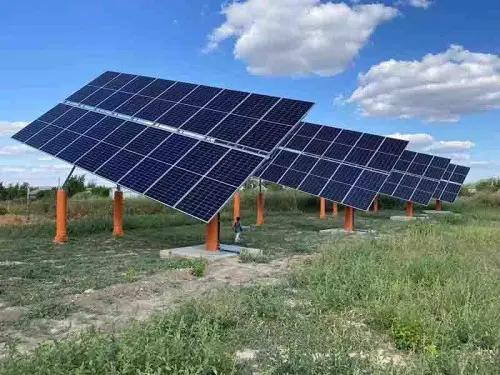
The pinnacle of solar yield. By tracking both azimuth and altitude, the ZRD series ensures the solar modules are always perpendicular to the sun's rays. Gain: Up to 40%.
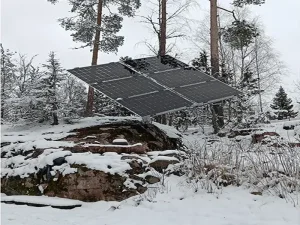
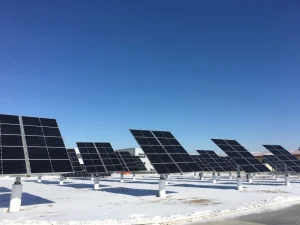
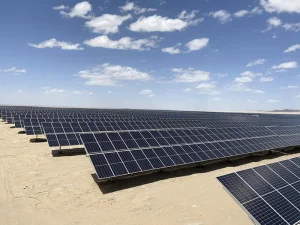
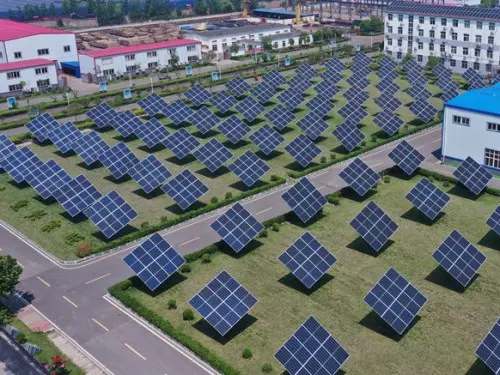
The perfect balance of cost and performance. A tilted axis (10°-30°) specifically designed for high-latitude regions. Gain: 15% - 25%.
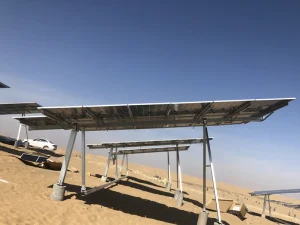
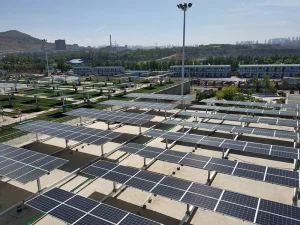
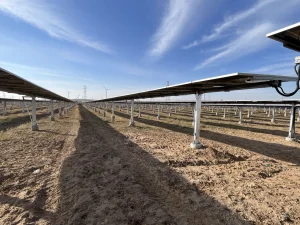
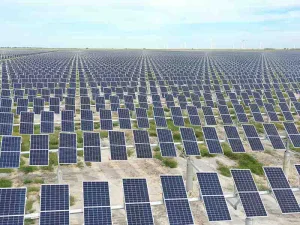
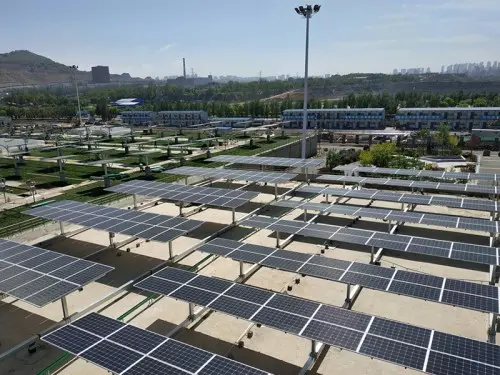
Optimized for bifacial modules. Large-scale string configurations allow for 10-60 panels per row, reducing motor costs and installation time. Gain: 15% - 30%.
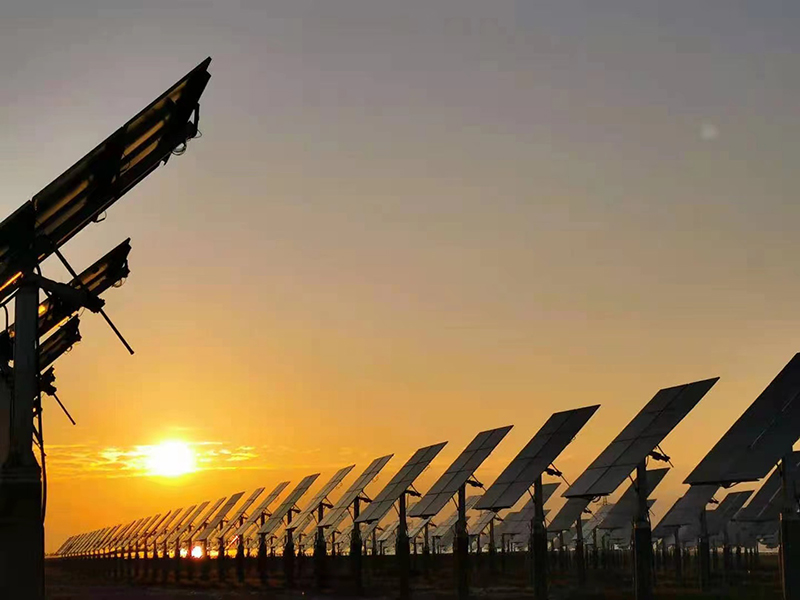
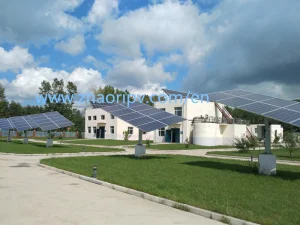
Dual-Axis ZRD implementation.
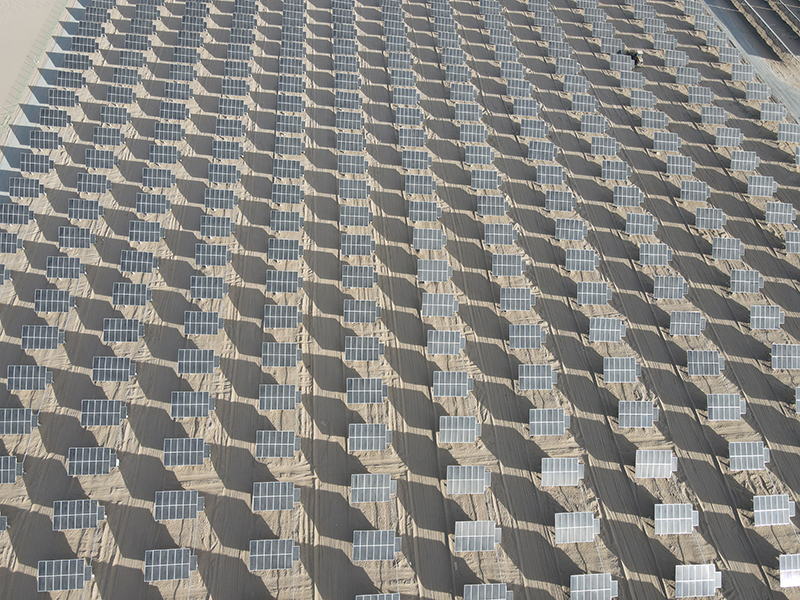
Tilted single-axis in extreme conditions.
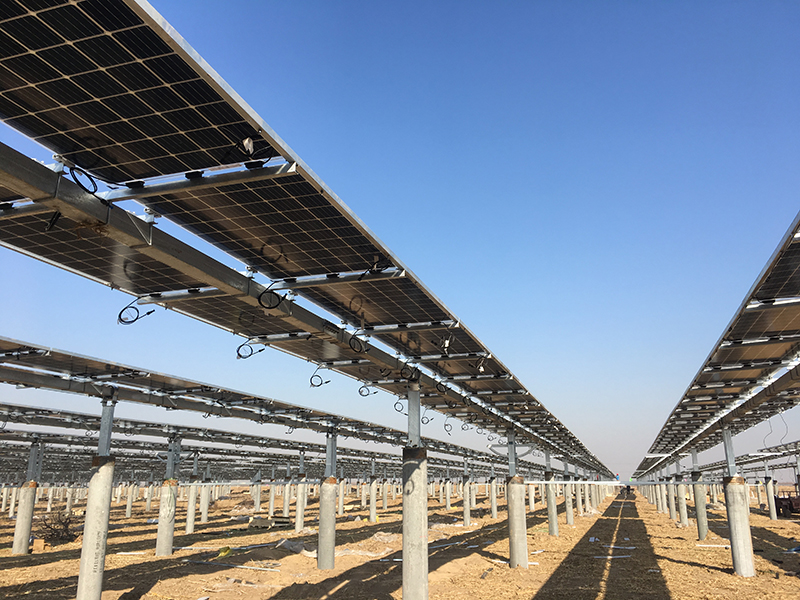
Advanced tracking for double-sided capture.
Our commitment to quality is backed by international patents and rigorous testing.
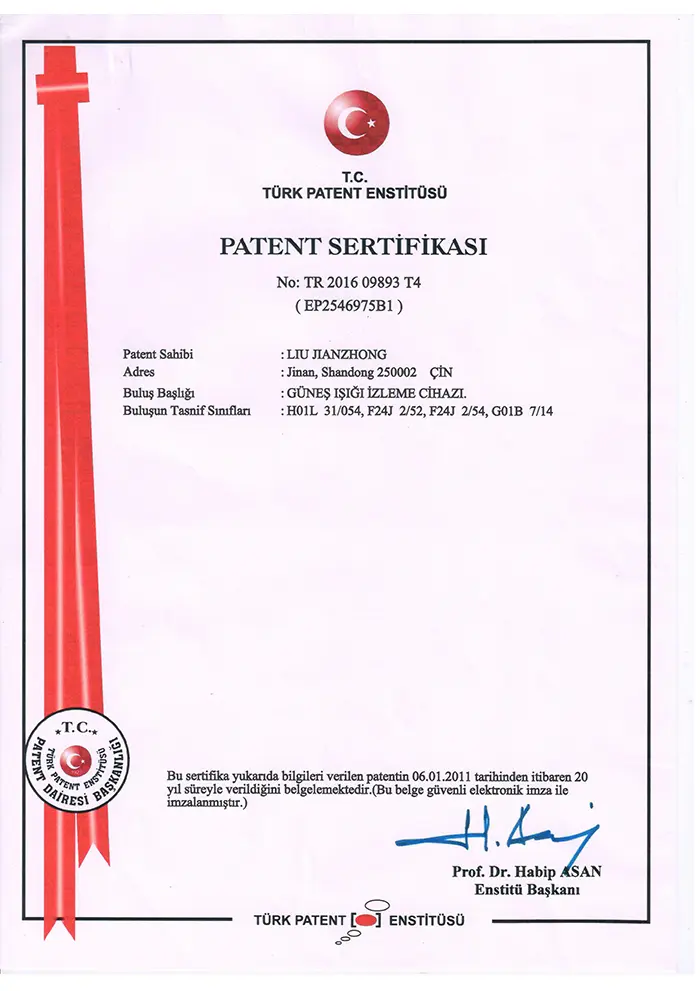
Europe (EPO), USA, Canada, Australia, Japan, South Korea, India, and more.
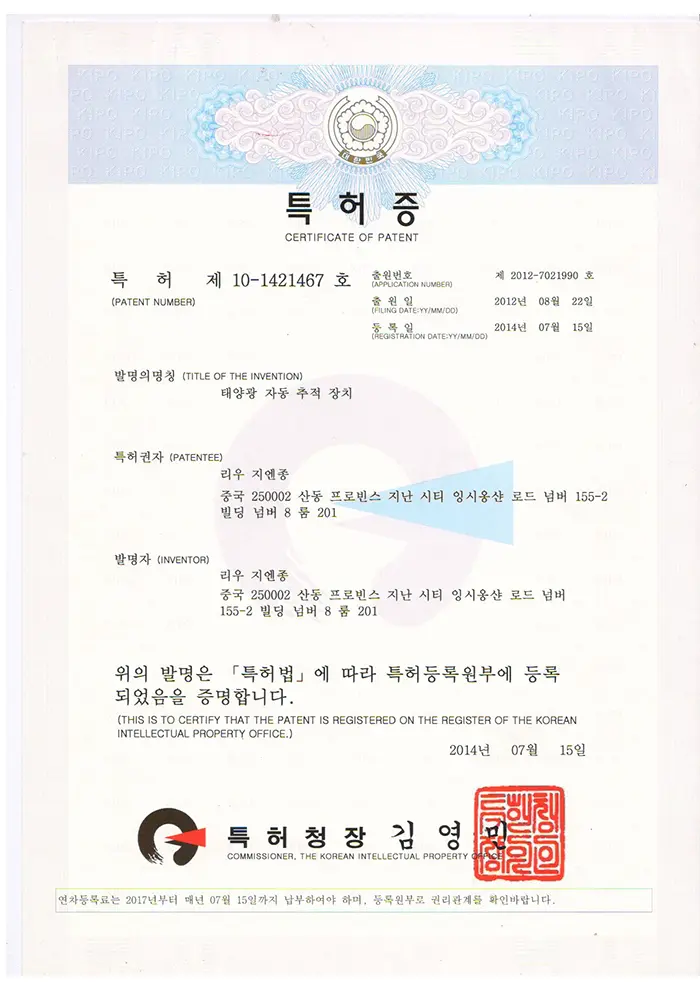
TUV, CE, ISO Quality Management System Certification.
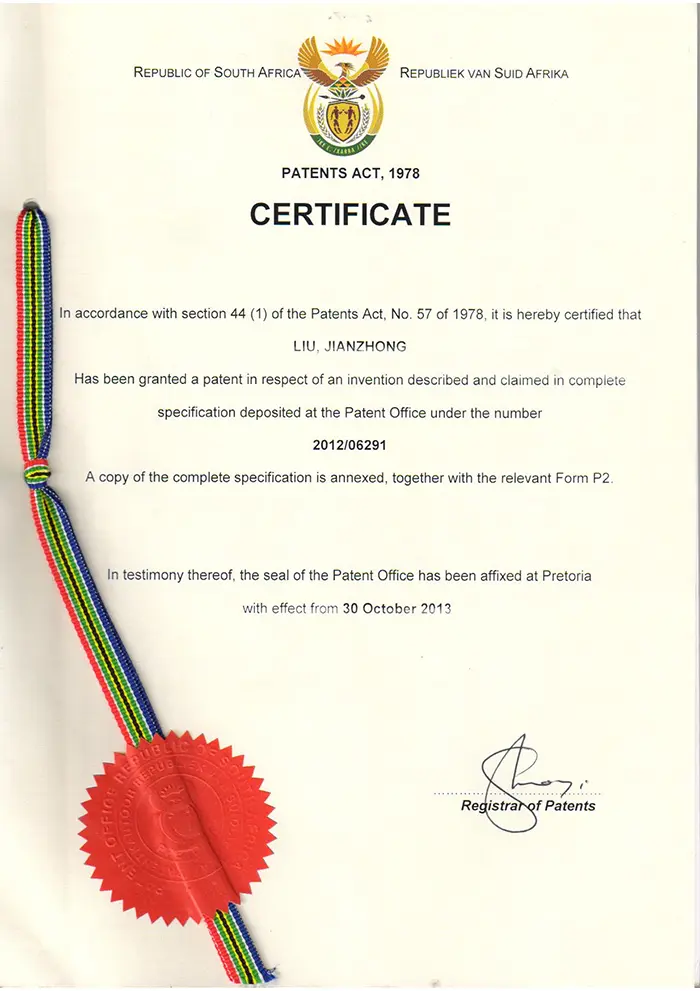
8 Chinese National Invention Patents & 30+ Utility Models.
Semi-automatic systems often utilize seasonal or scheduled adjustments combined with precise single-axis movement, offering a higher ROI for certain industrial applications where maintenance labor is expensive or remote.
Our ZRD series features an automated "Stow Mode" which flattens the panels to a horizontal position when wind sensors detect speeds exceeding safety thresholds, protecting the gears and modules from structural failure.
Yes. Shandong Zhaori provides full localization support, ensuring all structural engineering and electronic control components meet the specific electrical and building codes of your target country, including CE and UL standards.
Our industrial-grade actuators are rated for 25 years of service, matching the typical lifespan of modern high-efficiency PV modules.
 Zhaori