Explore our premium product line manufactured under absolute quality controls and patented globally.
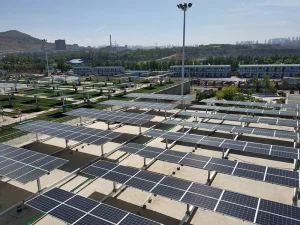
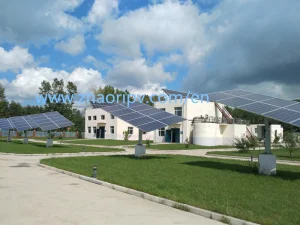
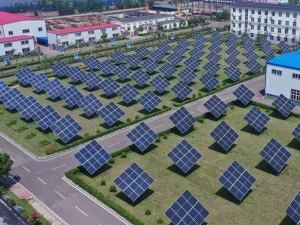
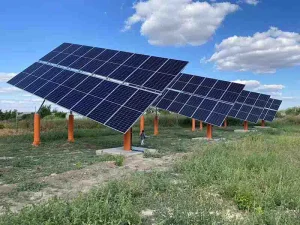
An in-depth analysis of structural engineering, astronomical controls, and macroeconomic advantages of next-generation PV trackers.
The global energy landscape is transitioning at an unprecedented speed, with utility-scale photovoltaic (PV) systems leading the charge. Historically, fixed-tilt structures were preferred for their simplicity and low initial capital expenditure (CAPEX). However, as PV module prices drop and target land areas become complex, the financial metrics of solar projects rely heavily on maximizing power density and generation yield. This shift has placed PV Sun Tracking Systems at the center of modern clean energy planning.
Compared to static mounting brackets, a dynamic solar tracker adjusts the orientation of solar modules throughout the day, following the sun's trajectory. By minimizing the angle of incidence between the incoming solar rays and the module surface, trackers dramatically boost the specific yield of the system. For developers, EPCs (Engineering, Procurement, and Construction), and long-term asset owners, selecting a reputable PV Sun Tracking System company is no longer just a structural procurement decision; it is a critical strategy to minimize the Levelized Cost of Energy (LCOE) and maximize Return on Investment (ROI).
The utility-scale solar tracker market has evolved into a multi-billion-dollar global sector. Today, the deployment of solar trackers is standard in regions with high direct normal irradiance (DNI), such as the Southwestern United States, parts of Latin America, Spain, Australia, the Middle East, and major desert regions across China. However, recent technological advancements have made trackers commercially viable in regions with diffuse light conditions and mid-to-high latitudes.
Standard flat single-axis systems yield 15% to 30% more energy than traditional fixed brackets, depending on local latitude and climatic conditions.
Integrating trackers with bifacial solar panels leverages ground-reflected albedo light, creating a synergistic effect that boosts yields by an additional 5% to 10%.
By producing a broader and flatter generation curve throughout the day, trackers feed solar power into grids more consistently, mitigating the midday peak energy glut.
As grid connection criteria grow more stringent and merchant power prices fluctuate, the ability of trackers to extend solar generation into the early morning and late afternoon hours provides immense economic value. This "shoulder generation" is highly prized in competitive wholesale electricity markets, making tracker technologies a standard specification in modern project finance.
R&D Focus & Engineering Experience
Monthly Production Capacity
Advanced CNC & Robot Factory Area
Maximum Energy Yield Gain
At the forefront of this global energy paradigm is Shandong Zhaori New Energy Tech. Co., Ltd. Founded in June 2012, our organization has established itself as an intellectual property leader in smart solar tracking. Across our 10 specialized departments—including R&D, Technical, Engineering, QA, Foreign Trade, and I.M.D.—we host a talented team of more than 60 professional technology experts focused on innovating solar structures.
Our manufacturing base covers an expansive 50,000 square meters and features state-of-the-art CNC machine tools, high-speed fiber laser cutting machines, automated welding robots, precision plasma cutters, and dozens of specialized assembly lines. With over 300 highly skilled factory workers, our monthly production capacity reaches 500MW. Our operations adhere strictly to international quality management system certifications, with rigorous checks ranging from raw steel material screening and anti-rust hot-dip galvanization to final tolerances, ensuring mechanical integrity for a 25-year operational lifespan.
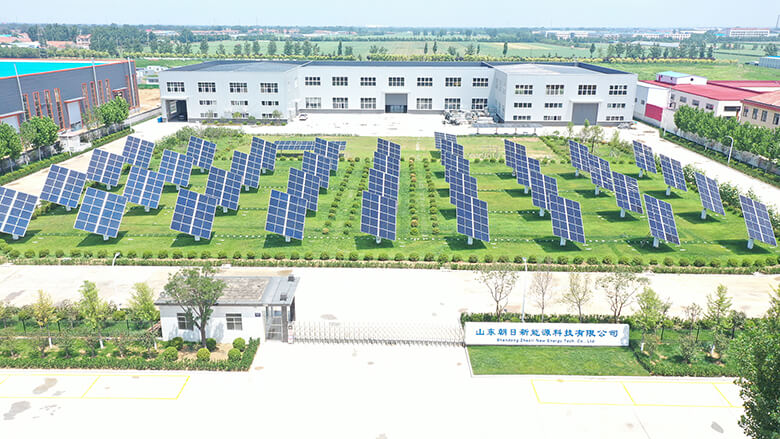
Our Advanced Production Facility in Shandong, China
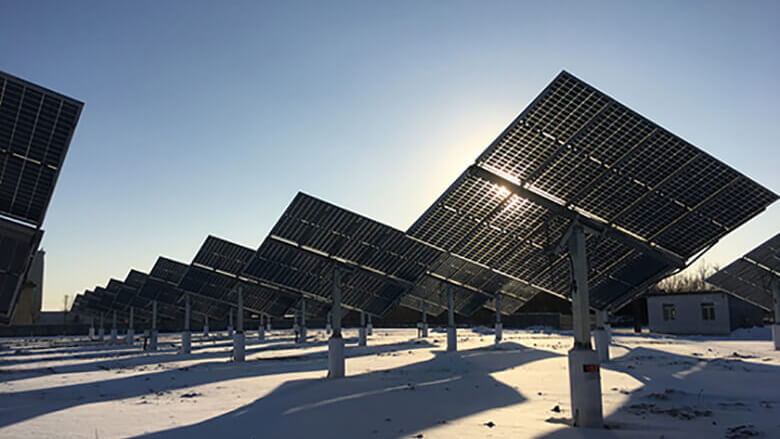
Automated Manufacturing Operations ensuring structural precision
Understanding which tracking architecture is best suited for a specific project requires an evaluation of local terrain, environmental risks, and financial boundaries. Our patented designs are centered around three core architectures:
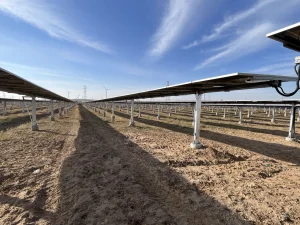
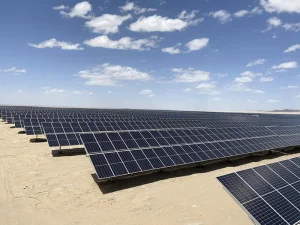
The flat single-axis system rotates along a single horizontal axis, parallel to the ground. This system is the global standard for large-scale utility projects located in flat, low-latitude areas. By keeping the modules horizontal and incorporating specialized backtracking algorithms (which tilt the panels slightly back during early mornings and late afternoons to prevent row-on-row shadowing), the ZRP flat tracker yields 15% to 30% more energy than static systems. The design is simple, utilizes fewer motors per megawatt, and has lower CAPEX and OPEX requirements.
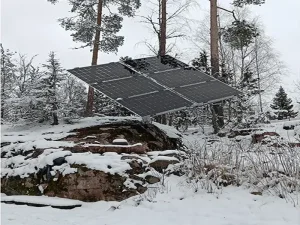
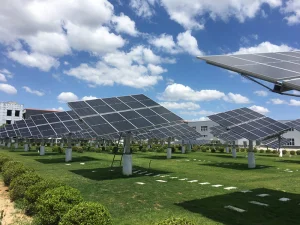
For mid-to-high latitude regions where the sun remains low in the sky, flat single-axis trackers lose performance. The ZRT tilted single-axis tracking system solves this problem. By tilting the primary axis of rotation between 10° and 30°, the PV array is optimally angled toward the sun. Operating on a single axis that tracks the sun's azimuth angle, ZRT systems can support 10 to 20 solar modules per unit. This configuration delivers an energy gain of 15% to 25%, making it highly effective for regions in Northern Europe, Canada, and Northern Asia.
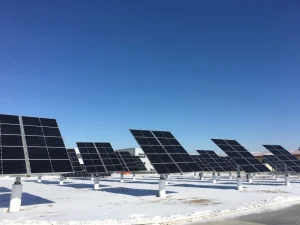
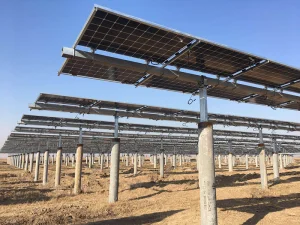
For ultimate efficiency, our ZRD Dual-Axis systems track the sun in both the azimuth (horizontal) and elevation (vertical) directions. This keeps the modules perpendicular to the sun's rays at all times, securing the maximum possible solar generation. Dual-axis trackers yield up to 35% to 40% more energy than fixed installations. They are especially beneficial in harsh winter conditions, as the steep tilt angles allow snow to slide off automatically, and in mountainous terrains where complex typography makes single-axis configurations impractical.
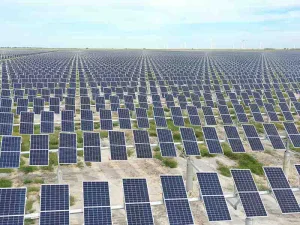
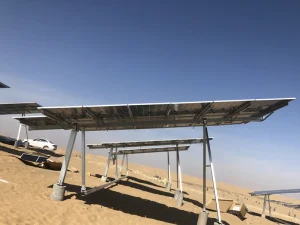
Witness our engineering expertise deployed in diverse conditions globally, from heavy snow mountains to arid desert sands.
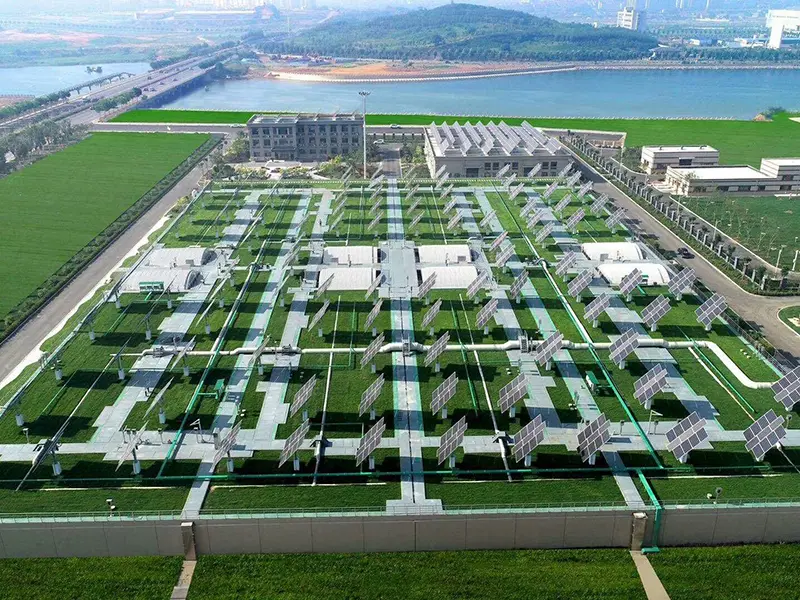
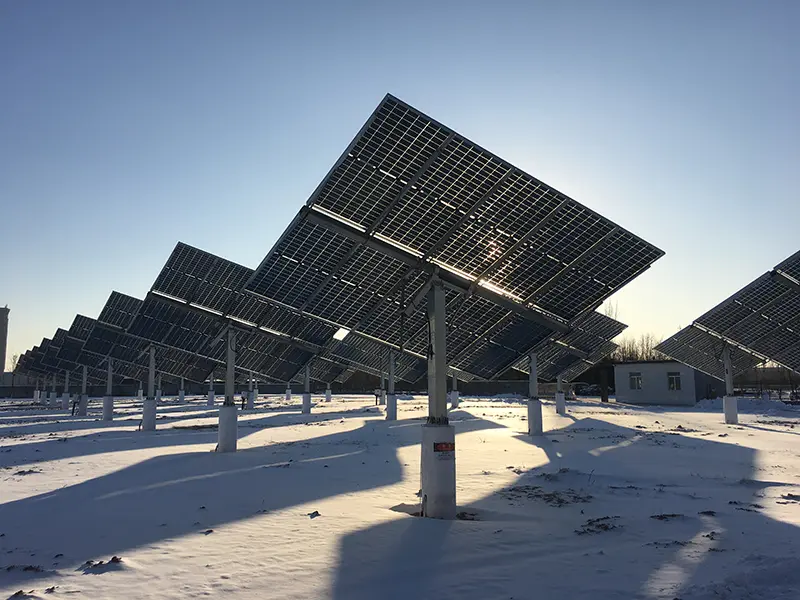
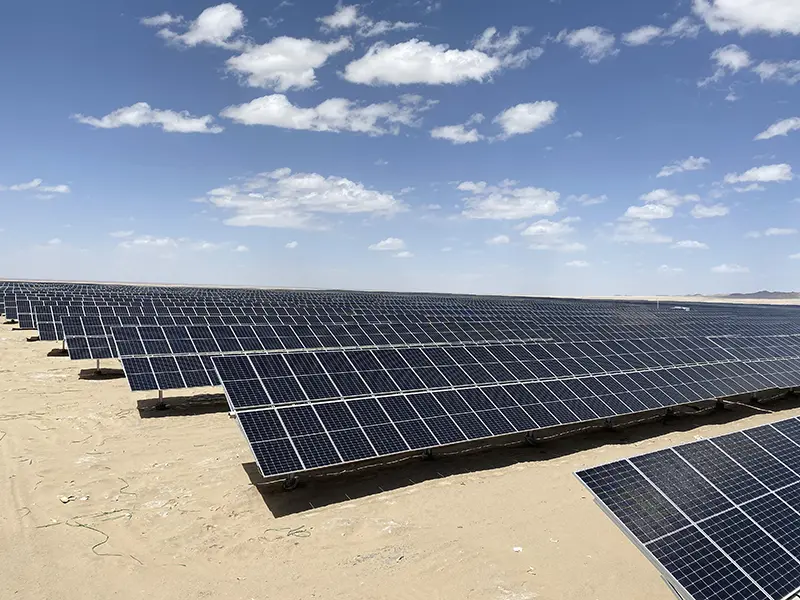
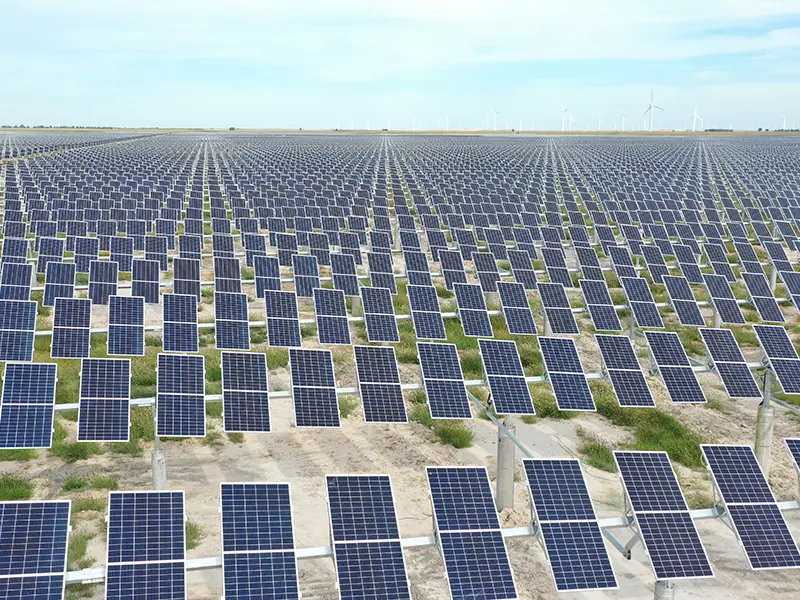
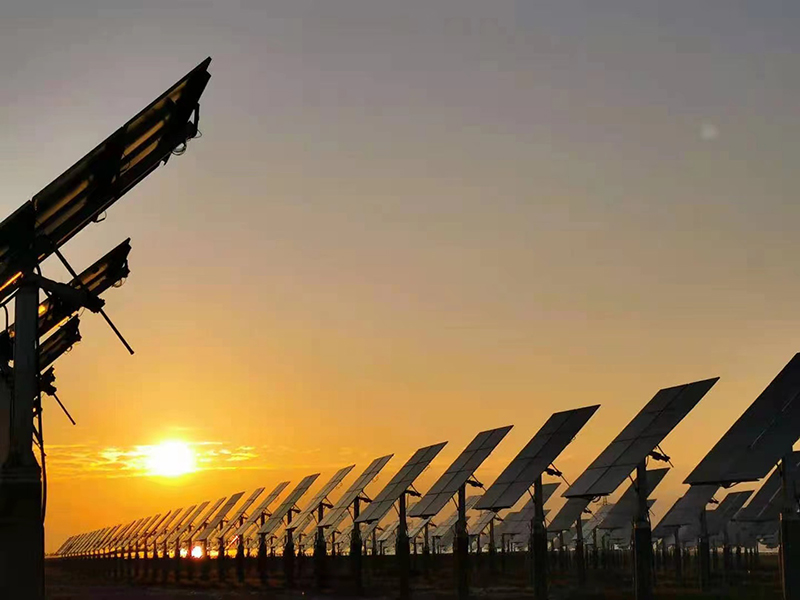
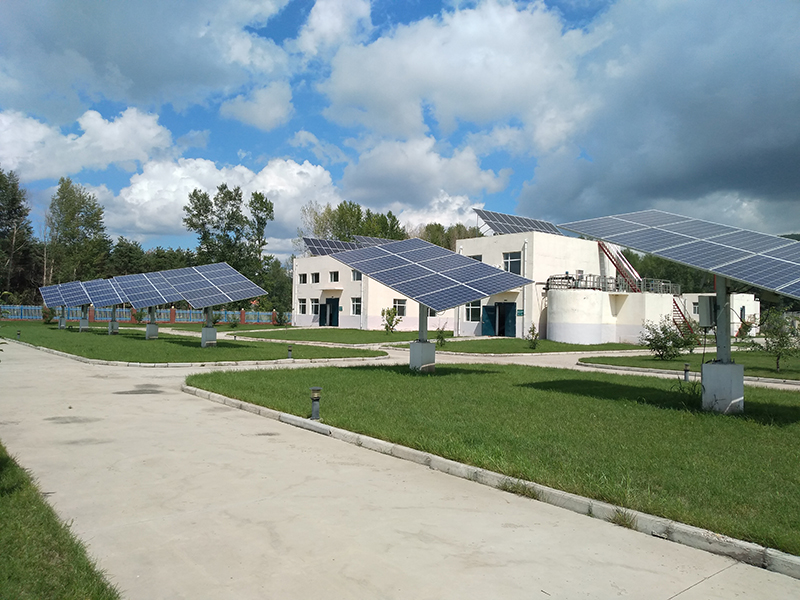
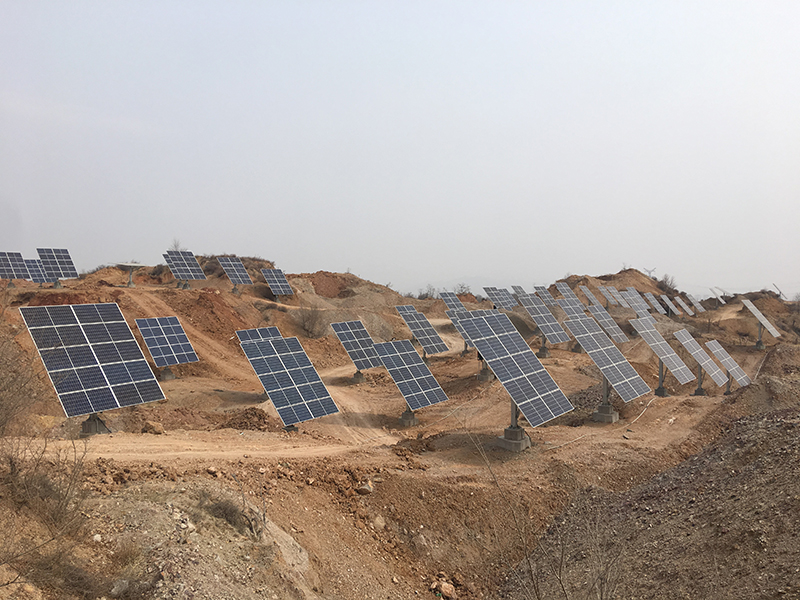
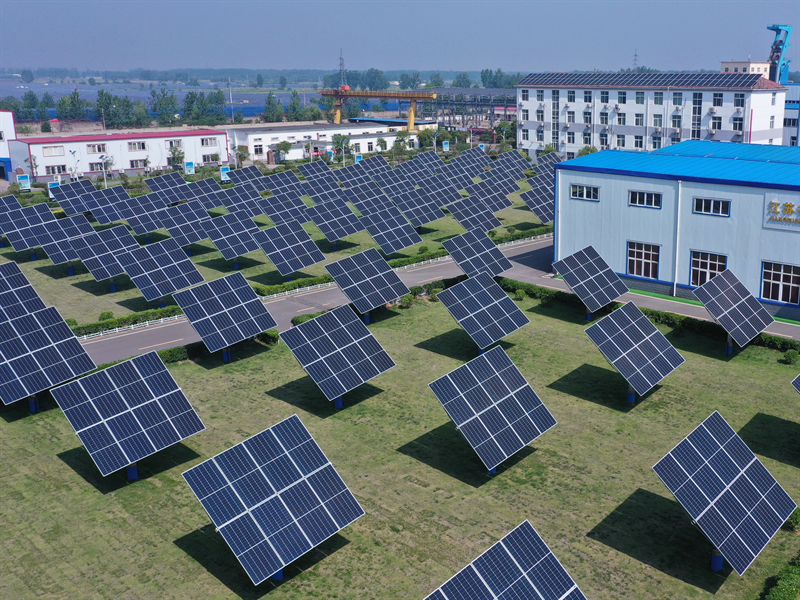
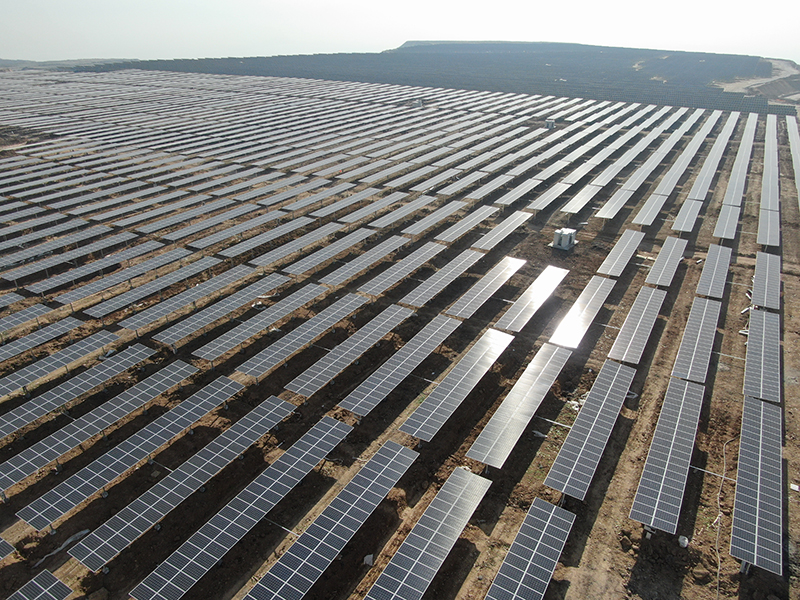
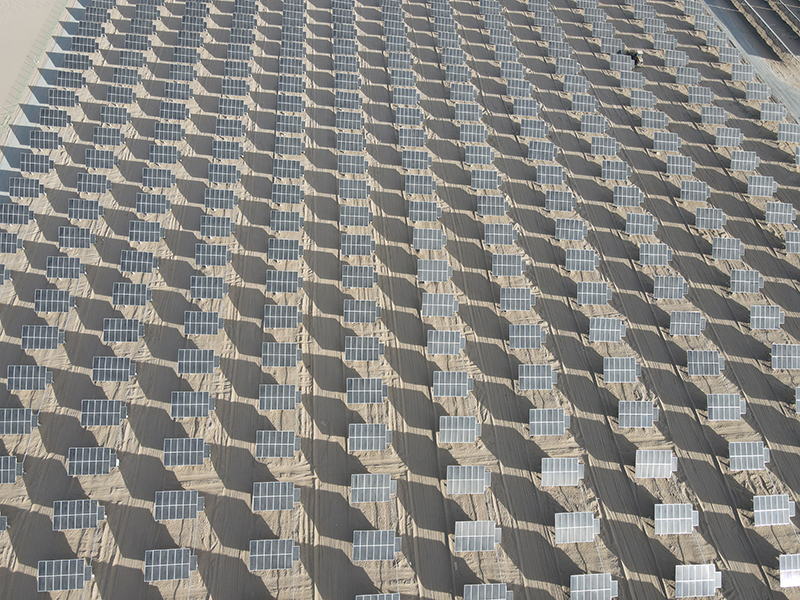
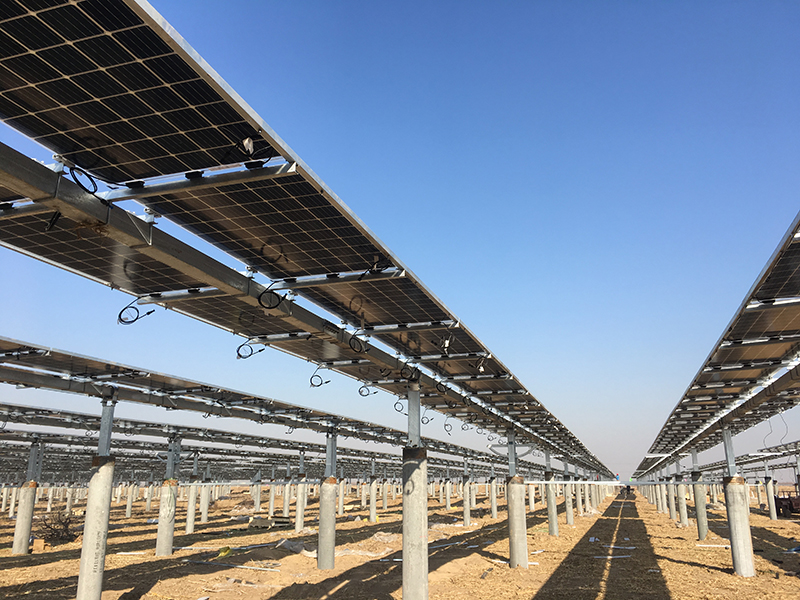
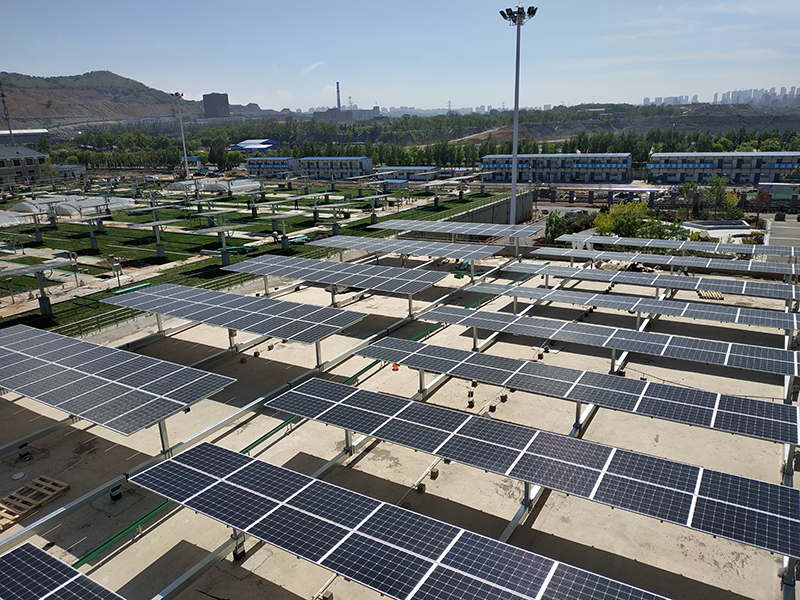
Different regions present unique environmental challenges that must be accounted for during the structural design phase of a solar tracker project:
As PV technology moves toward larger formats (210mm wafer standards) and high-efficiency N-type cells, tracking technology must evolve in tandem. The future of PV sun tracking lies in smart integration:
1. AI-Driven Backtracking Algorithms: Standard mathematical tracking assumes clear sky conditions. Real-world conditions, however, often feature scattered clouds, ground albedo differences, and diffuse light. AI controllers analyze real-time irradiance data to determine the optimal angle for maximum diffuse light capture, rather than sticking to fixed solar calculations.
2. SCADA and IoT Integration: Modern tracking units are node devices within a larger industrial Internet of Things (IoT) network. Through wireless communication (Zigbee, LoRa, or cellular), site managers can monitor panel angles, mechanical torque, and wind alerts in real time, shifting maintenance from reactive to predictive.
3. Advanced Metallurgy and Coatings: To support a 25-year structural warranty in corrosive marine or desert industrial settings, trackers are manufactured using Zn-Al-Mg (Zinc-Aluminum-Magnesium) coated steels, which offer superior self-healing corrosion resistance compared to traditional hot-dip galvanization.
Watch our tracking systems in operation across large-scale commercial installations globally.
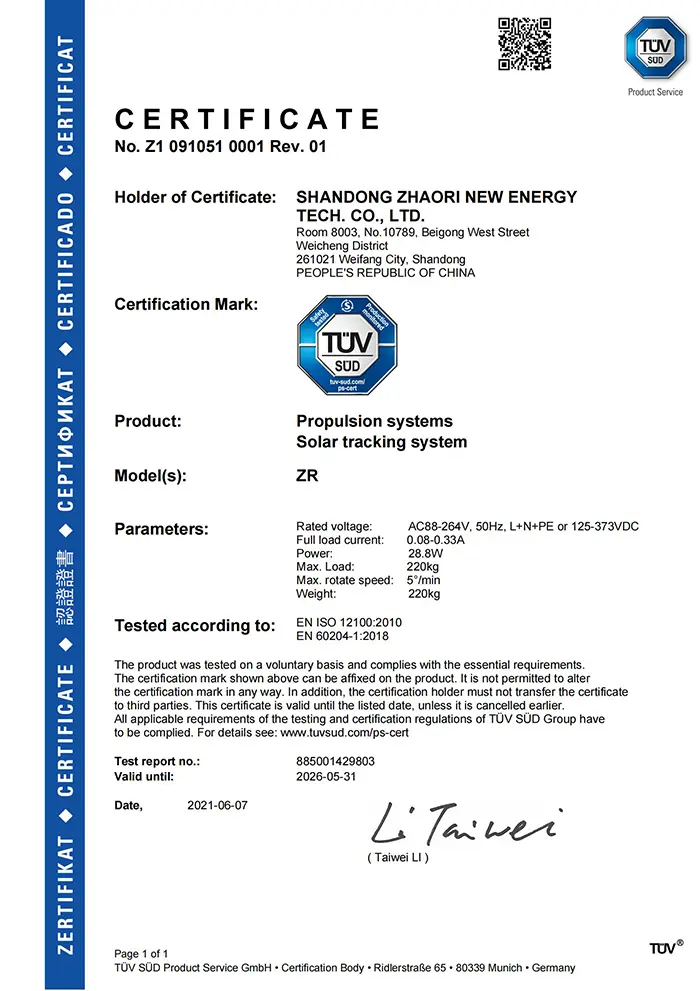
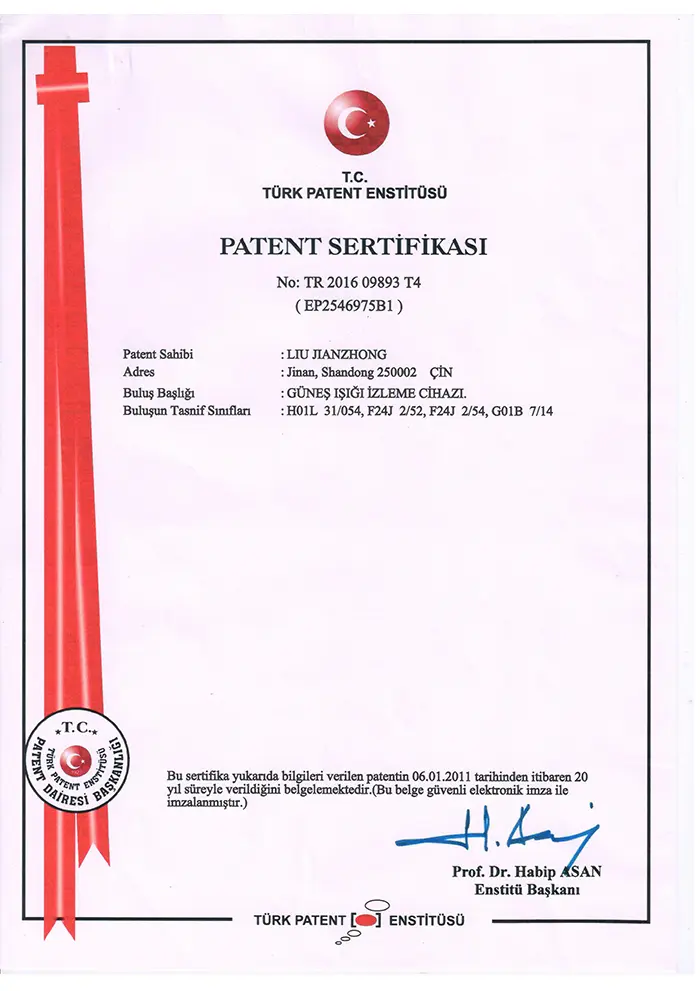
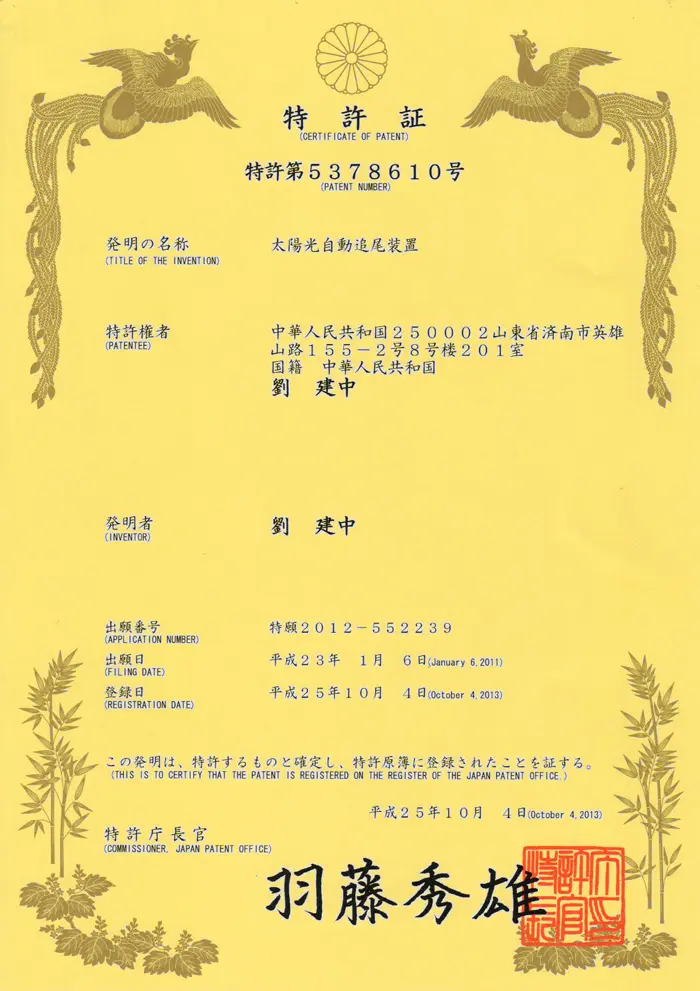
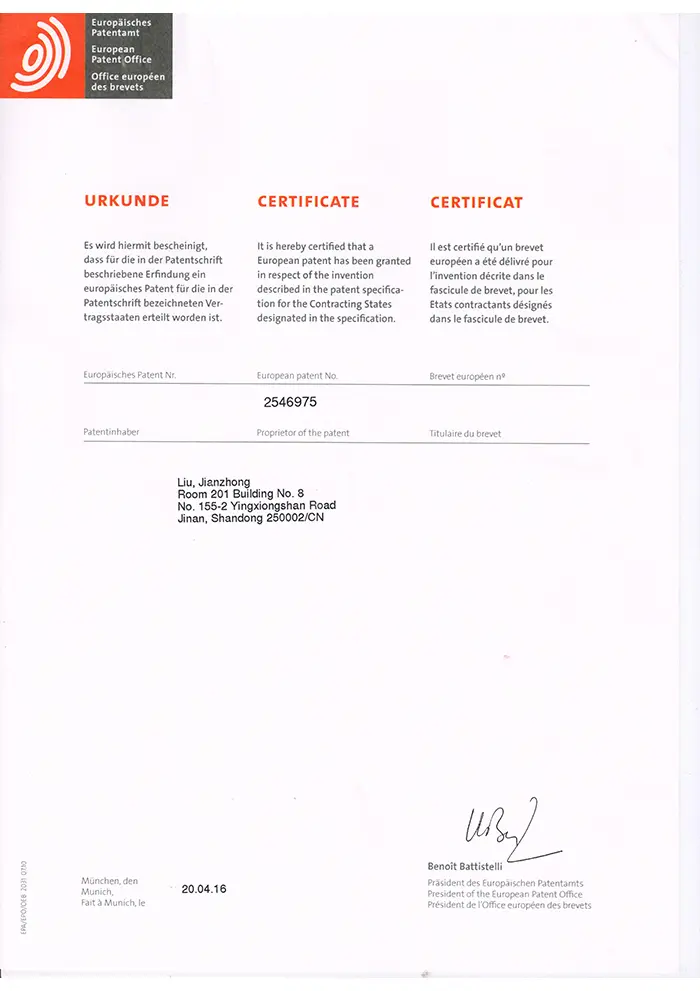
Our commitment to reliability is validated by leading global standards testing authorities, including TUV, CE, and ISO.
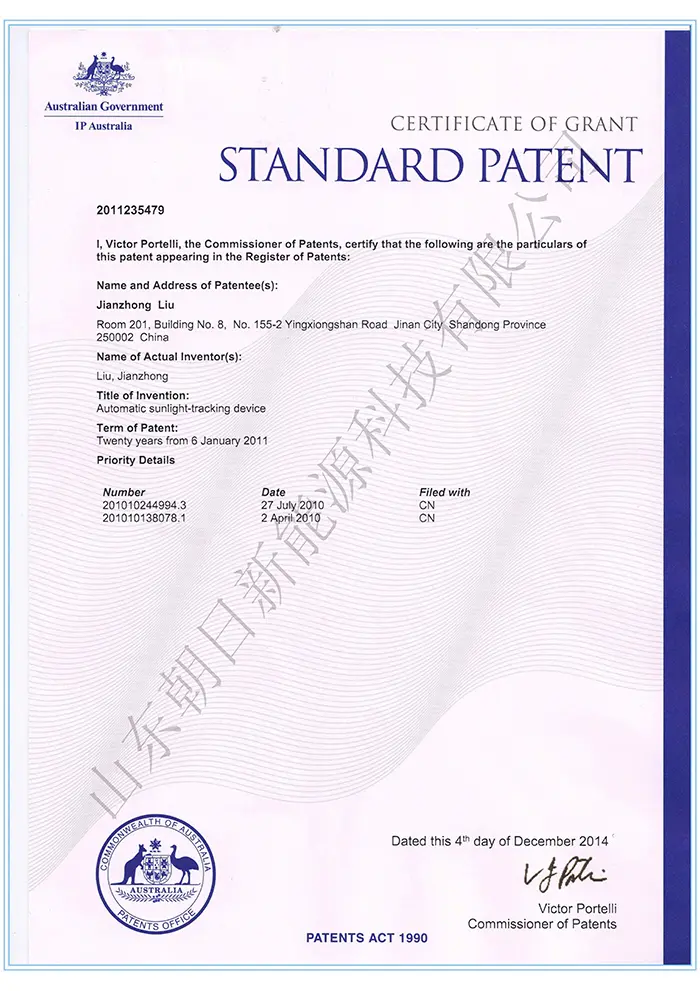
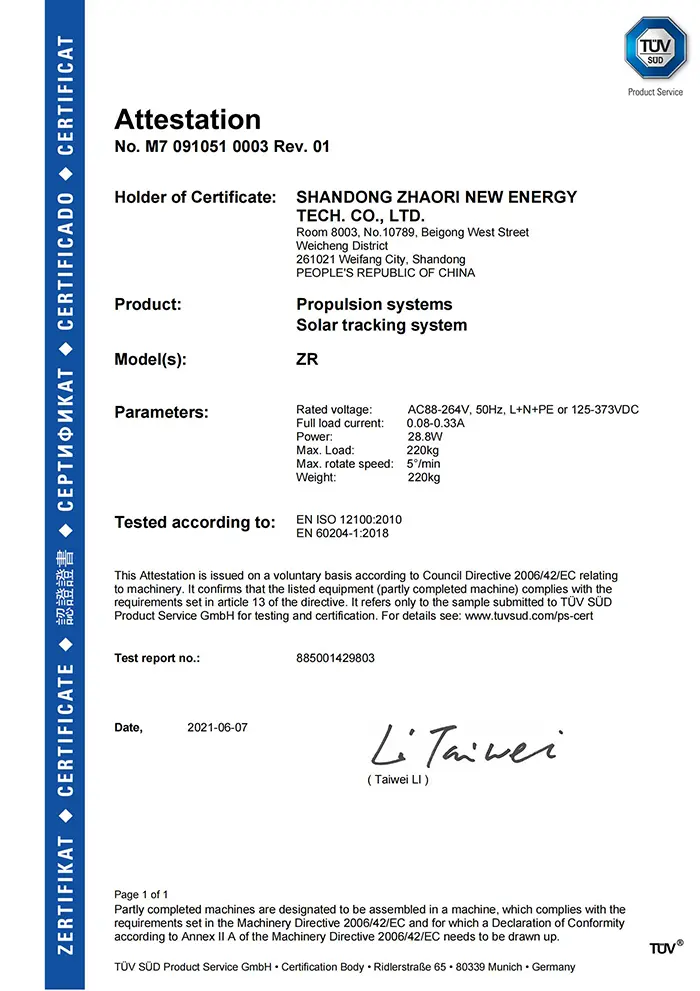


Clear answers to help you evaluate the performance, costs, and installation requirements of our PV sun tracking systems.
A dynamic tracking system rotates the PV modules throughout the day to match the sun's position. This reduces the angle of incidence, generating 15% to 30% more energy for flat single-axis systems, and up to 35% to 40% more for dual-axis systems, compared to fixed-tilt options.
Our systems are designed using structural simulations to withstand winds up to 140–160 km/h (depending on the exact model and site criteria). During high-wind conditions, the automated control system shifts the tracker into its horizontal stow position to minimize wind loads and protect the structural components.
Our trackers feature a smart "snow-dump" routine. If local snow sensors detect heavy snow accumulation, the tracking system automatically angles the arrays to a steep vertical position, letting snow slide off the modules. This keeps them clean and ready to produce power as soon as irradiance returns.
Yes, our tracking systems are designed to minimize structural shading on the rear side of bifacial modules. This allows rear cells to collect reflected ground light (albedo), maximizing the energy harvest from bifacial configurations.
Our tracking structures are designed for a 25-year operational lifespan, matching the typical longevity of standard PV modules. We offer a 10-year structural warranty on mechanical elements, with specialized warranties for drive systems and electronic controls.
Select from our complete range of tracker configurations to find the optimal design for your site.
 Zhaori