Engineered for Maximum Photovoltaic Efficiency

Why PLC-Based Logic is the Gold Standard for Modern PV Infrastructure
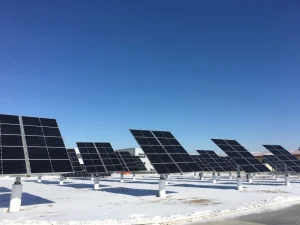
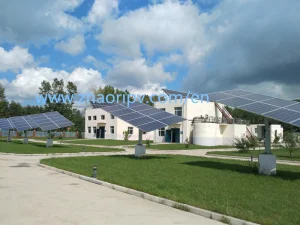
As of 2024, the global solar market has shifted from "capacity expansion" to "efficiency optimization." Standard fixed-tilt systems are increasingly being replaced by active tracking technologies, which can enhance energy yield by 15% to 35%. Within this transition, the PLC (Programmable Logic Controller) based solar tracking system has emerged as the most reliable industrial choice, particularly for utility-scale projects in harsh environments.
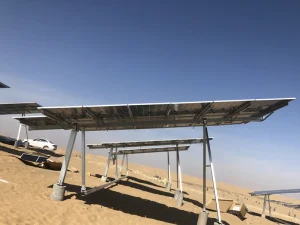
Unlike basic microcontroller units (MCU), PLC systems offer modularity, high resistance to electromagnetic interference, and the ability to integrate with SCADA systems. In regions like the Middle East and North Africa (MENA), where ambient temperatures exceed 50°C, or in high-latitude regions like Scandinavia with heavy snow loads, the robustness of a PLC-based architecture ensures that the "Return on Investment (ROI)" is not negated by maintenance costs.
The current commercial landscape is characterized by a push toward Bifacial+Tracker combinations. By utilizing a PLC-controlled system that can execute sophisticated "backtracking" algorithms, developers can eliminate shadow casting from adjacent rows and maximize the albedo effect from the rear side of modules, potentially pushing total energy gains toward 40% compared to fixed arrays.
Shandong Zhaori New Energy Tech. Co., Ltd. is a high-tech and new energy company based on independent intellectual property rights. Founded in June 2012, our team focuses on photovoltaic power stations and solar tracking technology for more than 10 years, ensuring deep industry expertise (E-E-A-T).
We maintain 10 departments including R&D, Technical, Engineering, Production, and Quality Assurance, employing over 60 professional technology talents.
Our factory covers an area of 50,000 square meters, equipped with CNC machine tools, laser cutting machines, and automatic welding robots. We manage the entire lifecycle: raw material screening, cutting, welding, anti-rust treatment, and inspection.
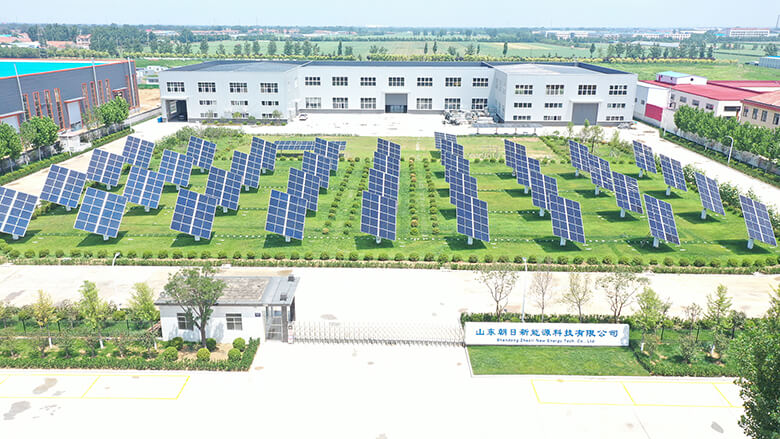
Our products, including flat single axis, tilted single axis, and dual axis tracking systems, have obtained patents in the EU, US, Canada, Australia, and more. Our principle is: More Simple, More Reliable, More Effective.
The convergence of AI, IoT, and Solar Tracking
Next-gen PLC systems will incorporate Machine Learning (ML) to analyze local diffuse light conditions in real-time. Instead of just following the sun's astronomical path, trackers will adjust to "find" the brightest part of the sky during cloudy periods.
Reducing wiring costs is crucial. Future roadmaps include Zigbee or LoRaWAN integration within PLC modules, allowing large-scale plants to communicate tracking data without kilometers of communication cables.
Using CFD (Computational Fluid Dynamics) modeling, PLC systems now react in milliseconds to anemometer data, positioning arrays in a "safe stow" mode to prevent aeroelastic instability (galloping).
Tailored engineering for specific geographic challenges
Real-world performance data across continents

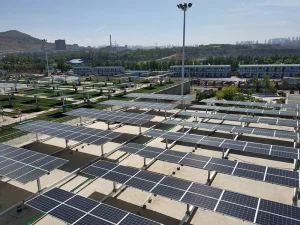
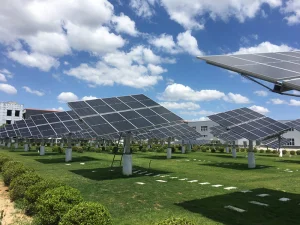
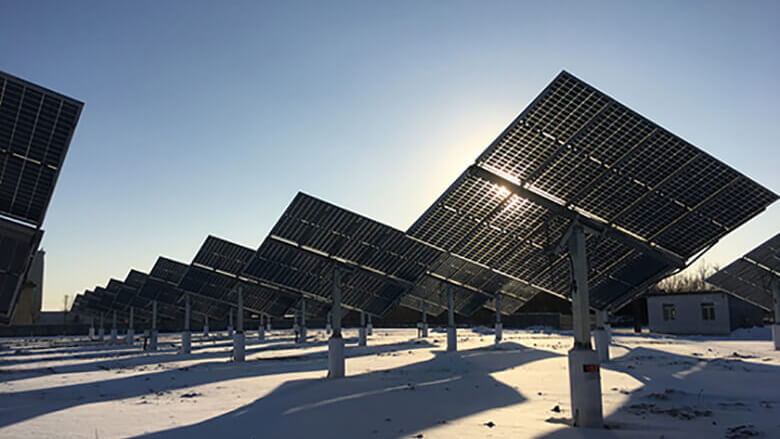
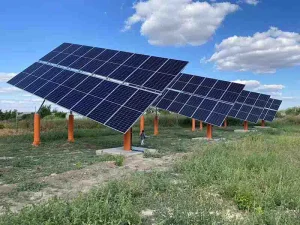
5MW Dual Axis Project in North China
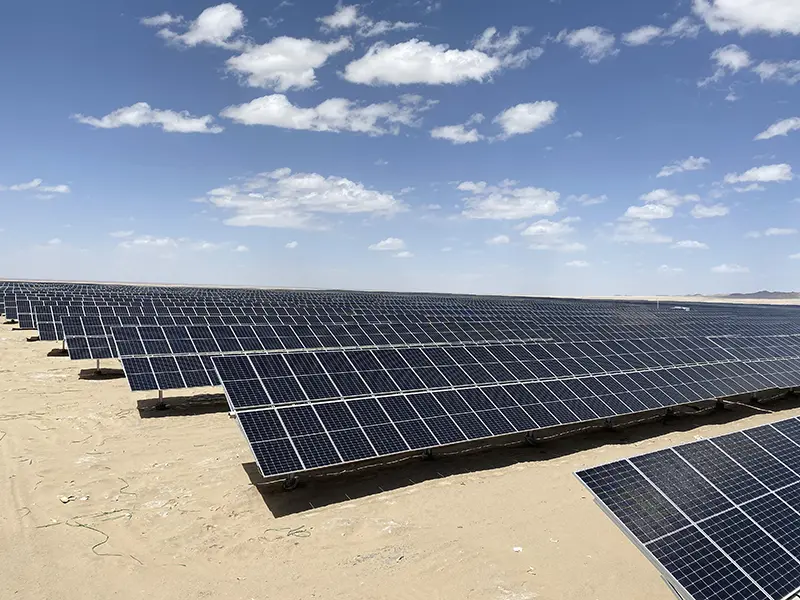
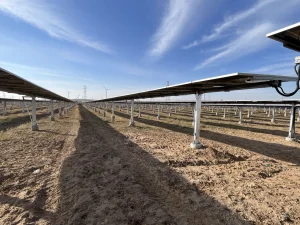
20MW Utility Scale Desert Project
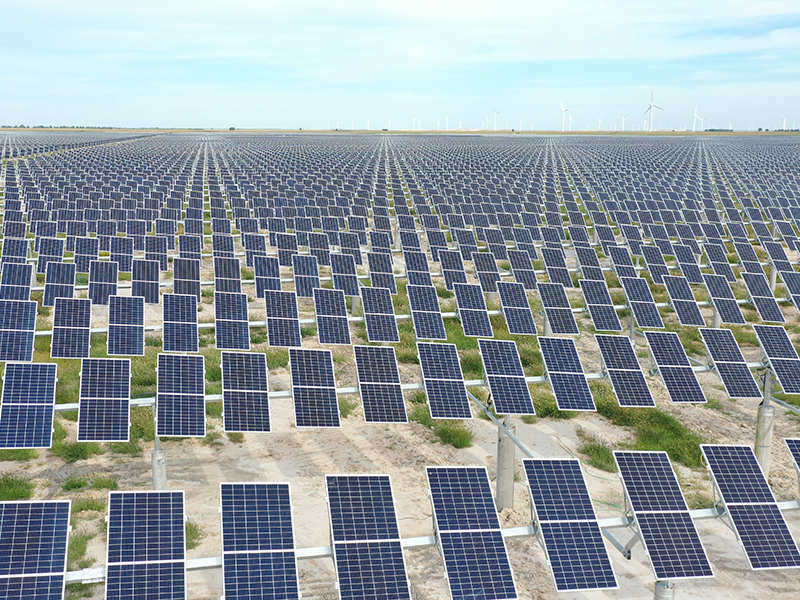
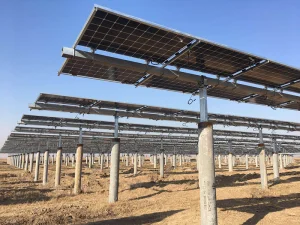
40MW ZRPT Flat Single Axis with Inclined Module
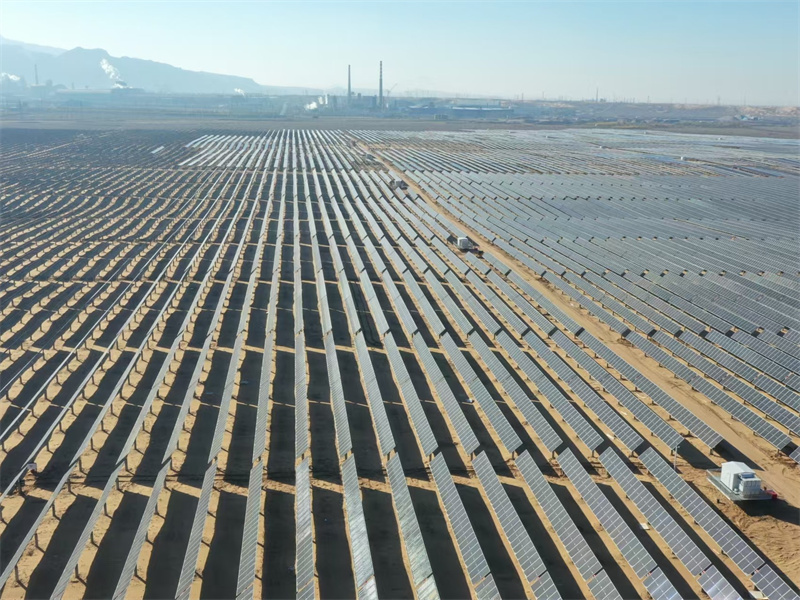
360MW Massive Single Axis Tracker Deployment
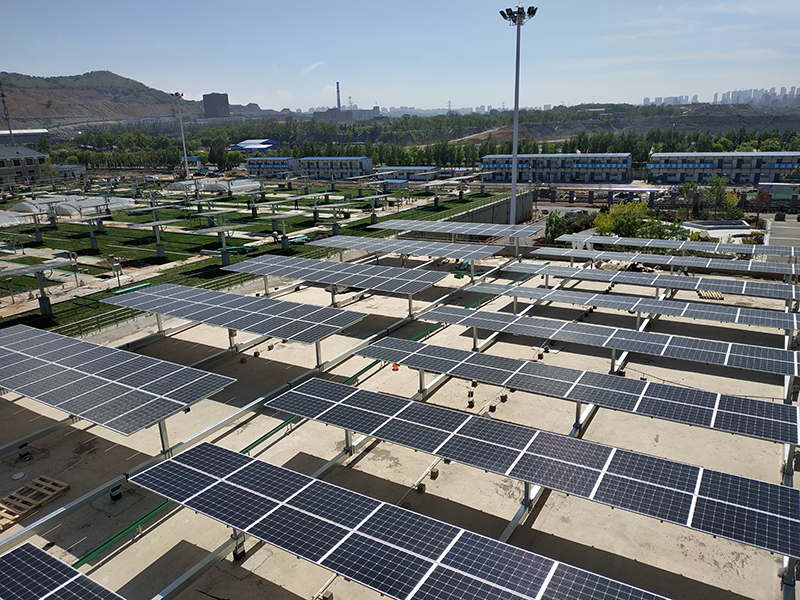
Commercial Roof-top Integration
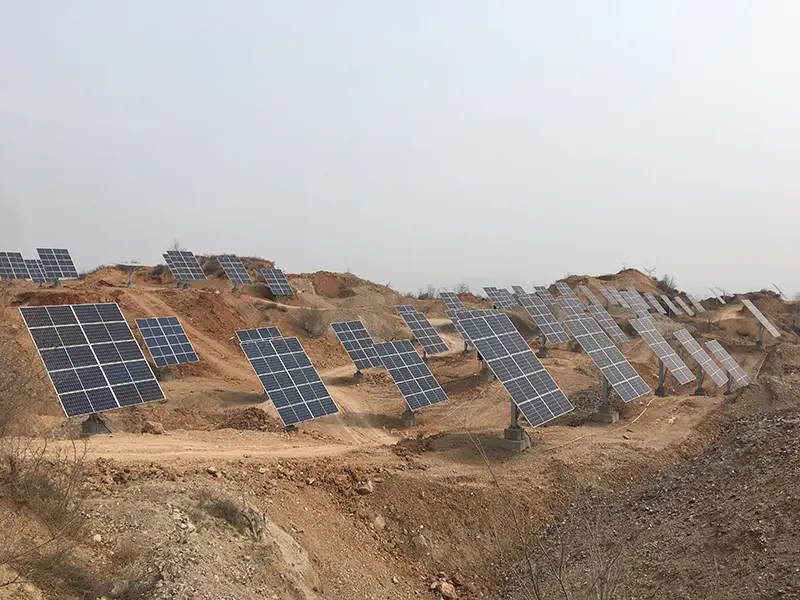
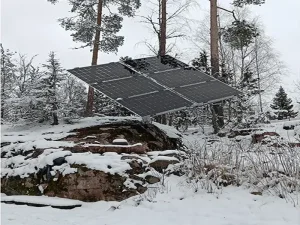
High-Altitude Mountain Project
Expert Insights into Solar Tracking Technology
Answer: While many systems use GPS for time-syncing, a PLC-based system provides the industrial computing power to process local sensor data (wind, snow, light intensity) and execute complex logic. PLCs are much more resilient to electrical surges and offer better integration with site-wide monitoring systems.
Answer: Although the initial CAPEX is higher, a dual-axis system (like our ZRD-10) maximizes energy density. In limited space or high-latitude areas, the 30%+ increase in yield significantly lowers the Levelized Cost of Energy over a 25-year lifecycle.
Answer: Our "Simple and Reliable" principle means we use self-lubricating bearings and heavy-duty actuators. Routine maintenance involves annual inspections of the PLC firmware and structural bolt tensioning, significantly less than complex hydraulic trackers.
See our systems in active deployment
Browse our complete catalog of PLC-integrated trackers
 Zhaori