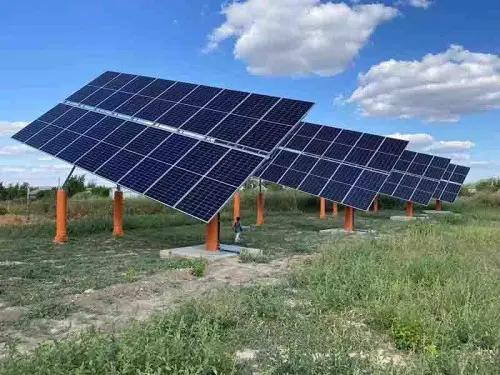
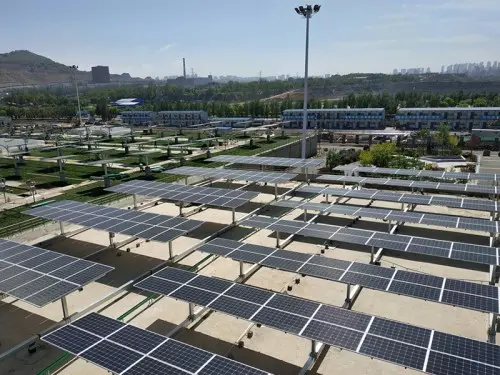
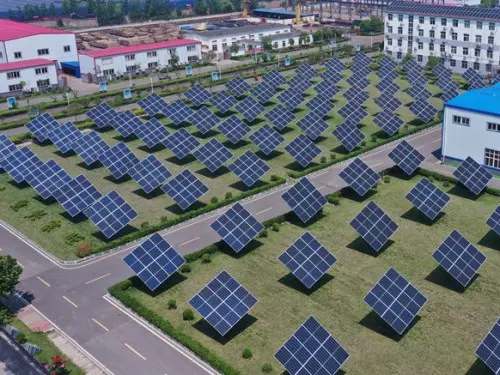
In the rapidly evolving landscape of photovoltaic (PV) technology, the quest for maximizing energy yield while minimizing Levelized Cost of Energy (LCOE) has led to significant innovations. While fully automated systems dominate large-scale utility projects, the Manual Solar Tracking System remains a critical asset for specific geographical and economic contexts. Shandong Zhaori New Energy Tech. Co., Ltd. has pioneered this niche, offering high-precision manual and semi-automatic systems that bridge the gap between fixed-tilt brackets and complex robotic trackers.
Manual solar tracking systems, often referred to as adjustable fixed brackets, allow operators to seasonally or periodically adjust the tilt and azimuth angles of solar arrays. This "Information Gain" in design provides a strategic advantage: achieving up to 15% - 25% energy output increase compared to static systems without the high maintenance costs associated with electronic motors and sensors.
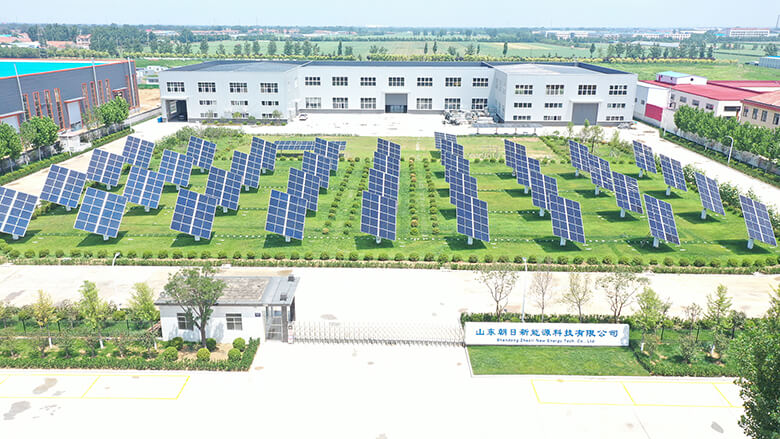
Our factory in Shandong, China, covers 50,000 square meters and acts as a hub for advanced PV structural engineering. By integrating the complete supply chain—from raw steel screening to high-precision CNC machining and automatic welding robots—we ensure that every manual tracking system meets rigorous global standards.
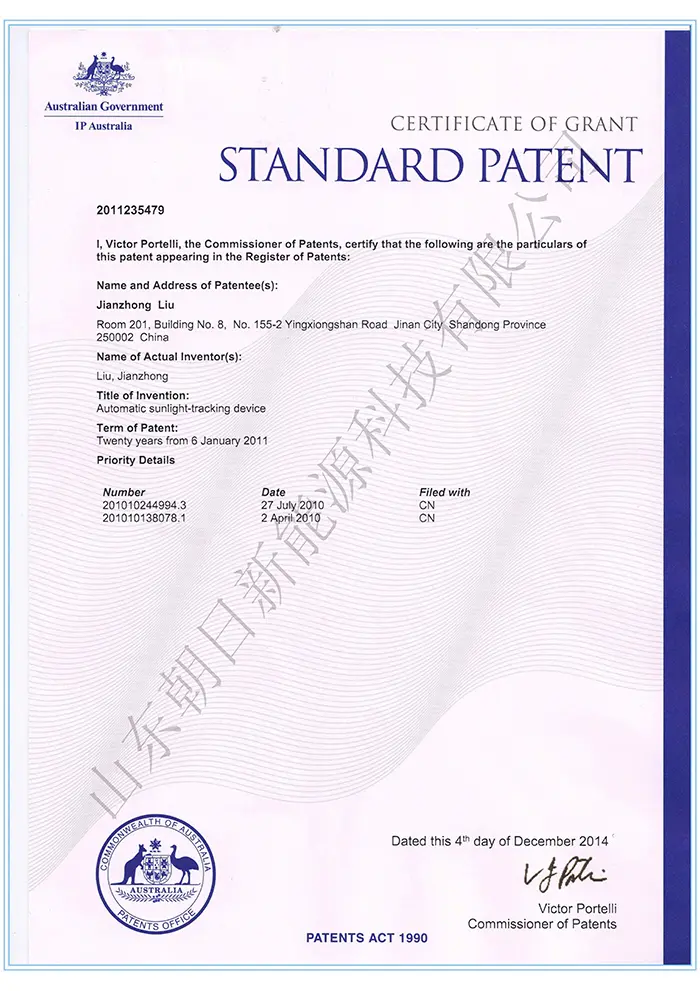
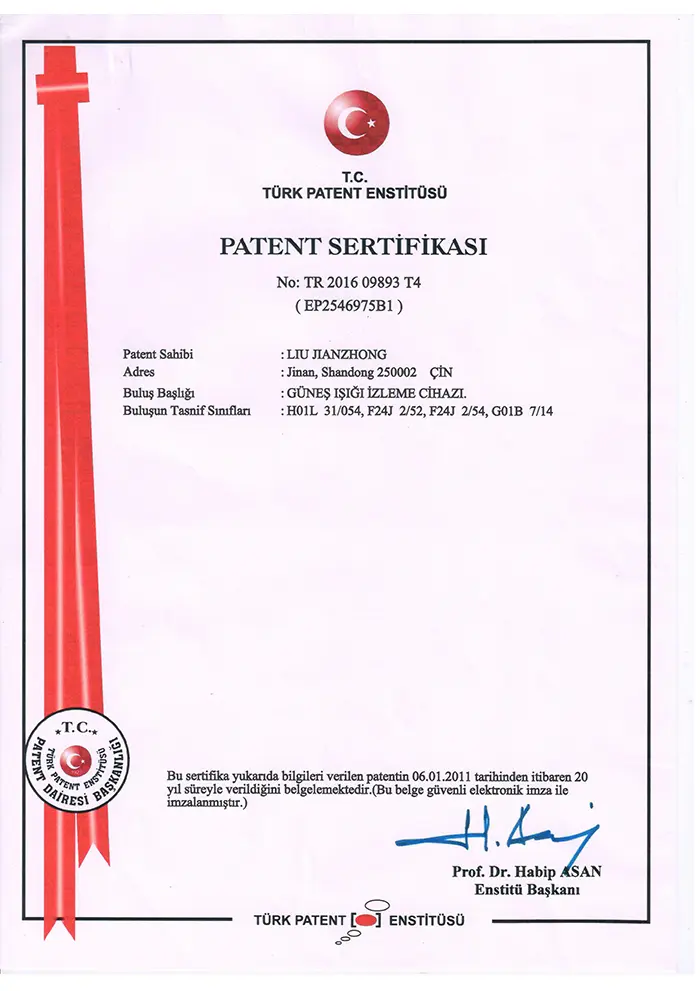
For international procurement officers and engineering firms, Reliability is the paramount metric. Shandong Zhaori New Energy understands the complexities of local regulations. Our products have obtained invention patents across major markets including the United States, Europe, Canada, Australia, Japan, and South Africa.
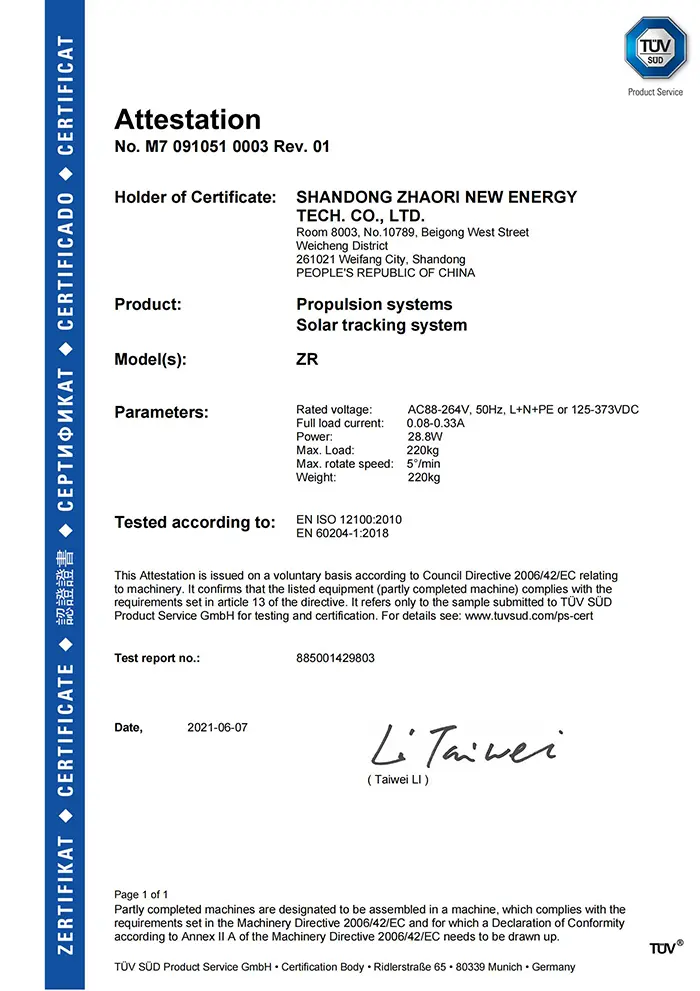
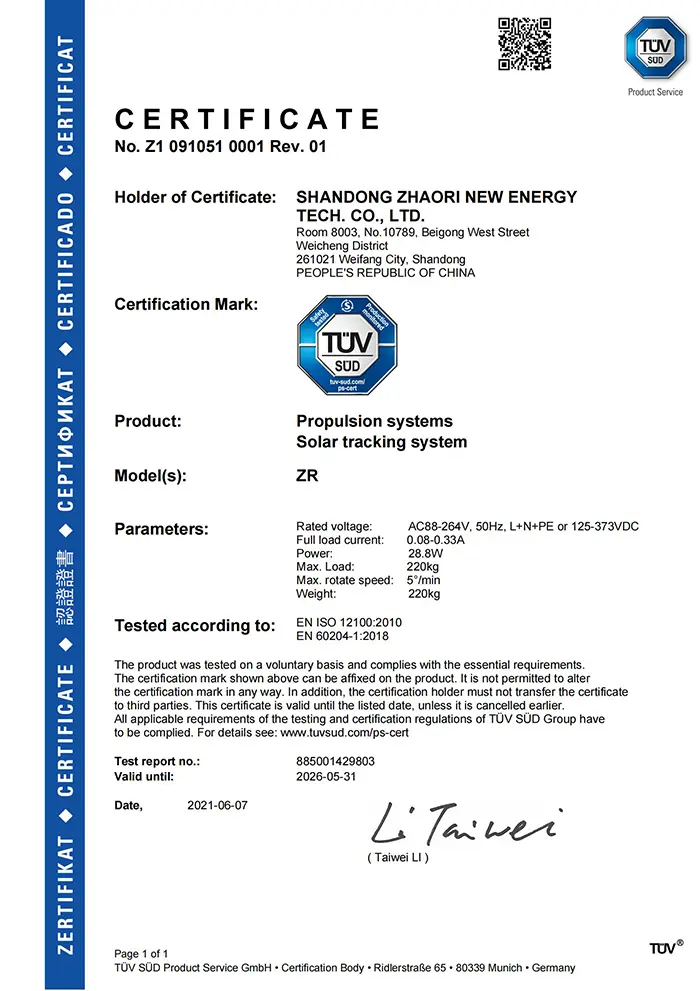
TUV, CE, and ISO 9001 certified. All products undergo rigorous wind tunnel testing and structural analysis to withstand up to 50m/s wind speeds.
From the high-altitude projects in the Andes to the sandy terrains of the Middle East, our manual trackers are designed with specialized foundations (screw piles or concrete).
Strict adherence to international structural codes ensures that your project remains insurable and bankable throughout its lifecycle.
Shandong Zhaori New Energy Tech. Co., Ltd. is a high-tech and new energy company based on independent intellectual property rights. Founded in June 2012, we house 10 specialized departments including R&D, Technical, and Quality Assurance. Our 60+ technology-focused employees have dedicated over a decade to mastering PV power station and solar tracking technology.
Our guiding principle: More simple, more reliable, and more effective. We believe that in the field of manual tracking, mechanical simplicity is the ultimate form of sophistication.
Understanding the "Pricelist" of manual solar tracking systems requires a deep dive into the bill of materials (BOM) and engineering requirements. Below is a strategic overview of cost factors and typical price ranges for 2024-2025.
| System Type | Components | Cost Drivers | Efficiency Gain |
|---|---|---|---|
| Manual Fixed Adjustable | High-strength brackets, manual pivot, screw bolts | Steel weight, galvanization depth | +15% energy vs. Fixed |
| Semi-Auto Tracking | Manual actuators, reinforced bearings, geared drive | Bearing quality, precision gears | +25% energy vs. Fixed |
| Dual Axis Manual | Multi-point pivot joints, dual tilt mechanisms | Structural complexity, foundation load | +35% energy vs. Fixed |
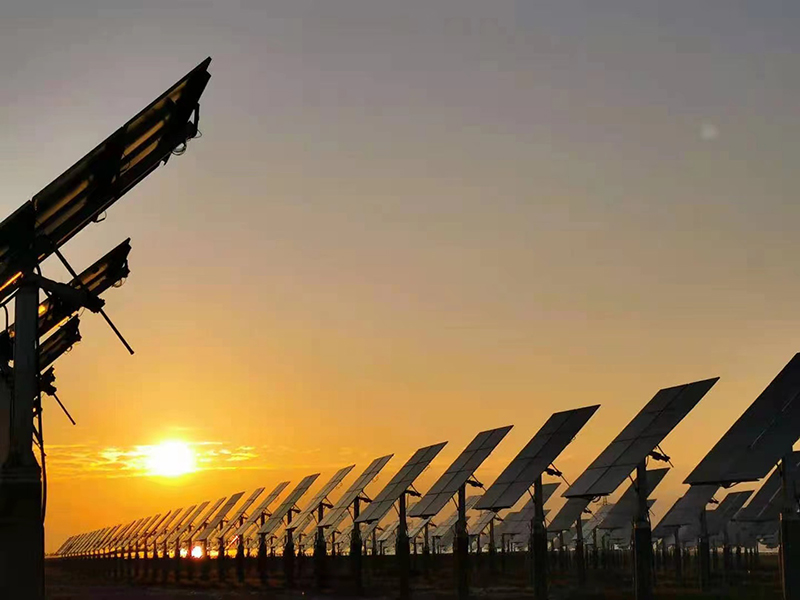
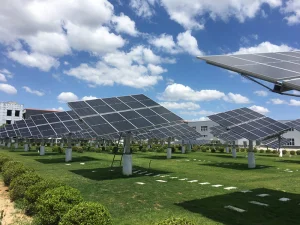
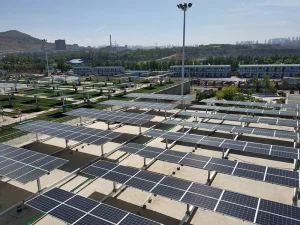
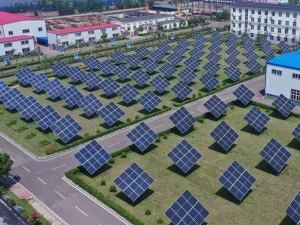
5MW Project in North China
Optimized for snow-load and cold climate stability.
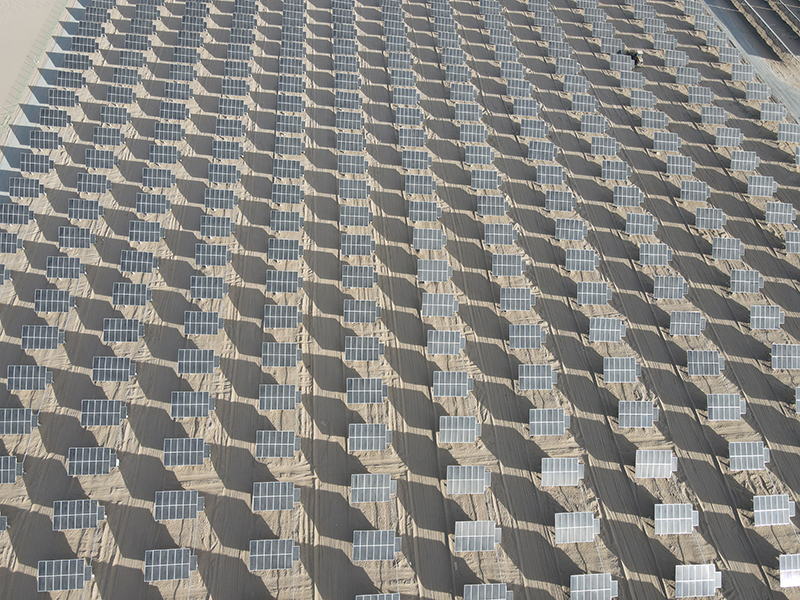
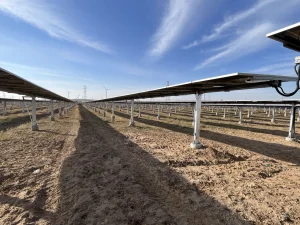
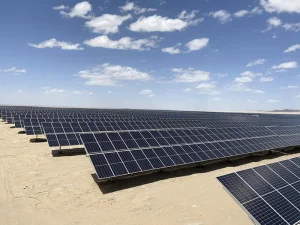
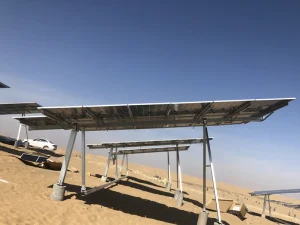
20MW Tilted Single Axis
Desert project featuring reinforced anti-sand bearings.
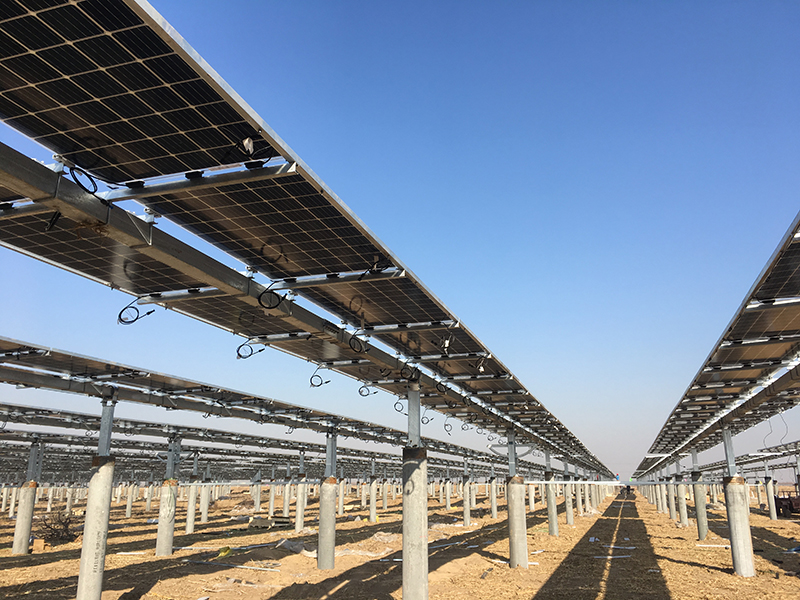
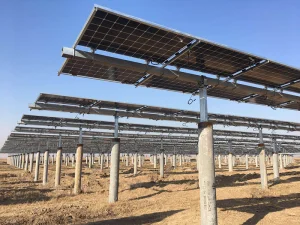
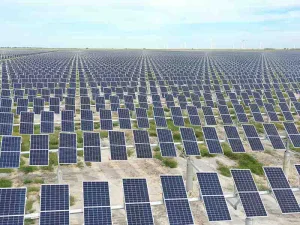
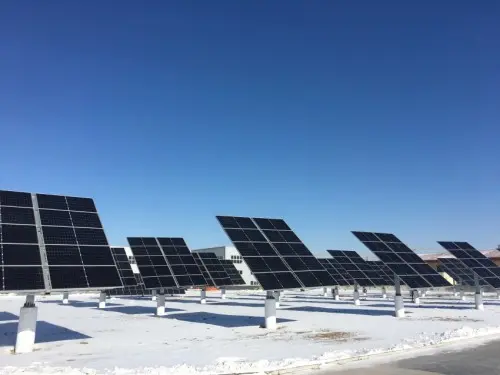
110MW Bifacial Project
Integrating tracking for maximum albedo-gain.
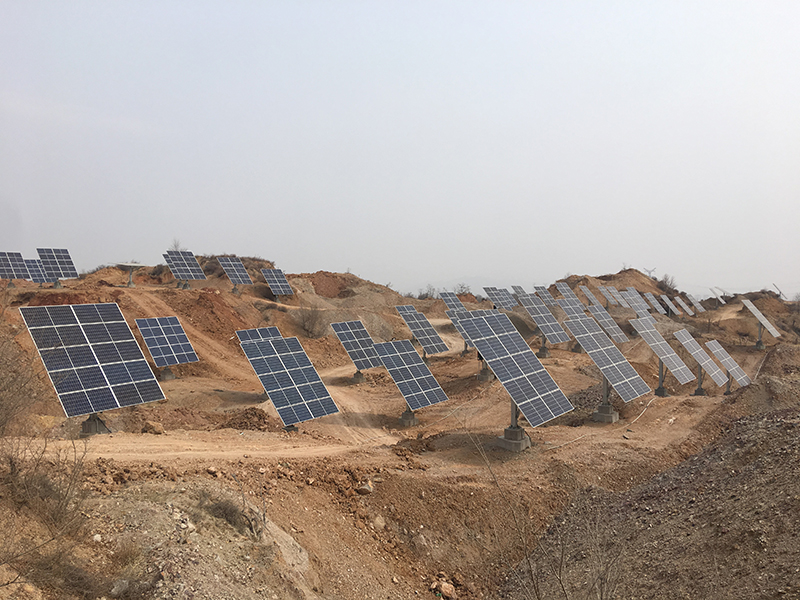
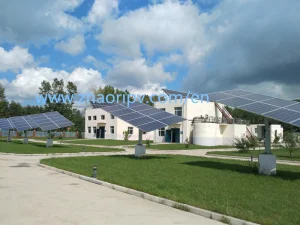
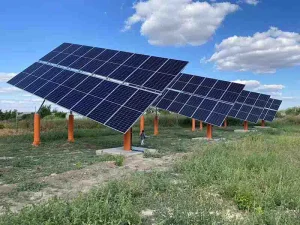
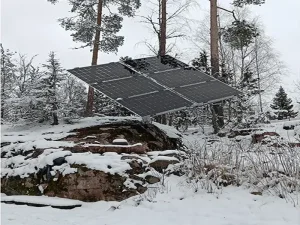
Mountainous Terrain Project
Manual tracking adapted for non-uniform slope gradients.
 Zhaori