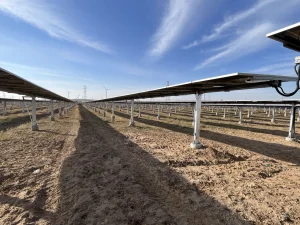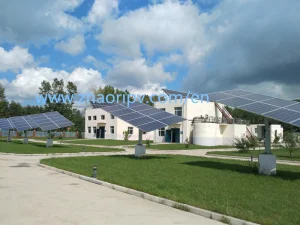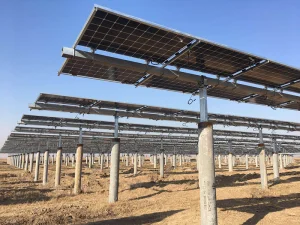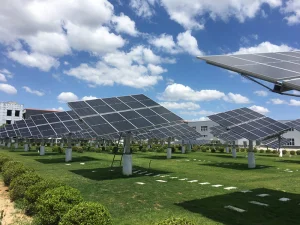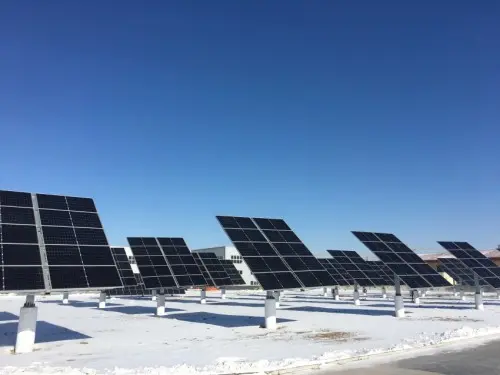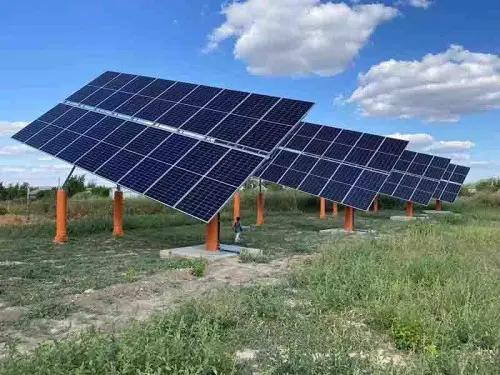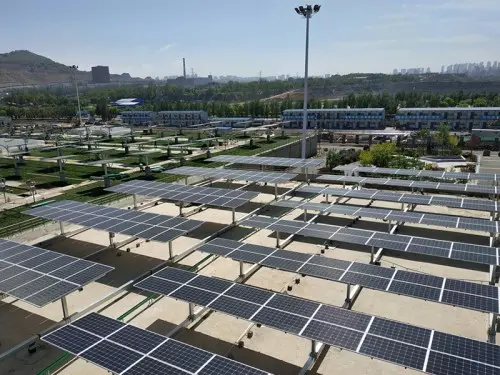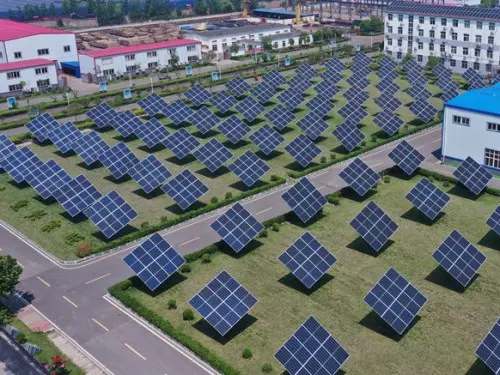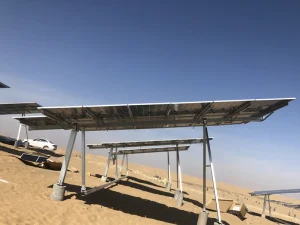
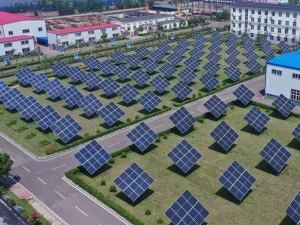
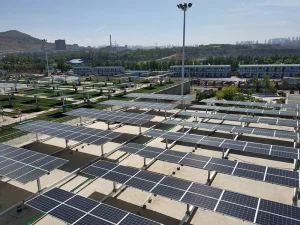
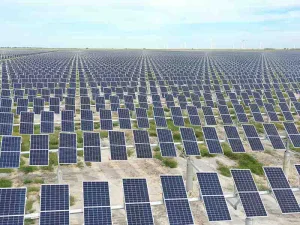
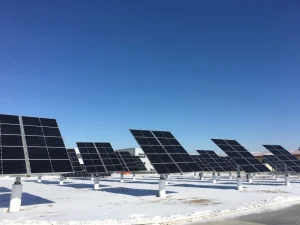
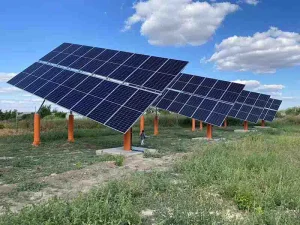
The global shift toward renewable energy has transformed the solar industry from static installations to dynamic, intelligent systems. Horizontal Single Axis Trackers (HSAT) have emerged as the dominant technology for utility-scale solar projects worldwide, accounting for over 80% of the tracking market. By rotating solar modules to follow the sun’s East-West trajectory, HSAT systems significantly increase energy yield—typically by 15% to 30%—compared to fixed-tilt structures.
In the current commercial landscape, the focus has shifted from mere "energy production" to "LCOE Optimization." High-quality tracker manufacturers are no longer just steel fabricators; they are technology partners providing sophisticated AI backtracking algorithms, structural damping solutions, and weather-responsive stow modes. Shandong Zhaori New Energy Tech. Co., Ltd. stands at the forefront of this evolution, blending robust Chinese manufacturing prowess with global engineering standards.
Shandong Zhaori New Energy Tech. Co., Ltd. is a high-tech and new energy company based on independent intellectual property rights. Founded in June 2012, we have established a comprehensive ecosystem including 10 specialized departments: R&D, Technical, Engineering, Production, Quality Assurance, Foreign Trade, and more.
Our team consists of more than 60 professional technology-talented employees focused on photovoltaic power stations and solar tracking technology for over a decade. Our guiding principle is: More simple, more reliable, and more effective.
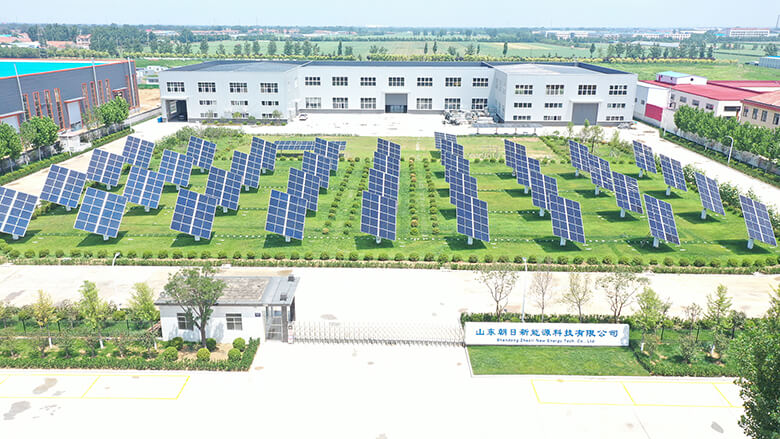
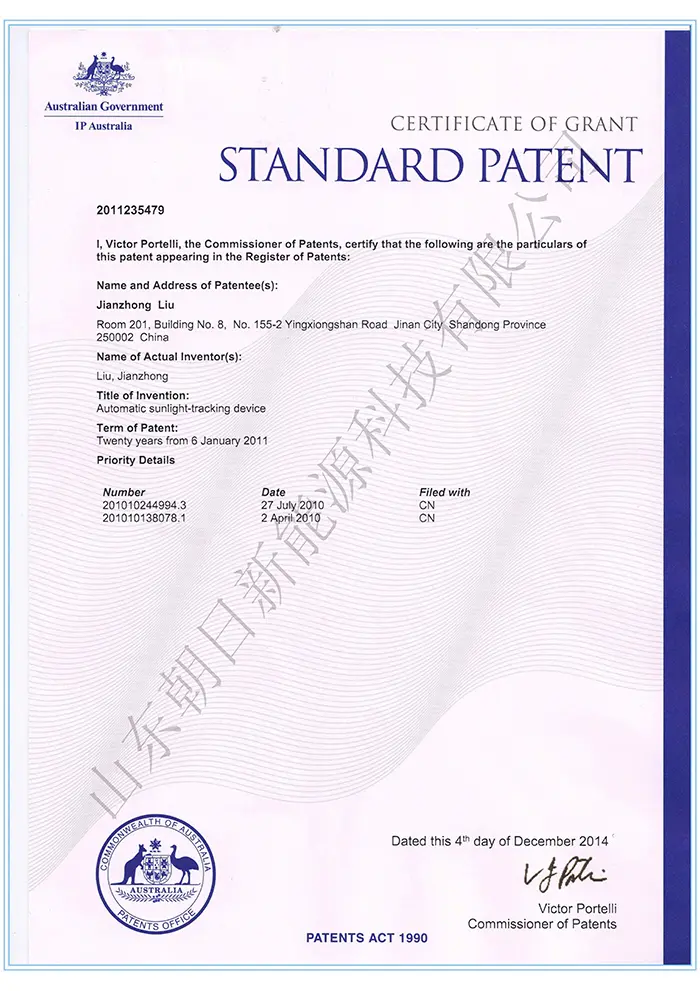
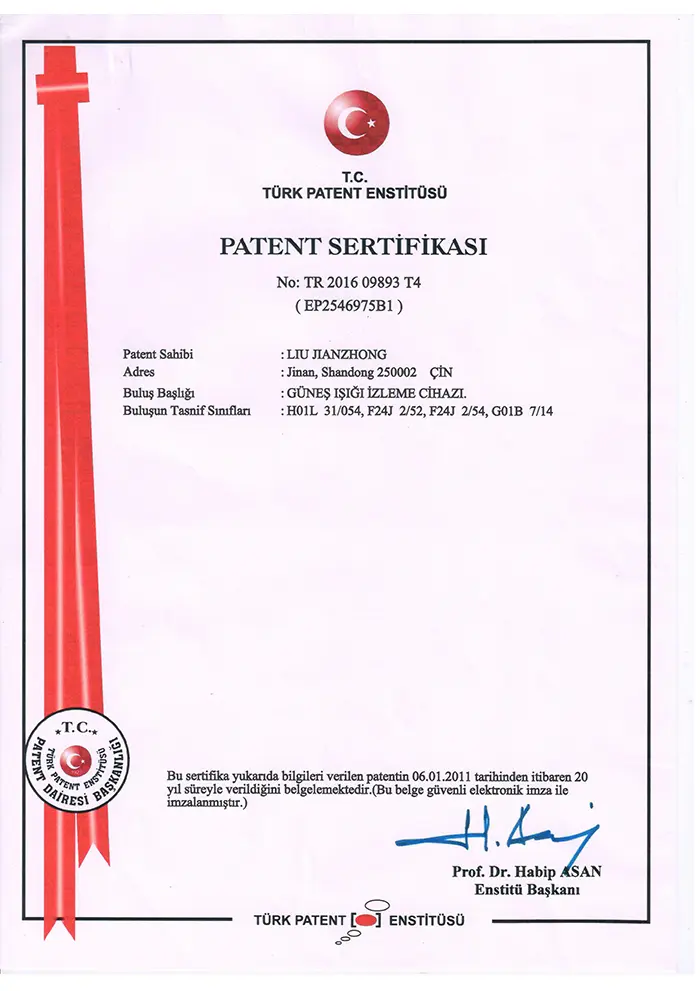
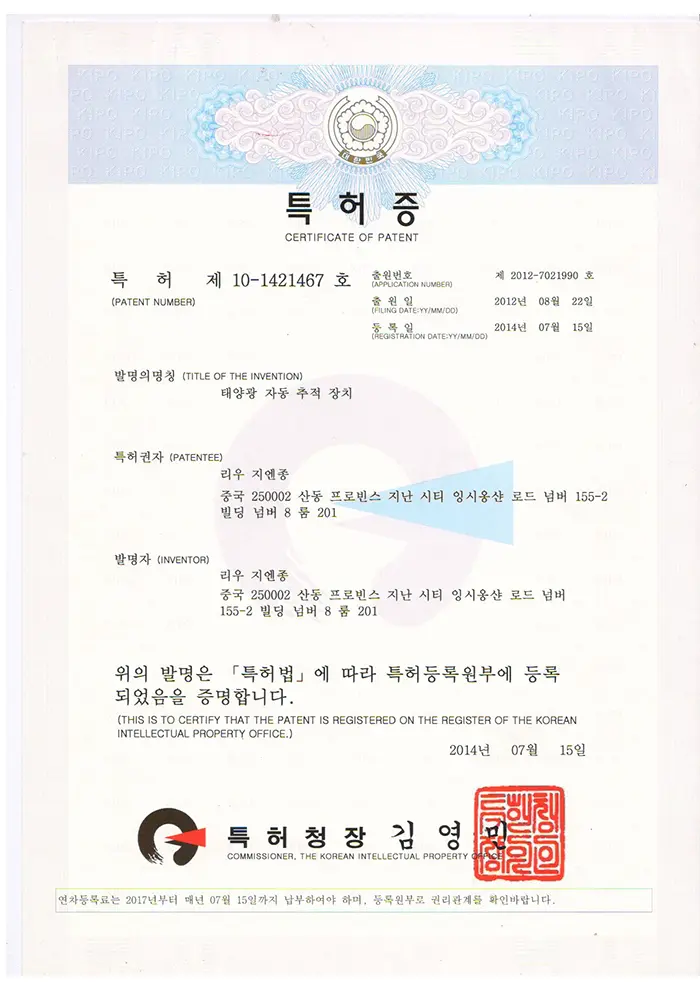
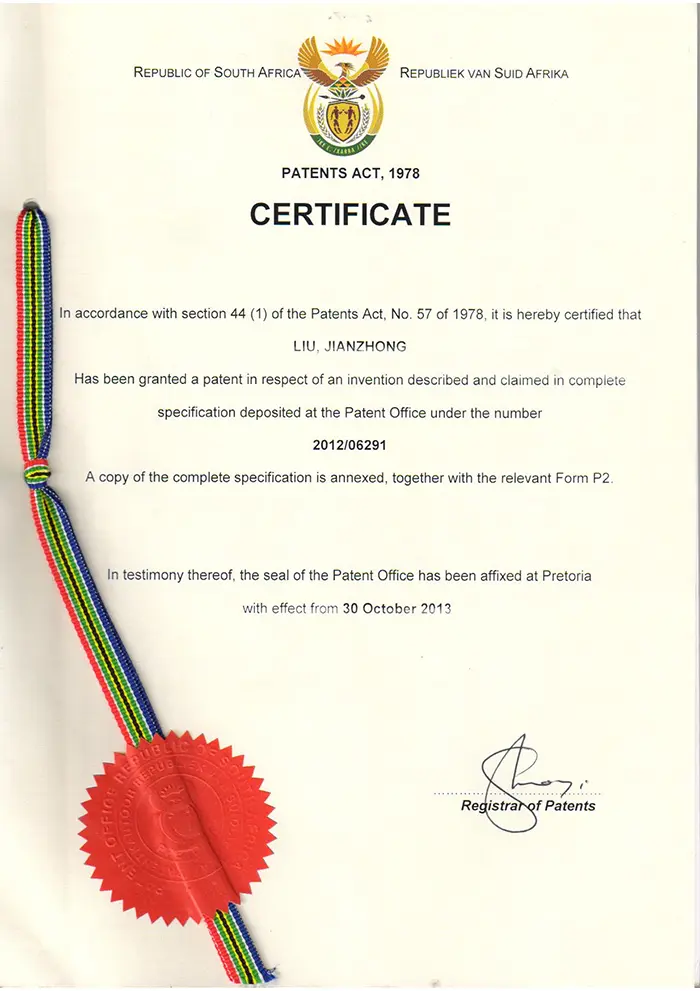
We provide perfect customized solutions and professional operation and maintenance (O&M) services based on our rich experience in PV bracket applications. We adhere to the business principle of mutual benefits, maintaining a stellar reputation for quality and competitive pricing. Our products have obtained patents from the European Patent Office, USA, Canada, Australia, Japan, South Korea, Thailand, India, Brazil, South Africa, and beyond.
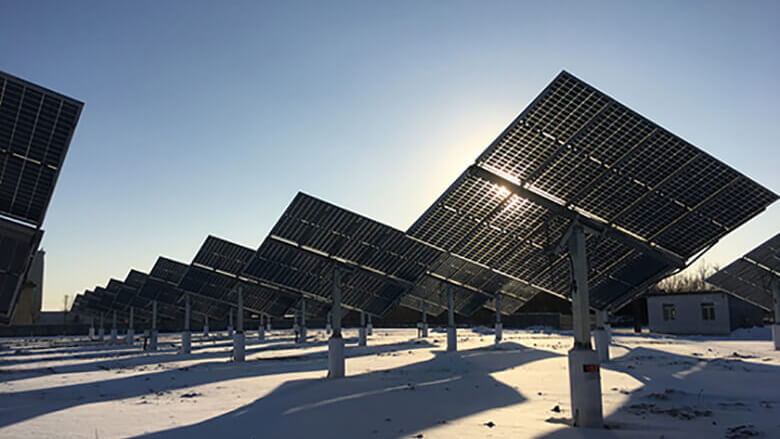
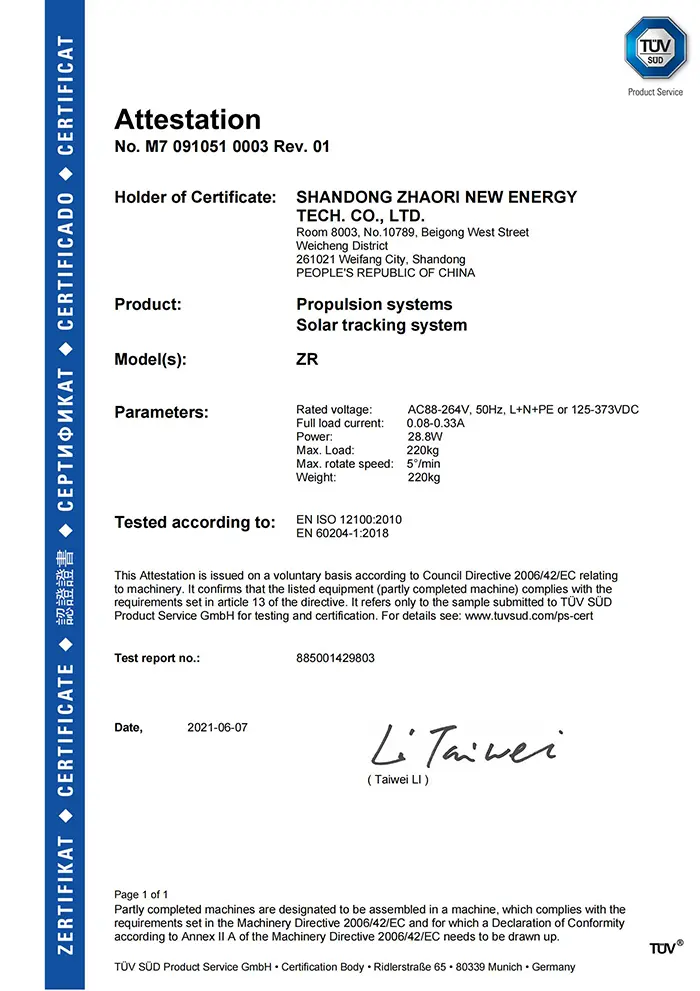
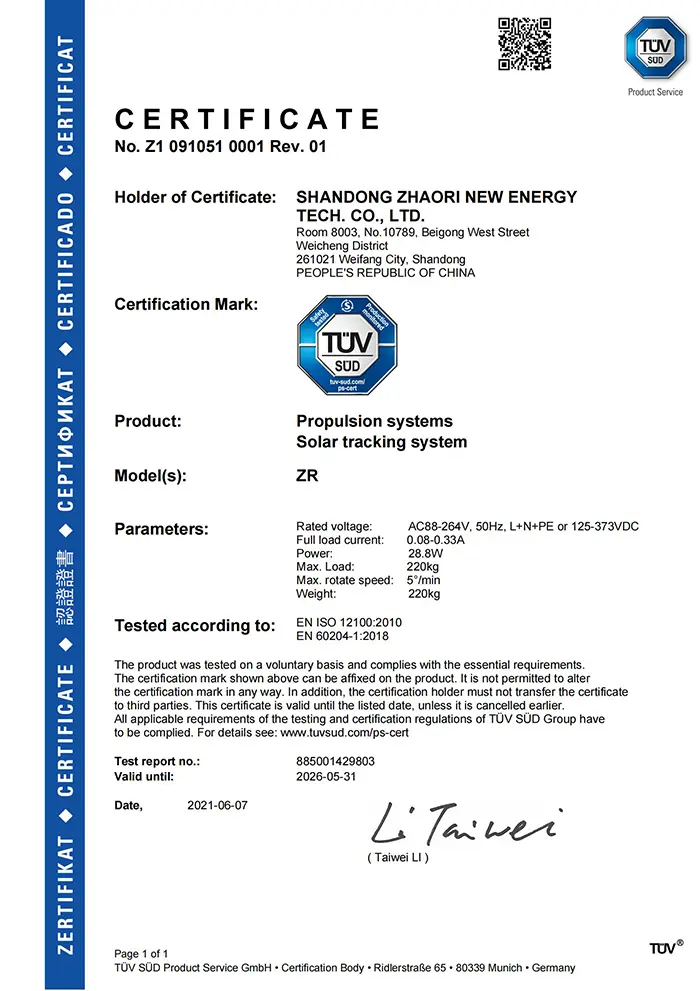
Our quality control system is certified by TUV, CE, and ISO, ensuring that every tracker leaving our facility meets international structural standards for wind load, snow load, and seismic activity.
The future of Horizontal Single Axis Trackers lies in the integration of Artificial Intelligence and Internet of Things (IoT). Our R&D department is currently focusing on three key technological frontiers:
Traditional backtracking algorithms rely on pure geometry. Our next-gen AI controllers use real-time sensors to adjust for diffused light during cloudy days, maximizing yield even when the sun isn't directly visible.
As bifacial modules become the standard, our 2P and 1P trackers are being optimized to reduce rear-side shading, ensuring that the reflected light on the back of the panel is fully captured.
Integrating IoT sensors into the tracker torque tube allows for predictive maintenance, alerting operators to mechanical stress before a failure occurs, thus reducing O&M costs over the project's 25-year lifespan.
Horizontal single-axis trackers are versatile and can be adapted to various geographical and economic environments:
Global projects require local understanding. Shandong Zhaori ensures that all tracking systems are compliant with local building codes (e.g., AS/NZS 1170 for Australia, IBC for the USA, and Eurocodes for the EU). We provide:
Detailed engineering reports, wind tunnel test results, and foundation design recommendations tailored to local soil conditions.
Our engineering department offers remote or on-site commissioning support to ensure the trackers are calibrated perfectly for maximum efficiency.
We provide a comprehensive warranty package (typically 10 years for structure, 5 years for drive/control systems) backed by global insurance partners.
 Zhaori