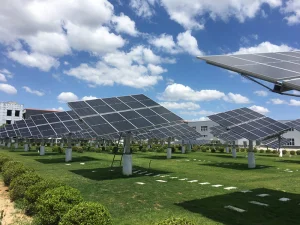
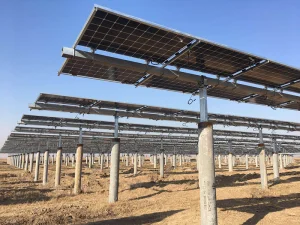
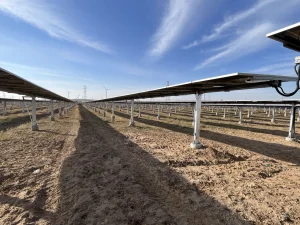
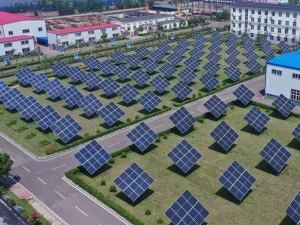
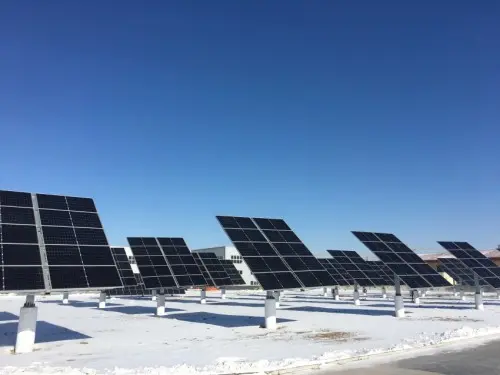
The global solar energy market is undergoing a fundamental shift from "installation capacity" to "energy density optimization." In this context, Dual Axis Solar Tracking Systems represent the pinnacle of photovoltaic efficiency. Unlike fixed-tilt or single-axis systems, dual-axis trackers follow the sun’s azimuth and elevation simultaneously, ensuring that solar panels are always perpendicular to the sun's rays.
Current industrial data suggests that in high-latitude regions or areas with high DNI (Direct Normal Irradiance), dual-axis systems can increase energy output by up to 35% to 45% compared to fixed installations. As the Levelized Cost of Energy (LCOE) becomes the primary metric for utility-scale projects, the superior energy gain of dual-axis technology is outweighing its initial capital expenditure (CAPEX).
From the deserts of the Middle East to the industrial zones of North China, the demand for high-efficiency trackers is skyrocketing. Commercial enterprises are increasingly adopting these systems to maximize roof or land utility, ensuring their ESG (Environmental, Social, and Governance) targets are met with fewer solar modules but higher generation capacity.
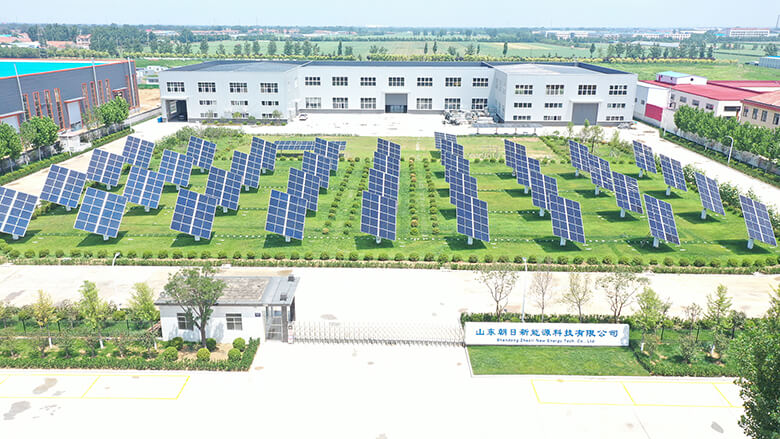
Founded in June 2012, Shandong Zhaori New Energy Tech. Co., Ltd. is a high-tech pioneer driven by independent intellectual property rights. With over 10 specialized departments—including R&D, engineering, and quality assurance—we have built a legacy of excellence in the photovoltaic sector.
Our 50,000-square-meter facility is equipped with state-of-the-art CNC machine tools, laser cutting systems, and automatic welding robots. We don't just manufacture; we engineer reliability. Every component undergoes rigorous anti-rust treatment and post-processing inspection to meet TUV, CE, and ISO standards.
The solar tracking industry is moving toward "Smart Tracking 4.0." This involves several key technological pillars that define our current and future product lines:
Utilizing AI to predict cloud cover and diffuse light conditions. On cloudy days, trackers shift to a horizontal "diffuse mode" to capture more light from the entire sky.
Modern dual-axis systems are optimized for bifacial modules, ensuring the backside of the panel receives maximum reflected irradiance from the ground.
Advancements in wind tunnel testing and aeroelastic instability analysis allow trackers to survive extreme weather by entering an automated "stow mode."
Our Sunchaser Tracker brand is synonymous with durability. While many competitors focus on reducing weight to lower costs, we focus on the "Simple, Reliable, Effective" principle. Our ZRD series utilizes a unique driving mechanism that reduces mechanical wear by 40% over 25 years of operation.
We provide comprehensive solutions across various sectors, ensuring that the best dual-axis tracking system quotes translate into long-term ROI.
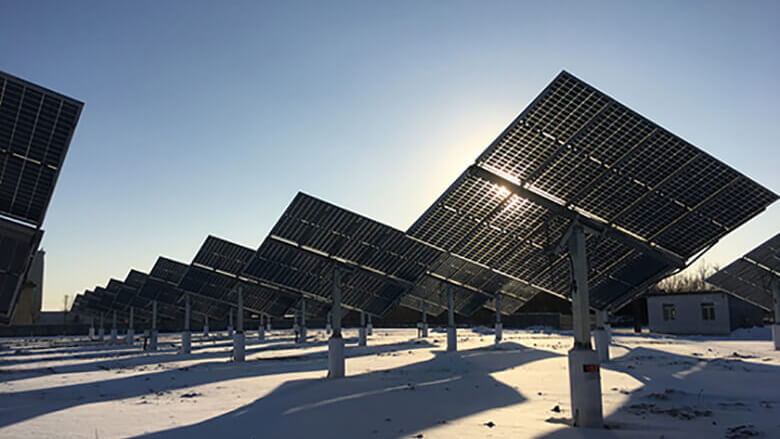
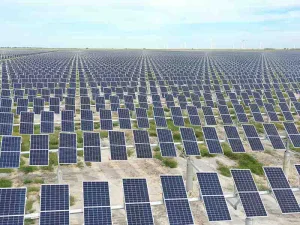
Our systems are battle-tested in diverse climates, from the freezing mountains of North China to the scorching deserts of Central Asia.
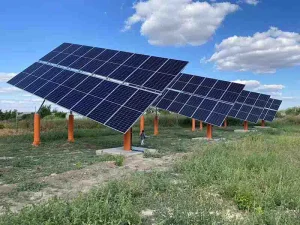
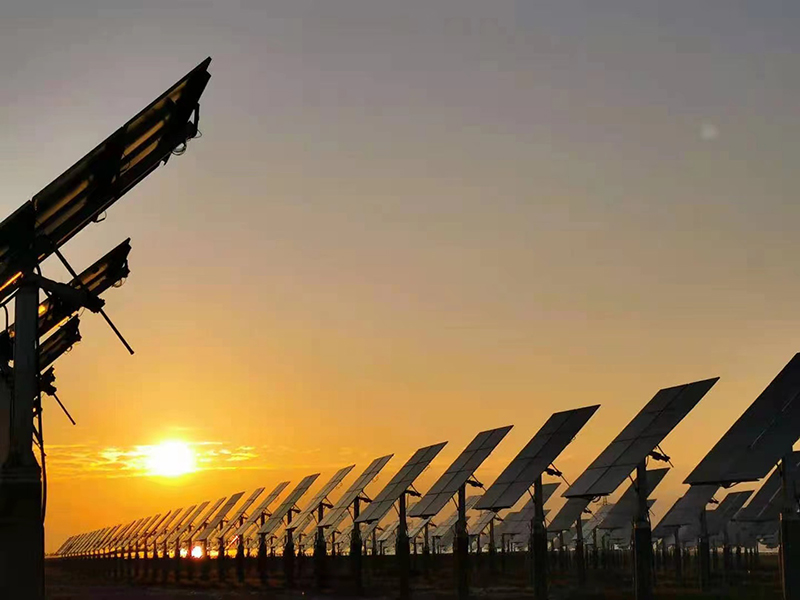 5MW in North China
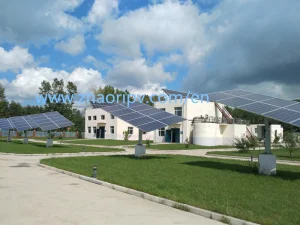
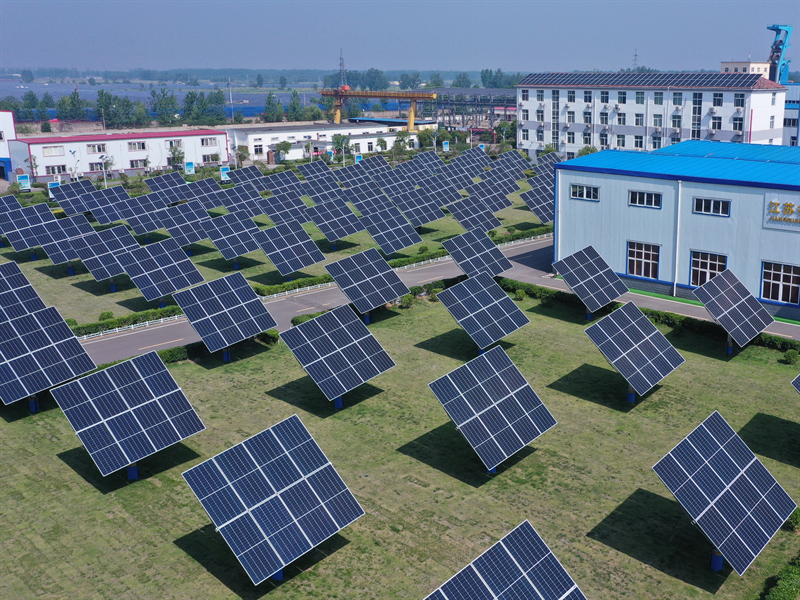
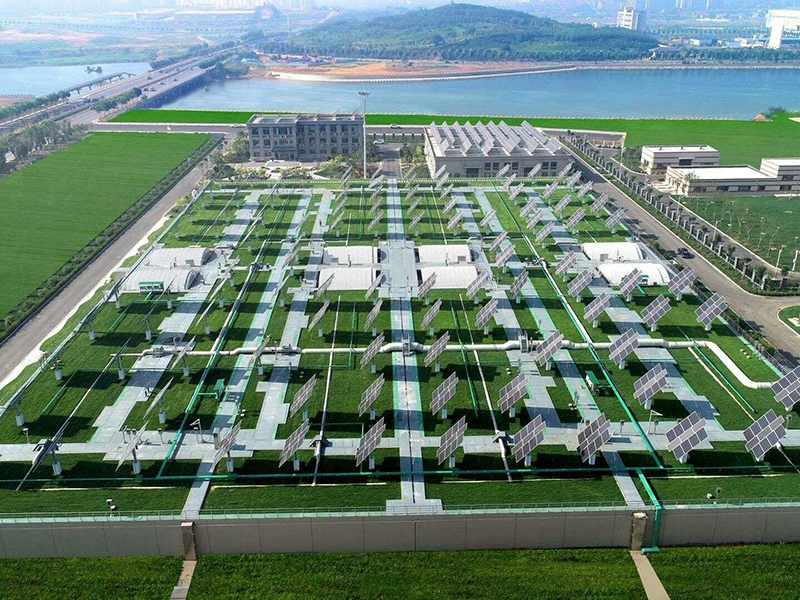 Industrial Factory Project
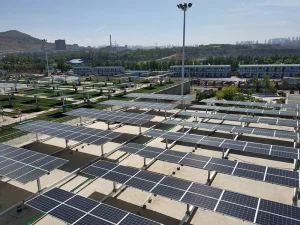
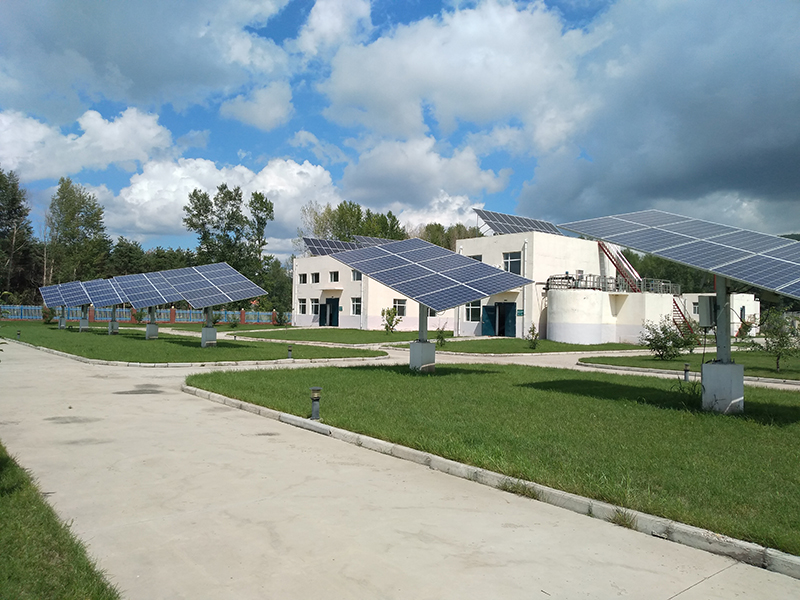 City Green Belt Project
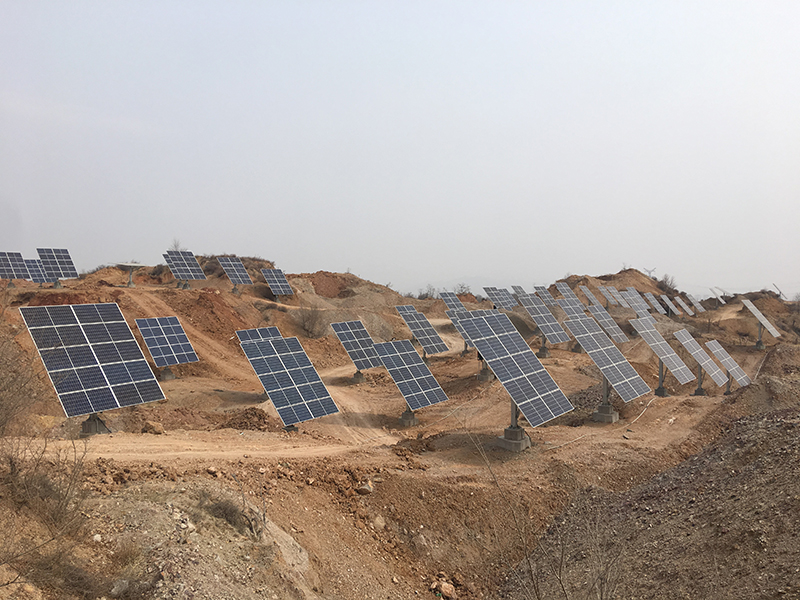 Mountain Terrain Tracking
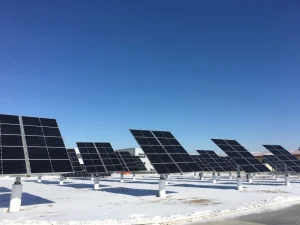
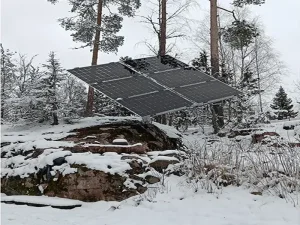
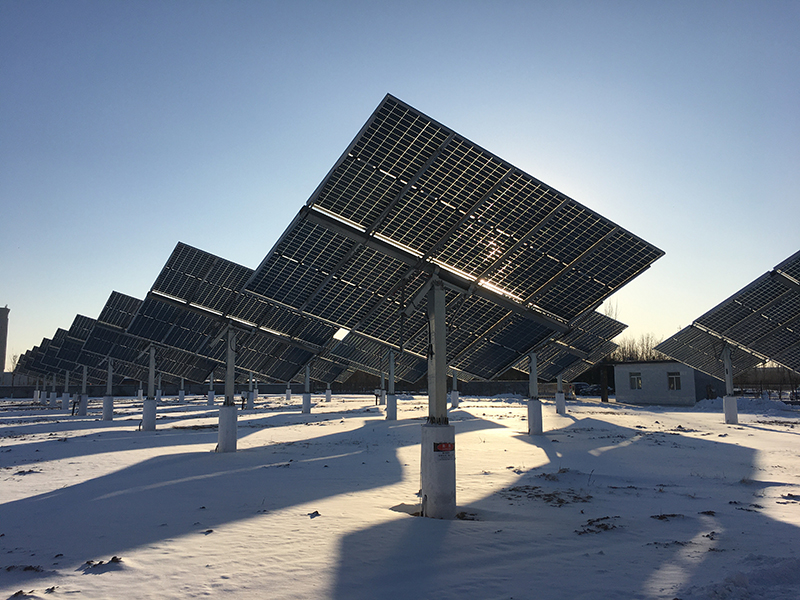 Dual Axis After Heavy Snow
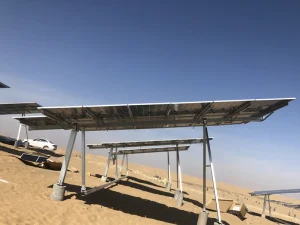
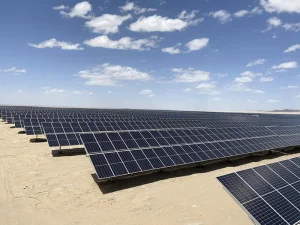
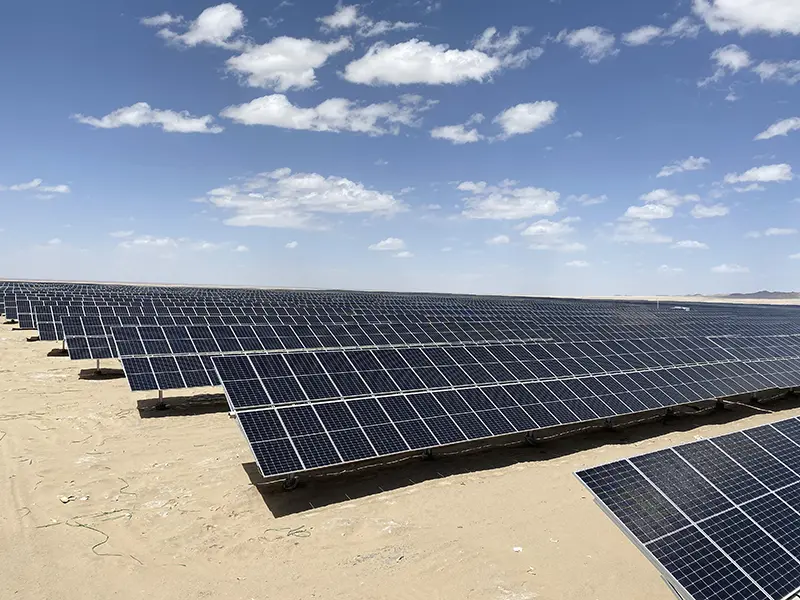 20MW Desert Utility Project
Witness the precision of our ZRD-series dual-axis trackers as they synchronize with the sun's path.
Every geography demands a unique engineering approach. Our expertise allows us to provide "Perfect Customized Solutions":
Our trackers feature an automated snow-shedding mode. By tilting to a steep angle during snowstorms, they prevent accumulation that could damage structural integrity—a feature proven in our projects in Northern China.
In the 20MW desert projects, we employ sand-resistant bearings and a reinforced "storm-stow" algorithm that levels the panels horizontally when wind speeds exceed 18m/s.
 Zhaori