Azimuth solar trackers, particularly dual-axis variants, offer the highest possible energy yield by maintaining the solar panels perpendicular to the sun's rays throughout the day and across seasons.
By increasing power generation by up to 30-40% compared to fixed-tilt systems, azimuth trackers significantly reduce the Levelized Cost of Energy (LCOE) for large-scale utility projects.
Modern azimuth systems incorporate smart sensors for wind stowage and snow shedding, ensuring mechanical integrity in environments with wind speeds exceeding 150km/h.
Expert Insight: "The transition from horizontal single-axis trackers to azimuth-dual-axis tracking represents a fundamental shift in how we approach solar harvesting in high-latitude regions and mountainous terrains." — Growth Director, Shandong Zhaori New Energy.
Azimuth solar tracking technology is no longer a niche solution; it has become a cornerstone for high-efficiency photovoltaic power stations. Unlike traditional horizontal single-axis trackers (HSAT), azimuth trackers rotate around a vertical axis to follow the sun's horizontal movement across the sky. When combined with a tilting axis, this creates a dual-axis system that virtually eliminates the "cosine loss" inherent in fixed or single-axis systems. For global procurement officers, selecting the right azimuth tracker supplier requires a deep understanding of structural stability, tracking accuracy, and long-term maintenance costs.
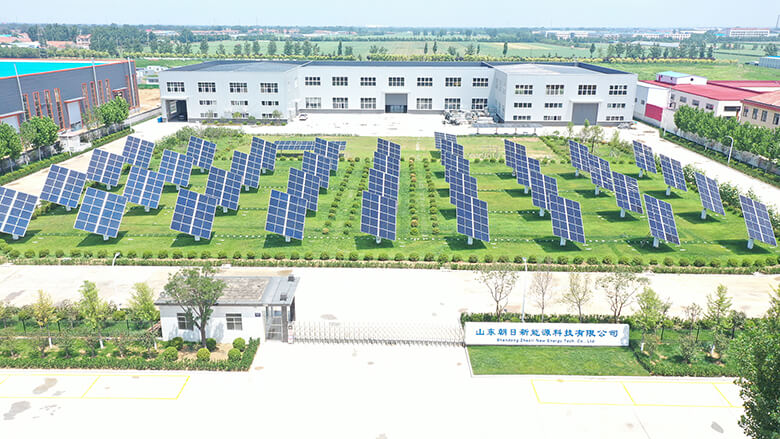
Founded in June 2012, Shandong Zhaori New Energy Tech. Co., Ltd. is a high-tech pioneer specializing in independent intellectual property rights for solar tracking technology. With over a decade of dedicated R&D, our team of 60+ professional technology experts focuses on pushing the boundaries of what PV power stations can achieve.
Our infrastructure is world-class, covering 50,000 square meters of manufacturing space. Equipped with CNC machine tools, laser cutting machines, and automatic welding robots, we maintain a production capacity of 500MW per month.
Chinese manufacturers benefit from an unparalleled ecosystem of steel, electronics, and logistics, ensuring shorter lead times and highly competitive pricing without compromising quality.
With thousands of gigawatts installed domestically, China serves as a live testing ground, allowing us to refine azimuth tracking algorithms and structural designs faster than any other region.
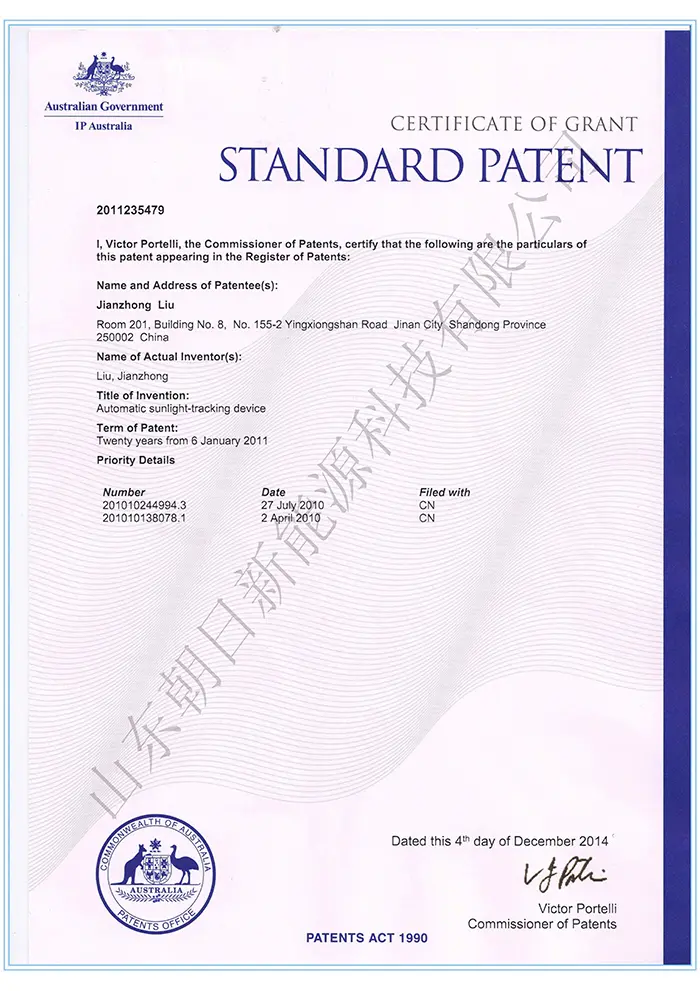
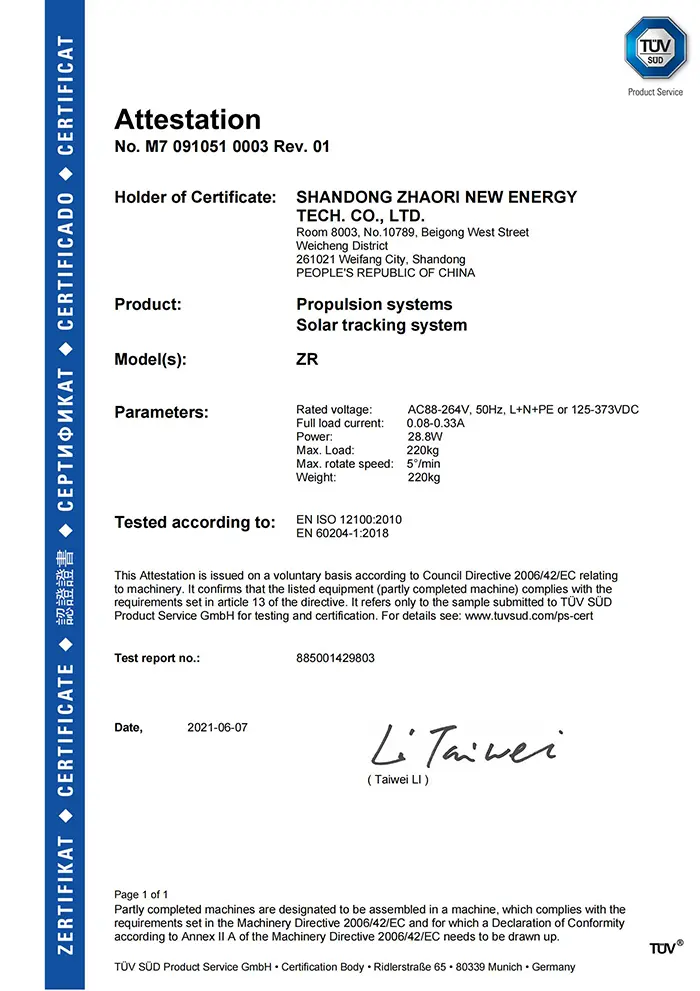
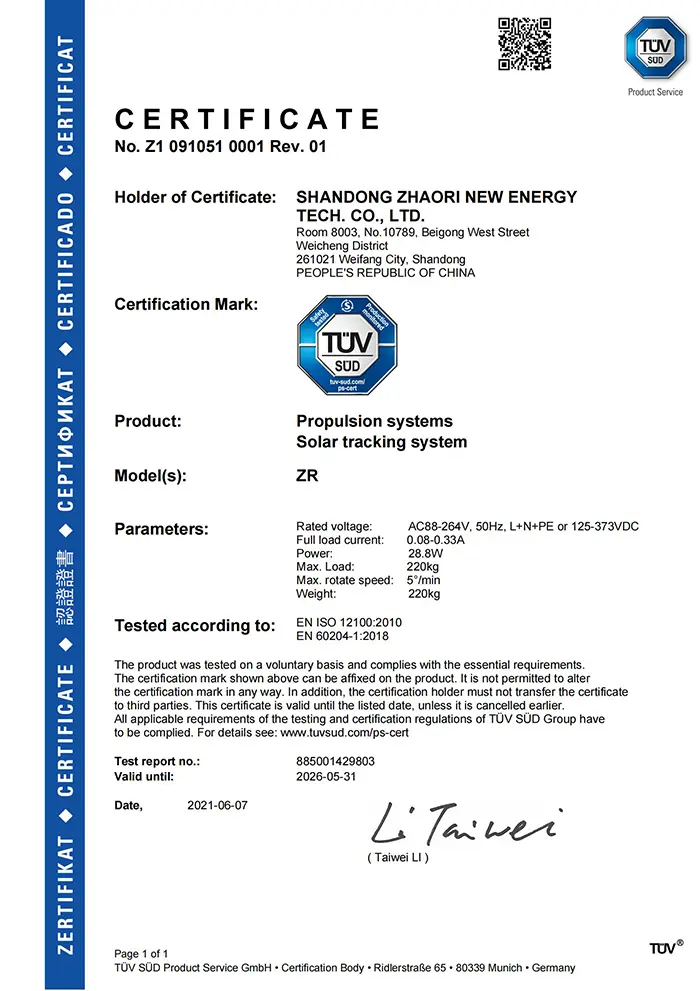
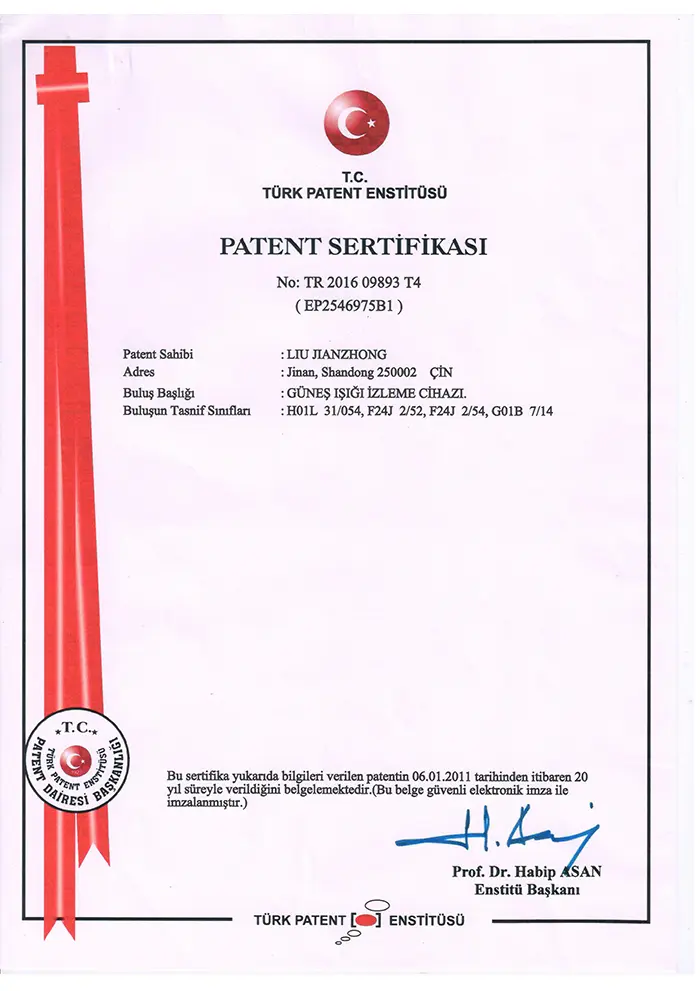
Our products carry TUV, CE, and ISO certifications, with invention patents in the EU, USA, Canada, Australia, Japan, and more, proving our technical maturity on the global stage.
Shandong Zhaori’s product line, including the ZRD-10, ZRD-08, and ZRD-06, is built on the principle of minimizing mechanical complexity to maximize field reliability. Each dual-axis system is designed to handle high torque while consuming minimal parasitic power.
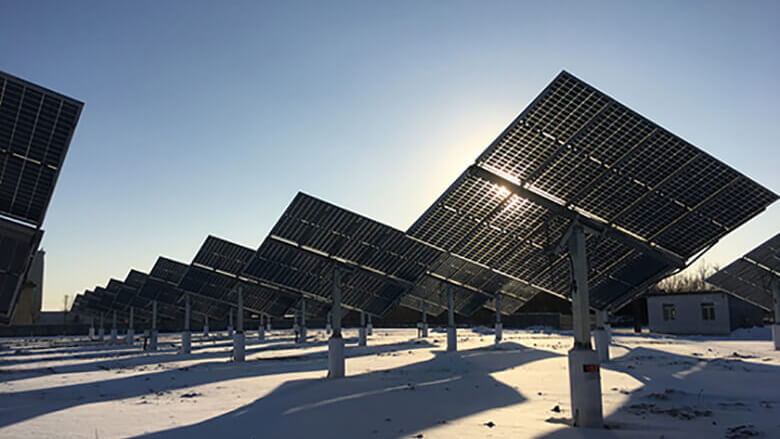
Our tracking systems utilize advanced astronomical algorithms combined with optional GPS sensors to ensure accuracy within ±0.5 degrees. This precision is critical for the latest generation of ultra-high-efficiency modules (such as TopCon or HJT) where even slight shading or misalignment can cause significant power drops.
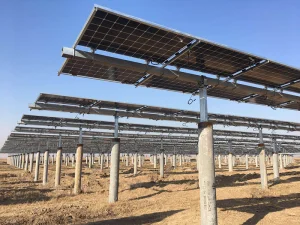
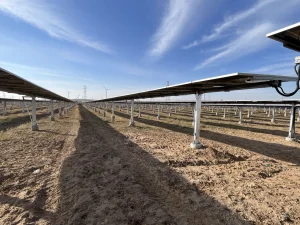
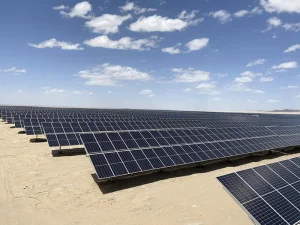
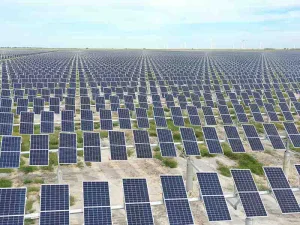
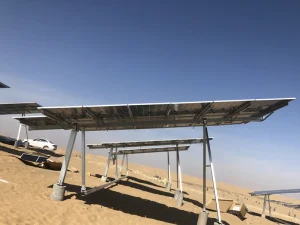
Sand-proof drive systems and automatic dust cleaning tracking positions make our trackers ideal for projects like our 20MW and 360MW desert installations.
Independent azimuth trackers are easier to install on uneven slopes compared to long-row single-axis systems, providing flexibility in land use.
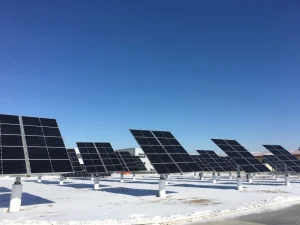
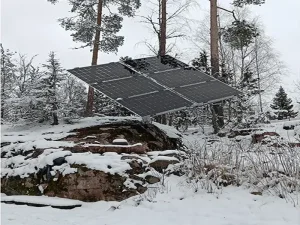
The ability to tilt panels to a 60-degree stow position allows for natural snow shedding, preventing structural collapse in cold climates.
Dual-axis trackers provide enough ground clearance and light distribution control for farming and livestock underneath the panels.
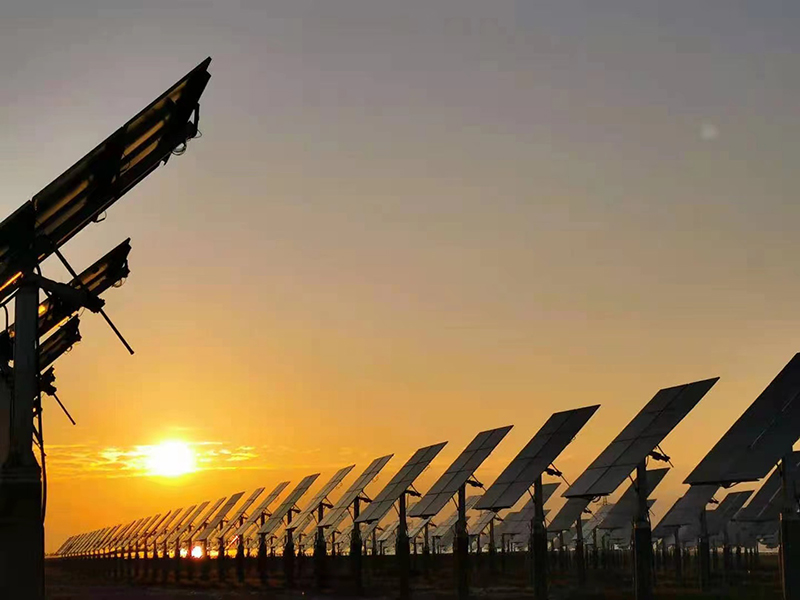
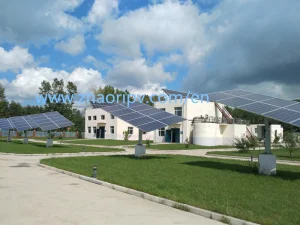
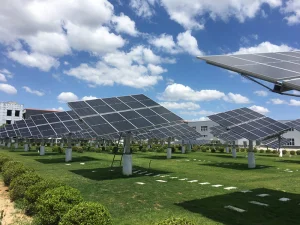
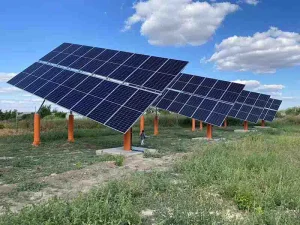
5MW in North China
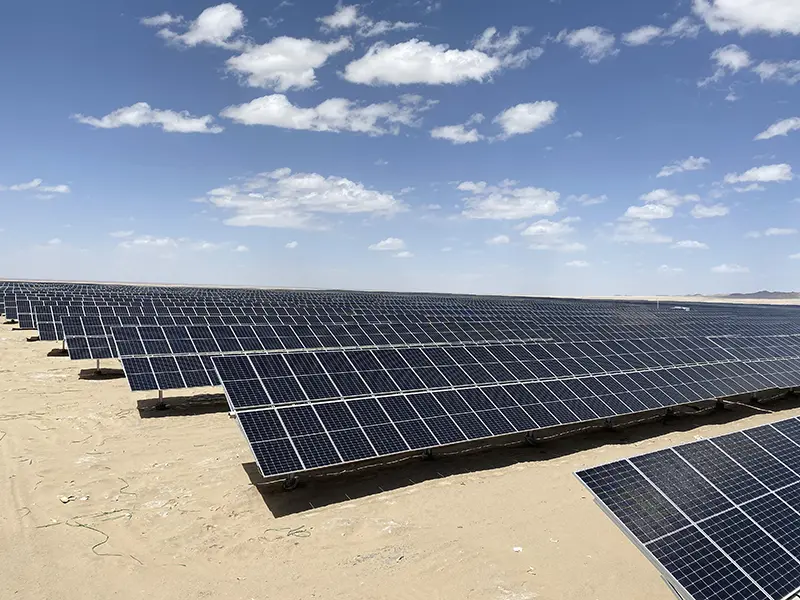
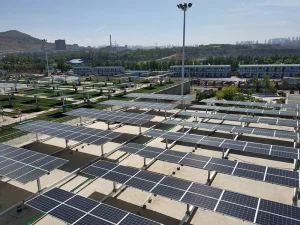
20MW Project in Desert
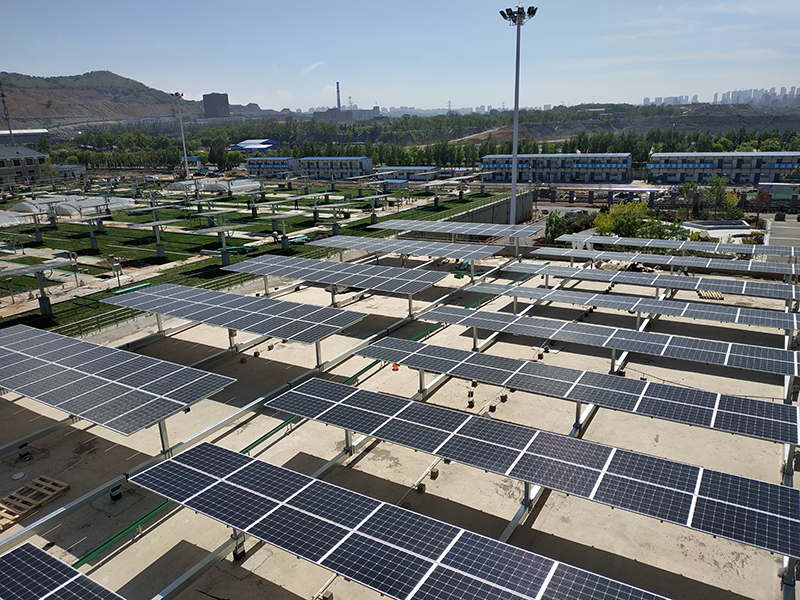
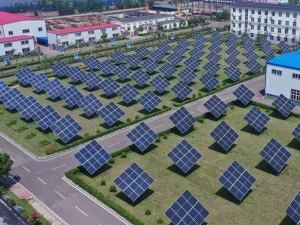
Industrial Roof Project
The global solar market is moving toward "Intelligence-as-a-Standard." Future azimuth trackers will integrate AI-driven backtracking that accounts for diffuse light during cloudy days, ensuring that panels are not just pointing at the sun, but at the brightest spot in the sky to maximize irradiance. Shandong Zhaori is currently integrating cloud-based O&M platforms to allow real-time monitoring and control from anywhere in the world.
For global procurement teams, the focus is shifting from "lowest cost per watt" to "maximum yield per acre." Azimuth trackers are the primary vehicle for this shift, offering the highest density of power generation in the PV industry today.
 Zhaori