Advanced dual-axis and single-axis solutions for global utility and commercial projects.
Modern solar trackers no longer just follow the sun's path. Integrated AI backtracking algorithms optimize panel angles during cloudy periods or high-albedo conditions, reducing self-shading and increasing net energy gain by an additional 2-4% compared to standard tracking.
The rise of bifacial modules has transformed tracking geometry. Manufacturers are now designing "2P" (two panels in portrait) systems with higher clearance and minimized rear-side shading, allowing for 25% to 35% more power generation than fixed-tilt bifacial setups.
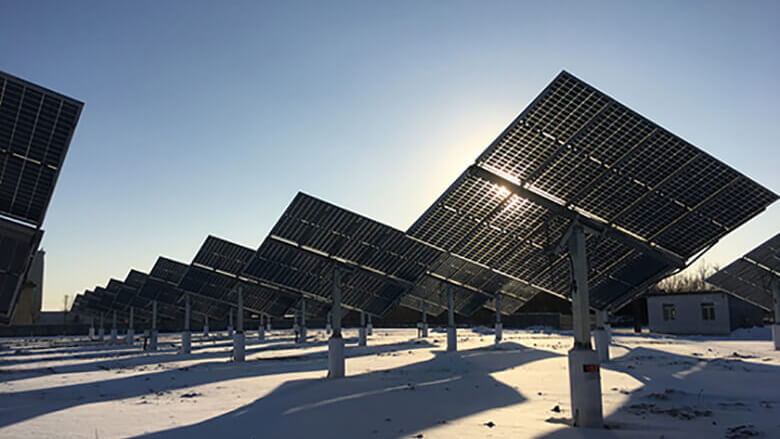
With global climate volatility, "Dynamic Wind Stowing" has become a critical procurement requirement. Intelligent sensors now trigger horizontal stowing within seconds of detecting high-velocity wind or heavy snow loads, protecting the capital investment.
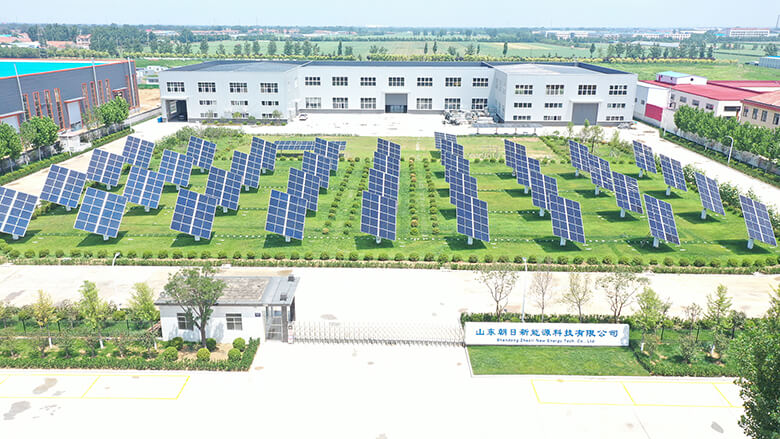
Founded in June 2012, Shandong Zhaori New Energy Tech. Co., Ltd. stands as a titan in the photovoltaic tracking industry. With a core focus on independent intellectual property rights, we have pioneered the transition from passive solar mounting to active sun-chasing technology.
Our team consists of over 60 professional technology talents across 10 specialized departments, including R&D, Quality Assurance, and Engineering. For over a decade, we have optimized the LCOE (Levelized Cost of Energy) for solar power stations globally through our "Simple, Reliable, Effective" design philosophy.
How our vertically integrated production ensures bankability and rapid deployment.
Our factory utilizes automatic welding robots and CNC laser cutting machines to ensure structural tolerances within 0.5mm. This precision is vital for the longevity of dual-axis systems that require high torsional rigidity.
Located in Shandong, China, we tap into the world's most resilient steel and electronics supply chain. Our 300+ production workers can scale operations to meet utility-scale demand, delivering 500MW per month with strict quality control.
Every tracker component undergoes rigorous anti-rust treatment (Hot-Dip Galvanization) to withstand coastal salinity and desert humidity, ensuring a 25-year operational lifespan in accordance with TUV and CE standards.
Localized solutions for diverse geographical and climatic challenges.
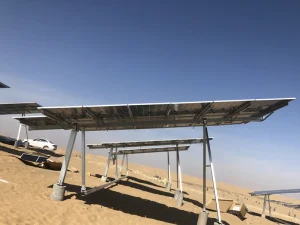
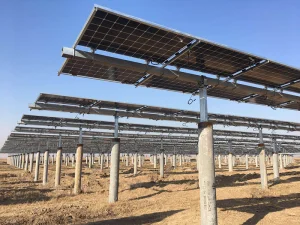
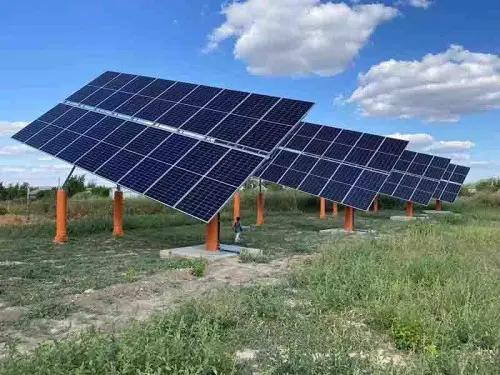
In high-DNI (Direct Normal Irradiance) regions like the Middle East or Gobi Desert, our ZRD-10 Dual Axis Solar Tracker increases output by up to 40% over fixed systems, utilizing high-precision astronomical algorithms.
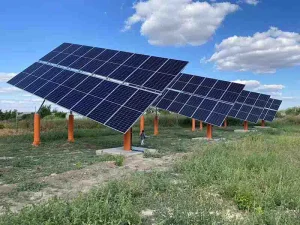
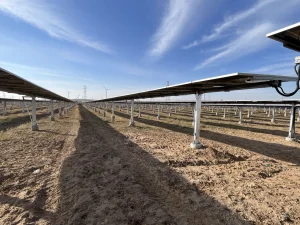
For uneven terrain where long single-axis rows are impossible, our "Tilted Single Axis" and independent dual-axis units allow for flexible placement, maximizing land utilization on slopes.
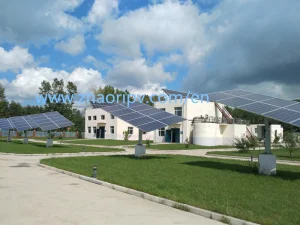
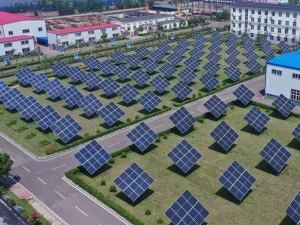
Decentralized tracking systems for factory rooftops and corporate green belts provide not only green energy but also a visual representation of a brand's commitment to high-tech sustainability.
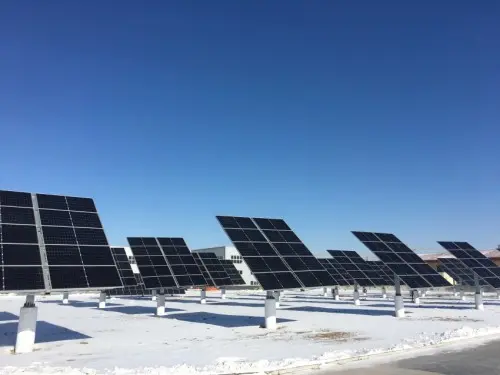
Designed for maximum energy harvesting. By tracking both azimuth and altitude, the ZRD-10 ensures the sun's rays are always perpendicular to the panel surface. Perfect for utility projects seeking the lowest possible LCOE.
A cost-effective hybrid. The tilted axis (10°–30°) captures significantly more energy than a flat single axis during winter months while maintaining a simpler mechanical structure than dual-axis systems.
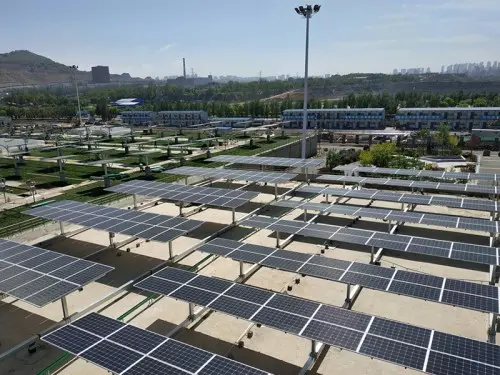
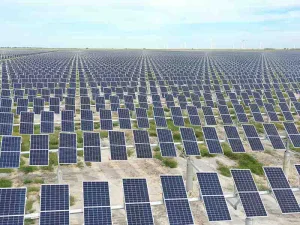
Optimized for bifacial modules. The 2-portrait configuration allows for larger MW blocks per motor, reducing installation time and lowering BOS (Balance of System) costs for large-scale developers.
Understanding the ROI and cost structure of tracking investments.
While a solar tracking system pricelist typically ranges from $0.08 to $0.15 per watt depending on the scale and technology (Dual vs Single axis), the true value lies in the Internal Rate of Return (IRR). Investing in an automatic tracking system generally results in:
Contact our foreign trade department for a detailed quote tailored to your project's latitude and wind load requirements.
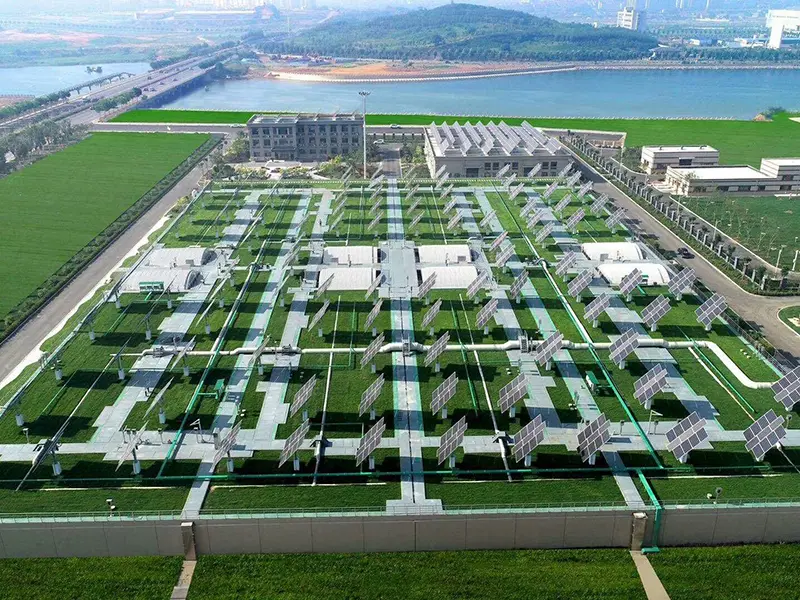
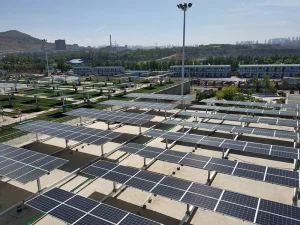
Industrial Rooftop Tracking
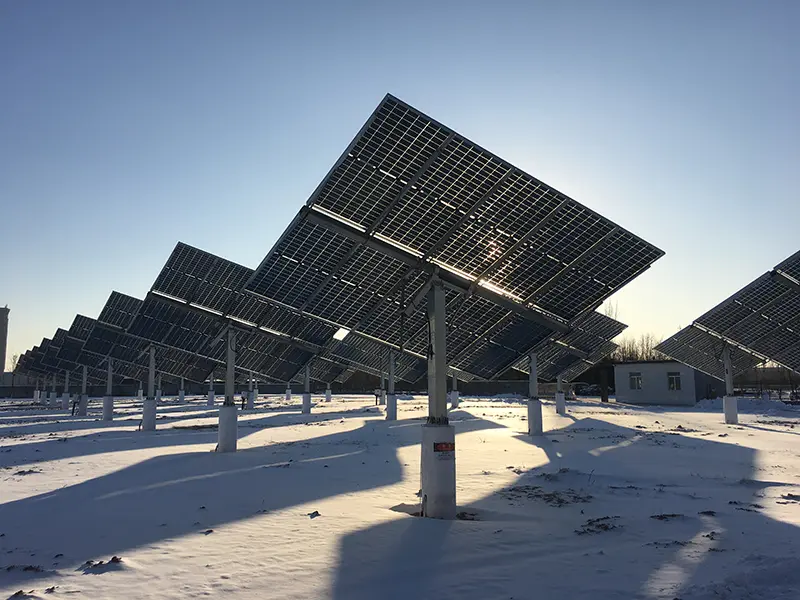
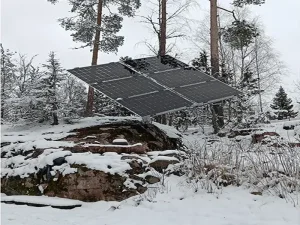
Snow-Resilient Arctic Systems
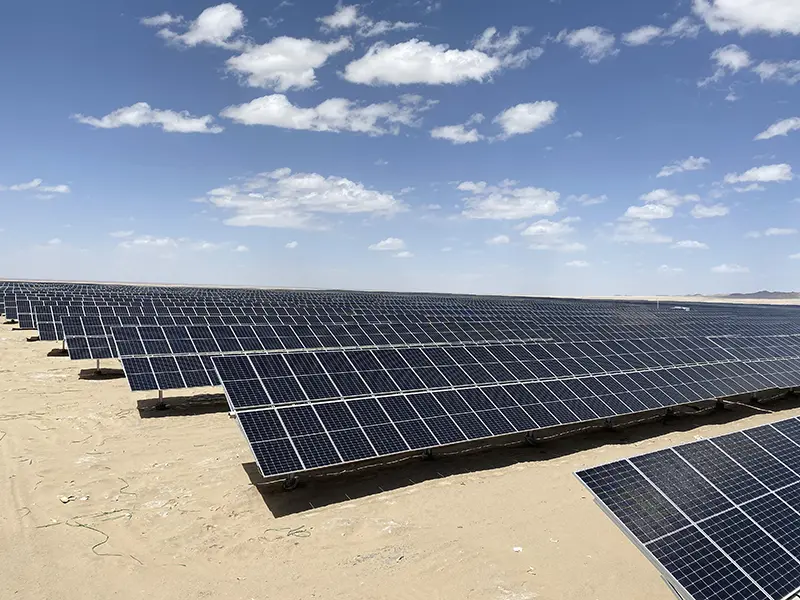
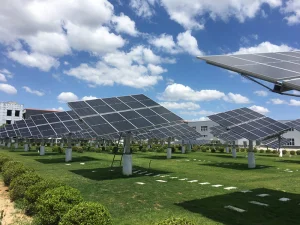
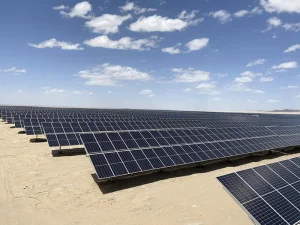
Desert Utility 20MW
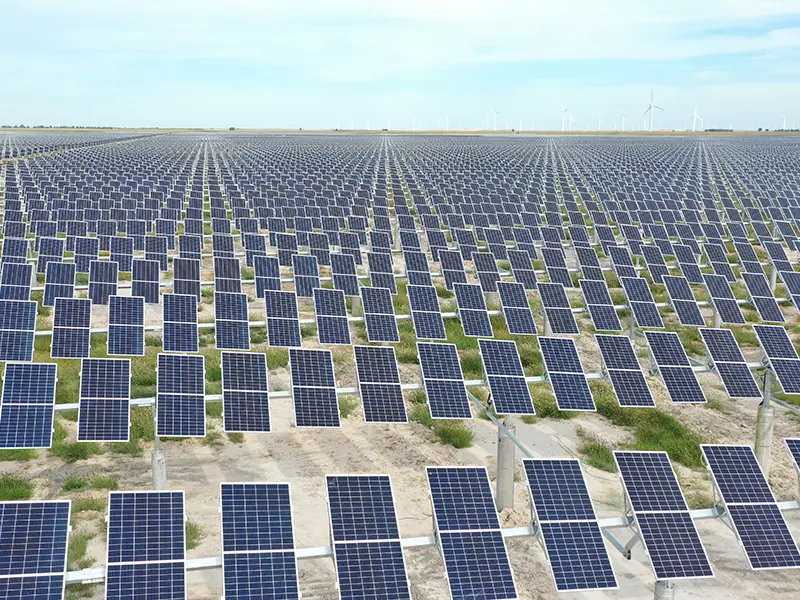
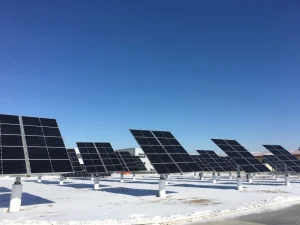
40MW Utility Scale Tracker
 Zhaori