High-efficiency tracking systems engineered for utility-scale and commercial projects.
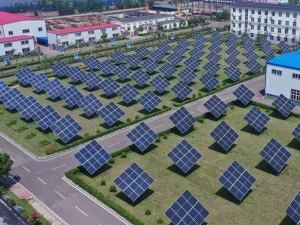
Optimized for maximum light capture via dual-axis movement.
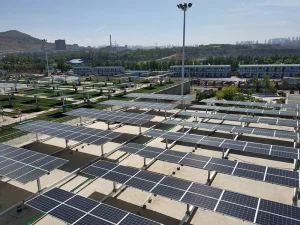
Industry-leading stability for large-format PV modules.
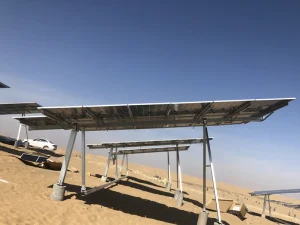
Increased generation for mid-latitude installations.
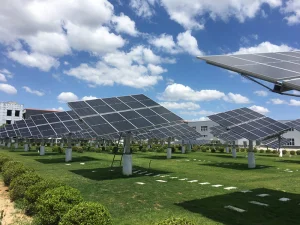
Complete turnkey dual-axis solutions for extreme yields.
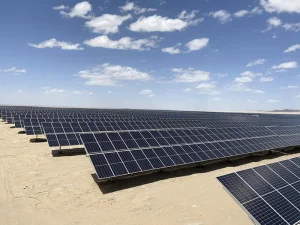
Seasonal adjustment capabilities for cost-effective optimization.
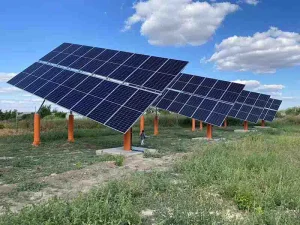
Robust engineering for high-wind environment resilience.
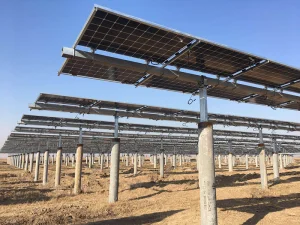
Competitive pricing for large-scale utility deployments.
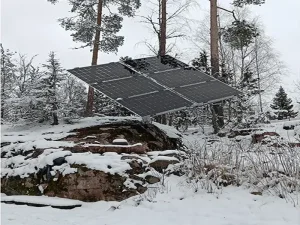
Precision tracking technology with intelligent control.
In the current renewable energy landscape, the Array Solar Tracker has transitioned from a premium alternative to a fundamental requirement for achieving the lowest Levelized Cost of Energy (LCOE). As global PV markets mature, the demand for precision-engineered tracking systems that can withstand diverse climatic conditions while providing "Information Gain" through AI-driven backtracking algorithms has reached an all-time high.
Modern array trackers can increase energy production by up to 35% compared to fixed-tilt systems. Our dual-axis systems, like the ZRD-10, utilize astronomical algorithms to maintain the incidence angle at 90 degrees throughout the day.
Designed to withstand wind speeds of up to 150km/h, our trackers use high-grade Q235B/Q355B steel with hot-dip galvanization, ensuring a 25-year service life in corrosive environments.
Incorporating machine learning to optimize backtracking during cloudy days or on uneven terrain, mitigating the effects of row-to-row shading and diffuse radiation.
The transition toward bifacial modules is the most significant trend shaping the solar tracker industry today. Array trackers must now account for rear-side irradiance, requiring higher ground clearance and structural designs that minimize shading on the back of the panels. Furthermore, the integration of IoT (Internet of Things) allows for real-time monitoring and remote stowage during extreme weather events, such as hailstorms or typhoons.
Shandong Zhaori New Energy Tech. Co., Ltd. is a high-tech and new energy company based on independent intellectual property rights. Founded in June 2012, our team has focused on photovoltaic power stations and solar tracking technology for more than a decade. With 10 specialized departments—including R&D, Quality Assurance, and I.M.D.—we provide a holistic approach to solar structural engineering.
Our factory is equipped with CNC machine tools, laser cutting machines, and automatic welding robots. Every product undergoes a rigorous screening process from raw material selection to anti-rust treatment and post-processing inspection. This ensures that every Array Solar Tracker leaving our facility meets the stringent requirements of global quality management systems.
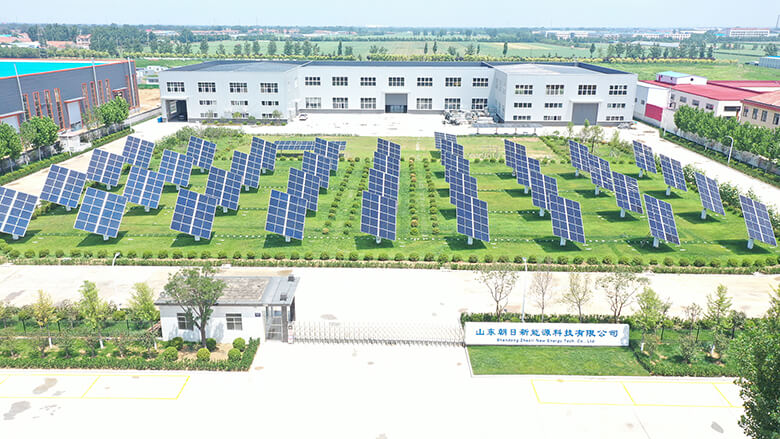
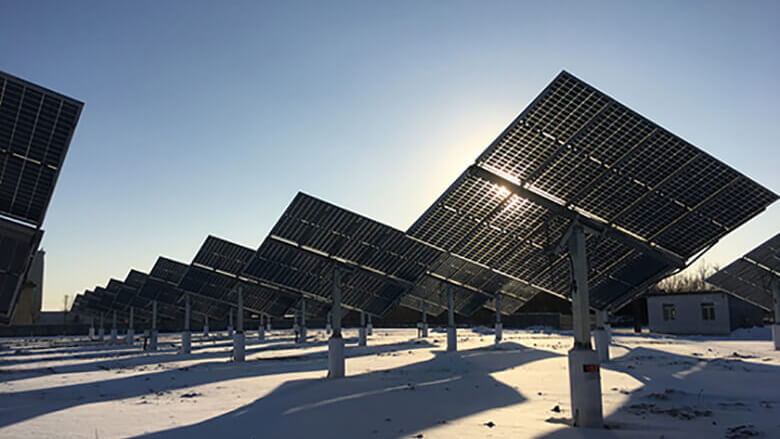
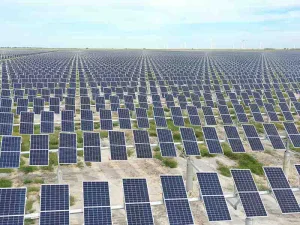
From the deserts of North China to the mountains of Central Asia, our trackers are deployed in some of the world’s most challenging environments. Whether it's a 360MW utility-scale project or a distributed commercial roof installation, we provide perfect customized solutions and professional operation services.
We understand that solar projects are local. That’s why our products have obtained patents in the Europe Patent Office, United States, Canada, Australia, Japan, South Korea, Thailand, India, Brazil, and South Africa. Adhering to the principle of "More Simple, More Reliable, More Effective," we ensure that our hardware is compliant with local building codes and electrical standards worldwide.
As we look toward 2030, the future of Array Solar Trackers lies in Autonomous Operations. Our R&D department is currently developing the next generation of self-powered trackers that utilize integrated PV cells and wireless mesh networking to eliminate the need for external cabling, drastically reducing installation costs.
Predictive maintenance algorithms will anticipate mechanical failures before they occur, using vibration sensors and power consumption analysis of the motors.
Solar trackers are being redesigned to facilitate dual-use land applications, such as agrivoltaics, where the tracker's height and angle are optimized for both electricity generation and crop growth.
Advancements in damping technology (shock absorbers) to prevent galloping and aeroelastic instability in trackers during high-wind events.
Prices are primarily driven by the steel market, the type of tracking (Single vs. Dual Axis), the wind load requirements of the site, and the scale of the project. Bulk orders for utility projects typically see a 15-20% reduction in per-unit cost.
While dual-axis trackers have a higher initial CAPEX, they can produce up to 40% more energy in certain geographic locations. The ROI is generally reached faster in regions with high solar irradiance and high electricity costs.
Absolutely. Our 2P flat single-axis systems are specifically optimized for bifacial modules, featuring high clearance and minimal structural shading to maximize rear-side energy gain.
Given our 500MW monthly production capacity, a 50MW project typically has a manufacturing lead time of 4-6 weeks, depending on the customization required.
Real-world performance in extreme conditions.
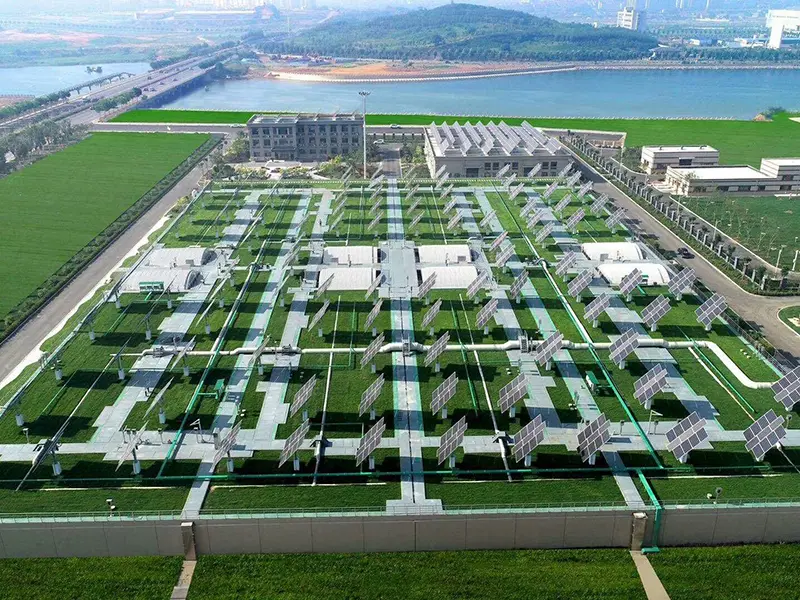
Factory Integration Project
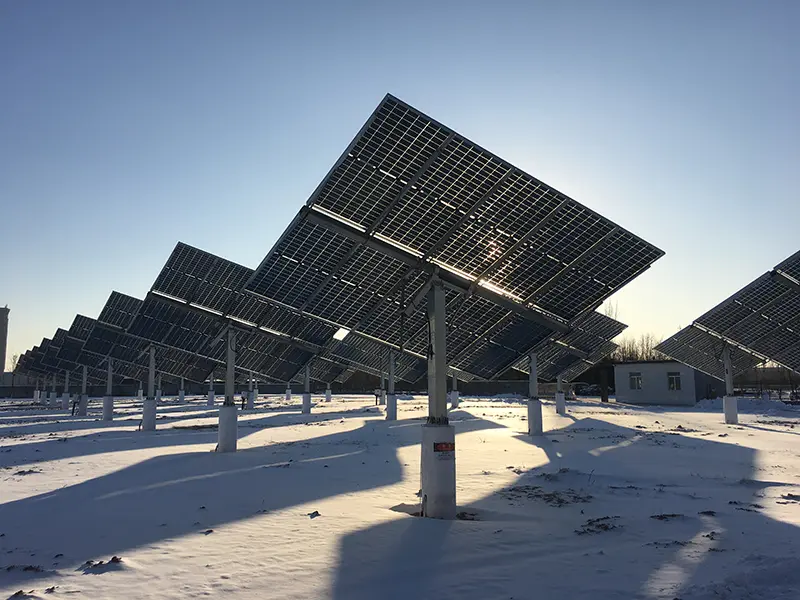
High-Snow Load Performance
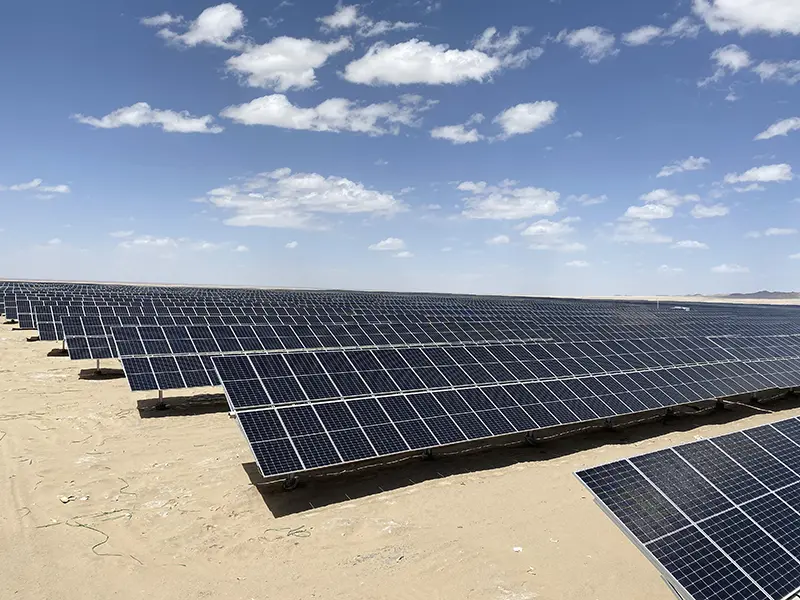
20MW Desert Installation
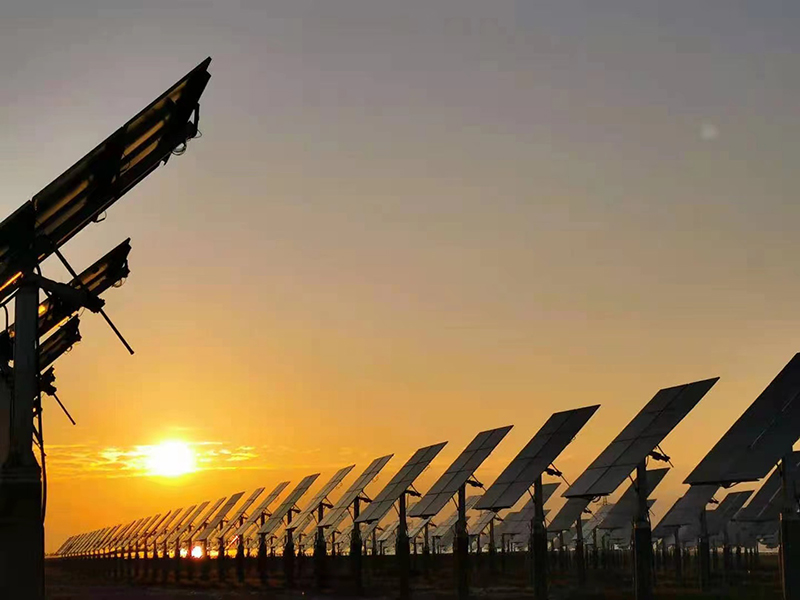
5MW Utility Scale China
Explore our full range of certified tracking systems and request a customized quote today.
Balanced cost-efficiency for emerging markets.
Flagship dual-axis model for maximum IRR.
Specialized geometry for high-latitude optimization.
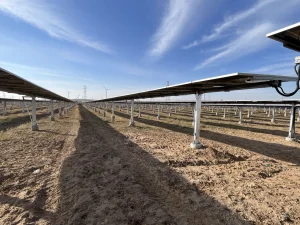
Streamlined design for rapid on-site assembly.
Top-rated manufacturer with 10+ years expertise.
TUV Certified tracking for large scale arrays.
Optimized for rugged terrain and wind resistance.
Get a direct factory quote for your PV project.
 Zhaori