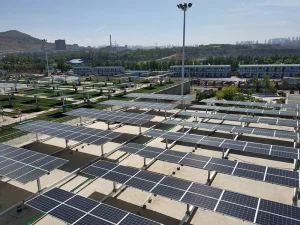
In the rapidly maturing renewable energy sector, the quest for the lowest Levelized Cost of Energy (LCOE) has shifted focus from simple module efficiency to systemic optimization. At the heart of this optimization lies the Advanced Solar Tracking Energy System. Unlike fixed-tilt structures, modern tracking systems utilize sophisticated algorithms and robust mechanical engineering to follow the sun’s trajectory, significantly enhancing energy yield by up to 40% in high-irradiance regions.
The solar industry is currently undergoing a paradigm shift characterized by three major trends:
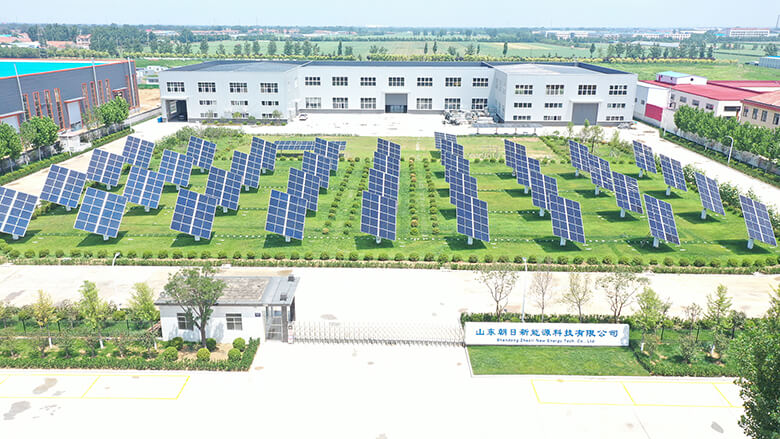
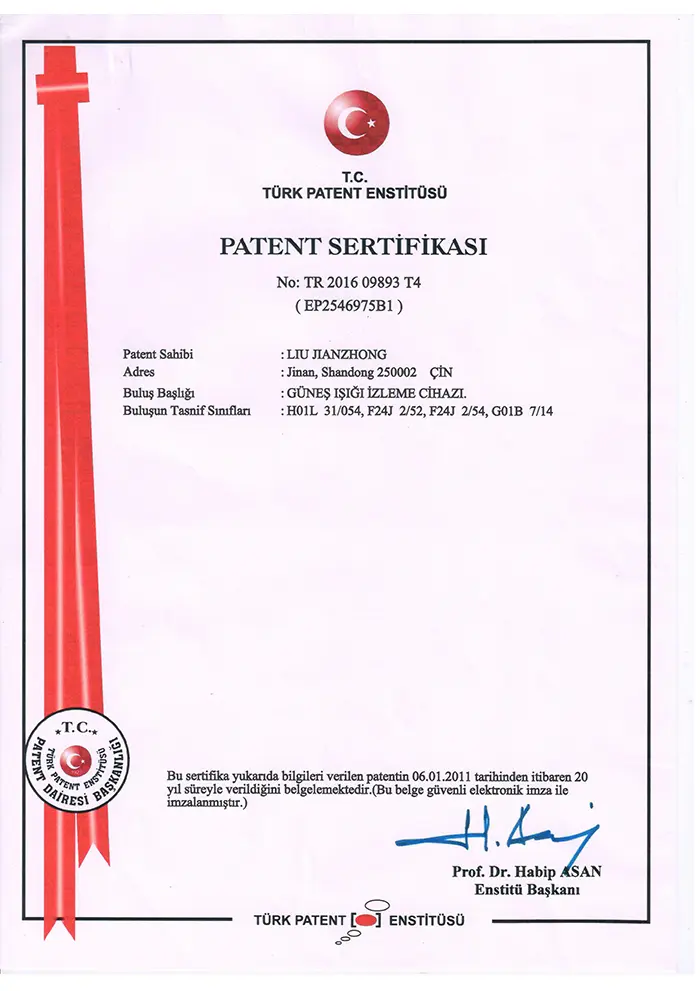
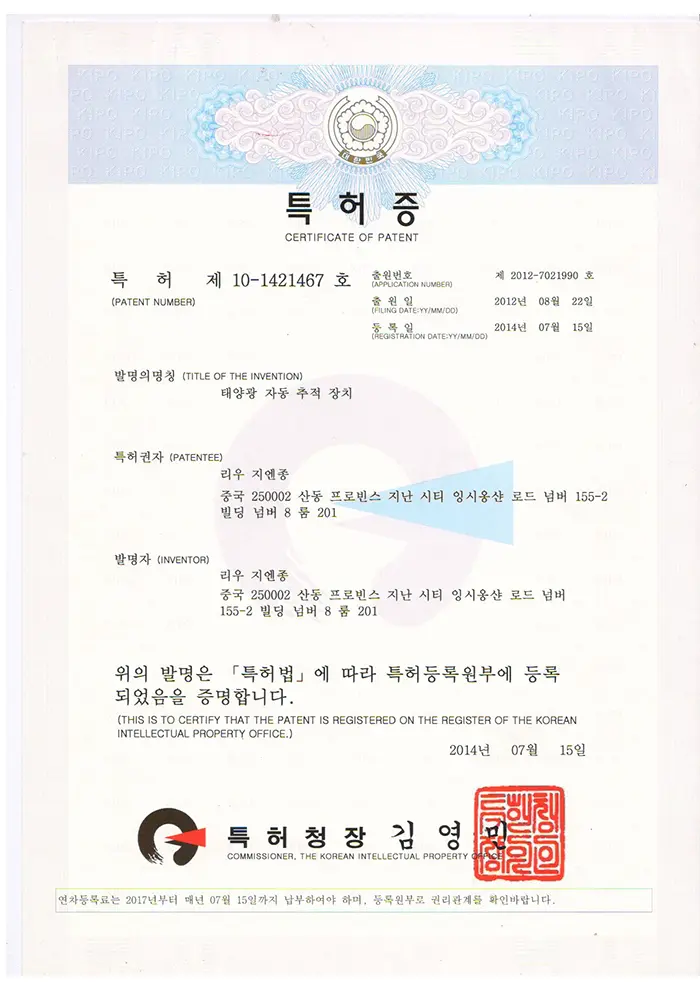
Founded in June 2012, Shandong Zhaori New Energy Tech. Co., Ltd. has established itself as a global leader in solar tracking technology. With over 60 professional technology talents and 10 specialized departments—including R&D, Quality Assurance, and I.M.D.—our team brings over a decade of concentrated expertise in photovoltaic power station optimization.
Operating out of a massive 50,000 square meter facility, our manufacturing prowess is a testament to China's "Factory 4.0" initiative. By integrating CNC machine tools, laser cutting machines, and automatic welding robots, we ensure every bracket and tracker meets micron-level precision.
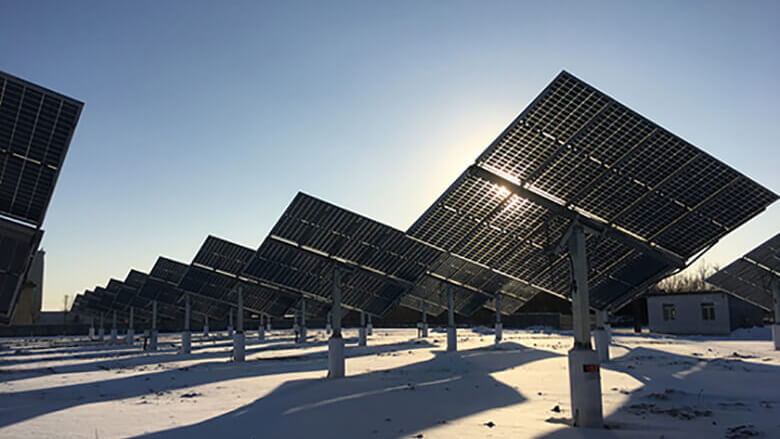
For global procurement officers, this means Supply Chain Resilience. With a monthly production capacity of 500MW, we can support the world's largest utility projects without the bottlenecks typically associated with large-scale infrastructure. Our strict quality control spans from raw material screening to final post-processing and anti-rust treatment.
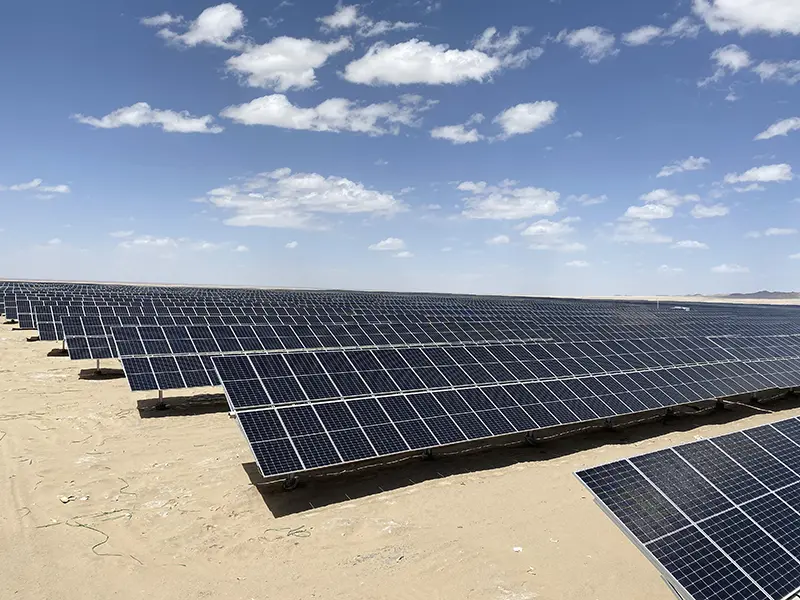
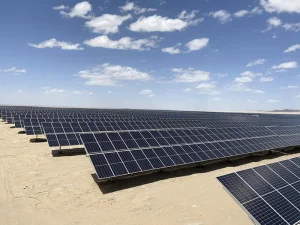
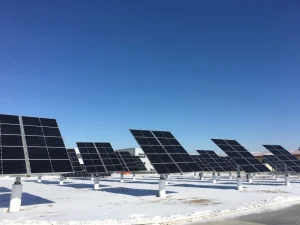
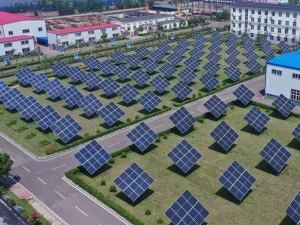
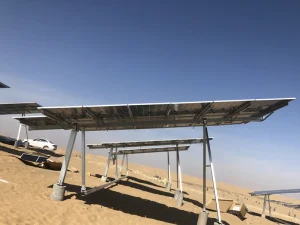
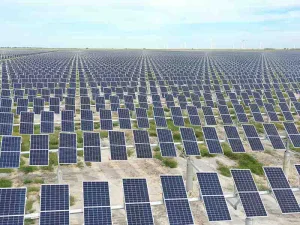
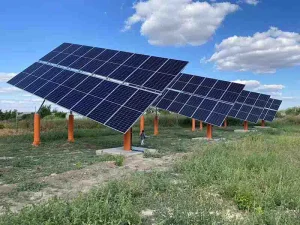
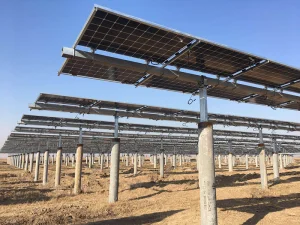
High irradiance and vast space make dual-axis systems like the ZRD series ideal for maximizing ROI in arid climates.
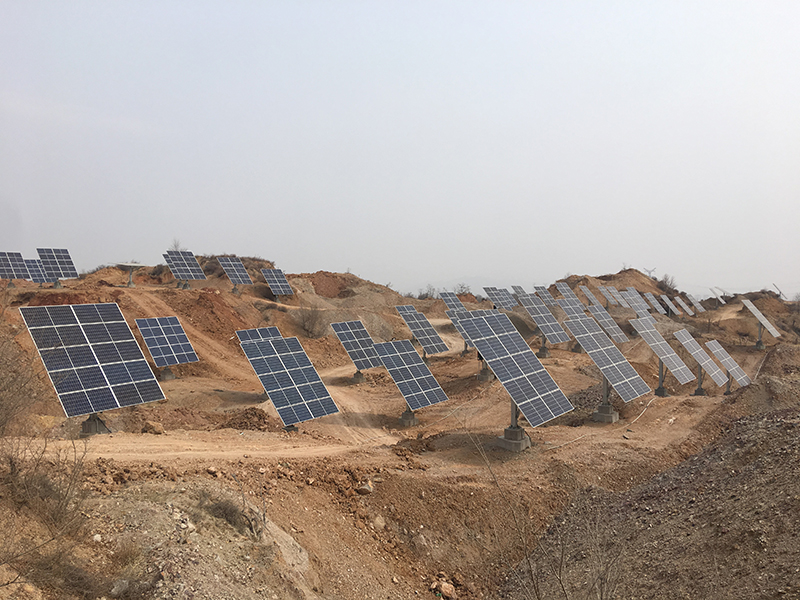
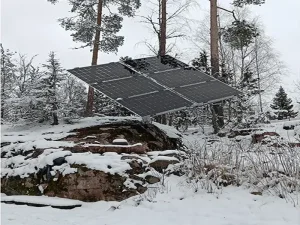
Our tilted single-axis trackers are engineered for mountain and irregular terrain projects where ground levelling is cost-prohibitive.
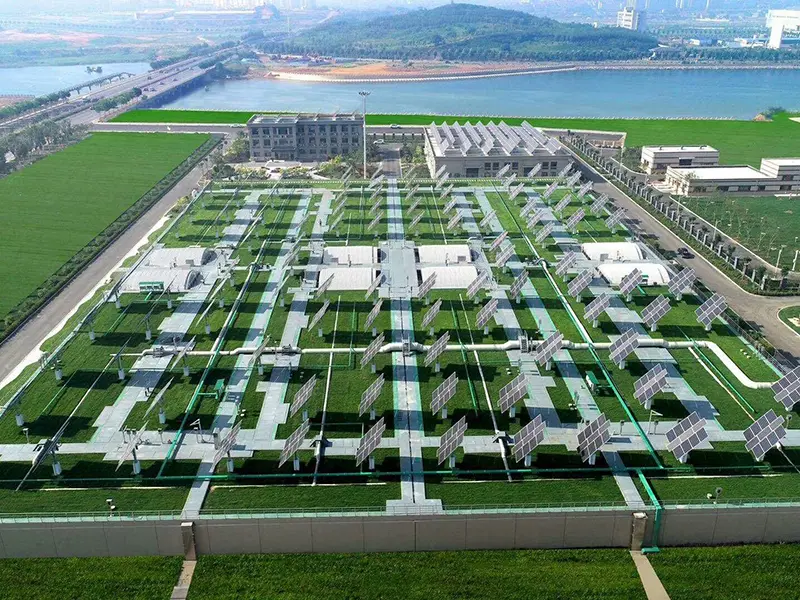
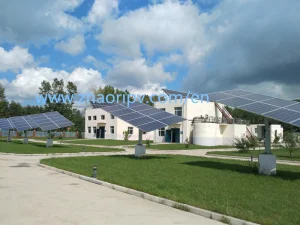
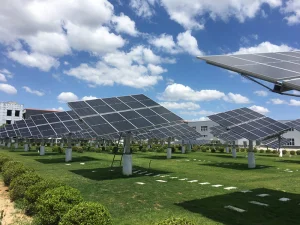
Roof-mounted and green belt projects help corporations meet ESG goals while providing stable, long-term energy savings.
The pinnacle of solar tracking. By tracking both the azimuth and altitude of the sun, it provides the highest energy yield possible for any PV system.
Adjustable tilt (10°-30°) allows for seasonal optimization, balancing cost and performance effectively for mid-latitude installations.
Optimized for 1P or 2P configurations, reducing structural steel requirements while providing a 15-30% gain over fixed systems.
A: While the CAPEX is higher for dual-axis trackers, the 35-45% increase in energy production significantly lowers the LCOE, often leading to a shorter payback period in high-latitude or high-irradiance regions.
A: Our "More Simple" principle ensures minimal moving parts. Combined with high-quality anti-rust treatments and robotic welding, maintenance is primarily limited to periodic inspections and software updates.
A: Yes, our ZRD and ZRP series are engineered to support the physical dimensions and weight of next-generation high-efficiency modules, including bifacial variants.
A: Our systems include automatic stowing protocols triggered by integrated anemometers, moving the panels to a horizontal position to minimize wind resistance during storms.

 Zhaori