The global renewable energy sector is witnessing a paradigm shift from static PV installations to dynamic, AI-driven 3-axis and dual-axis solar tracking systems. As of 2024, the demand for high-efficiency solar tracking has surged by 35% in utility-scale projects. This evolution is driven by the need to maximize Levelized Cost of Energy (LCOE) efficiency, particularly in regions with high Direct Normal Irradiance (DNI).
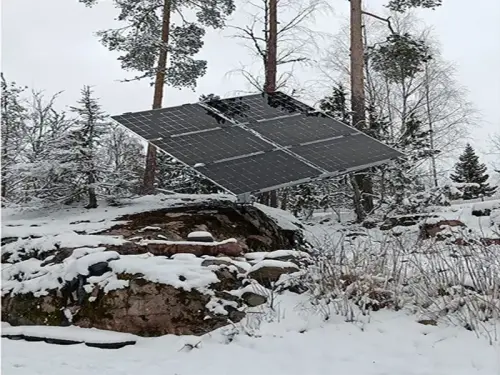
Manufacturers like Shandong Zhaori New Energy Tech. Co., Ltd. are at the forefront, bridging the gap between mechanical robustness and digital precision. The industry is moving toward "Smart Solar Farms" where each tracker acts as an IoT node, communicating with central weather stations to mitigate wind-load risks and snow accumulation automatically.
Efficiency Gain
Monthly Capacity
Global Patents
Design Life
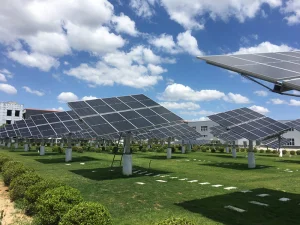
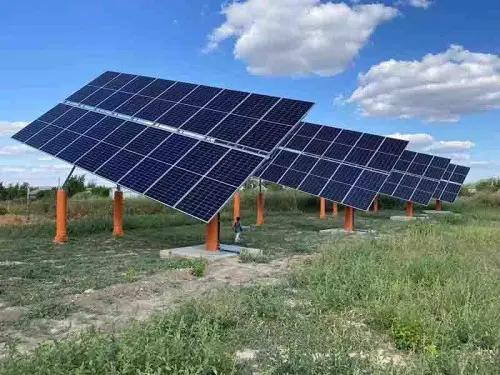
Modern 3-axis systems utilize astronomical algorithms combined with GPS real-time feedback. This ensures the solar panels are always perpendicular to the sun's rays, even in diffused light conditions. Our ZRD series incorporates shadow-avoidance technology to prevent row-to-row shading during sunrise and sunset.
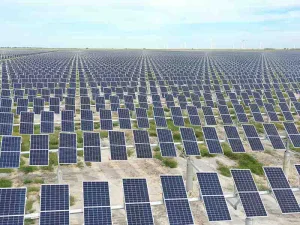
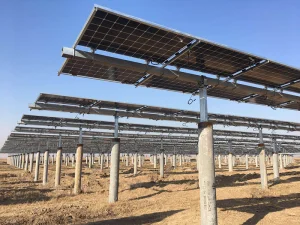
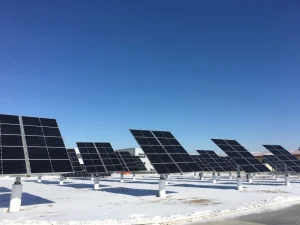
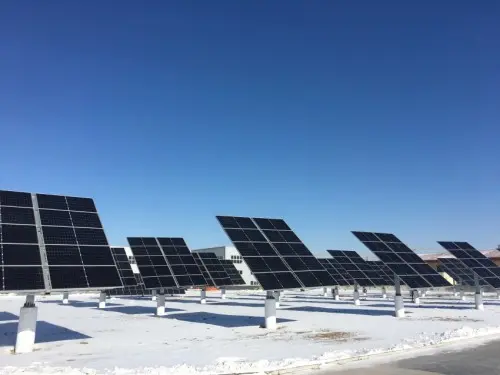
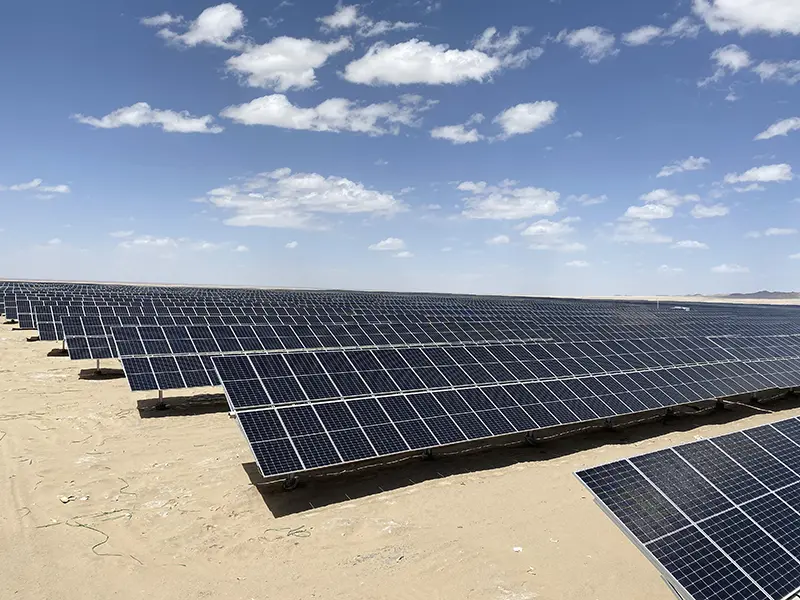
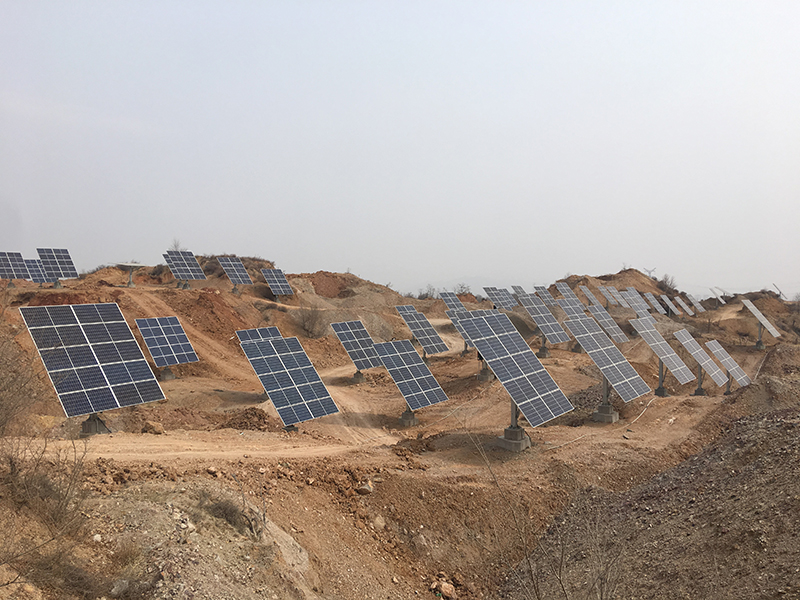
Using Hot-Dip Galvanized steel (HDG) with a coating thickness of ≥85μm, Zhaori trackers are built for harsh environments. From the 20MW desert projects to 110MW mountain installations, the structural design supports wind speeds up to 150km/h through automated "Stow Modes."
The latest technology roadmap emphasizes bifacial module optimization. By elevating the tracking axis and reducing structural shading on the rear side, our systems unlock an additional 5-10% gain from albedo light reflection.
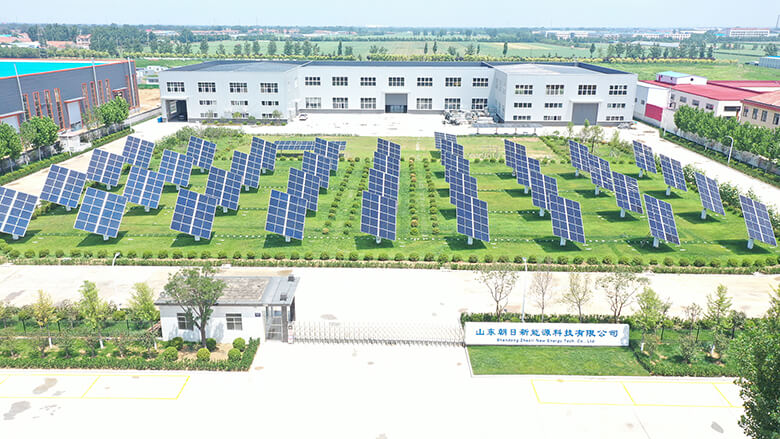
Shandong Zhaori New Energy Tech. Co., Ltd. is a high-tech company founded in June 2012, based on independent intellectual property rights. With over 60 professional technology talents and 10 dedicated departments (R&D, Engineering, Quality Assurance, etc.), our team has focused on PV power stations and tracking technology for over a decade.
Our factory covers 50,000 square meters, equipped with CNC machine tools, laser cutting machines, and automatic welding robots. We maintain a strict quality control system, ensuring each product from raw material screening to final packaging meets TUV, CE, and ISO certifications.
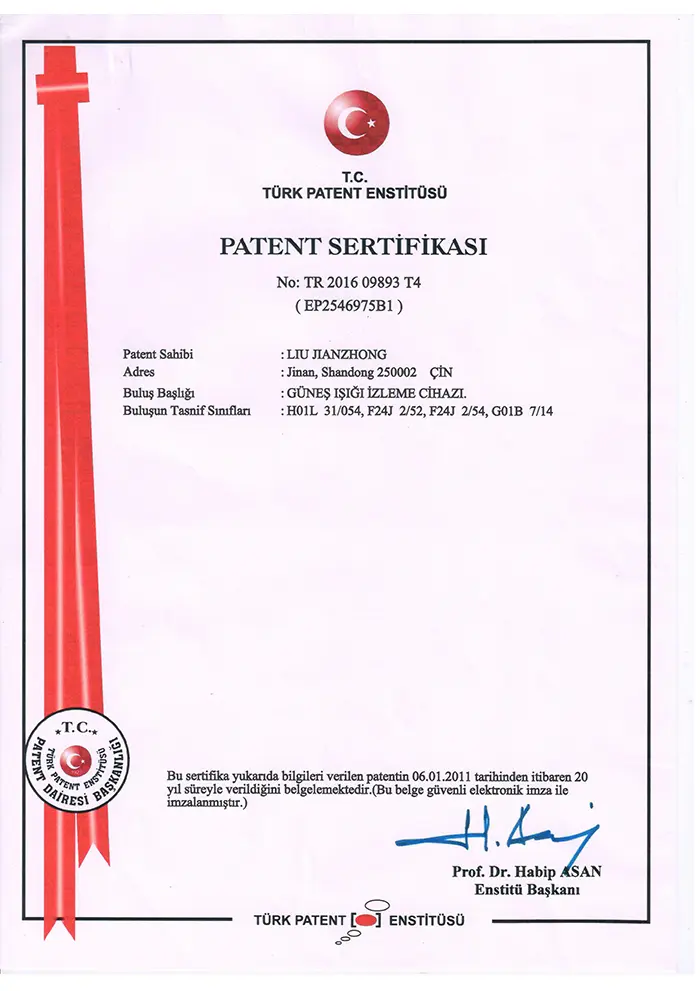
Our products include stationary brackets, adjustable PV brackets, flat single axis, tilted single axis, and dual axis tracking systems. We hold invention patents from the Europe Patent Office, USA, Canada, Australia, Japan, South Korea, Thailand, India, Brazil, and South Africa. Our principle: "More simple, more reliable, and more effective."
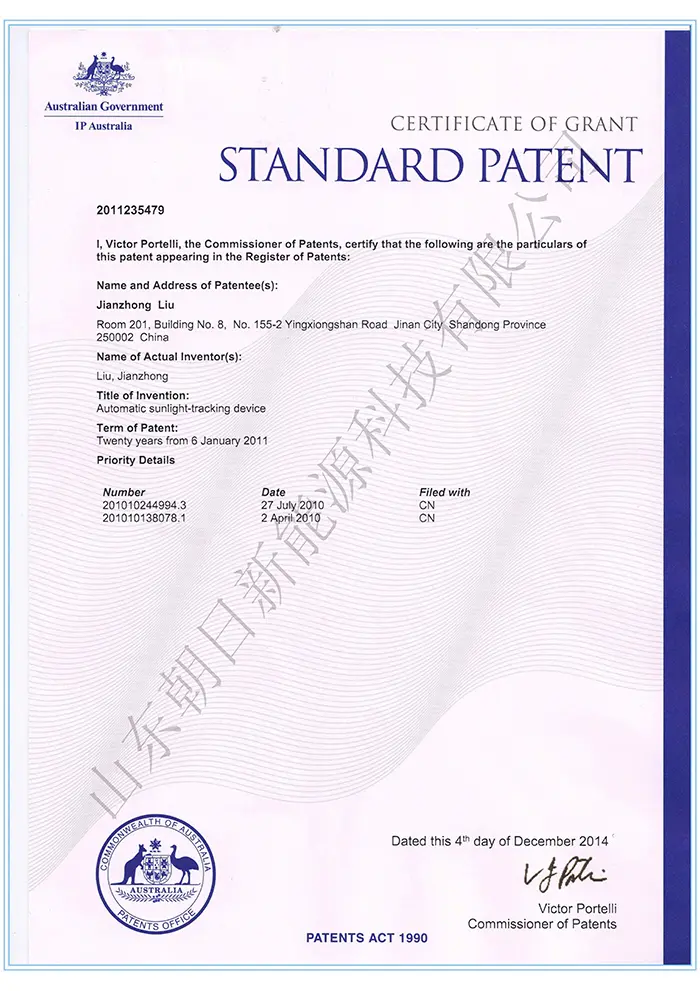
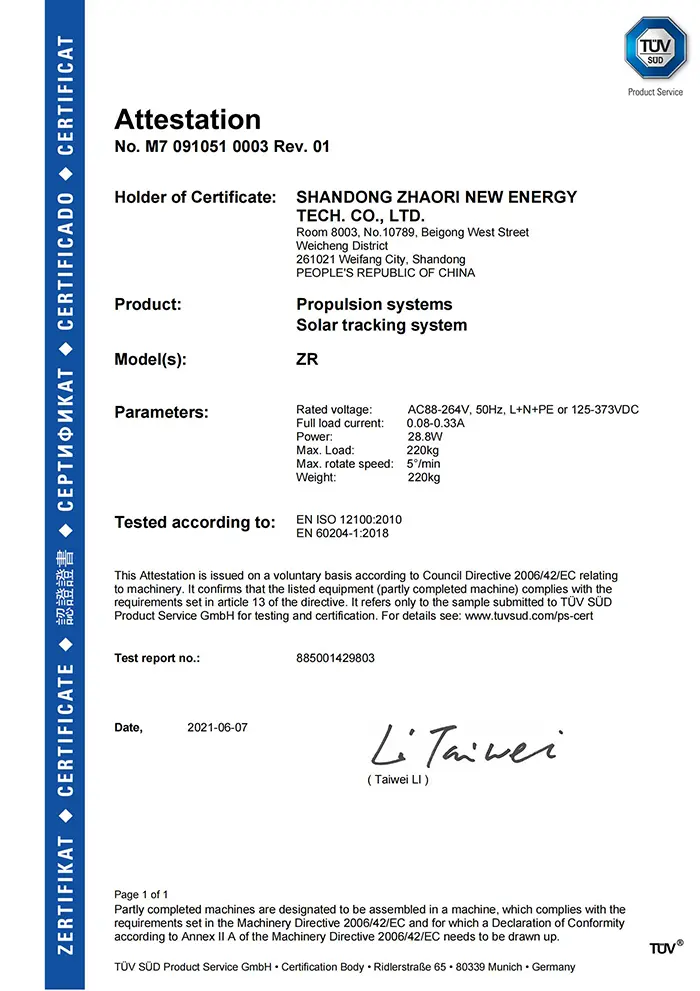
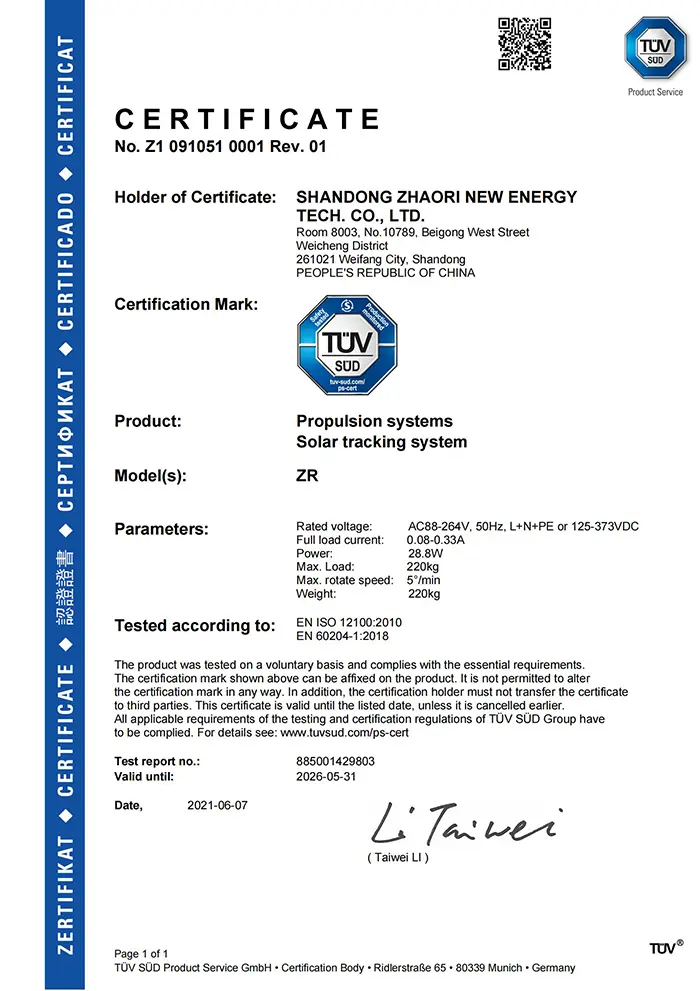
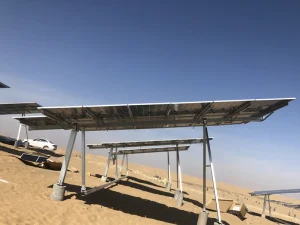
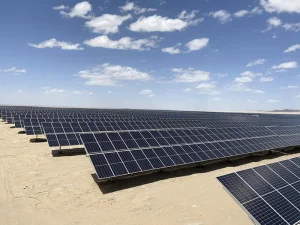
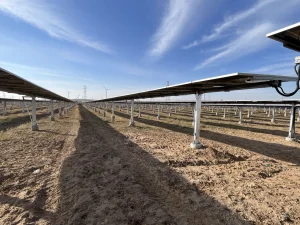
Sand-resistant bearing designs and high-clearance structures for 20MW+ projects in arid regions.
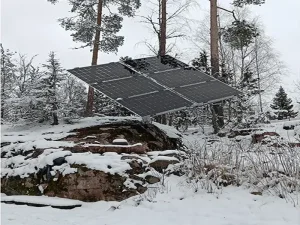
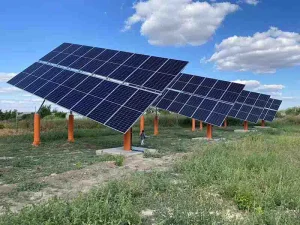
Adaptive tilted axis trackers that maximize yield on irregular slopes and terrains.
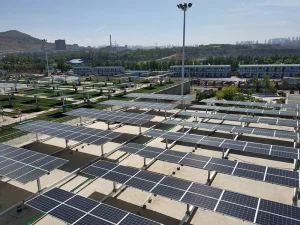
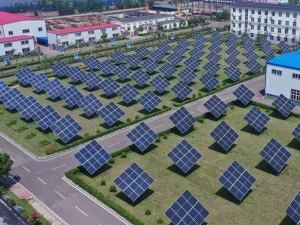
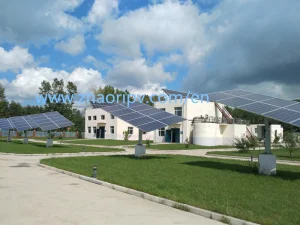
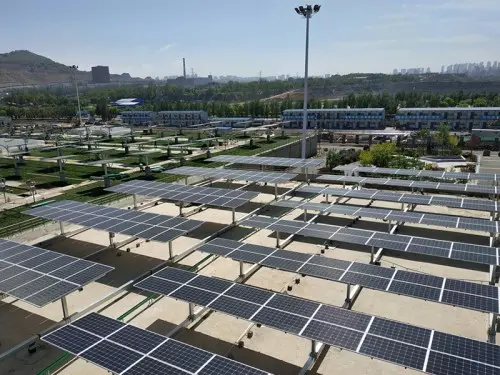
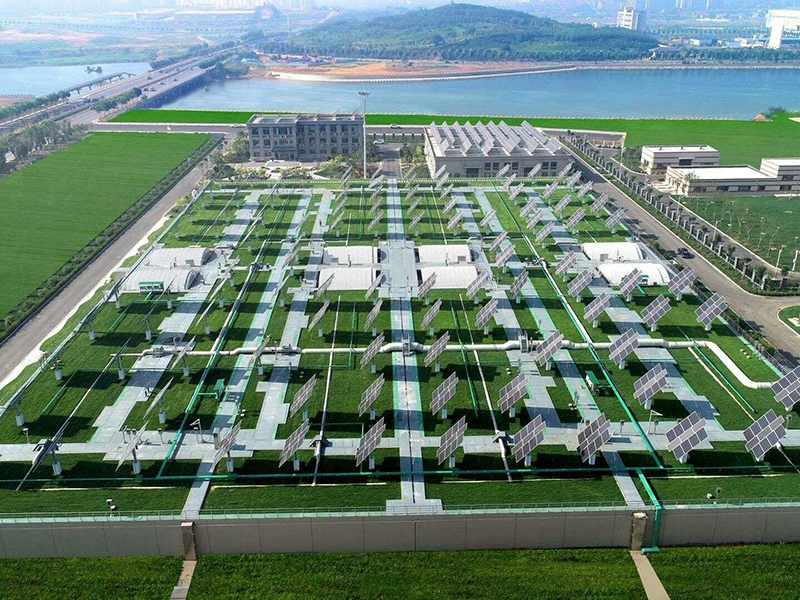
Lightweight dual-axis trackers for factory roofs, providing decentralized energy independence.
The future of 3-axis solar tracking lies in Machine Learning (ML) integration. Systems are being developed to analyze cloud movement via sky cameras to switch between "Direct Tracking" and "Diffuse Tracking" modes in seconds. Furthermore, hydrogen production through solar tracking is becoming a macro-solution for industrial decarbonization. Shandong Zhaori is currently researching "Carbon-Neutral Manufacturing" lines to ensure our trackers are green from the moment of production.
 Zhaori