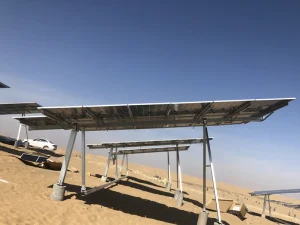
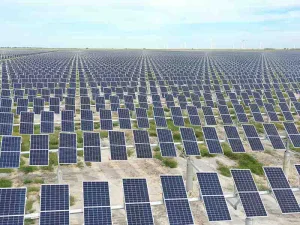
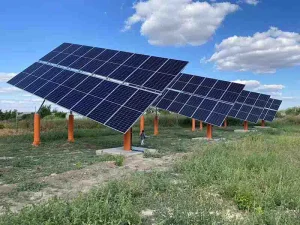
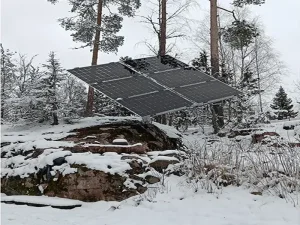
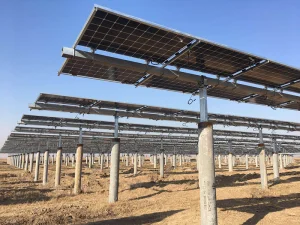
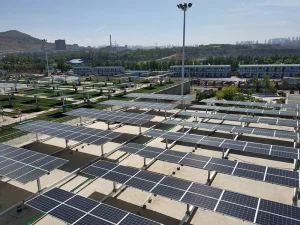
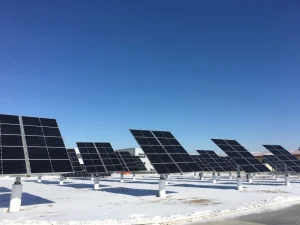
As Pakistan faces rising electricity tariffs and a growing energy deficit, the shift towards renewable energy is no longer an option—it is a strategic necessity. For commercial, industrial, and utility-scale investors in Pakistan, the focus is shifting from "how many panels can I install" to "how much energy can each panel generate." This is where Tilted Single Axis Trackers become the game-changer for the local landscape.
Pakistan possesses some of the highest Direct Normal Irradiance (DNI) in the world, particularly in regions like Southern Punjab, Sindh, and Balochistan. However, many projects still rely on fixed-tilt structures, losing 15% to 25% of potential energy yield. With the government's Alternative Energy Development Board (AEDB) promoting net metering and utility-scale solar parks (like the Quaid-e-Azam Solar Park), the demand for high-efficiency trackers is skyrocketing.
Textile mills in Faisalabad and manufacturing units in Sialkot are moving to Tilted Single Axis systems to offset high peak-hour charges. The ability to track the sun ensures a flatter, more consistent power curve throughout the day.
With solar-powered tube wells becoming the norm in rural Punjab, smart trackers allow farmers to maximize water pumping capacity during early morning and late afternoon hours.
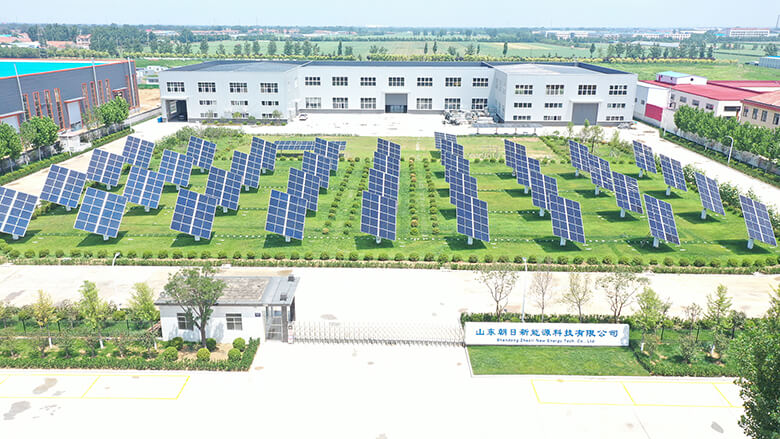
Founded in June 2012, Shandong Zhaori New Energy Tech. Co., Ltd. is a high-tech pioneer specializing in solar tracking technology. With over 60 professional R&D experts and a decade of focus on PV power stations, we provide the Pakistan market with unrivaled technical depth.
Our 50,000 square meter factory is equipped with advanced CNC machine tools, laser cutting machines, and automatic welding robots. With a monthly production capacity of 500MW, we are uniquely positioned to serve Pakistan's largest utility-scale tenders and urgent industrial deployments.
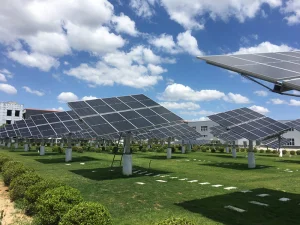
While horizontal single-axis trackers are common, the Tilted Single Axis Tracking System (ZRT series) is specifically optimized for Pakistan's latitudes (roughly 24°N to 37°N). By tilting the axis between 10° and 30°, the system captures more direct sunlight than horizontal trackers, especially during winter months when the sun is lower in the sky.
Pakistan's climate presents challenges: extreme heat in Sindh, dust storms in the Cholistan desert, and monsoon rains. Our systems are engineered to withstand these:
| System Type | Annual Energy Gain | LCOE Impact |
|---|---|---|
| Fixed Tilt (25°) | Baseline | High |
| Horizontal Single Axis | +12-18% | Medium |
| Tilted Single Axis (ZRT) | +18-28% | Lowest |
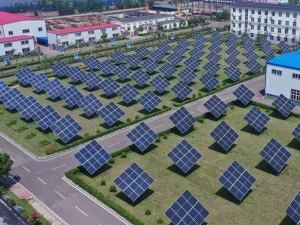
Our technology has been proven across diverse terrains, providing the blueprint for successful solar deployment in Pakistan.
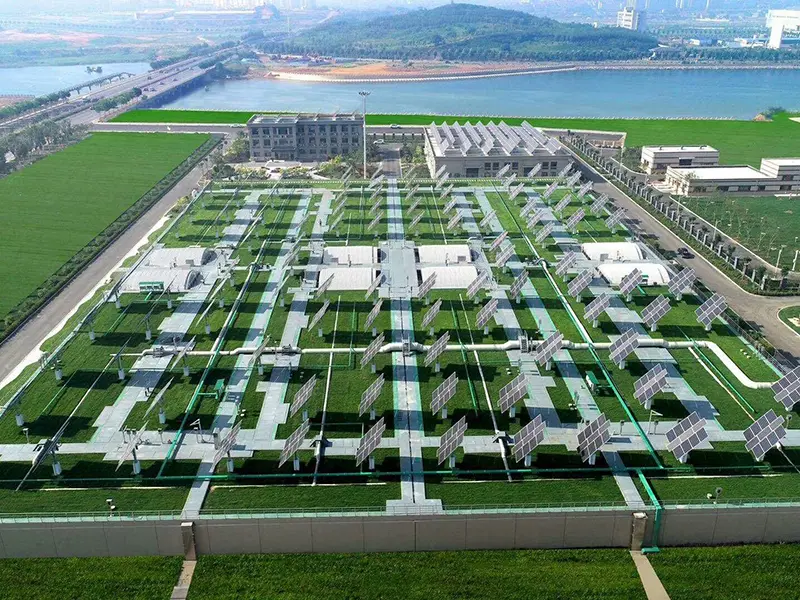
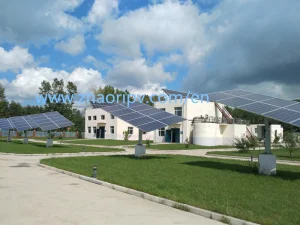
Optimized tilted systems for factory roof spaces where ground area is limited, maximizing kWh per square meter.
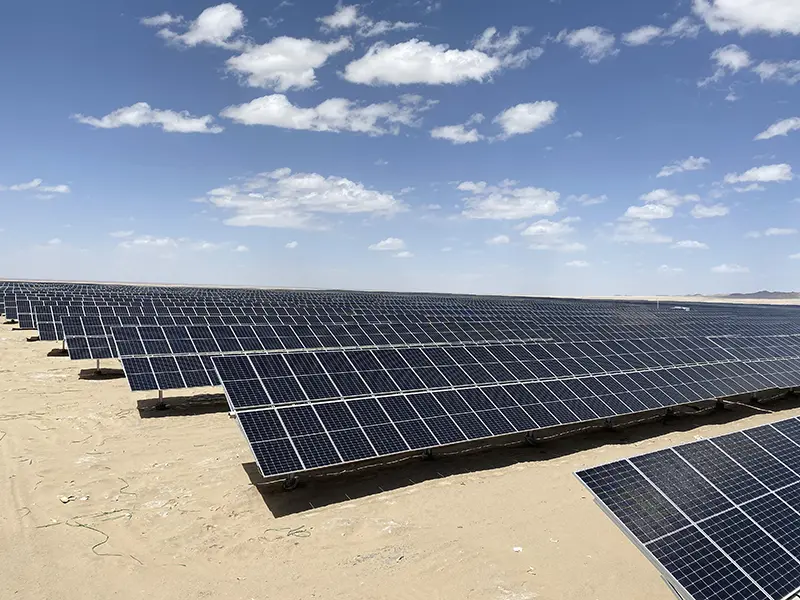
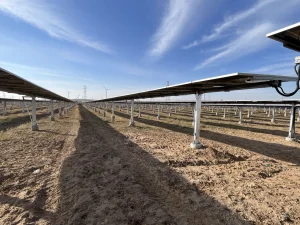
A large-scale deployment featuring reinforced structures and advanced backtracking algorithms to eliminate row-to-row shading.
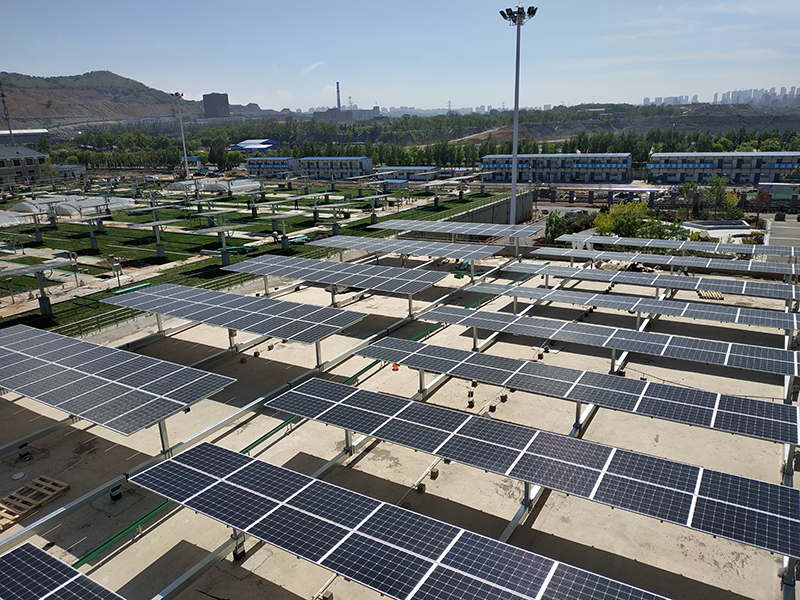
Dual-purpose land use allowing for solar energy generation and crop cultivation beneath the high-clearance trackers.
Download our full technical catalog and receive a customized ROI calculation for your project site.
Send Inquiry Now Zhaori