Highly adaptive tracking configurations optimized for the Australian Capital Territory's solar resource profile and wind requirements.
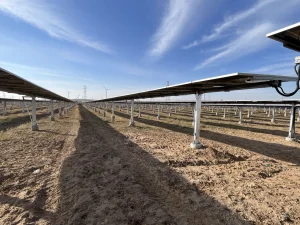
Engineered for optimum structural rigidity and seamless backtracking algorithms, yielding maximum returns on Canberra's open terrain sites.
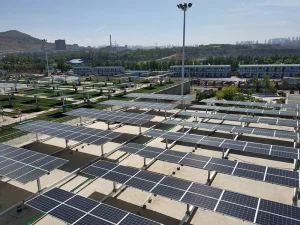
Double-row linked configuration hosting up to 60 solar panels per string. Provides up to 30% yield gains over traditional fixed tilt systems.
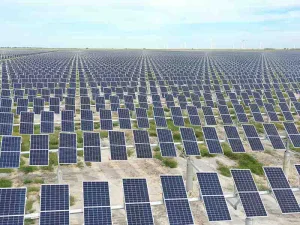
Perfect for sloped terrains and undulating boundaries in the ACT countryside, incorporating inclined module designs to mitigate shading.
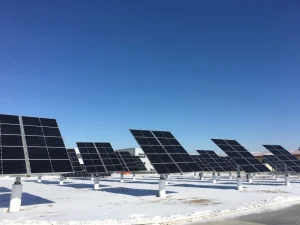
Advanced dual-axis rotation maximizing direct normal irradiance tracking, ideally suited for highly localized commercial operations.
Analyzing the specific regulatory, atmospheric, and economic factors governing PV investments in Australia's capital region.
The Australian Capital Territory (ACT) stands at the global forefront of renewable energy integration, boasting a 100% renewable electricity target successfully matched with secure energy contracts. While residential solar penetration is high, the development of large-scale commercial and industrial (C&I) solar farms, particularly in surrounding regions like Hume, Mitchell, Fyshwick, and regional boundaries adjacent to the Snowy Mountains, has heightened the demand for advanced tracking systems.
Integrating Flat Single Axis Trackers within the Canberra region presents unique engineering opportunities. With dry summers, crisp winters, and high average Daily Global Horizontal Irradiance (GHI) levels, tracking systems yield a значительно higher return on investment compared to standard fixed tilt structures.
By following the sun's trajectory throughout the day, modern single axis systems flatten the output curve, reducing peak-generation grid volatility and aligning output closely with peak energy usage tariffs in the national grid.
Canberra experiences sudden temperature swings and winter frosts. Our trackers include smart sensors that automatically switch to frost-prevention stow angles when frost accumulates on module glass surfaces.
Maximizing energy yields to match the National Electricity Market (NEM) high demand pricing blocks. Backtracking optimization aligns row shadows perfectly, preventing inter-row losses during winter sun paths.
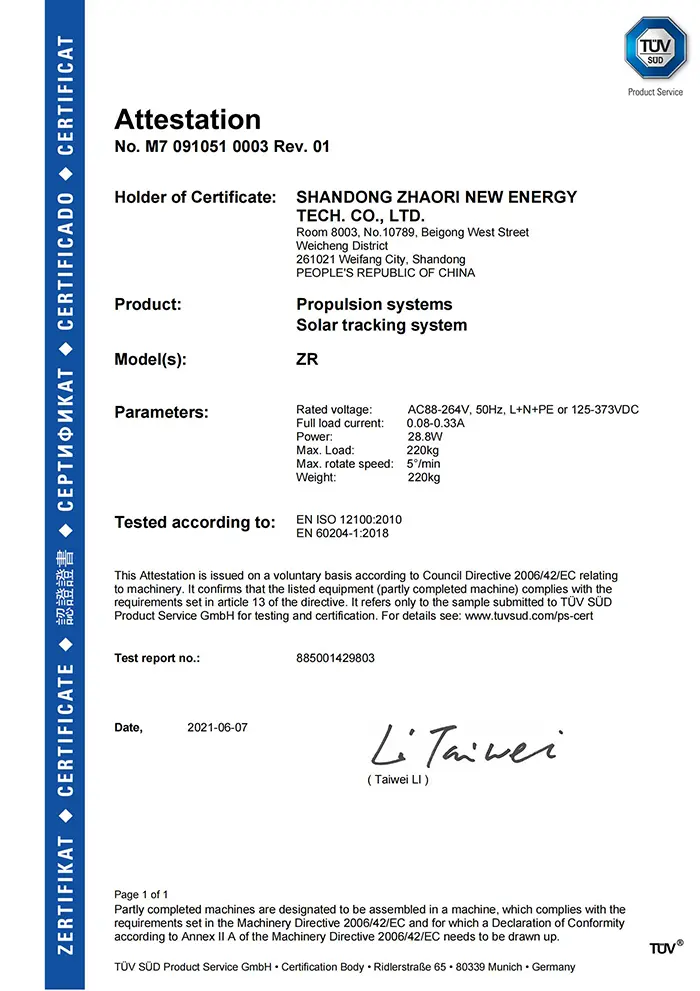
Canberra experiences occasional strong wind events. Our tracking structures are certified to AS/NZS 1170.2:2021 wind standards, guaranteeing mechanical stability during extreme wind conditions.
An engineering comparison of tracking options for Canberra developers, detailing structural capacities, terrain compliance, and wind survival.
| Technical Parameters | 1P Flat Single Axis Solar Tracker | 2P Flat Single Axis Solar Tracker | Tilted Single Axis Solar Tracker | Dual Axis Tracking Systems (ZRD-08/10) |
|---|---|---|---|---|
| Tracking Principle | Single Axis (East-West Rotation) | Single Axis (East-West Double Row) | Tilted Single Axis (10° - 30° Tilt) | Dual Axis (Full Azimuth + Altitude Tracking) |
| Yield Gains vs. Fixed Tilt | 15% - 25% | 18% - 30% | 20% - 28% | 35% - 45% |
| Module Compatibility | Bifacial / Monofacial (up to 700W+) | Bifacial / High-Power Modules | Standard PV Modules (10-20 Pcs) | Custom Concentrated / High Power Arrays |
| Wind Survival Velocity | 180 km/h (Customizable to 216 km/h) | 180 km/h | 200 km/h | Up to 220 km/h |
| Ground Coverage Ratio (GCR) | 30% - 50% adaptive | Optimized for high-density space | Medium density constraints | Requires wider clearance zones |
| Terrain Slope Adaptation | North-South: Up to 15% | North-South: Up to 10% | East-West/North-South: Up to 20% | Highly flexible on uneven slopes |
During the early morning and late afternoon hours, when the sun is close to the horizon, neighboring trackers can cast shadows on adjacent rows. Standard tracking systems that strictly follow the sun's position suffer from significant inter-row shading losses.
Our proprietary smart backtracking technology dynamically calculates the optimum tilt angle to prevent shading, adjusting positions slightly to ensure maximum active surface illumination. This software-driven innovation recovers up to 4.5% of annual output, particularly in southern Australian winters when solar elevation angles remain low.
Shandong Zhaori New Energy Tech. Co., Ltd. - A Decade of Solar Engineering Excellence.
Founded in June 2012, Shandong Zhaori New Energy Tech. Co., Ltd. is a leading high-tech renewable energy enterprise dedicated to developing and manufacturing advanced PV racking and solar tracking systems. Backed by proprietary intellectual property rights, the company features 10 fully integrated departments, including:
Our specialized team consists of over 60 dedicated technology experts who have focused on commercial PV plants and solar tracking algorithms for more than a decade, delivering reliable, efficient clean energy solutions worldwide.
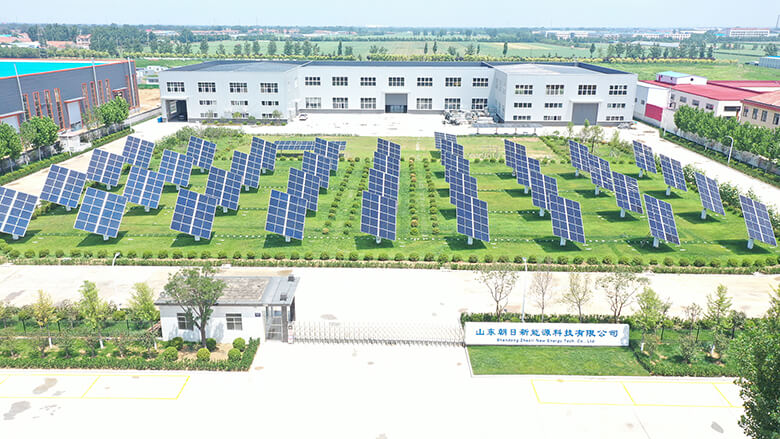
Our state-of-the-art manufacturing facility features advanced production machinery, including high-precision CNC machine tools, industrial laser cutting machines, automated welding robots, plasma cutters, and dozens of specialized roll-forming lines.
Every tracker component undergoes rigorous QC inspections—from initial steel grade sourcing and precision cutting to hot-dip galvanizing, rust-prevention treatments, loading tests, and final protective packaging. All processes conform strictly to ISO 9001 quality management standards to ensure trouble-free service lives exceeding 25 years.
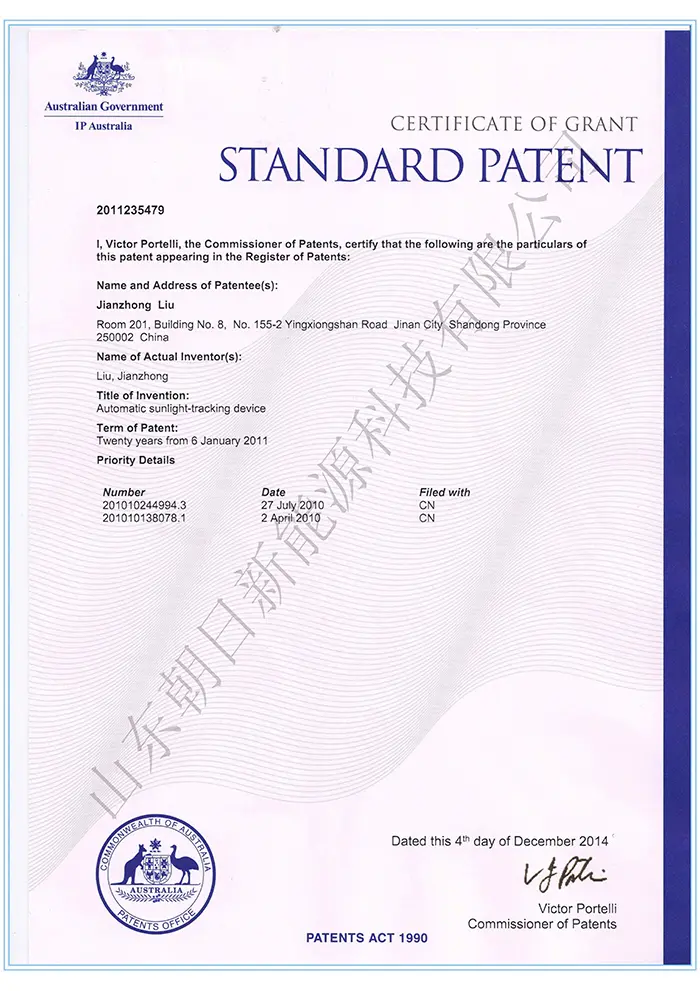
Globally approved designs certified to withstand the most demanding environmental and load conditions.
Our tracking structures hold active utility patents in major solar markets, including the European Patent Office, the United States, Canada, Australia, Japan, South Korea, India, South Africa, and Brazil, along with 8 Chinese Invention Patents and over 30 utility patents.
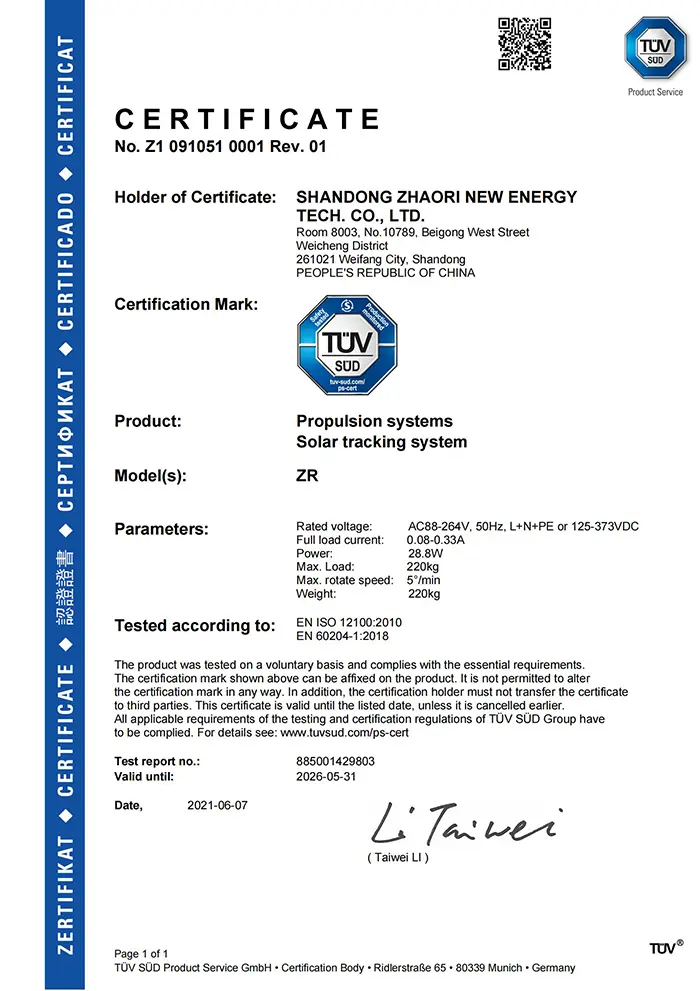
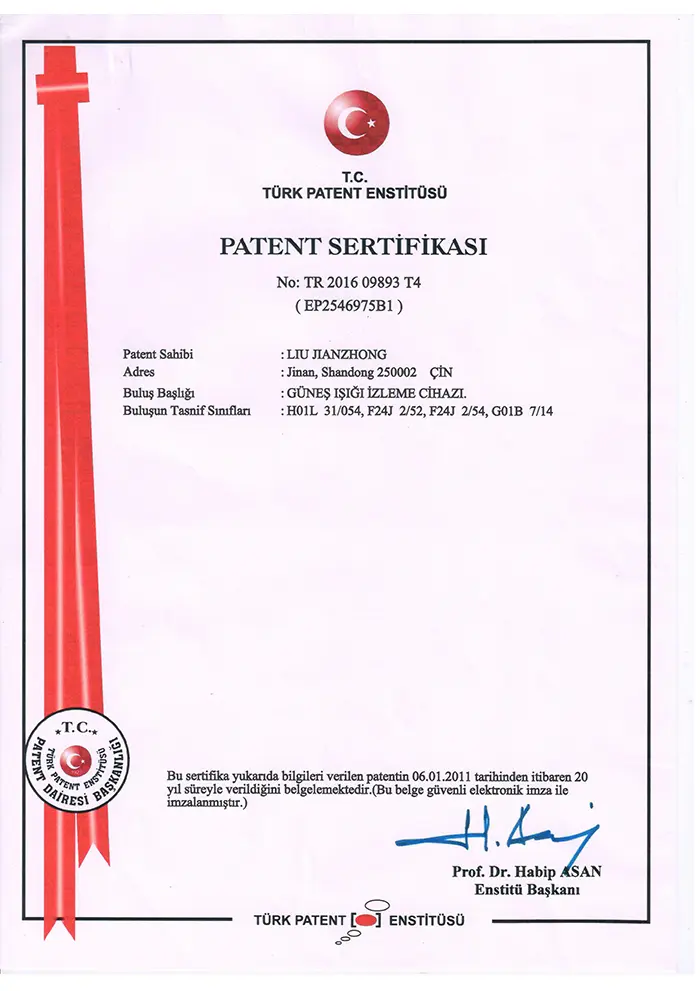



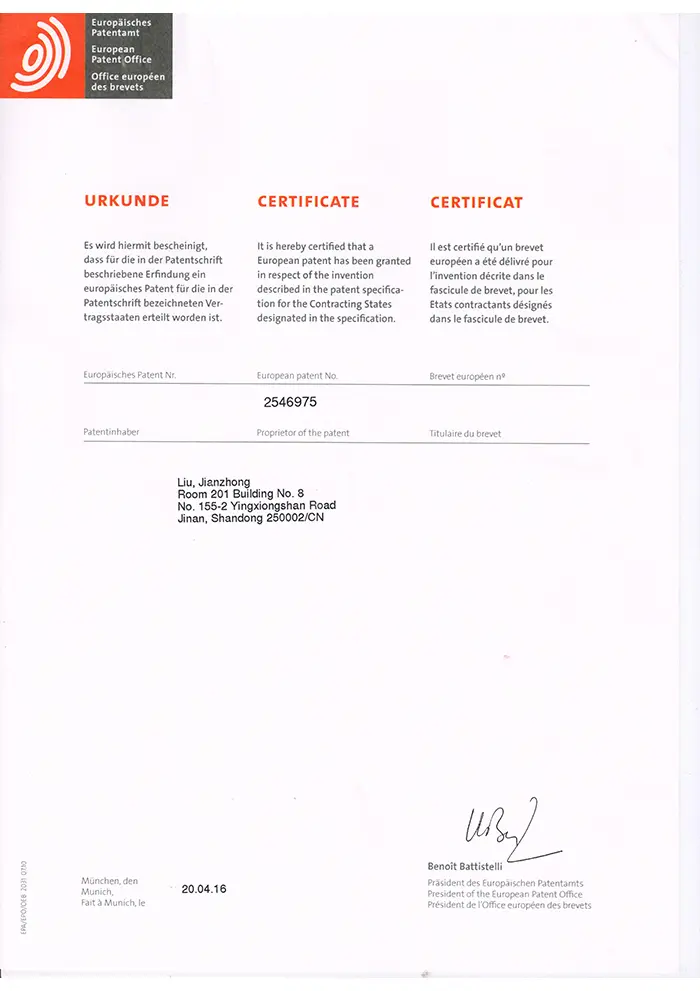
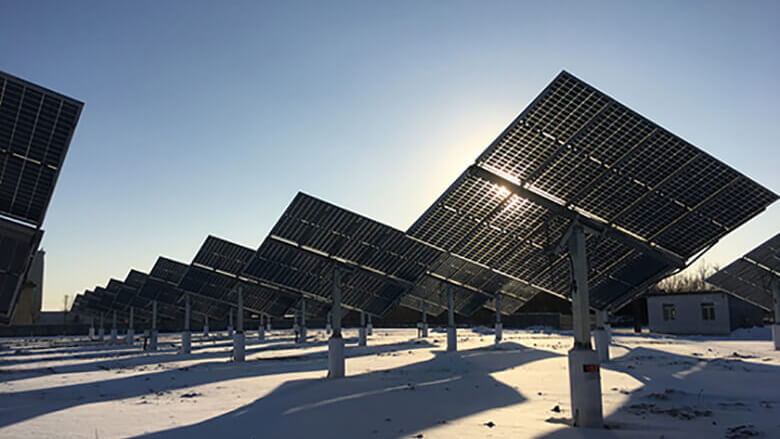
Demonstrated engineering durability in cold snow zones, arid deserts, and commercial rooftops.
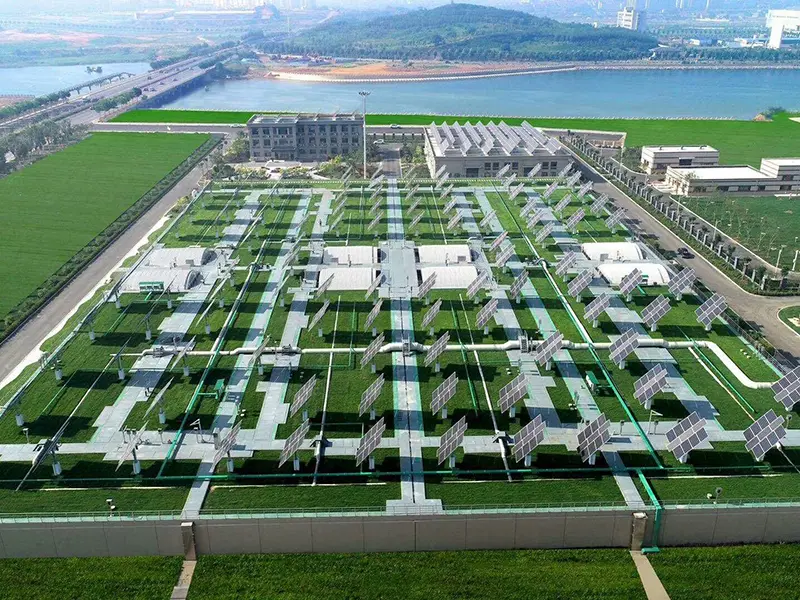
Providing clean energy offsets for manufacturing facilities using self-powered 1P tracking units.
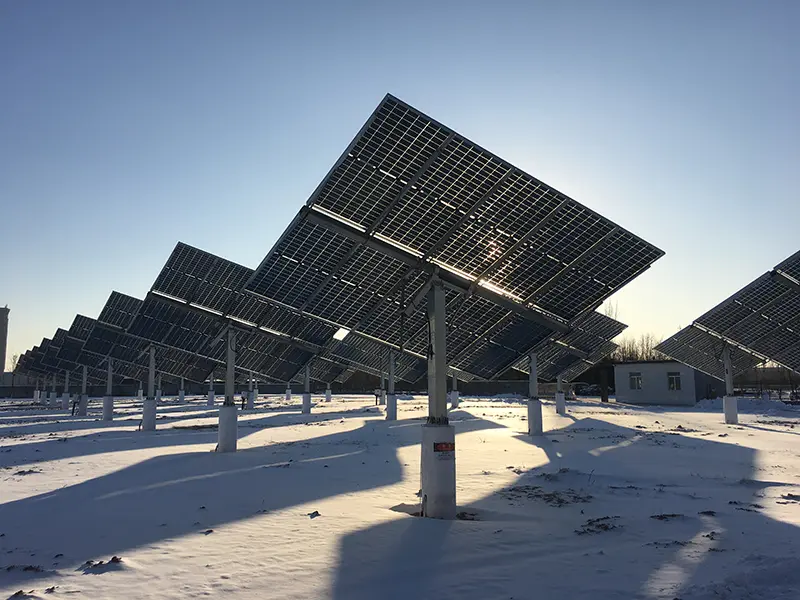
Active tilt adjustments shed snow loads quickly in alpine regions near Canberra.
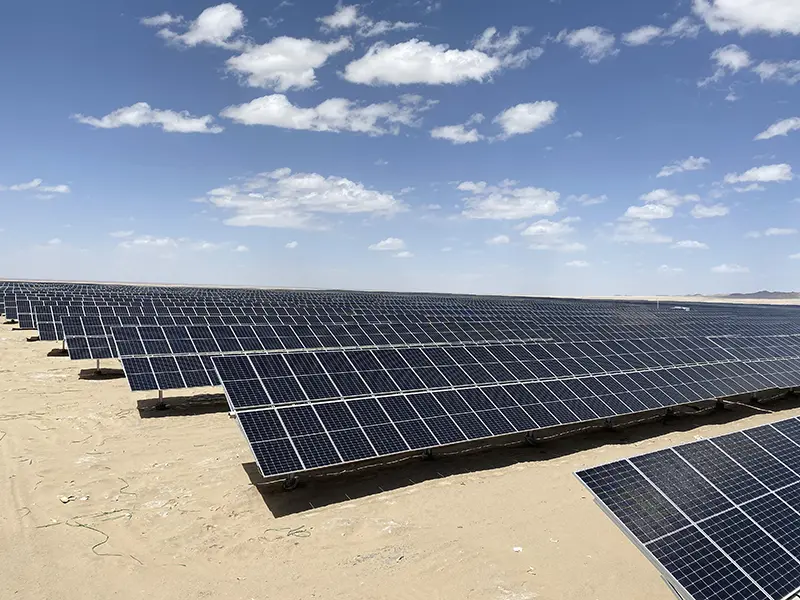
Maximizing energy yields on dry, flat terrains with advanced single-row tracker controllers.
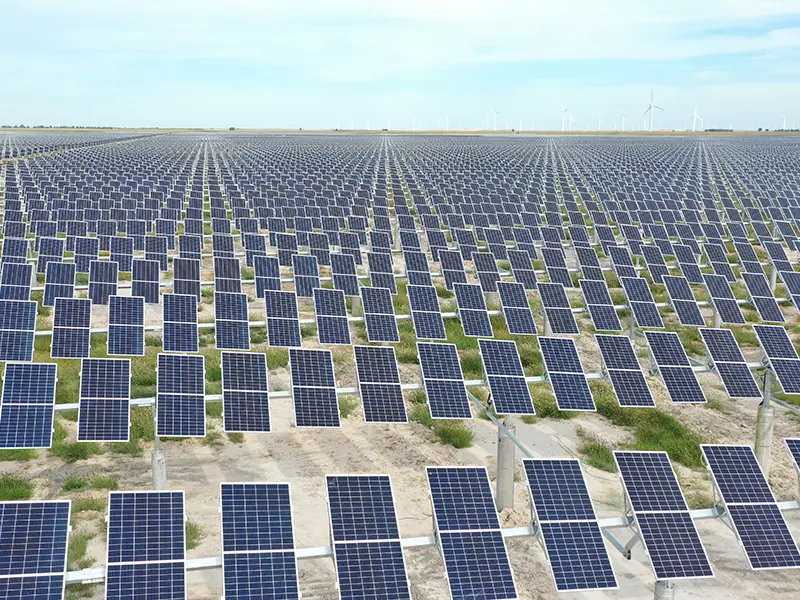
Specially designed for hilly agricultural zones to optimize high Ground Coverage Ratios.
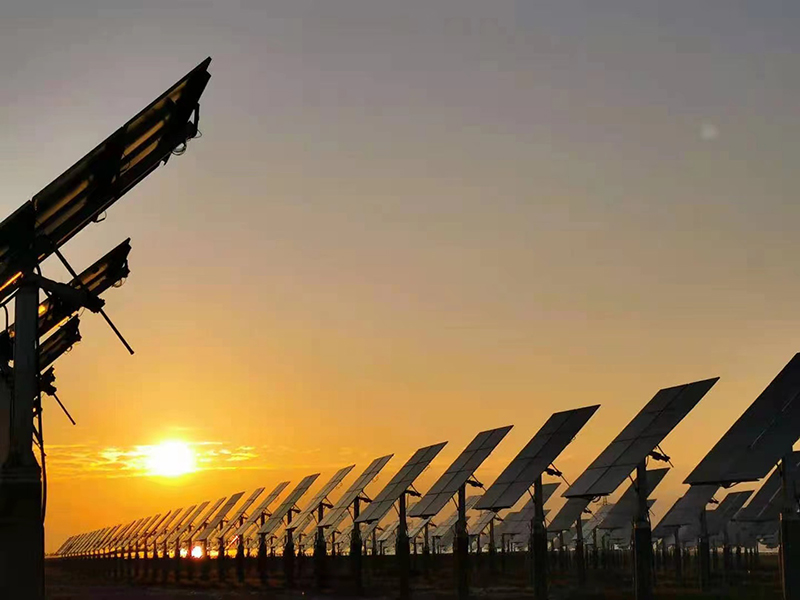
Ensures clean feed-in power to meet demanding regional substation requirements.
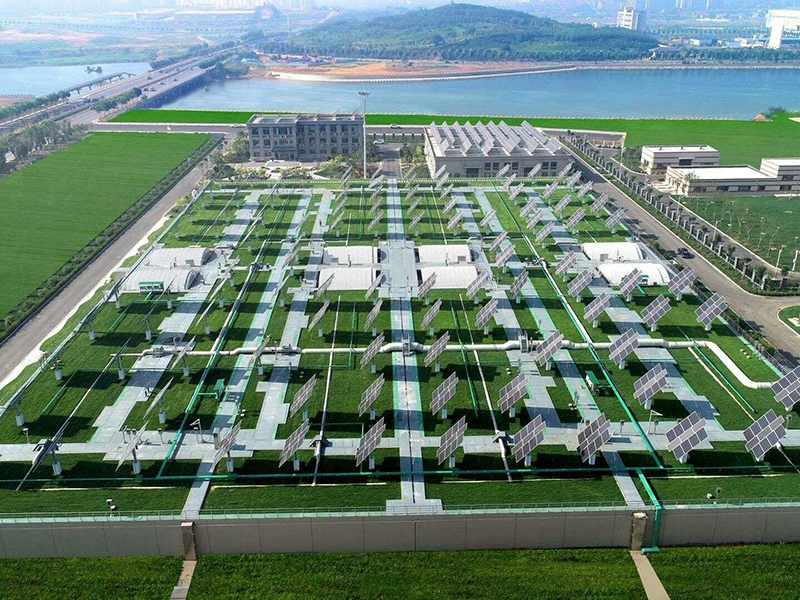
Custom industrial system providing stable ROI under regional feed-in tariffs.
Watch our actual installations and mechanical operations in real-world environments.
Key factors impacting pricelists, shipping logistics, and Australian building code requirements.
When procuring single-axis trackers for Canberra sites, the overall system pricing depends on several key structural variables:
Every solar tracking system delivered to the Canberra market must comply with strict building code standards. Under AS/NZS 1170.2:2021, tracking systems are engineered to withstand severe wind loads based on geographical wind zones.
Canberra is classified under Wind Region A (normal inland winds), but exposure factors, topographic heights, and localized wind shielding require custom calculations.
Our mechanical systems feature auto-stow wind functions that rotate the PV panels to a horizontal flat position (0° to 10°) when wind gusts exceed 18 m/s, mitigating structural lift forces and torsional flutter.
Explore our full line of solar trackers, adjustable mounting frames, and high-precision systems.
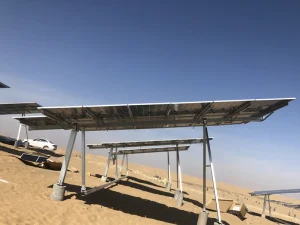
Tilted single-axis structure maximizing winter energy yields in high-latitude southern regions.
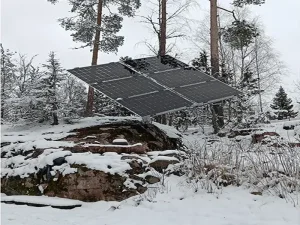
Compact dual-axis tracking system ideal for high-yield commercial off-grid applications.
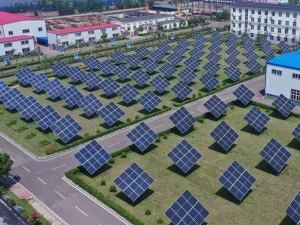
Robust dual-axis layout incorporating heavy-duty structural steel and advanced tracking intelligence.
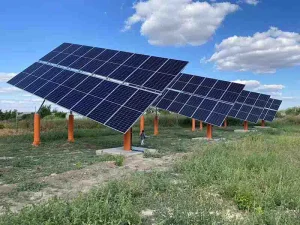
10° to 30° tilted system designed to boost yields by up to 25% over static mounts.
Standard utility-grade tracking solution featuring easy field installation and high terrain adaptability.
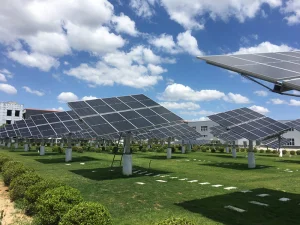
Highly precise alignment systems designed to capture maximum global horizontal irradiance.
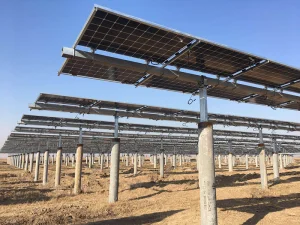
Optimal price-to-performance ratio configurations designed for developers targeting low CAPEX.
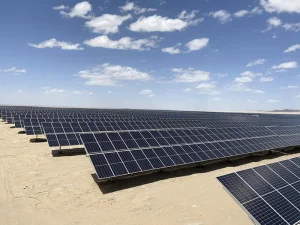
Flexible, heavy-duty fixed brackets featuring manual tilt adjustments for easy seasonal optimization.
Direct answers to the most common engineering and procurement questions regarding tracking integration in the ACT.
Get a customized engineering design and detailed system pricelist tailored specifically for your Canberra project site.
Send Inquiry Now Zhaori