Advanced tracking technology tailored for Nigeria's unique solar irradiation profile.
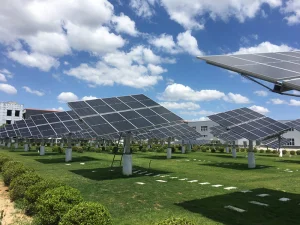
Optimized for high-yield energy harvesting.
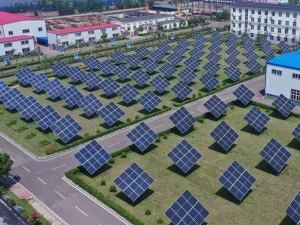
Maximum reliability for critical power supply.
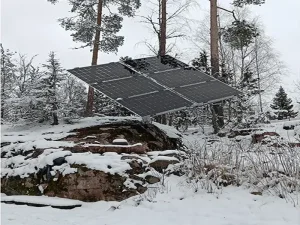
Robust engineering for coastal environments.
Nigeria stands at the precipice of an energy metamorphosis. With an average of 6.5 hours of peak sunlight daily and vast stretches of high-irradiance land, particularly in the northern states like Sokoto and Borno, the shift toward photovoltaic (PV) power is not just an environmental choice but a commercial necessity. As the largest economy in Africa, Nigeria’s demand for stable electricity in the industrial sector—ranging from the Dangote Refinery to the burgeoning manufacturing clusters in Ogun State—far outstrips the current grid capacity.
Unlike single-axis systems, dual-axis trackers follow the sun's trajectory across both the horizontal (azimuth) and vertical (elevation) axes. This is critical in Nigeria’s equatorial proximity, where the sun’s angle varies significantly throughout the year. For utility-scale projects in Nigeria, this translates to a 35% to 45% increase in total energy output, significantly shortening the ROI period for private developers and IPPs (Independent Power Producers).
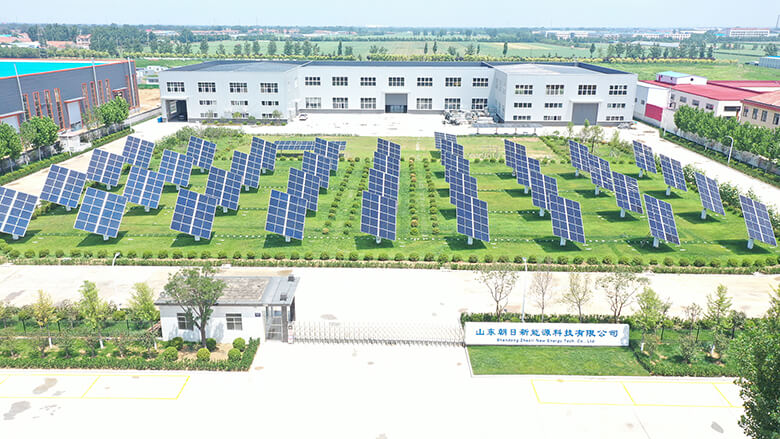
Founded in June 2012, we are a high-tech new energy leader centered on independent intellectual property rights. With 10 specialized departments—including R&D, Quality Assurance, and Foreign Trade—our team of 60+ professional engineers has focused on PV tracking technology for over a decade. Our global footprint ensures that Nigeria-based projects receive the same technological excellence as those in Europe or North America.
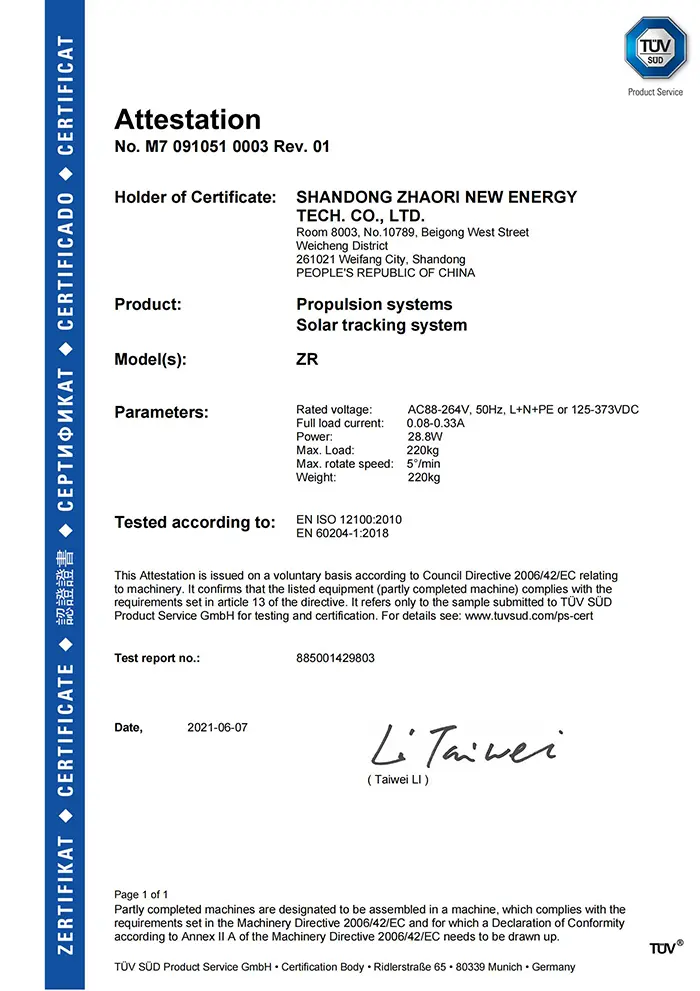
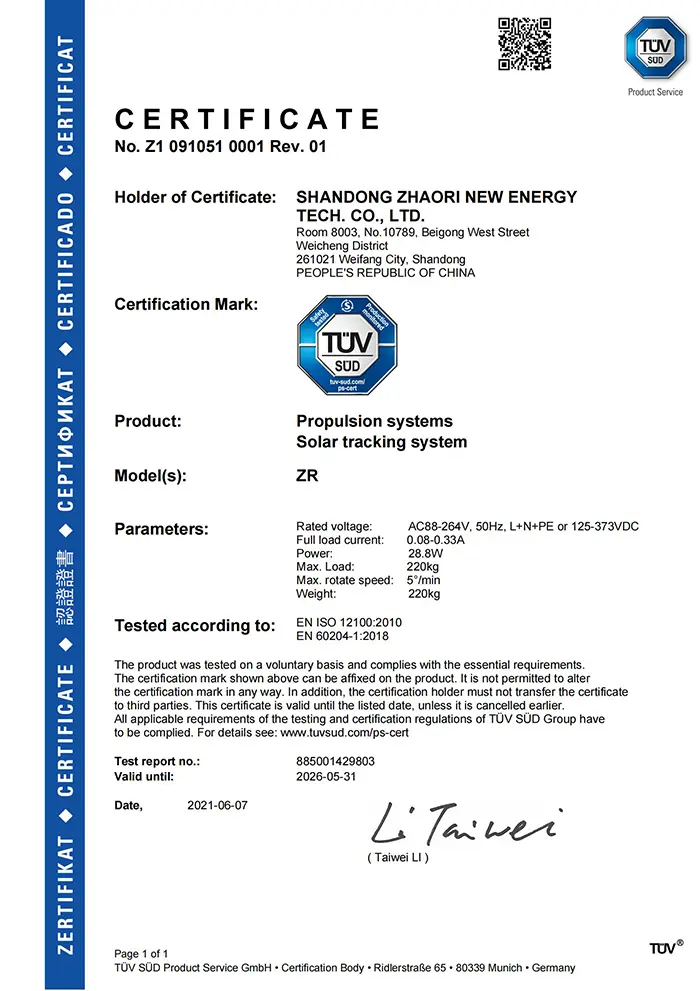
Our production base features advanced CNC machine tools, laser cutting machines, and automatic welding robots. Every tracker destined for Nigerian soil undergoes a rigorous anti-rust treatment—essential for Nigeria's humid coastal regions like Lagos and Calabar—and strict compliance with TUV, CE, and ISO management systems.
Integrating AI sensors to predict Nigeria's "Harmattan" dust storms, automatically positioning panels in a "safe mode" to minimize dust accumulation and wind resistance.
Designed to work seamlessly with BESS (Battery Energy Storage Systems) to provide 24/7 power for Nigerian telecom towers and hospitals.
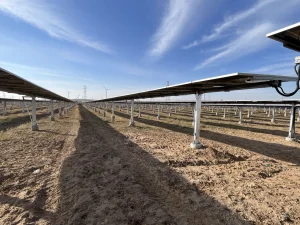
Our ZRT and ZRD series are engineered for slopes and uneven terrain, perfect for Nigeria's varied topography from the Jos Plateau to the Niger Delta.
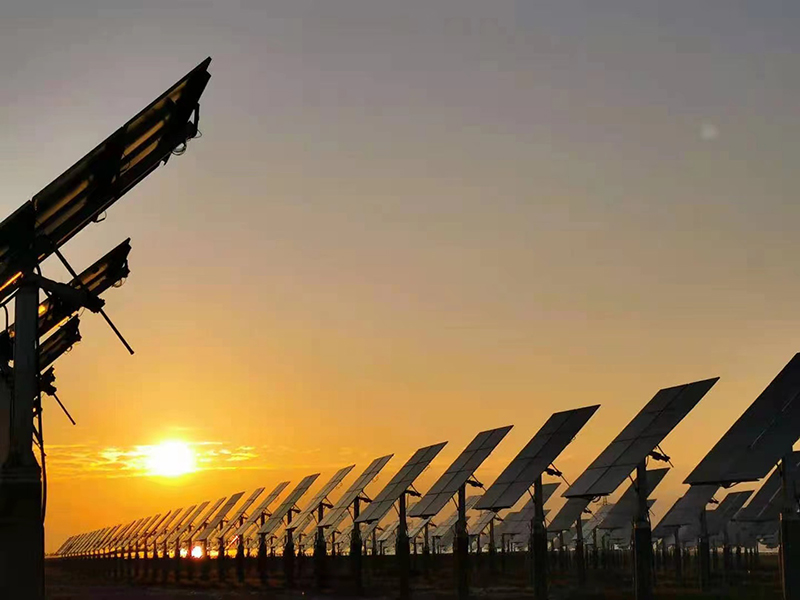
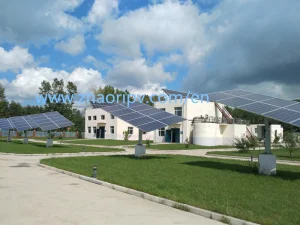
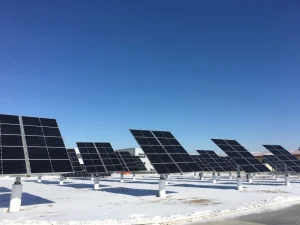
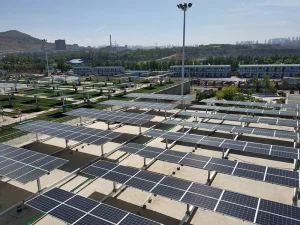
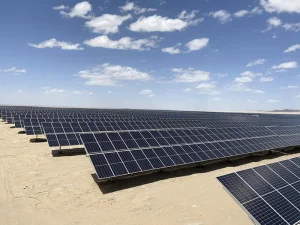
5MW Industrial implementation using Dual Axis Trackers.
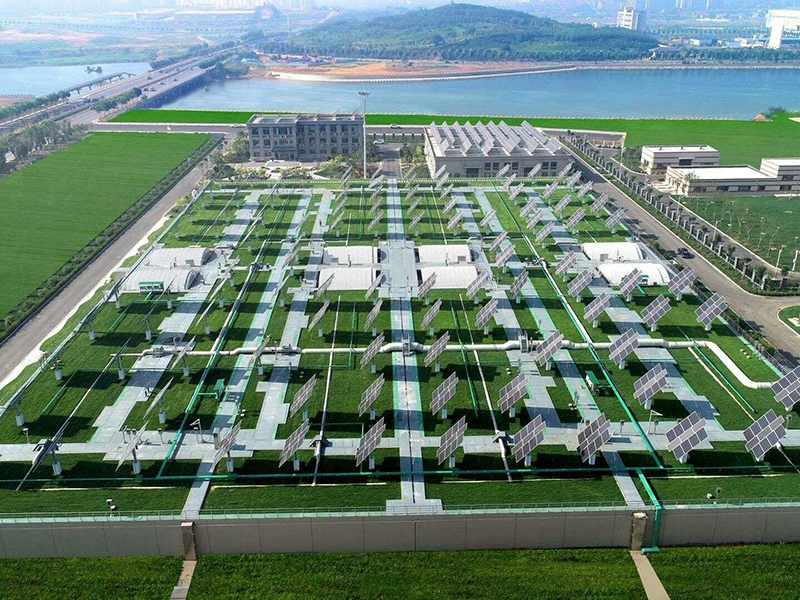
Providing high-yield power for manufacturing plants.
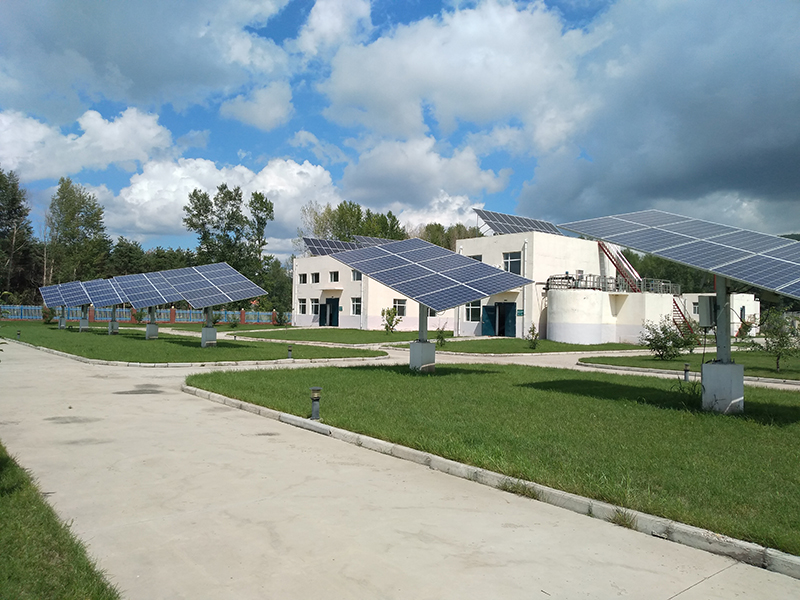
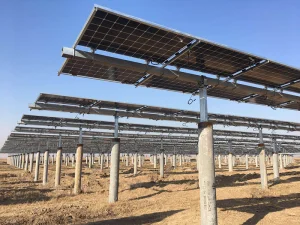
Solar-powered water pumping with ZRD tracking.
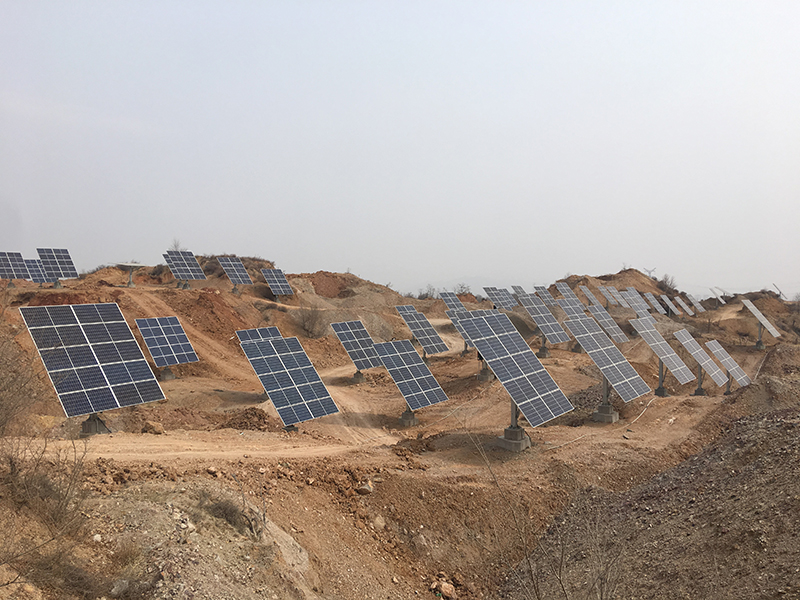
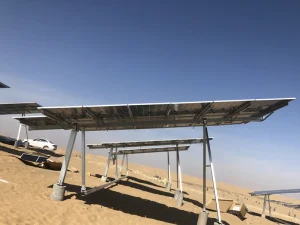
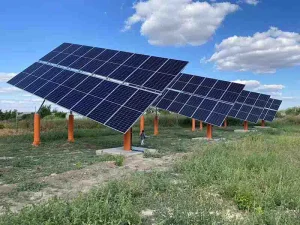
Decentralized off-grid tracking systems.
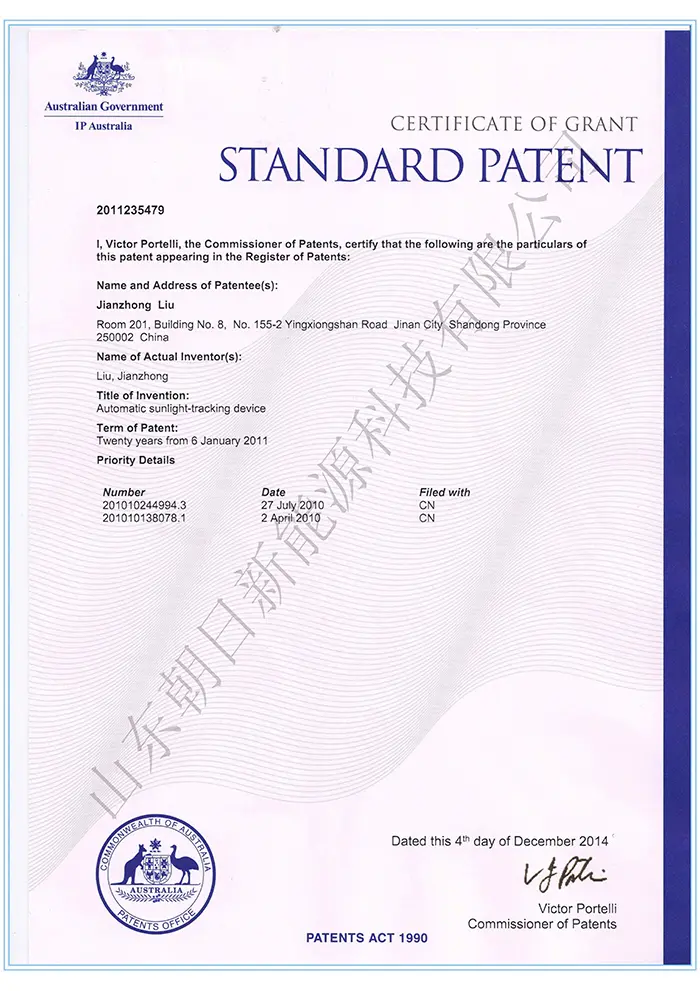
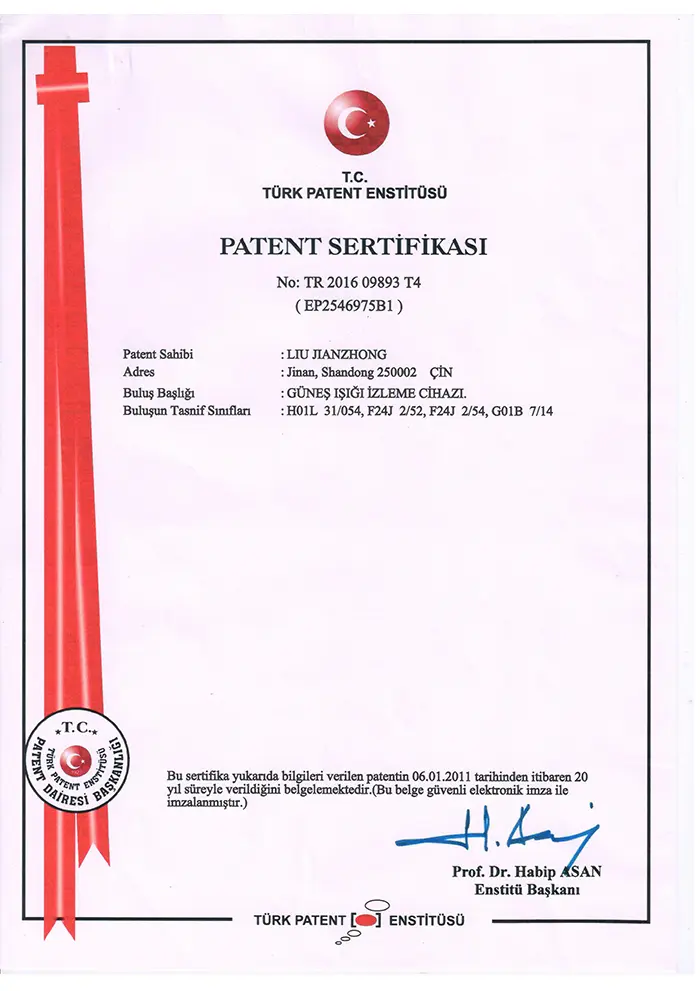
Our products have obtained patents from the European Patent Office, USA, Canada, Australia, Japan, and South Africa. For the Nigerian market, we ensure all components meet SONCAP (Standards Organisation of Nigeria Conformity Assessment Program) requirements, providing peace of mind for institutional investors.
We understand the complexities of logistics to West Africa. Our team coordinates directly with shipping lines serving Apapa and Tin Can Island ports. We offer EXW, FOB, and CIF terms, ensuring transparent lead times and documentation for customs clearance.
Our "Service First" principle means we don't just ship hardware. We provide comprehensive O&M (Operation and Maintenance) manuals, remote technical support via IoT-enabled trackers, and on-site training for local Nigerian engineering teams.
1. How much power gain can I expect in Nigeria using Dual Axis vs. Fixed systems?
Given Nigeria's latitude, our Dual Axis trackers typically yield between 35% and 40% more energy. In northern regions like Sokoto, this can reach 45% during peak seasons.
2. Are the trackers resistant to the Harmattan dust?
Yes. Our systems include a "Stow Mode" and are designed with high-grade sealed actuators that prevent dust ingress. We also recommend our ZRD series for easier cleaning access.
3. What is the typical lead time for shipping to Lagos?
Manufacturing typically takes 15-30 days depending on volume, and sea freight to Lagos (Apapa/Lekki) usually takes 35-45 days.
4. Do you provide installation support in Nigeria?
We provide full remote engineering supervision and can recommend local certified installation partners who have experience with our tracking hardware.
5. What is the lifespan and warranty of the ZRD trackers?
Our trackers are designed for a 25-year service life. We offer a standard 10-year warranty on the structure and 5 years on the electronic drive systems.
Contact our senior technical consultants for a customized solar tracking solution and ROI analysis.
Send Inquiry Now Zhaori