In the quest for carbon neutrality, the solar industry has shifted from "fixed-tilt" simplicity to "intelligent tracking" precision. The Best Solar Tracker Mounting System is no longer just about moving panels; it's about algorithmic yield optimization. Modern trends show a massive adoption of bifacial modules paired with single-axis trackers to capture albedo light, often resulting in a 20% to 35% energy gain over static systems.
AI-driven backtracking algorithms are now the standard, preventing row-to-row shading during early morning and late afternoon. Furthermore, the integration of IoT sensors allows trackers to enter "stow mode" automatically during extreme wind or hail events, ensuring asset longevity in volatile climates.
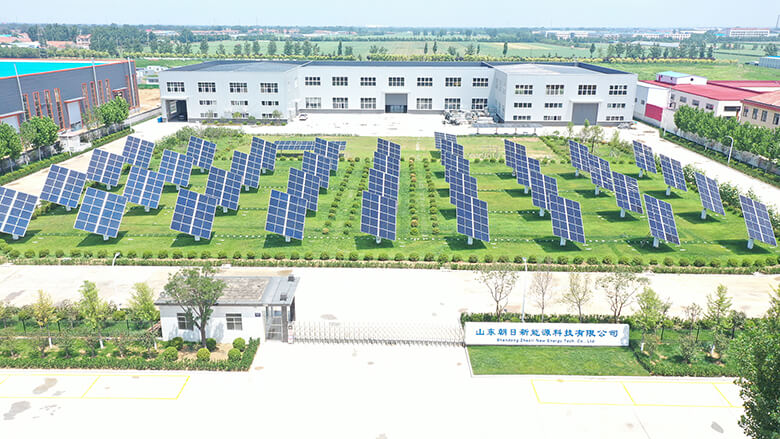
Shandong Zhaori New Energy Tech. Co., Ltd. represents the pinnacle of Chinese high-tech manufacturing. Founded in June 2012, our facility covers 50,000 square meters and utilizes Industry 4.0 principles.
Our vertical integration—from raw material screening to post-processing—allows us to offer the most competitive Solar Tracker Mounting System Quotes without compromising on quality or TUV/CE certifications.
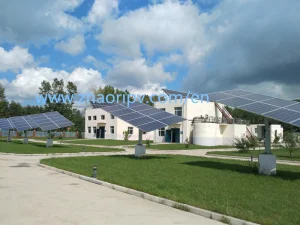
Designed for maximum yield. Tracks both altitude and azimuth angles. The ZRD-10, ZRD-08, and ZRD-06 series unlock the true potential of solar energy, ideal for residential and specialized utility projects where space is limited but efficiency is paramount.
Optimized for large-scale utility projects. Available in 1P (one panel portrait) and 2P (two panel portrait) configurations. Provides a 15% to 30% production gain over fixed-tilt systems with a lower mechanical complexity.
Features a tilted axis (10°– 30°) tracking the sun's azimuth. Perfect for higher latitude installations where the sun remains lower on the horizon. Increases power generation by 15% – 25% while maintaining structural simplicity.
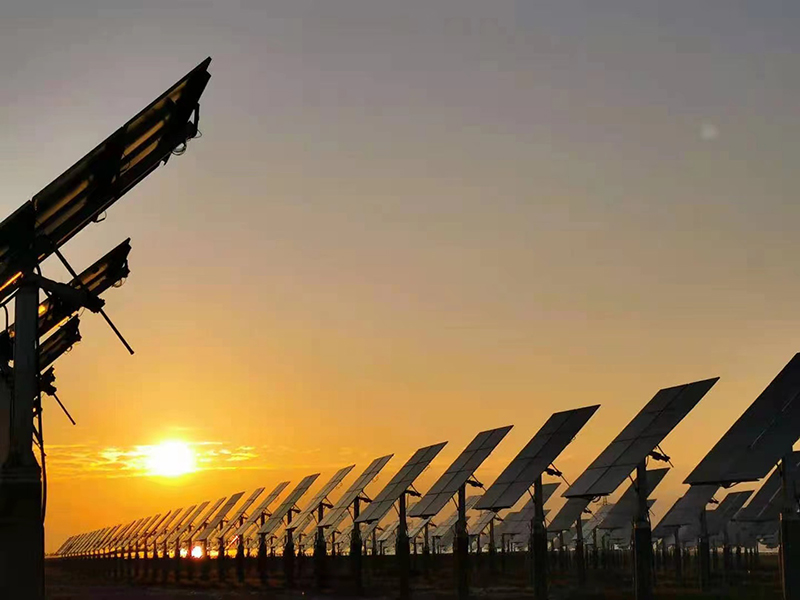
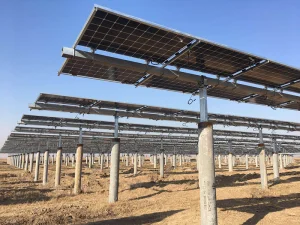
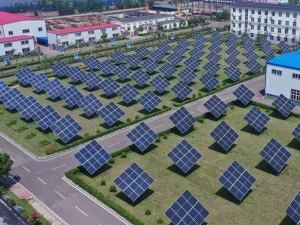
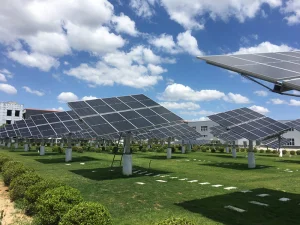
Utility: 5MW Dual Axis Project, North China
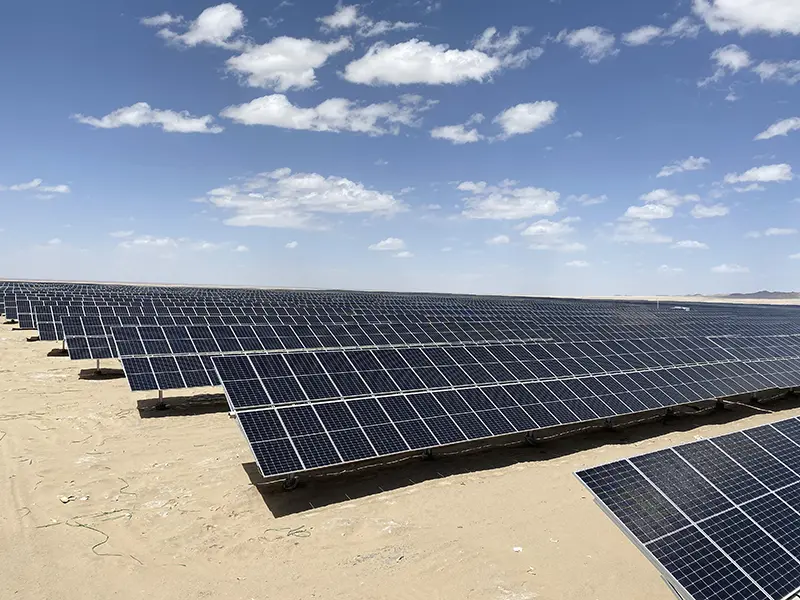
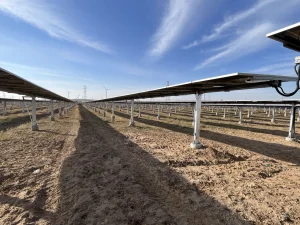
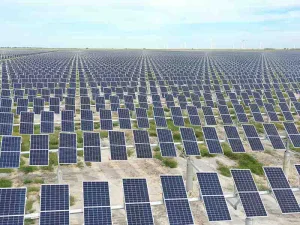
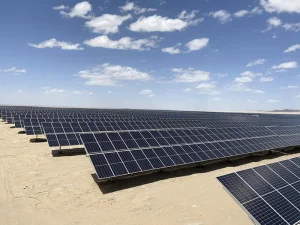
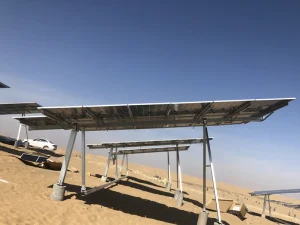
Desert: 20MW Single Axis tracker, extreme heat resilience.
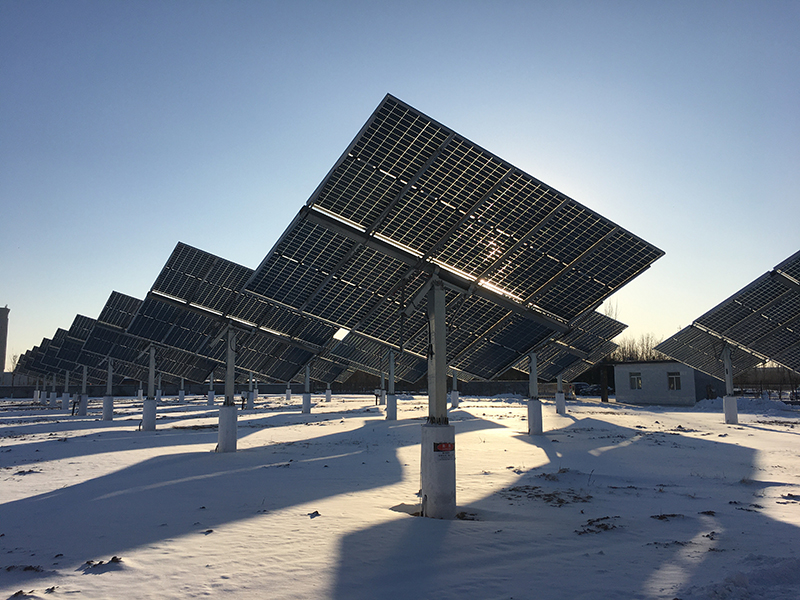
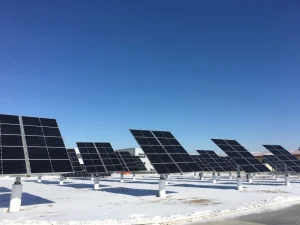
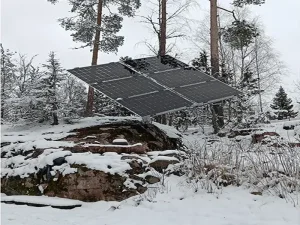
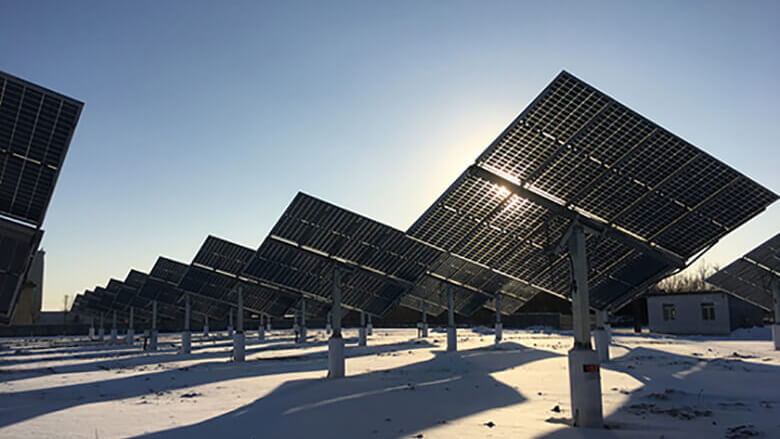
Climate: Solar tracker resilience after heavy snow.
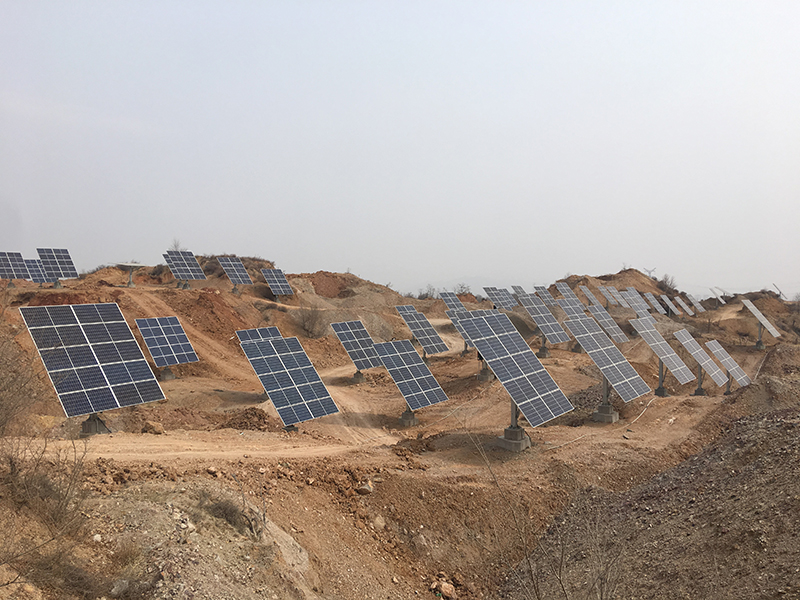
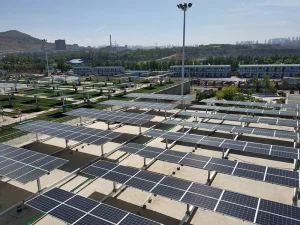
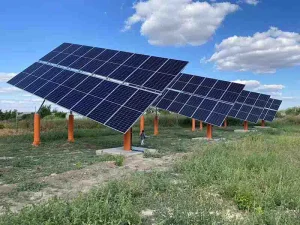
Terrain: Mountain project with adaptive mounting.
Global procurement needs vary significantly by region. In Middle Eastern deserts, dust and sand abrasion require specific bearing protection. In Northern Europe, snow load and low-temperature electronics are critical. Shandong Zhaori provides customized solutions, adhering to the principle of "more simple, more reliable, and more effective," ensuring your PV station remains operational regardless of local geography.
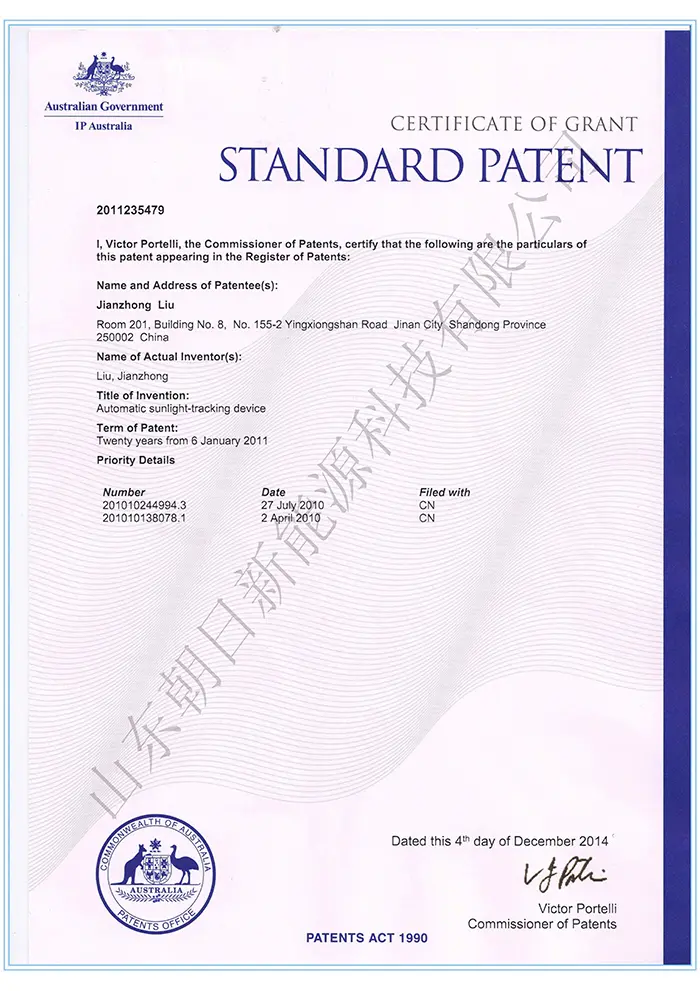
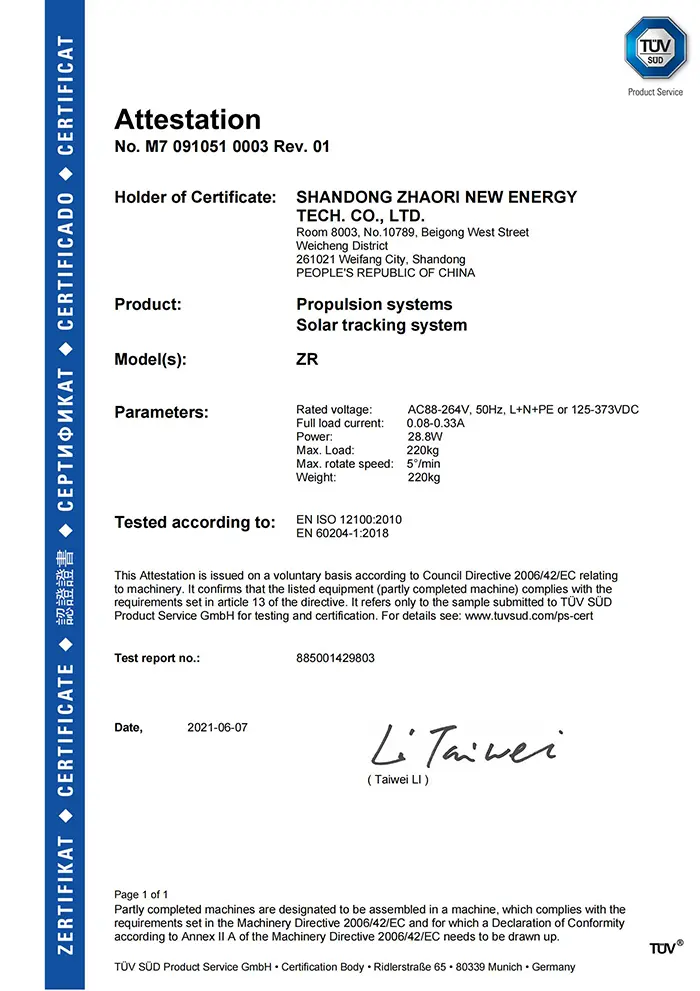
Our products have obtained patents of invention from the Europe Patent Office, the United States, Canada, Australia, Japan, South Korea, Thailand, India, Brazil, South Africa etc., as well as 8 Chinese National Invention Patents and more than 30 Utility model patents, and also obtained TUV, CE, ISO certification.
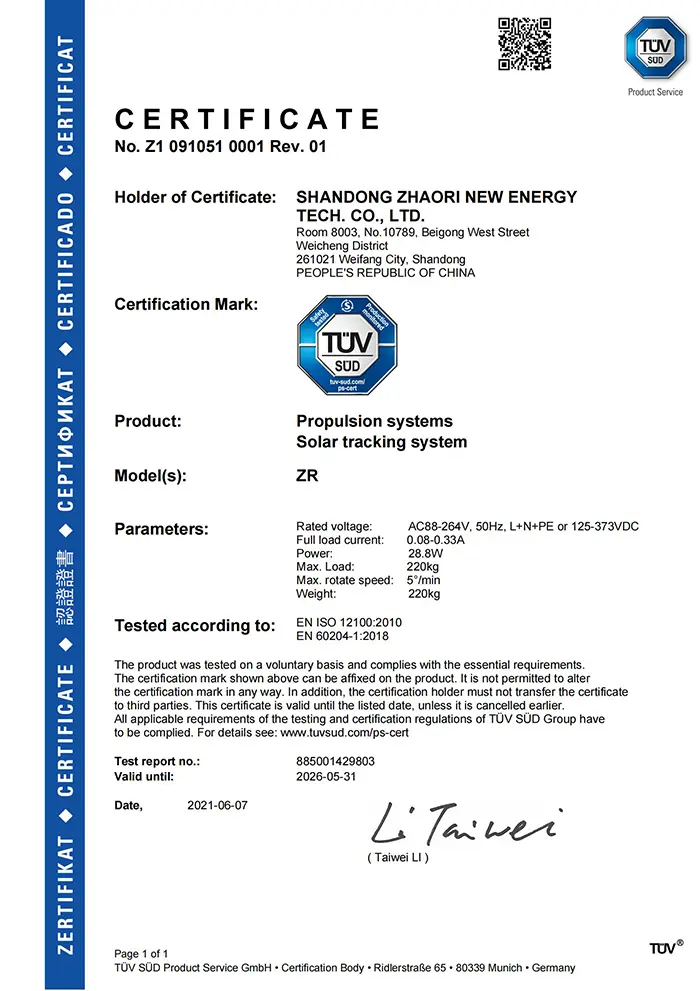
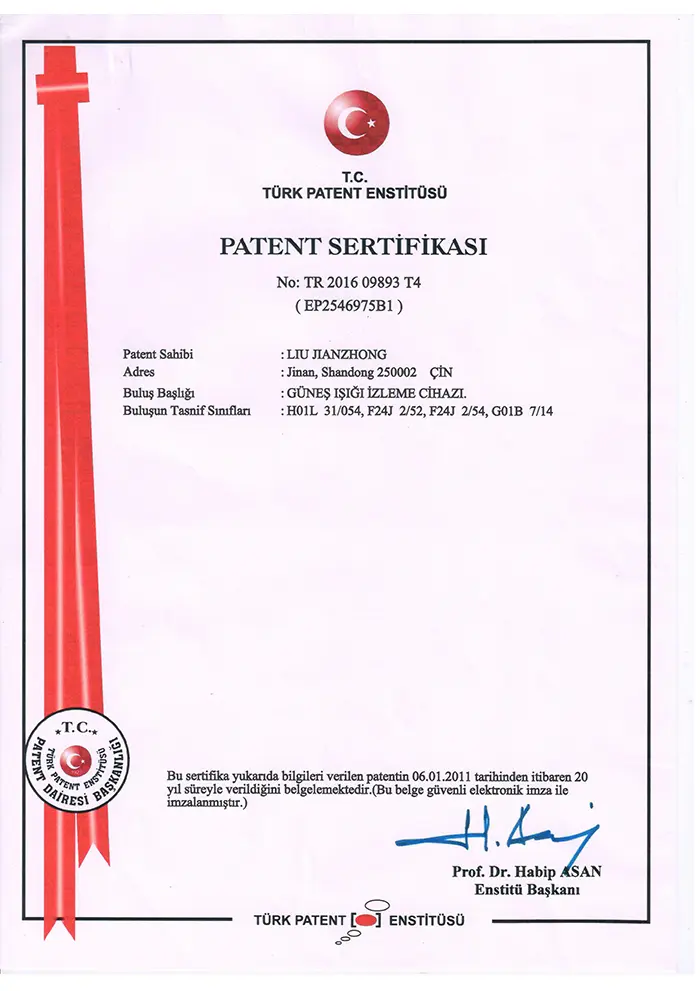
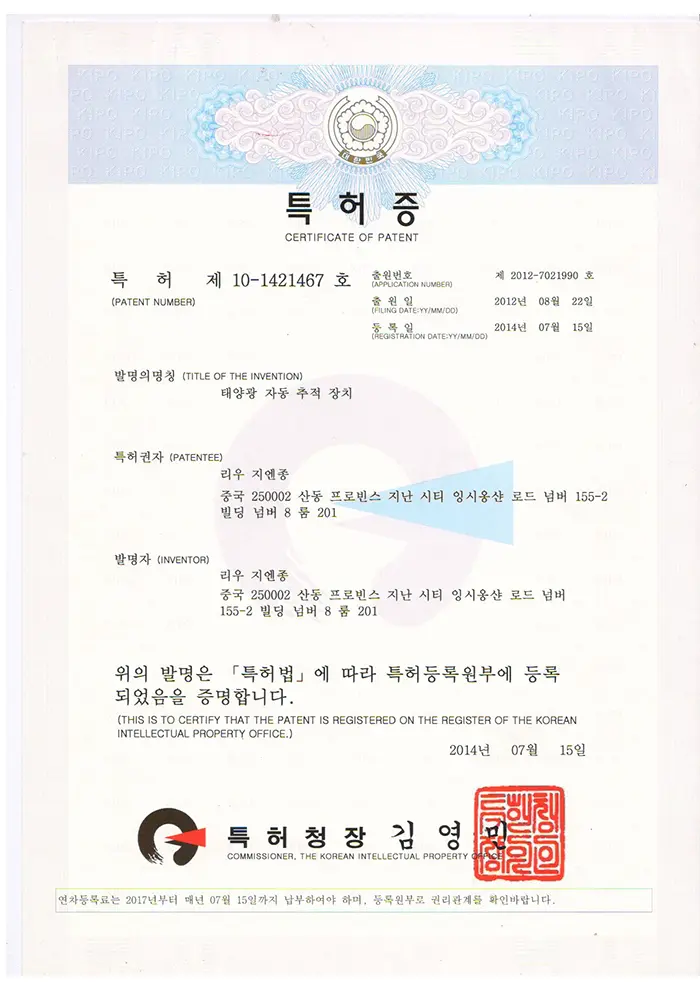
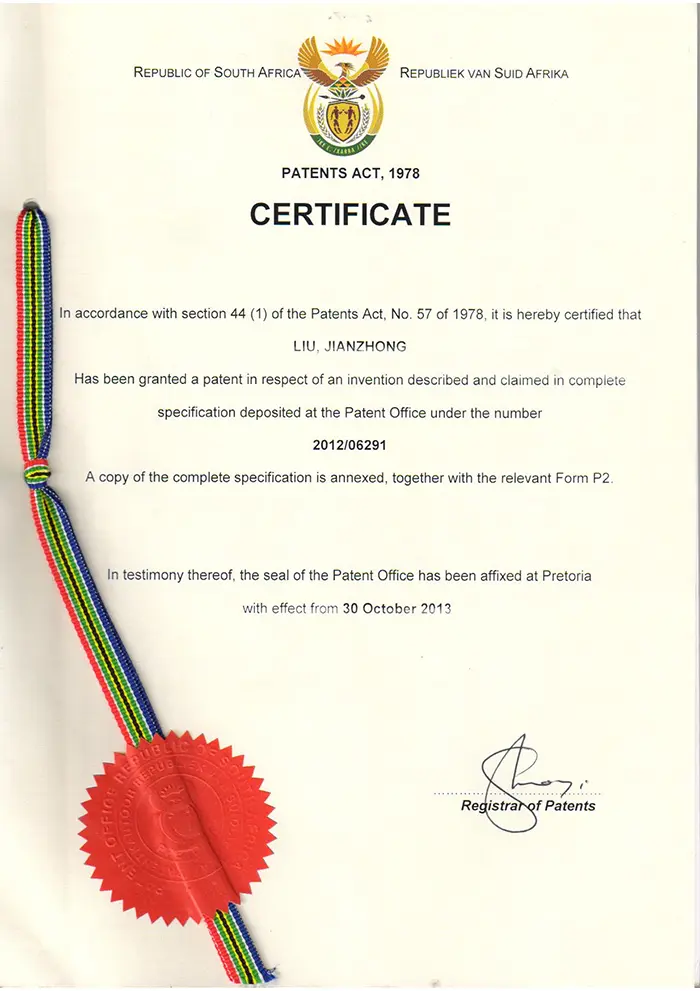
Depending on the location and LCOE, most utility-scale trackers pay for themselves within 3–5 years through increased energy generation (15-35% gain).
Our ZRD systems include automated weather sensors that trigger a horizontal "stow position" during high winds to minimize drag and prevent structural failure.
We provide professional operation and maintenance services. Our trackers are designed with fewer moving parts to reduce wear, typically requiring only annual inspections of bearings and actuators.
Yes, our engineering department specializes in customized solutions for mountain and desert projects, adapting the foundation and bracket heights accordingly.
 Zhaori