Engineered for Maximum Efficiency & Extreme Weather Durability
Why Dual Axis Tracking is the Gold Standard for Photovoltaic Efficiency
Unlike fixed-tilt or single-axis systems, the Dual Axis Solar Tracking System tracks the sun's azimuth and altitude simultaneously. This ensures the solar panels are always perpendicular to the sun's rays, increasing energy production by up to 35% to 45% compared to static arrays.
Modern systems like the Sunchaser Tracker utilize astronomical algorithms combined with GPS sensors. This enables precise positioning even on cloudy days, capturing diffused light and significantly reducing the Levelized Cost of Energy (LCOE).
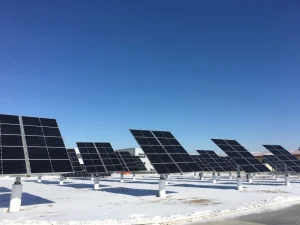
Designed for the toughest environments, our dual-axis trackers feature automatic stow modes. When high wind speeds or heavy snow are detected, the system levels itself to a safe horizontal position, protecting the multi-million dollar asset from structural failure.
A Decade of Excellence in Solar Tracking Technology
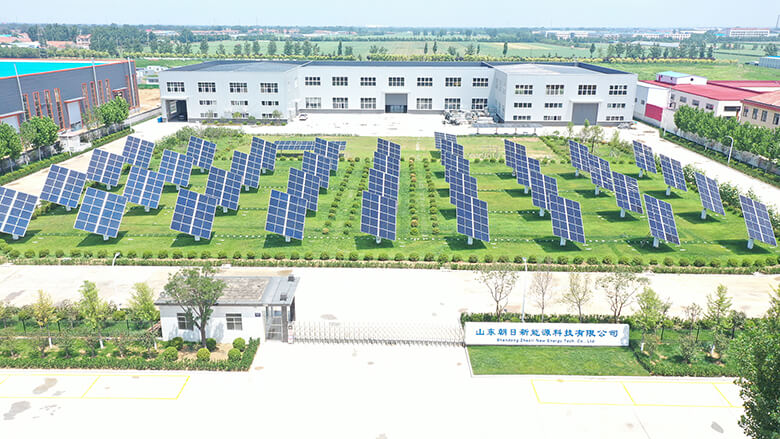
Shandong Zhaori New Energy Tech. Co., Ltd. is a high-tech pioneer established in June 2012. With independent intellectual property rights and 10+ years of deep focus on photovoltaic power stations, we have redefined how solar energy is captured.
Our team consists of over 60 professional technology talents across 10 specialized departments, including R&D, Quality Assurance, and Engineering. We don't just sell products; we provide "Information Gain" through superior technical documentation and proven field performance.
The global shift toward "Net Zero" has pushed commercial enterprises to seek higher ROIs. In regions like the Middle East, Africa, and North America, dual-axis trackers are becoming the preferred choice for industrial parks and water pumping stations due to high Direct Normal Irradiance (DNI).
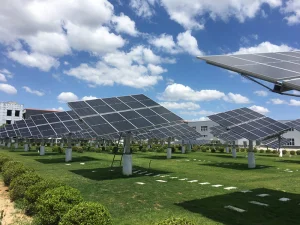
From desert-based utility-scale projects to mountainous terrain where land area is limited, dual-axis systems maximize the power-per-square-meter ratio. They are increasingly used in "Agrivoltaics" (Solar + Agriculture), allowing sufficient sunlight for crops beneath the raised tracker structures.
The industry is moving toward Smart IoT Integration. Future dual-axis trackers will communicate with local weather stations via 5G, utilizing machine learning to predict shading and cloud movement, further boosting efficiency by 3-5%.
Tailored Engineering for Diverse Geographical Challenges
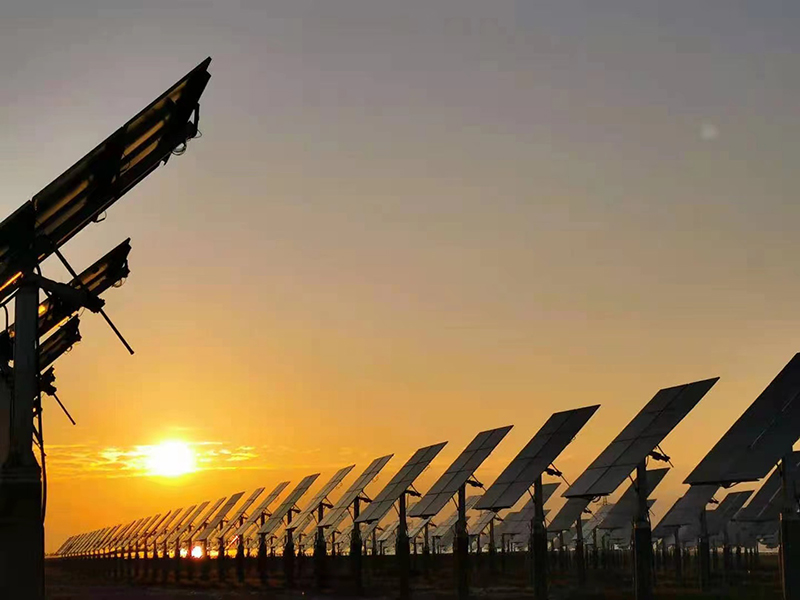
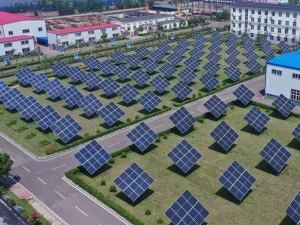
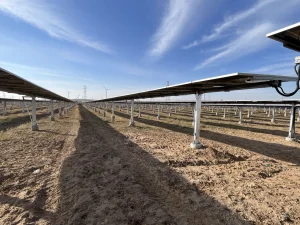
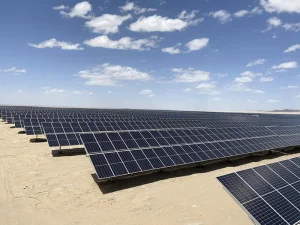
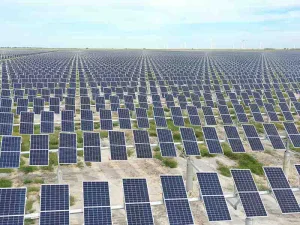
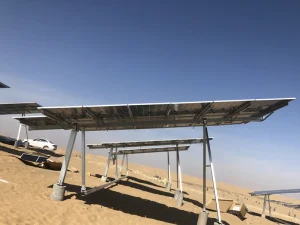
Large-scale 20MW+ projects in desert regions utilizing ZRD-10 systems for extreme heat durability.
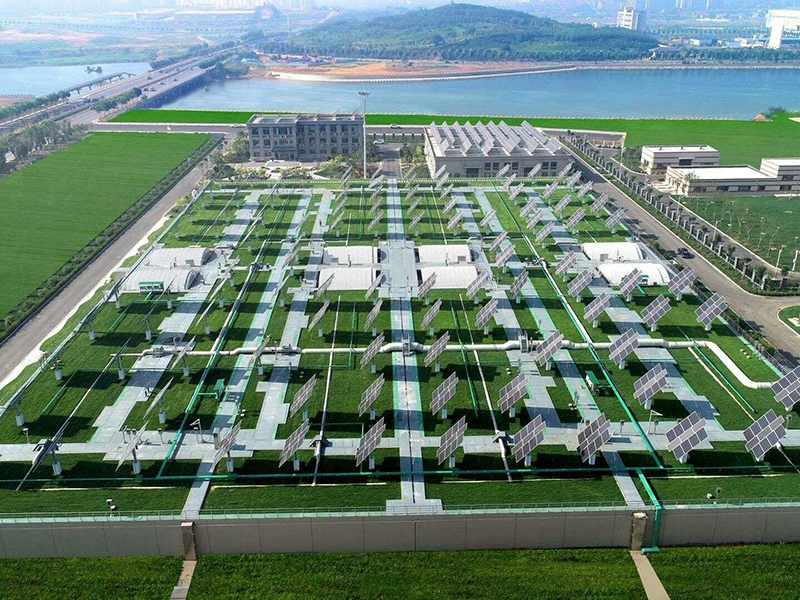
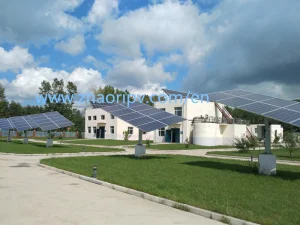
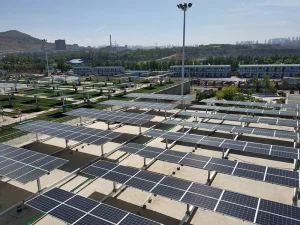
Optimized for factory green belts and parking lots where space is at a premium.
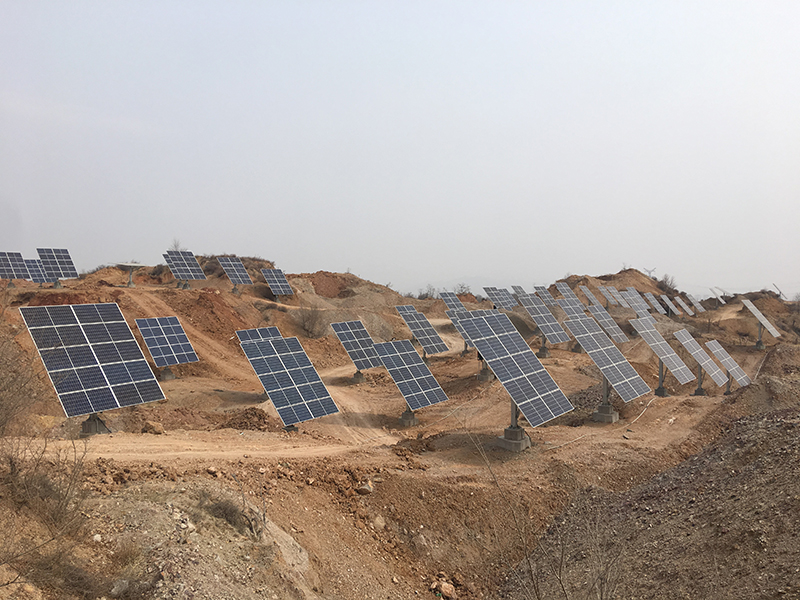
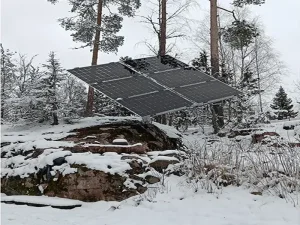
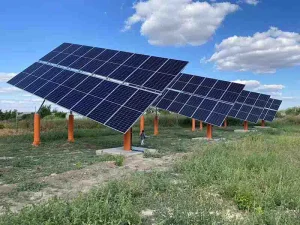
ZRT-16 systems designed for mountain slopes, adjusting for both sun path and topographical incline.
The "Simple, Reliable, Effective" Philosophy in Practice
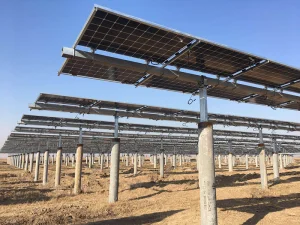
Our ZRD series eliminates the complexity often associated with dual-axis tracking. By utilizing a high-precision rotary drive and a robust tilt actuator, we achieve a tracking accuracy of < ±1°.
The Future of Autonomous Solar Harvesting
Neural networks that learn micro-climate patterns to optimize positioning.
Integration with grid-scale storage for real-time demand response.
LoRaWAN based mesh networks for zero-cable communication across plant.
Expert Insights into Solar Dual Axis Tracking Systems
Typically, a dual-axis system pays for itself in 3-5 years through increased energy yield. In high DNI areas, the internal rate of return (IRR) can be significantly higher than fixed systems.
Our trackers feature a "Snow Mode" where the sensors detect accumulation and tilt the panels to the steepest angle possible, allowing snow to slide off naturally.
While primarily ground-mounted, they can be installed on flat commercial roofs with reinforced concrete foundations, provided the structural load capacity is verified.
Maintenance is minimal. We recommend a bi-annual inspection of the drive mechanisms and a simple lubrication of moving parts once a year.
Browse Our Full Range of Precision Tracking Products
 Zhaori