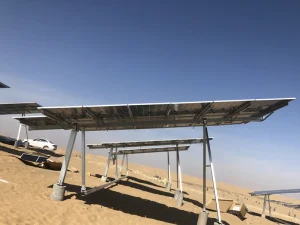
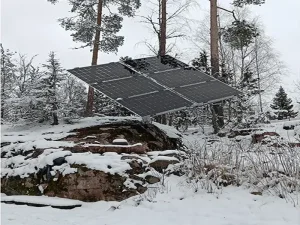
As Japan accelerates its "2030 Energy Mix" goal, Osaka has emerged as a critical hub for solar innovation in the Kansai region. However, the geography of Osaka presents unique challenges for photovoltaic developers: limited flat land, high urban density, and the periodic threat of typhoons from the Pacific. This is where manual adjustable solar racks offer a decisive advantage over standard fixed-tilt systems.
While fully automated dual-axis trackers offer maximum yield, they often require higher maintenance and upfront capital. In Osaka, where the seasonal solar angle varies significantly between the humid summers and clear winters, a manual adjustable system allows operators to optimize the tilt angle 4-6 times per year. This "semi-active" approach can boost energy production by 15-25% compared to traditional fixed racks, without the complexity of sensors and motors that are vulnerable to coastal salt air and extreme wind loads.
The Osaka metropolitan government is currently incentivizing rooftop solar for industrial warehouses in the Osaka Bay area and brownfield redevelopment in the hinterlands. Businesses are no longer just looking for "cheap" hardware; they are seeking Information Gain through data-backed performance metrics. High-quality manual adjustable racks provide a balance of low CAPEX and high ROI, making them the preferred choice for EPC (Engineering, Procurement, and Construction) firms targeting commercial portfolios.
Shandong Zhaori New Energy Tech. Co., Ltd. is a high-tech and new energy company based on independent intellectual property rights. Founded in June 2012, we have integrated ten specialized departments, including R&D, Technical, Engineering, and Quality Assurance, to provide a seamless transition from design to deployment.
With over 60 professional technology talents and 10+ years of dedicated focus on photovoltaic power stations and solar tracking technology, our authority in the field is backed by international patents and real-world results.
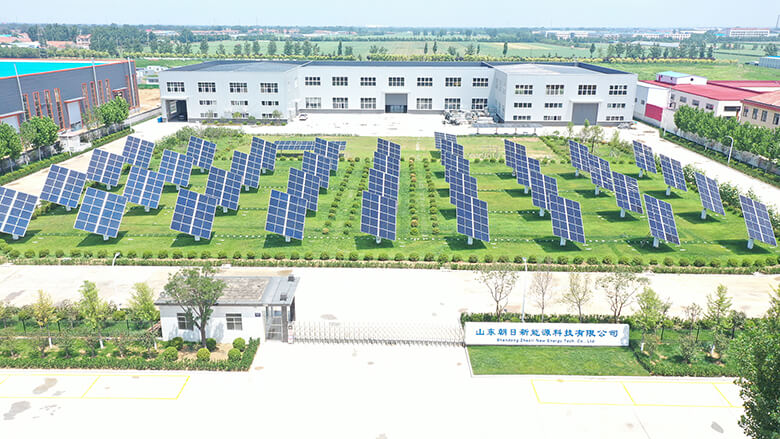
Our factory covers 50,000 square meters, equipped with CNC machine tools, laser cutting machines, and automatic welding robots to ensure precision for the Osaka market.
Navigating the Japanese solar market requires more than just hardware; it requires strict adherence to JIS (Japanese Industrial Standards) and local construction codes. Our manual adjustable racks are engineered to withstand wind speeds common in the Kansai region, utilizing high-tensile galvanized steel and corrosion-resistant coatings essential for Osaka’s coastal humidity.
Reinforced joints and locking mechanisms designed for Japan's high-wind zones.
Modular designs that reduce on-site labor costs—a critical factor given Japan's high labor rates.
Hot-dip galvanizing exceeds 80μm, ensuring 25+ years of structural integrity near Osaka Bay.
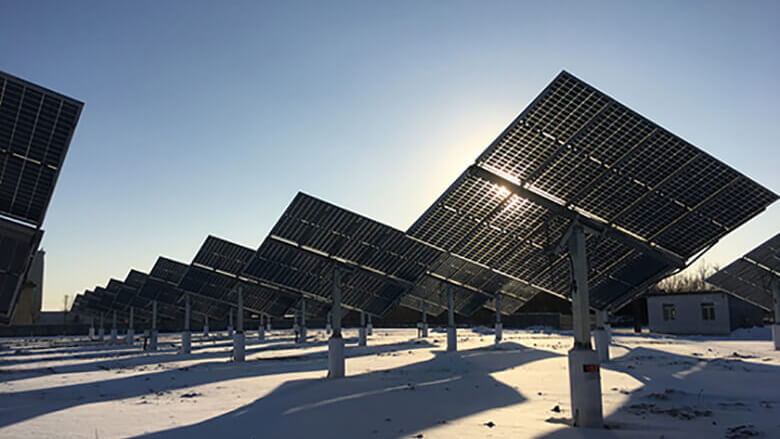
By leveraging our manufacturing base in China, we provide Osaka-based developers with a unique blend of cost-efficiency and rapid scalability. Our products have obtained patents from the Europe Patent Office, the United States, Canada, Australia, and significantly, Japan and South Korea.
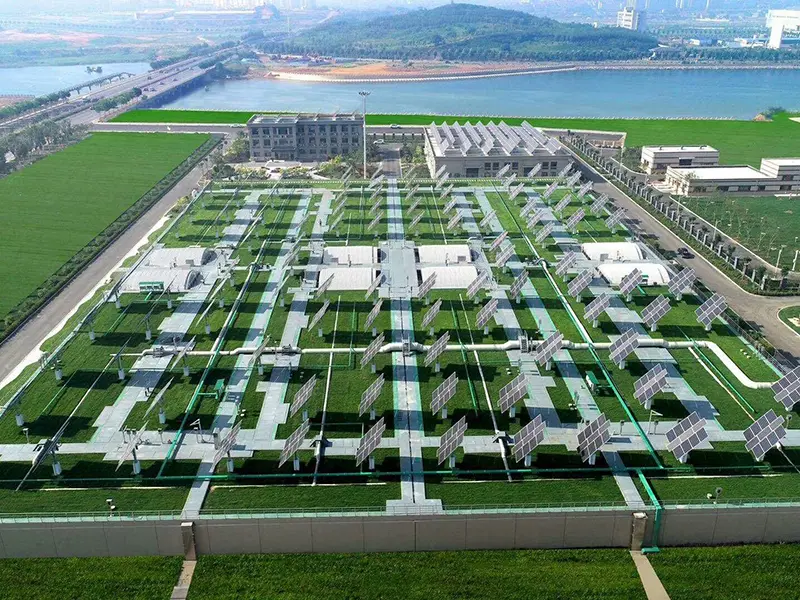
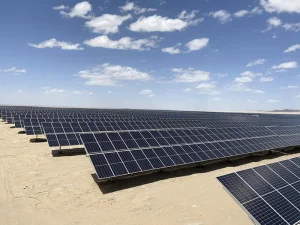
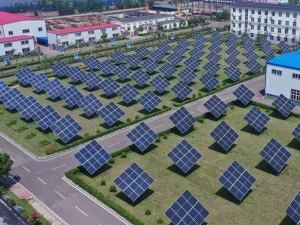
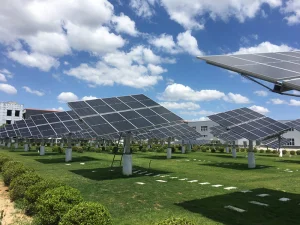
Optimizing warehouse energy independence with adjustable tilt for winter performance.
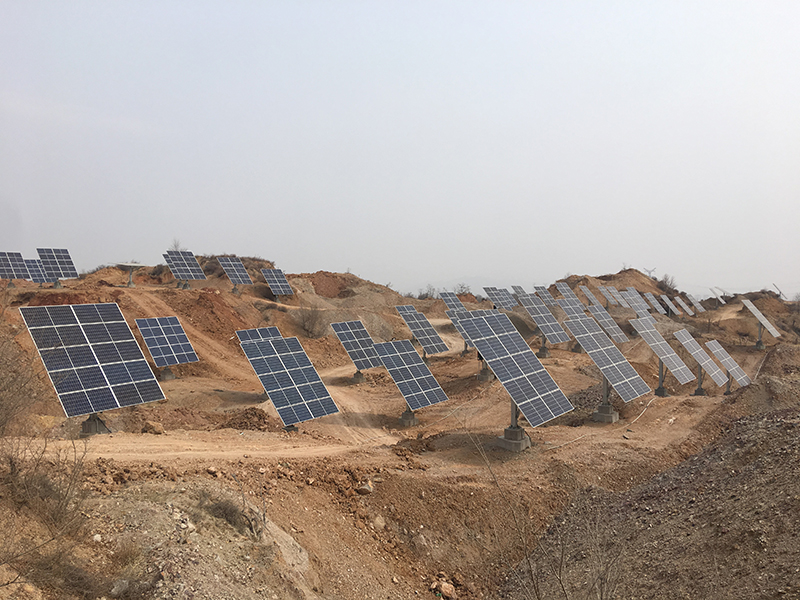
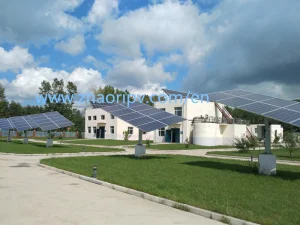
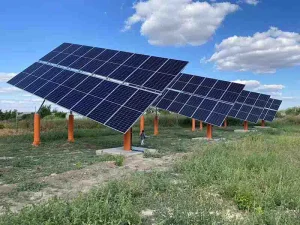
Manual brackets that adapt to uneven terrain where automated trackers might fail.
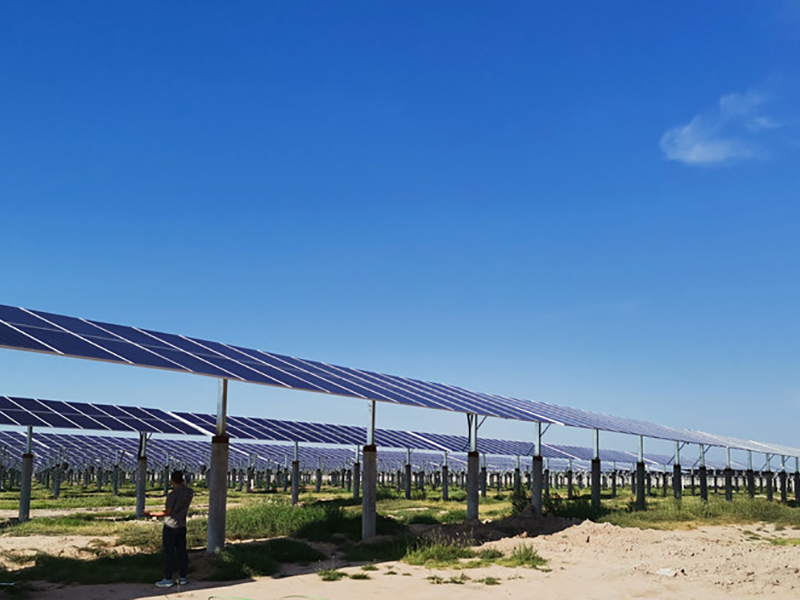
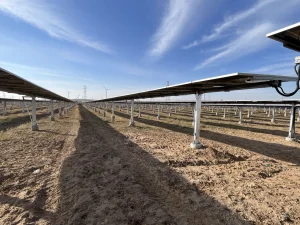
Height-adjustable racks allowing for machinery passage and crop sunlight management.
The global solar market is moving toward "LCOE (Levelized Cost of Energy) Optimization." Professional buyers in Japan and beyond are increasingly prioritizing Reliability over Complexity. Our principle is simple: "More simple, more reliable, and more effective." In the context of the Osaka market, this means reducing the number of failure points.
“We provide perfect customized solutions and professional operation and maintenance services based on our rich experience in PV bracket application. Adhering to the business principle of mutual benefits, we have built a sterling reputation among our customers for our perfect services, quality products, and competitive prices.”
As bifacial module technology becomes standard, our racking systems have been redesigned to eliminate shading on the backside, maximizing the "albedo effect" from Osaka’s varied surfaces, from industrial gravel to green rooftops.
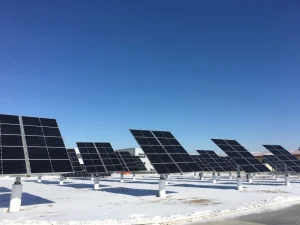
A: For optimal results in Osaka, we recommend 4 adjustments per year: 15° for summer (June), 35° for spring/autumn, and 45-50° for winter (December) to capture the lower sun angle and shed potential snow in northern Osaka areas.
A: Yes, our systems are engineered to meet and exceed JIS C 8955 standards. We provide full structural calculation reports for municipal permit approvals in Osaka and neighboring prefectures.
A: Typical production time for a 5MW order is 3-4 weeks. Shipping from our nearest port to Osaka takes approximately 5-7 days, ensuring a total lead time of around 5 weeks.
A: While we are a manufacturer, we partner with several Tier-1 EPC firms in the Kansai area who are intimately familiar with our Zhaori Solar systems and can provide turn-key installation and O&M services.
A: We use heavy-duty hot-dip galvanization (HDG). For projects within 1km of the coast, we also offer Zn-Al-Mg (Zinc-Aluminum-Magnesium) coated steel, which offers superior self-healing properties against salt-spray corrosion.
 Zhaori