What Are the Top Solar Tracking System Manufacturers in 2026?

Time:2026-10-11 Author:Ethan
0%

The global solar market is entering a more demanding phase in 2026. Developers want higher energy yields, stronger wind resistance, faster installation, and dependable service after commissioning. This makes the choice of a Solar Tracking System Manufacturer more important than comparing product prices alone. A tracker may appear efficient in a brochure, yet field performance depends on terrain, software, foundations, spare parts, and local technical support.

Dan Shugar, founder and chief executive of Nextracker, has said, “The world needs clean energy, and solar is the most abundant energy resource on the planet.” His perspective reflects the industry’s wider challenge: solar equipment must perform reliably at enormous scale. The leading manufacturers are not judged only by shipment volumes. Their engineering records, independent validation, project experience, and ability to manage extreme weather also matter. So does transparency.

This guide examines the top Solar Tracking System Manufacturer companies expected to influence the market in 2026. It considers tracker design, single-axis technology, smart control systems, installation methods, warranty practices, and international support. Some rankings remain debatable. Market data can be incomplete, and regional strengths may be overlooked. That limitation deserves attention.

A strong manufacturer should fit the project, not merely win a global ranking. A dry desert site, a coastal field, and uneven farmland require different decisions. The best choice balances energy gain, construction risk, operating costs, and long-term reliability. Procurement teams should verify current certifications, references, and service commitments before signing contracts. Numbers help. Site evidence matters more.
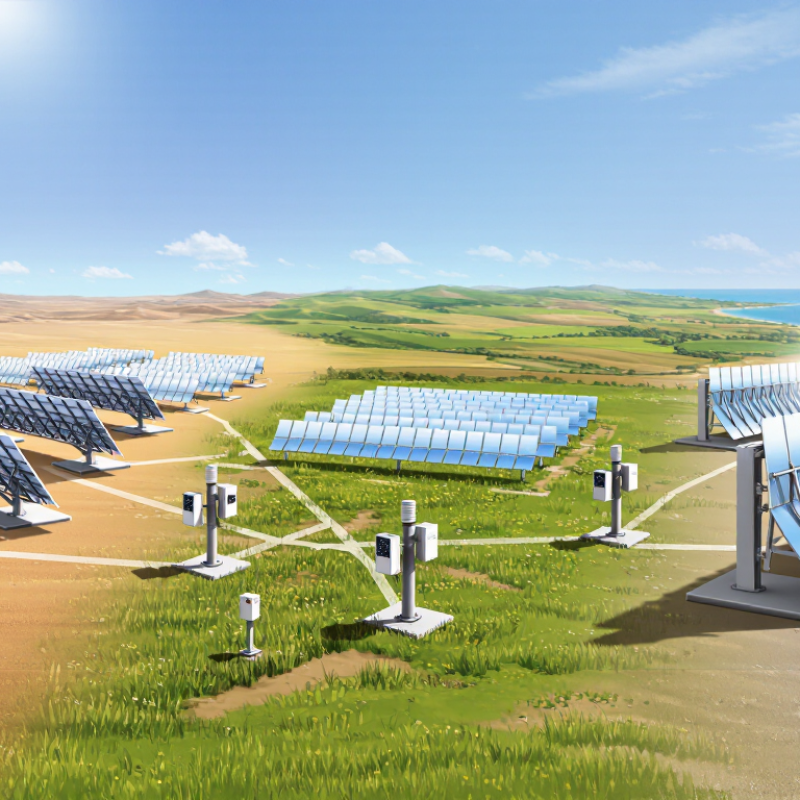
What Are the Top Solar Tracking System Manufacturers in 2026?

What Is a Solar Tracking System and How Does It Work?

A solar tracking system changes the angle of photovoltaic panels as the sun moves across the sky. Its structure usually includes rotating rows, drive motors, gearboxes, controllers, sensors, and steel foundations. Single-axis trackers turn panels from east to west. Dual-axis systems also adjust for seasonal height changes, but they are less common in large utility projects.

The controller receives sunlight data, time, location, and weather signals. It then sends commands to the drive unit, moving each row toward a productive angle. On cloudy days, modern systems may follow calculated solar positions instead of relying only on sensors.

Wind protection matters too. Strong gusts can force panels into a safer, flatter position.

More sunlight can improve energy production, but the result depends on land shape, local weather, shading, and electricity prices. There is no universal percentage gain. Field inspections often reveal small alignment errors, loose connections, or drainage problems that reduce performance. Maintenance teams should check bearings, cables, foundations, and emergency stops at planned intervals.

Choosing a manufacturer in 2026 requires more than comparing motor prices. Review tracking accuracy, corrosion resistance, software access, spare-parts support, testing records, and warranty conditions. Ask how the system behaves during dust, snow, and high winds. The simple explanation is useful, but incomplete. Trackers can increase output, yet they also add moving parts, installation work, and long-term maintenance risks.

Which Criteria Define the Leading Solar Tracker Manufacturers?

A leading solar tracker manufacturer is defined by measurable field performance, not catalogue size. IEA PVPS reported 456 GW of new photovoltaic capacity in 2023, bringing global capacity above 1.6 TW. That scale increases pressure on tracker suppliers to prove reliability across deserts, farmland, and uneven sites. Buyers should examine independent energy-yield studies, validated backtracking algorithms, wind-stow response, and terrain adaptability. A tracker that performs well on flat land may struggle on rolling ground.

Bankability also matters. The criteria include audited financial strength, transparent ownership, regional service capacity, and warranties supported by realistic spare-parts plans. DNV’s renewable-energy guidance consistently links project risk with component quality, certification, maintainability, and documented failure rates. Manufacturers should provide fatigue testing, corrosion protection data, cybersecurity controls, and clear installation tolerances. These details sound technical. They decide whether a damaged actuator stops one row or an entire block.

The strongest manufacturers connect design with lifetime economics. NREL’s 2024 Annual Technology Baseline treats tracking as a major utility-scale performance variable, but added yield must offset maintenance and equipment costs. Buyers should request degradation assumptions, availability records, and operating data from comparable climates. Claims without third-party verification deserve caution. No ranking is perfect. Weather, labor access, and grid limits can distort comparisons, and even a well-designed tracker can underperform when installation quality is overlooked.

Who Are the Top Solar Tracking System Manufacturers in 2026?

In 2026, the leading solar tracking system manufacturers are companies that combine field experience, precise engineering, and dependable service. Strong suppliers usually manufacture single-axis trackers for utility-scale projects, with designs suited to uneven terrain, high winds, and harsh temperatures. Their systems should include reliable motors, protected wiring, accurate sensors, and software that adjusts panel angles throughout the day.

Experienced teams also provide clear installation manuals and responsive technical support. Field evidence matters. Manufacturers with projects operating for several years offer more trustworthy performance data than companies relying mainly on promotional claims. Independent testing, recognized safety certifications, and transparent warranty terms can reveal how seriously a supplier manages quality. Supply-chain stability is equally important, especially when replacement parts may be needed during a twenty-year project.

No supplier is perfect. Published energy gains can look impressive under ideal conditions, yet dust, shading, snow, and maintenance delays may reduce actual results. This is where careful evaluation becomes necessary. Buyers should compare measured field output, failure rates, spare-part availability, and local service capacity. A technically advanced tracker may still disappoint if installers lack training or software updates arrive slowly. The strongest manufacturers are therefore those that document limitations, learn from operating sites, and adapt designs without hiding weak results. During site visits, practical details matter: loose connectors, noisy drives, or repeated alignment errors deserve attention before contracts are signed.

How Do Major Manufacturers Compare by Technology and Market Reach?

In 2026, major solar tracking manufacturers differ less by headline features than by practical engineering. Single-axis systems remain the workhorse for large utility projects. They can increase energy yield while keeping installation relatively simple. Dual-axis designs capture more sunlight, but their added motors, controls, and maintenance can limit adoption. Some manufacturers now combine terrain-following structures, bifacial panel support, and automated wind stow protection. These details matter on uneven sites or windy plains.

Technology comparisons should include field performance, not only laboratory output. A reliable controller must react quickly to cloud movement, high winds, and communication failures. Remote diagnostics can reduce truck visits and shorten downtime. However, software promises are difficult to judge without operating data. I would request measured availability, fault records, and maintenance hours from comparable projects. No supplier wins every test.

Market reach creates another clear separation. Large manufacturers often offer regional engineering teams, local warehouses, and established installer networks. That presence can simplify spare-part delivery across North America, Latin America, the Middle East, and Australia. Smaller specialists may provide more flexible designs for difficult terrain or smaller projects. Their local attention can be valuable, but support capacity may be less predictable. Buyers should examine warranty terms, training quality, grid-code experience, and service response times. A tracker that produces more electricity but waits weeks for a replacement part may deliver weaker financial results. Comparative decisions should therefore balance yield, durability, financing confidence, and long-term technical support.

What Trends Are Shaping the Future of Solar Tracking Systems?

Solar tracking systems are becoming more intelligent, adaptable, and measurable in 2026. Manufacturers are focusing on designs that respond to uneven terrain, changing weather, and stricter project budgets. In field inspections, small alignment errors can reduce energy output across thousands of panels. Better calibration tools now help technicians detect these issues before they become expensive problems. Reliability still matters more than impressive software claims.

Artificial intelligence is shaping tracker control. Sensors can monitor wind, snow, motor performance, and panel position in real time. Predictive maintenance may identify a failing drive component weeks before a shutdown. However, data quality remains a weakness. A dusty sensor or unstable network can produce misleading recommendations. Human technicians still need to verify important decisions.

Bifacial panels are also influencing tracker design. Manufacturers are testing row spacing, rear-side reflection, and smarter backtracking algorithms to capture more light. Low-carbon materials and easier component replacement are gaining attention as well. Recycling plans are becoming part of serious procurement discussions, not an afterthought. Cybersecurity is another growing concern because connected tracking systems can affect entire solar sites. I remain cautious about fully autonomous control. It sounds efficient, but real farms are rarely predictable. The best systems may combine automation with clear manual overrides, transparent performance records, and service teams that understand local conditions.

What Are the Top Solar Tracking System Manufacturers in 2026?

What Trends Are Shaping the Future of Solar Tracking Systems?

Global solar PV capacity additions increased from approximately 127 GW in 2020 to 452 GW in 2024, according to IRENA. This rapid expansion is enlarging the addressable market for solar trackers, particularly in utility-scale projects. Key trends shaping tracker demand in 2026 include bifacial module optimization, higher system reliability, terrain-adaptive designs, digital monitoring, reduced installation time, and improved performance in challenging climates.

Source: IRENA, Renewable Capacity Statistics 2025. Values represent global annual solar photovoltaic capacity additions.

FAQS

What is a solar tracking system?

It changes panel angles as the sun moves across the sky. Single-axis trackers move east to west. Dual-axis trackers also follow seasonal height changes. They usually include motors, gearboxes, controllers, sensors, and steel foundations.

How does a tracker decide where to move?

The controller uses sunlight data, time, location, and weather signals. It then directs each panel row toward a productive angle. On cloudy days, calculated sun positions can guide movement. Strong wind may trigger a flatter safety position.

Can tracking systems increase energy production?

They can capture more sunlight than fixed structures. The actual gain depends on weather, shading, land shape, and electricity prices. There is no universal percentage. That simple promise can mislead buyers.

What are the main disadvantages of solar trackers?

Trackers add motors, moving parts, controls, and maintenance work. Installation can become harder on uneven land. Loose connections, drainage issues, and alignment errors can reduce output. More equipment also creates more possible failure points.

What should maintenance teams inspect?

Teams should inspect bearings, cables, foundations, and emergency stops. They should also check row alignment and drainage after severe weather. A small error across thousands of panels can become expensive. Field records are useful, but they are not perfect.

How should buyers compare tracking system suppliers?

Compare tracking accuracy, corrosion resistance, software access, and testing records. Review spare-parts availability, warranty conditions, training, and service response times. Ask for measured availability and fault records from similar projects. Motor price alone is a weak comparison.

Are single-axis or dual-axis systems better?

Single-axis systems are common for large utility projects. They offer simpler installation and generally lower mechanical complexity. Dual-axis systems can follow seasonal sun height changes. Their extra motors and controls may increase maintenance. Neither design wins every site.

How are newer systems becoming smarter?

Sensors can monitor wind, snow, motor performance, and panel position. Predictive maintenance may identify failing drive parts before shutdowns occur. Bifacial designs use row spacing and rear-side reflection more carefully. However, dusty sensors and weak networks can create false recommendations. Human review still matters.

Conclusion

A solar tracking system is a mechanism that adjusts the position of photovoltaic panels throughout the day so they can receive sunlight more directly. By following the sun’s movement, single-axis and dual-axis trackers can improve energy capture compared with fixed-tilt installations. This article explains how these systems operate and examines the factors that define a leading Solar Tracking System Manufacturer, including product reliability, tracking accuracy, structural strength, installation efficiency, monitoring capabilities, service support, and performance in different climates.

It also reviews the major manufacturers shaping the global market in 2026 without focusing on individual brand names. The comparison considers technological design, project scalability, geographic reach, cost efficiency, and long-term operation. Finally, it explores future trends such as smarter control software, automated maintenance, improved weather resistance, energy-storage integration, and more sustainable materials, showing how innovation is making solar tracking systems more efficient and adaptable.


Ethan

Ethan

Ethan is a seasoned marketing professional with a deep expertise in our company's innovative product line. With a passion for sharing knowledge and insights, he takes the lead in regularly updating our corporate blog, where he explores industry trends, product features, and effective marketing......