Solar trackers are becoming increasingly essential in the renewable energy sector. These devices adjust the position of solar panels throughout the day to follow the sun’s trajectory. According to the International Renewable Energy Agency (IRENA), solar trackers can increase energy production by 20% to 50%. This efficiency is crucial as the world shifts towards sustainable energy solutions.
Dr. Emily Chen, a leading solar energy researcher, highlights the importance of solar trackers. She states, "Harnessing the sun’s energy is not just about installation; it’s about optimizing performance." This optimization plays a vital role in maximizing return on investment for solar projects. As the sector grows, the expertise surrounding solar trackers becomes critical.
Despite the advantages, there are challenges. Solar tracker systems can have higher initial costs and may require more maintenance than fixed systems. This calls for careful evaluation by investors and developers. Understanding the trade-offs of solar trackers is crucial in decision-making. These insights are vital as the industry continues to evolve.
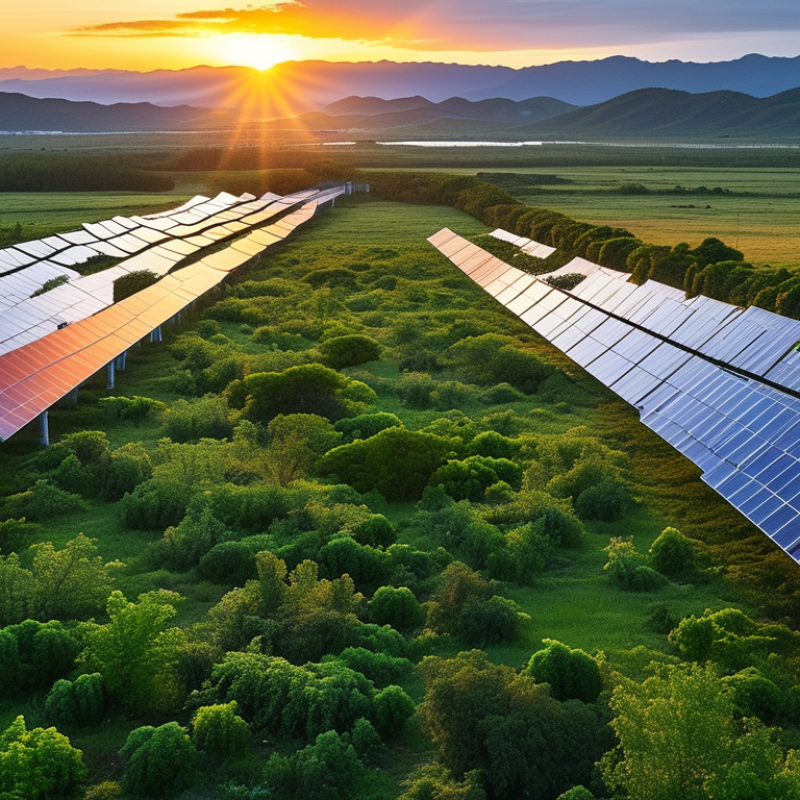
A solar tracker is a device that optimally positions solar panels toward the sun. This technology enhances the panels' efficiency by ensuring they receive maximum sunlight throughout the day. By following the sun's path, solar trackers can significantly increase energy production.
There are two main types of solar trackers: single-axis and dual-axis. Single-axis trackers rotate on one axis, following the sun's movement from east to west. Dual-axis trackers can move in two directions, adjusting for seasonal variations in the sun's elevation. Both types require precise control systems to function efficiently, often relying on sensors and algorithms. However, the complexity of these systems can lead to mechanical failures or increased maintenance needs.
While solar trackers can improve energy yields, they come with challenges. Installation can be costly and time-consuming. Additionally, not all locations are suitable for trackers. Some areas may not benefit from the increased efficiency due to geographical limitations. Understanding these factors is essential for making informed decisions about solar energy investments.
Solar trackers are crucial for optimizing solar energy capture. They adjust the position of solar panels throughout the day to follow the sun's path. There are two main types: single-axis and dual-axis trackers.
Single-axis trackers rotate on one axis, typically aligned north-south. They can increase energy generation by 20-30% compared to fixed systems, according to the Solar Energy Industries Association (SEIA). These trackers work well in large-scale solar farms. They are less complex, leading to lower maintenance costs and faster installation. However, they only track the sun's movement in one direction.
Dual-axis trackers offer more flexibility. They can tilt and rotate, following the sun's movement in both directions. This results in a 30-40% increase in energy production. Industry reports indicate that dual-axis systems may be more suitable for regions with less consistent sunlight. They do come with higher costs and require more maintenance. This is an area that needs careful evaluation for investment. Choosing the right type depends on project goals, location, and budget.
Solar trackers are devices that orient solar panels towards the sun to maximize energy absorption. By adjusting angles throughout the day, they can increase energy production significantly. Reports suggest that solar trackers can enhance energy efficiency by 25% to 35% compared to fixed solar panels. This rise in efficiency can translate into substantial energy savings, making solar power a more viable and cost-effective solution.
Energy efficiency tends to improve with solar trackers due to enhanced sunlight exposure. According to the National Renewable Energy Laboratory (NREL), fixed-tilt systems capture only a fraction of sunlight during peak hours. In contrast, trackers can optimize this capture. They adapt to various weather conditions, which adds to their reliability. However, installation and maintenance costs must be considered. Some users may find these costs prohibitive.
Tip: Analyze your property's sunlight patterns before investing. A tracker might not be optimal for shaded areas. Know your local climate, as excessive wind or snow may require specific designs to withstand harsh conditions. Selecting the right system ensures that your investment in renewable energy pays off effectively.
Solar trackers significantly enhance the energy production of solar panels by adjusting their orientation throughout the day, leading to increased efficiency compared to fixed mount systems. As shown above, dual axis trackers yield the highest average energy production, effectively harnessing more sunlight.
Solar trackers are innovative systems designed to maximize solar energy capture. They work by aligning solar panels with the sun’s position throughout the day. This adjustment can significantly enhance the system's efficiency, increasing energy production by 25-35%, according to research from the National Renewable Energy Laboratory.
The key components of a solar tracker include a mounting structure, control systems, and actuators. The mounting structure supports solar panels and allows for rotation. Control systems use sensors to determine the sun's location and adjust the panels accordingly. Actuators move the panels, either using electric motors or hydraulic systems. These components work together seamlessly, yet the complexity can lead to maintenance challenges. Regular checks are essential for optimal performance.
Tips: Invest in quality sensors for accuracy. Cheap sensors can lead to less efficiency over time. Also, consider the installation site; uneven terrain can affect solar tracker performance. Each site is unique, and the customizations needed may vary. Keeping track of these aspects is vital for reliable operation and consistent energy production. Monitoring systems can help in identifying issues before they escalate.
Solar trackers are advanced systems that adjust the orientation of solar panels to follow the sun's path. Proper installation and maintenance are essential for maximizing their benefits. Many studies indicate that solar trackers can increase energy production by 20% to 50% compared to fixed systems.
Installation requires precise alignment and robust structures to withstand environmental stresses. Ground conditions should be assessed carefully. Poor site selection can lead to inefficiencies. Regular inspections help identify issues early. According to a report by the National Renewable Energy Laboratory, approximately 30% of solar tracker failures are due to inadequate maintenance.
Regular cleaning of sensors and mechanisms ensures optimal performance. Components like motors and gears should be checked periodically. Neglecting these aspects can lead to increased downtime. The average lifespan of a solar tracker can be impacted significantly by how well it is maintained. Adopting a proactive maintenance schedule can enhance reliability and efficiency.
: Solar trackers optimize energy capture by adjusting solar panels' positions to follow the sun throughout the day.
Single-axis trackers rotate on one axis and can boost energy generation by 20-30% compared to fixed systems.
Dual-axis trackers can tilt and rotate, increasing energy production by 30-40%. This is useful in areas with variable sunlight.
Solar trackers generally have higher installation and maintenance costs. Many users may find these costs challenging to manage.
Trackers enhance energy efficiency by optimizing sunlight exposure, increasing production by 25-35% compared to fixed systems.
Key components include a mounting structure, control systems, and actuators that work together to align panels with the sun.
Regular maintenance ensures optimal performance, as tracker systems can be complex and require checks to prevent issues.
Analyze your property's sunlight patterns and local climate. These factors affect the effectiveness of the solar tracker system.
Trackers may not be optimal in shaded locations. It's crucial to evaluate sunlight availability during decision-making.
Quality sensors are vital for accuracy. Poor sensors can reduce efficiency and lead to decreased energy production over time.
A solar tracker is a device designed to orient solar panels towards the sun to maximize energy capture throughout the day. There are two main types of solar trackers: single-axis trackers, which move along one axis to follow the sun’s path, and dual-axis trackers, which adjust both vertically and horizontally, allowing for more precise alignment. By utilizing solar trackers, energy efficiency can be significantly improved, as they can increase solar energy production by 20-50% compared to fixed installations.
Key components of a solar tracker system include the tracking mechanism, sensors, and control systems that facilitate automatic adjustment. Proper installation and maintenance are essential for optimal performance; hence regular checks are advised to ensure that the system functions effectively. Overall, solar trackers represent a valuable innovation in solar energy technology, enhancing the effectiveness of solar power generation.