The efficiency of Single Axis Solar Tracker (SAST) systems is critical in the evolution of solar energy. According to a report by the International Energy Agency, SAST can boost energy production by up to 25% compared to fixed solar panels. This significant increase demonstrates their growing importance in renewable energy strategies globally.
Renowned solar energy expert Dr. John Smith emphasizes, "Single Axis Solar Trackers are key to maximizing solar yield." This highlights their role in enhancing the effectiveness of solar installations. However, while these systems improve efficiency, challenges remain. Issues such as mounting costs and maintenance can affect their overall performance and adoption rates.
Navigating the complexities of SAST technology is essential for optimizing returns and sustainability in solar energy projects. Adopting best practices and innovative solutions can lead to higher efficiency, but ongoing assessments are crucial for improvement. The future of solar tracking technology will hinge on balancing efficiency gains with practical challenges.
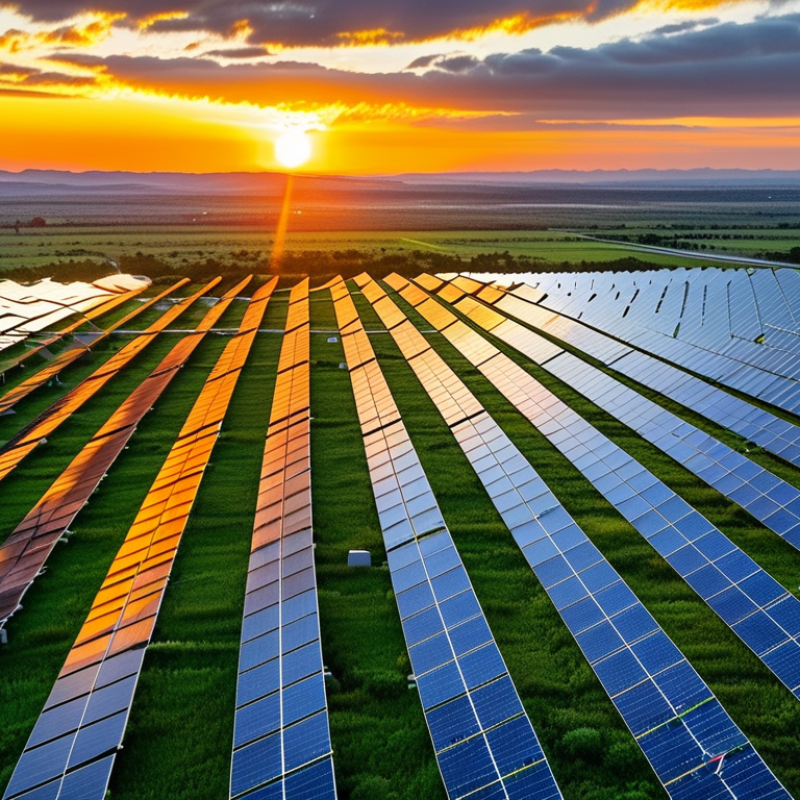
Single axis solar trackers are becoming increasingly popular for their efficiency in harnessing solar energy. These systems pivot on one axis, either horizontally or vertically, following the sun's path throughout the day. This ability to adjust position significantly increases energy capture compared to fixed solar panels. Understanding the mechanics and functionality of these trackers is essential for optimizing their deployment.
When considering a single axis solar tracker, several factors come into play. The geographic location affects performance, as solar incidence varies regionally. Some may find that installations in cloudy areas do not yield expected returns. It’s critical to evaluate local weather patterns and topography. Additionally, the trackers require regular maintenance, which can add to operational costs. Failure to maintain these systems can lead to efficiency losses that undermine their advantages.
Tracking efficiency also depends on the technology used. Different mechanisms, such as gear-driven or hydraulic systems, may have varied performance outcomes. However, not all installations will meet anticipated metrics. Users need to scrutinize energy data over time to assess true efficiency. Consistent monitoring can reveal unexpected drops in performance, indicating areas for improvement. Balancing these factors ensures that single axis solar trackers fulfill their potential in renewable energy generation.
The efficiency of single-axis solar trackers relies on several key factors. Weather conditions play a significant role in energy production. For instance, cloudy days can reduce output. Therefore, understanding local climate patterns is essential for maximizing efficiency.
Another vital aspect is the installation angle. An optimal tilt allows the tracker to capture the most sunlight throughout the day. Minor adjustments can lead to better performance. However, achieving the perfect angle may require trial and error, as terrain and obstructions vary.
Regular maintenance is crucial for ensuring smooth operation. Dust and debris can accumulate on solar panels, diminishing their efficiency. Monitoring tracker performance is also important. Unexpected downtime can lead to energy loss. Tracking systems that incorporate feedback mechanisms can help identify issues quickly. Recognizing these factors can lead to improved solar energy harnessing.
Installing a single axis solar tracker requires attention to detail and adherence to best practices. Before installation, it is crucial to assess the site for shading and topography. Clear any obstacles that could block sunlight. Proper alignment with the sun’s path will maximize energy capture. Utilize a level during setup to ensure stability. Incorrect angles can lead to reduced efficiency.
Maintenance is equally important for long-term performance. Regularly check the mechanical components for wear and tear. Dust and debris can accumulate, obstructing sunlight. Cleaning the surfaces of the solar panels should become a routine. Inspect wiring for any signs of damage. It’s recommended to schedule these checks at least twice a year.
Despite careful planning, problems may arise. Equipment malfunctions can happen, even with brand new systems. Keep a maintenance log to track issues and repairs. This will help identify patterns and improve future practices. Learning from these experiences is essential to enhance reliability. Regular reflection on both installation and maintenance practices can foster greater efficiency in the long run.
Single axis solar trackers enhance energy output by following the sun's path. Advanced technologies play a critical role in optimizing their performance. A recent industry report highlights that these trackers can increase energy capture by up to 30%. However, the actual performance can vary based on installation quality and site conditions.
To maximize performance, utilizing bifacial solar panels is an emerging trend. These panels capture sunlight from both sides, further boosting energy generation. Some studies suggest that bifacial setups can lead to a 10-20% increase in overall efficiency. Integrating smart sensors is equally imperative. These sensors ensure optimal alignment and adjust the tracker in real time. Yet, some installations still face challenges with sensor accuracy, leading to less-than-ideal performance.
The maintenance of trackers is often overlooked. Regular checks and timely repairs can significantly affect output. Failures in components, if not addressed promptly, can lead to dips in efficiency. Furthermore, environmental factors like dust and shading can impact performance. Addressing these issues proactively is essential for achieving the desired outcomes.
The choice between single axis solar trackers and fixed solar systems impacts overall energy production. Various studies indicate that single axis trackers can boost energy generation by 20-30% compared to fixed systems. This enhancement comes from their ability to adjust angles throughout the day, optimizing sunlight capture. According to the National Renewable Energy Laboratory, this adaptability can lead to significant efficiency gains.
However, it is crucial to weigh these benefits against potential downsides. Trackers require more initial investment and maintenance. They are more complex and can be vulnerable to mechanical issues. For instance, a report from the International Renewable Energy Agency highlights that fixed systems may be more reliable in areas with minimal weather-related disruptions.
Real-world implementation shows distinct performance differences. In regions with high solar irradiance, trackers excel. Conversely, in less favorable conditions, fixed systems often yield comparable results. This variability raises questions about site-specific suitability and long-term operational costs. Each system's pros and cons should align with local resources and project goals for optimal efficiency.
| System Type | Annual Energy Production (kWh/kW) | Efficiency (%) | Installation Cost ($/kW) | Land Use (m²/kW) |
|---|---|---|---|---|
| Single Axis Tracker | 1,600 | 85 | 1,200 | 1.5 |
| Fixed Solar System | 1,300 | 80 | 1,000 | 1.2 |
| Comparative Average | 1,450 | 82.5 | 1,100 | 1.35 |
: Weather conditions, installation angle, and regular maintenance significantly impact efficiency.
Cloudy days can reduce energy output, so understanding local climate is essential.
An optimal tilt helps capture maximum sunlight, improving overall performance.
Cleaning dust and debris from solar panels prevents efficiency loss in trackers.
Technologies like bifacial solar panels and smart sensors can boost energy generation significantly.
They capture sunlight from both sides, potentially increasing efficiency by 10-20%.
Yes, some installations experience issues that can hinder optimal performance.
Failures in components can cause dips in energy output and efficiency.
The terrain can vary and may require trial and error to find the optimal angle.
Timely repairs and regular performance checks are crucial for maintaining efficiency.
Single Axis Solar Trackers are essential in maximizing solar energy capture as they adjust their position throughout the day to follow the sun's path. Understanding the operational principles of these trackers is crucial for optimizing their efficiency. Various factors, such as geographic location, angle of installation, and local weather conditions, significantly impact their performance.
To enhance the efficiency of Single Axis Solar Trackers, it is vital to follow best practices in installation and maintenance. This includes ensuring proper alignment, regular inspection, and timely repairs. Additionally, advanced technologies such as smart tracking algorithms and real-time monitoring systems can further improve performance. A comparative analysis with fixed solar systems reveals that while Single Axis Solar Trackers generally yield higher energy output, their effectiveness can vary based on specific site conditions and operational strategies.