In recent years, the adoption of renewable energy has surged. Businesses are increasingly turning to solar power to cut costs and reduce their carbon footprint. A key innovation in this field is the PV Tracker. This technology enables solar panels to follow the sun, maximizing energy capture and efficiency. According to the National Renewable Energy Laboratory, PV Trackers can increase energy output by 20 to 50 percent compared to fixed installations.
In a rapidly changing energy landscape, understanding the benefits of a PV Tracker becomes essential. Businesses that invest in this technology can experience significant financial returns. The International Energy Agency reports that solar energy is set to dominate new electricity generation. Companies that adopt advanced solar technologies are likely to gain a competitive edge.
However, selecting the right system is crucial. Not all PV Trackers are created equal, and some may not perform as expected. Evaluating factors like terrain, installation costs, and maintenance needs is vital. Aiming for sustainability while ensuring economic viability can pose challenges. The journey of integrating a PV Tracker into operational strategies warrants careful consideration.
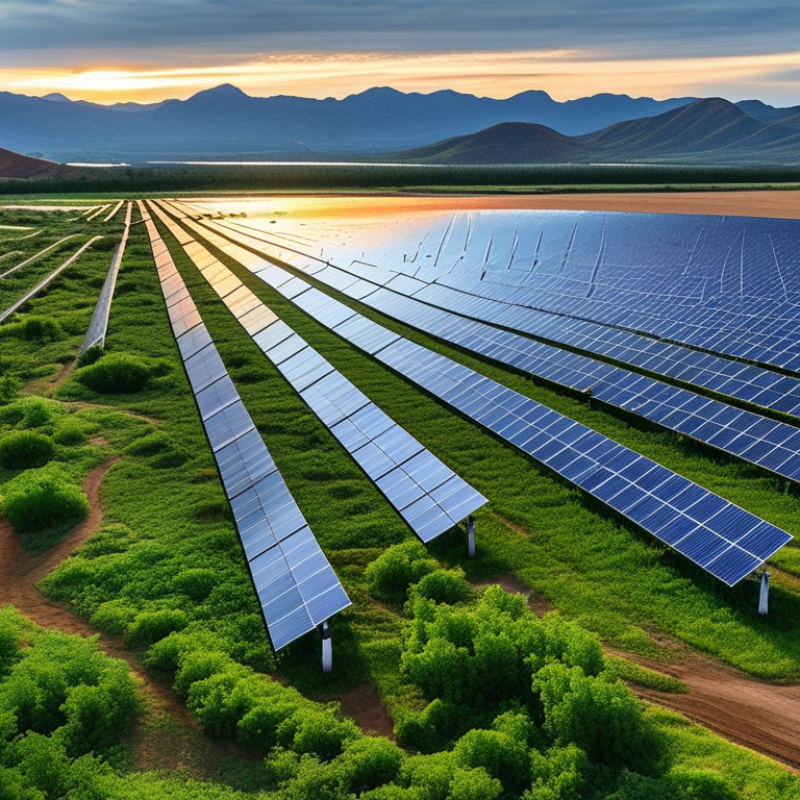
PV trackers are innovative systems designed to enhance the efficiency of solar energy generation. They are engineered to follow the sun's trajectory throughout the day. This movement allows solar panels to capture more sunlight, which leads to increased energy production. When positioned properly, a PV tracker can boost output by 20% to 40% compared to fixed solar systems. This improvement makes a persuasive case for businesses considering renewable energy options.
Understanding how PV trackers function is essential. They use motors and sensors to adjust the angle of solar panels. This adjustment maximizes exposure to sunlight at different times of the day and throughout the seasons. However, it's important to note that the initial investment for these systems can be higher. Proper installation and maintenance are crucial for ensuring long-term benefits. Businesses must weigh these factors against the potential energy savings and increased efficiency.
The reliability of PV trackers is improving, but challenges remain. Weather conditions may impact their effectiveness. Occasionally, mechanical issues can arise, leading to downtime. Businesses should have a robust maintenance plan to address these concerns. Overall, even with its complexities, integrating PV trackers can significantly enhance a company's sustainability efforts and energy cost savings.
PV trackers are innovative devices designed to enhance the efficiency of solar panels. They automatically adjust the position of solar panels to capture optimal sunlight throughout the day. This adjustment maximizes energy production, making it a vital investment for businesses seeking to reduce energy costs.
The mechanism behind PV trackers involves sensors and motors. Sensors detect the sun's position. Motors then pivot the solar panels to maintain alignment with the sun. This continuous adjustment can increase energy output by 25-40% compared to fixed installations. It’s an impressive consideration for anyone looking to maximize the return on investment in solar energy.
However, PV trackers are not without challenges. They require additional maintenance due to moving parts. Weather conditions can also impact functionality. Businesses need to weigh these factors carefully. Understanding the mechanics and potential pitfalls is crucial for making an informed decision about integrating PV trackers into their energy strategy.
PV trackers are innovative systems designed to optimize solar energy generation. By automatically adjusting the angle of solar panels, these devices ensure maximum sunlight exposure throughout the day. For businesses, this means enhanced energy efficiency and potentially lower energy costs. Investing in a PV tracker can lead to increased energy output, especially in regions with varying weather conditions.
One key benefit of implementing PV trackers is their ability to significantly boost overall energy production. Reports show that trackers can improve solar panel efficiency by 20% to 40%. This increase can transform the way a business manages energy needs, allowing for greater sustainability. As companies aim to reduce their carbon footprint, having an effective energy generation system becomes crucial.
Moreover, PV trackers can provide financial benefits over time. While the initial investment might seem high, the long-term savings on energy bills can be substantial. Businesses might worry about maintenance or installation challenges, yet these systems are designed to simplify operations. In many cases, the effort to integrate a PV tracker can be offset by the energy savings realized. Companies should consider their specific needs and evaluate how tracking technology can fit into their energy strategy.
This bar chart illustrates the energy production (in kWh) throughout the year, comparing the benefits of implementing PV trackers versus traditional fixed systems. The data shows a clear advantage in energy generation when using PV trackers, highlighting their effectiveness in maximizing solar energy capture.
Investing in PV trackers can seem daunting. The initial costs may cause hesitation. However, the long-term savings can be substantial. PV trackers optimize solar panel efficiency by following the sun’s path. This increased efficiency can lead to significant electricity savings.
Analyzing the costs is vital. The upfront investment typically covers the technology and installation. However, many businesses find that the higher output offsets these costs in just a few years. Over time, the savings can exceed the initial investment by a notable margin. This creates a compelling argument for considering PV trackers.
Some may worry about maintenance and potential challenges. Like any technology, PV trackers may require regular upkeep. Additionally, their performance can sometimes be affected by environmental conditions. Yet, many find the benefits far outweigh these concerns. The visual gains in energy production are often quantifiable and impressive.
PV trackers are innovative tools designed to maximize solar energy capture. They adjust the position of solar panels to follow the sun throughout the day. Several case studies illustrate the advantages of PV trackers in various business settings.
In a recent case study, a commercial farm installed PV trackers to power its operations. As a result, the farm increased its energy output by over 25%. This shift reduced energy costs significantly. Observations noted that the trackers also minimized land usage by producing more energy in a smaller footprint. Businesses can replicate this model by investing in similar technology.
Regular maintenance is crucial for PV trackers. Maintaining optimal performance can lead to increased efficiency. Unexpected downtime can be detrimental. Additionally, businesses must evaluate initial costs versus long-term savings carefully. Understanding local weather patterns is also key. Solar production can vary significantly based on geographic location.
Farming or manufacturing, the benefits of PV trackers are evident. Embracing this technology can enhance energy efficiency while lowering operational costs. Yet, it's important to analyze the unique needs of your business. That's the best approach to ensure that PV tracking systems deliver maximum benefits.
| Application Area | Before PV Tracker | After PV Tracker | Benefits Achieved |
|---|---|---|---|
| Commercial Solar Farm | Average energy output of 120 MWh/month | Average energy output of 180 MWh/month | 50% increase in energy production |
| Agricultural Applications | Seasonal crop yield dependence | Consistent year-round energy use | Improved energy stability and crop production |
| Industrial Manufacturing | Variable energy costs | Stable energy pricing | Cost savings on energy purchases |
| Residential Use | Dependent on fixed solar panels | Enhanced efficiency with tracking | Increased monthly savings on electricity bills |
| Remote Off-Grid Systems | Inconsistent power supply | Reliable power output | Enhanced reliability for critical systems |
: PV trackers are systems that optimize solar energy by adjusting solar panel angles for maximum sunlight.
They can enhance solar panel efficiency by 20% to 40%, boosting overall energy production for businesses.
Yes, long-term savings on energy bills can offset initial investment costs significantly.
Concerns include maintenance needs and potential performance issues due to environmental conditions.
Many businesses notice savings that can offset initial costs within a few years.
The upfront costs can feel daunting, but the long-term benefits often justify the spending.
Each company should evaluate its specific energy needs to determine if tracking technology fits its strategy.
Their effectiveness may vary based on local climate, but they generally optimize performance in changing weather.
Yes, like other technologies, they may need upkeep to maintain optimal performance.
The main benefit is increased energy output, leading to greater sustainability and lower energy costs over time.
A PV Tracker is a crucial component in solar energy systems that enhances the efficiency of solar panels by adjusting their orientation to capture optimal sunlight throughout the day. The mechanism behind PV Trackers ensures that solar panels maintain the ideal angle, maximizing energy absorption and thereby increasing the overall output. Businesses that implement PV Trackers can reap significant benefits, including higher energy production, reduced reliance on grid electricity, and lower operational costs.
From a cost perspective, while the initial investment in PV Trackers may be higher than static solar systems, the long-term savings generated from increased energy efficiency and lower energy bills often justify the expenditure. Case studies demonstrate the successful application of PV Trackers across various business sectors, showcasing their ability to not only improve sustainability but also enhance profitability in the realm of renewable energy.