How to Choose a Solar Tracker Dual Axis System?

Time:2026-09-21 Author:Oliver
0%

Choosing a Solar Tracker Dual Axis system requires more than comparing panel movement and advertised energy gains. The right choice depends on your site, climate, equipment, and maintenance capacity. A tracker may perform well in a dry, open field, yet struggle on a windy hillside or dusty farm.

Begin with the sun’s path and your installation conditions. Review annual irradiance, seasonal shading, wind speed, soil strength, and available service access. A dual-axis tracker follows both daily and seasonal solar movement, helping panels face stronger sunlight for longer periods. However, the actual gain varies by location and system design. It is not guaranteed.

Look closely at the drive mechanism, structural steel, sensors, controller, and safety functions. Ask how the tracker reacts during high winds, heavy snow, or a power interruption. Manual backup control can matter when electronics fail. It should be tested.

Your panels and inverter must also match the tracker’s electrical and mechanical requirements. Check module dimensions, weight limits, cable movement, grounding, and installation tolerances. Reliable suppliers should provide performance data, installation drawings, warranty terms, and documented testing. Experience matters here. A low purchase price may become expensive after repeated repairs, difficult access, or poor spare-parts support.

Consider the whole operating period, not only the first year. Estimate energy production using local weather data and realistic losses. Include inspections, lubrication, cleaning, replacement parts, and technician travel. Some design details remain uncertain until a site survey is completed. That is normal. A careful decision acknowledges those gaps instead of hiding them behind impressive numbers.
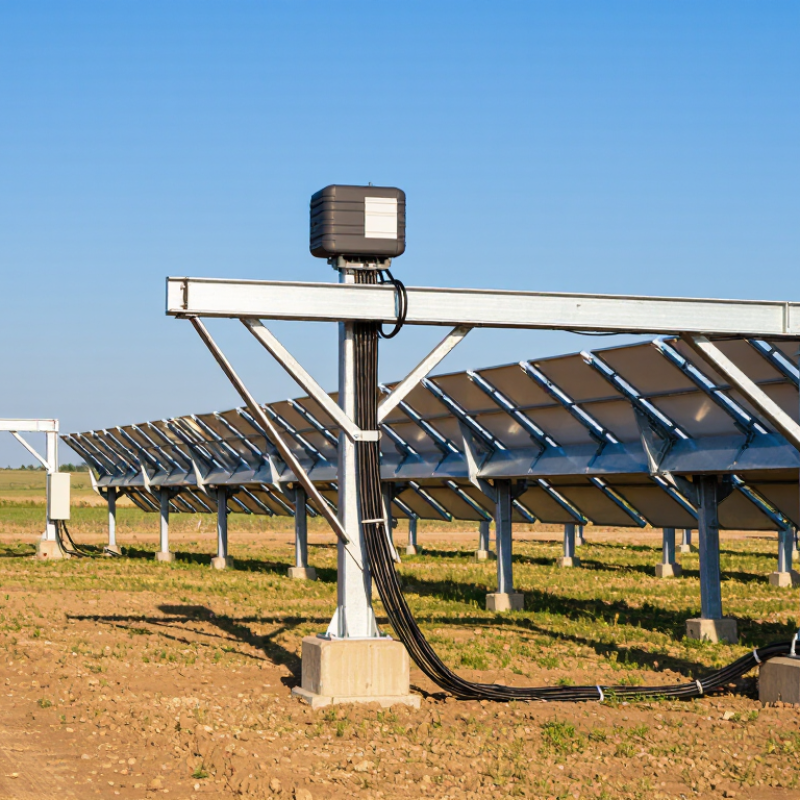
How to Choose a Solar Tracker Dual Axis System?

Define the Energy and Site Requirements for a Dual-Axis Solar Tracker

Choosing a dual-axis solar tracker starts with a clear energy target. Estimate daily electricity use in kilowatt-hours, then include seasonal changes and future equipment. Review at least twelve months of utility data when available. Separate essential loads from flexible loads, such as pumps or workshop tools. A tracker can capture more sunlight, but its output still depends on weather, shading, and system losses.

The site must support the tracker physically and electrically. Check the available area, terrain slope, soil strength, and access for installation. Measure shadows from trees, buildings, and nearby structures throughout the year. Local wind, snow, and rainfall conditions affect foundation design and operating limits. Ask a qualified structural engineer to verify these conditions. Grid connection distance and battery placement also influence the total project cost. Drainage matters.

Tips: Record the highest monthly energy demand, not only the annual average. Keep clear space around moving components. Plan safe access for cleaning and inspections. Early production estimates are often optimistic. I have seen small shading errors change expected output noticeably. Recheck the model with conservative assumptions, then compare it with measured solar data from the site. A simple site survey may reveal problems that software misses.

How to Choose a Solar Tracker Dual Axis System?

Define the Energy and Site Requirements for a Dual-Axis Solar Tracker

This site-screening chart uses representative astronomical values for latitude 35°N. Higher solar-noon elevation and longer daylight generally indicate more available solar collection time, while dual-axis tracking can provide the greatest value when direct sunlight is strong and the site has limited shading.

Solar-noon elevation and theoretical daylight duration are calculated from standard solar-declination and day-length equations. Final tracker selection should also consider DNI, wind speed, snow load, terrain, row spacing, maintenance access, and the project’s energy yield model.

Compare Tracker Designs, Movement Ranges, and Panel Compatibility

Choosing a solar tracker dual axis system requires more than checking its advertised efficiency. Compare the tracker design, movement range, and panel compatibility with your site conditions. A dual-axis tracker follows both the sun’s daily path and seasonal height. This can improve energy capture, but it also needs stronger foundations, reliable sensors, and regular inspection. Open-frame designs may reduce wind resistance. Enclosed mechanisms can offer better protection, though they may complicate maintenance.

Movement range deserves close attention. Many systems provide about 120 to 270 degrees of azimuth rotation and 60 to 90 degrees of elevation adjustment. The correct range depends on latitude, shading, and nearby structures. A wide range is not automatically better. It may increase mechanical stress and installation costs. Check the tracker’s operating speed, stow position, wind response, and emergency controls. These details matter during sudden weather changes. I have found that site measurements often reveal limitations that product brochures overlook.

Tips: Confirm the panel frame dimensions, weight, mounting-hole pattern, and electrical layout before ordering. Leave safe clearance between moving panels and nearby equipment. Ask for tested load ratings, maintenance intervals, and installation records. Avoid mixing panels with incompatible voltage or connector specifications. A careful trial installation can expose alignment problems early. Still, even a well-designed system may produce less than expected when dust, clouds, or poor grading are ignored.

How to Choose a Solar Tracker Dual Axis System? - Compare Tracker Designs, Movement Ranges, and Panel Compatibility

Tracker Design Typical Azimuth Range Typical Elevation Range Recommended Array Configuration Panel Compatibility Wind and Structural Considerations Control and Tracking Method Best-Fit Applications Relative Complexity
Single-Pole Dual-Axis Tracker Approximately 120°–240° Approximately 10°–85° One compact array mounted around a central or slightly offset vertical pole Best for smaller framed modules and compact layouts; verify module dimensions, clamp zones, and total weight Requires careful foundation design and a stow position for high-wind conditions; the elevated center of mass can increase overturning loads Usually uses astronomical positioning, light sensors, or a hybrid controller with geared or linear actuators Small commercial systems, demonstration installations, agricultural loads, and limited-space sites Medium to high
Dual-Column Dual-Axis Tracker Approximately 120°–240° Approximately 10°–70° One larger table supported at two structural points Suitable for multiple framed modules when the mounting table is engineered for module length, width, and clamp requirements Two foundations distribute loads, but cross-bracing, torsional stiffness, and synchronized movement are important Motor-driven azimuth and elevation axes with position feedback and programmed wind stow Medium-size ground-mounted arrays where higher structural capacity is needed High
Azimuth-Over-Tilt Dual-Axis Tracker Approximately 180°–270° Approximately 5°–75° A rotating azimuth platform combined with a tilting module frame Works with standard framed modules when the rotating platform allows adequate edge clearance and cable flexibility Rotating cable management, bearing loads, and mechanical stops must be checked; wind stow is essential in exposed locations Two coordinated drives, commonly using encoder feedback and astronomical tracking algorithms Sites seeking broad daily solar coverage and high energy capture from a compact footprint High
Polar-Alignment Dual-Axis Tracker Approximately 120°–240° Approximately 20°–80° Array aligned with the site latitude and rotated around a polar axis, with a secondary seasonal adjustment Compatible with rigid framed modules if the frame and drive system can accommodate the required balance and tilt geometry Correct alignment can reduce drive movement, but the structure must still resist torsion, uplift, and asymmetric wind loading Polar-axis drive combined with seasonal or declination adjustment; astronomical control is commonly used Open sites with a clear solar horizon and a strong preference for reduced daily tracking motion High
Compact Two-Axis Pedestal Tracker Approximately 160°–220° Approximately 15°–80° Small module group on a compact pedestal or reinforced post Best for one to four smaller modules; large-format modules may exceed actuator, bearing, or wind-load limits Foundation size and actuator capacity can become limiting factors; install only after checking local wind and snow loads Low-voltage actuators with a timer, light sensor, or digital sun-position controller Remote power systems, research platforms, solar water pumping, and small off-grid installations Medium
Backtracking-Capable Two-Axis Tracker Approximately 120°–240° Approximately 10°–85° Dual-axis array with software that adjusts the path to reduce row-to-row shading where applicable Compatible with standard crystalline-silicon framed modules when the layout respects module spacing and structural limits Backtracking does not remove the need for wind stow, robust foundations, or verification of dynamic loads GPS or astronomical positioning with site coordinates, terrain data, and programmable movement limits Ground-mounted systems where shading, terrain, or seasonal sun angles reduce the usefulness of a simple tracking path High
Selection note: Actual movement limits vary by structure, latitude, wind and snow design, terrain, module dimensions, cable routing, and local electrical and structural requirements. Confirm the tracker’s rated module size, maximum array weight, actuator capacity, foundation design, stow angle, and operating temperature before purchase.

Evaluate Land Conditions, Climate Risks, and Installation Constraints

How to Choose a Solar Tracker Dual Axis System?

Land conditions often decide whether a dual axis tracker performs well. Inspect slope, soil strength, drainage, and underground obstructions before selecting equipment. A site with soft clay may need deeper foundations. Rocky ground can increase drilling time and costs. Flat land is helpful, but poor drainage can still damage foundations. Leave enough space for maintenance vehicles and safe panel movement. Field surveys should include seasonal changes, not only dry-season conditions.

Climate risks deserve careful attention. Strong winds can create heavy structural loads, especially when panels reach a steep angle. Snow, dust, salt air, and frequent storms also affect mechanical parts and electrical connections. Check local wind and snow records with a qualified structural engineer. Corrosion protection should match the site environment. I have seen designs fail because nearby trees were ignored. Their shadows changed throughout the year. That mistake was avoidable, but field assumptions are often incomplete.

Tips: Measure wind exposure at the actual site. Test soil before ordering foundations. Confirm the tracker’s movement limits beside fences, roads, and overhead lines. Keep cleaning access practical. Ask installers how emergency shutdowns work. A perfect simulation cannot replace a careful site walk. Recheck the layout after heavy rain, because water paths may reveal problems that drawings miss.

Calculate Energy Gains, Costs, Maintenance, and Expected Payback

How to Choose a Solar Tracker Dual Axis System?

Calculate Energy Gains, Costs, Maintenance, and Expected Payback

A dual-axis tracker follows both the sun’s daily and seasonal movement. Its energy gain is site-dependent. Fraunhofer ISE’s Photovoltaics Report 2024 indicates that tracking can significantly improve annual yield, especially in high-direct-normal-irradiance regions. Field studies commonly report 25–40% more energy than fixed-tilt arrays. However, cloudy climates may deliver smaller gains. Use hourly solar data, not a headline percentage.

Estimate annual value with this formula: extra kWh × local electricity value. Then divide the incremental tracker cost by that yearly value. Include foundations, controls, installation, insurance, and financing. NREL’s 2024 Annual Technology Baseline shows tracking projects require careful cost modeling, while Lazard’s 2024 LCOE analysis highlights how capital and operating costs strongly affect returns. Dual-axis systems usually add actuators, sensors, wiring, and wind-stow controls. Maintenance is not optional. Inspect moving joints, grease points, cable paths, and storm damage at least annually. A realistic payback may be seven to twelve years, but this range can shift sharply with tariffs and downtime.

Tips: Request three years of measured irradiance data. Ask for a maintenance log template. Test the wind-stow function before commissioning. Leave space for repairs. My caution: modeled gains can look perfect, yet one failed actuator may erase several months of extra production. Compare net present value, not payback alone.

Select Safety Features, Control Systems, and a Suitable Supplier

Choosing a dual-axis solar tracker starts with safety, not maximum movement.

IEC 62817 defines design qualification tests for photovoltaic trackers, including structural and functional performance. Specify wind-stow settings, mechanical locks, emergency stops, and independent anemometers. Hail protection may also matter in exposed regions. A tracker that moves beautifully but cannot fail safely is a poor investment.

Control quality affects energy yield and equipment life.

NREL’s PVWatts documentation shows that tracking models must account for backtracking, shading, and system geometry. Choose a controller using astronomical positioning, limit switches, and local fallback operation. Add irradiance sensors, motor-current monitoring, and clear SCADA alarms. Remote access is useful, but cybersecurity and manual override deserve equal attention. Small details matter.

Supplier evaluation should include tested designs, regional references, spare-parts availability, and commissioning support.

The IEA PVPS Trends 2024 report recorded about 447 GW of new photovoltaic capacity worldwide in 2023, increasing demand for dependable field service. Ask for measured performance data, not optimistic simulations. Request wind-load calculations and maintenance intervals. Some suppliers promise excessive yield gains. That assumption can fail. Soil movement, dust, uneven terrain, and weak communications often reduce real-world output. A practical supplier will explain these limits, document them, and still provide a workable recovery plan.

FAQS

What does a dual-axis solar tracker do?

It follows the sun’s daily path and seasonal height. This can increase energy capture. Results depend on sunlight, clouds, shading, and site layout.

How much movement range should a tracker provide?

Common systems offer 120–270 degrees of azimuth rotation and 60–90 degrees of elevation adjustment. A wider range is not always better. It may increase stress and installation costs.

How can I check panel compatibility?

Confirm the panel dimensions, weight, mounting holes, voltage, connectors, and cable layout. Leave safe clearance around moving panels. Small mismatches can create serious installation problems.

How much additional energy can tracking produce?

Field results often show 25–40% more energy than fixed-tilt systems. High-direct-sunlight locations may gain more. Cloudy areas may gain less. Use hourly solar data.

How should I estimate the payback period?

Multiply extra annual kilowatt-hours by the local electricity value. Include foundations, controls, installation, insurance, financing, and maintenance. A realistic payback may take seven to twelve years. Forecasts can still be wrong.

What maintenance does a dual-axis tracker need?

Inspect joints, grease points, cables, foundations, and storm damage at least annually. Check actuators and sensors carefully. One failed actuator can erase months of extra production. Leave room for repairs.

Which safety features are important?

Specify wind-stow settings, mechanical locks, emergency stops, and independent wind sensors. Hail protection may suit exposed locations. Test the stow function before commissioning. Safety matters more than maximum movement.

What control features improve operation?

Look for astronomical positioning, limit switches, backtracking, shading controls, and local fallback operation. Motor-current monitoring and clear alarms help identify faults. Remote access is useful. Manual override remains important.

How should I evaluate a supplier?

Request tested designs, regional references, spare-parts plans, load calculations, and commissioning support. Ask for measured performance data. Review maintenance records and recovery procedures. Promised gains may look too perfect.

Conclusion

Choosing a Solar Tracker Dual Axis system begins with clearly defining your energy goals, available land, and site conditions. Estimate the required power output, identify the type and number of panels to be installed, and confirm that the tracker’s movement range and structure are compatible with them. Evaluate soil stability, wind, snow, heat, corrosion, shading, and access for construction and maintenance. These factors help determine whether the site can safely support a dual-axis design and what installation limits may apply.

Next, compare expected energy gains with total costs, including equipment, installation, monitoring, repairs, and replacement parts. Estimate the payback period under realistic sunlight and electricity-price assumptions rather than relying only on ideal performance claims. Prioritize safety features such as wind protection, mechanical limits, emergency stops, reliable control systems, and remote fault alerts. Finally, select a supplier that offers clear technical documentation, suitable warranties, responsive service, and practical long-term support for the project’s operating environment.


Oliver

Oliver

Oliver is a seasoned marketing professional with a wealth of expertise in driving brand awareness and engagement. With a deep understanding of our company's product offerings, he consistently delivers high-quality content that enriches our professional blog. His insights not only shed light on......