As renewable energy gains prominence, solar power remains a leading choice. A **Dual Axis Solar Tracking System** enhances energy generation by orienting solar panels toward the sun's trajectory. This technology maximizes sunlight exposure, improving overall efficiency.
Many users appreciate the significant energy yield from dual-axis systems, yet implementation can be complex. Proper installation and alignment are crucial for optimal performance. Challenges include initial costs and maintenance, which may deter some investors. Nevertheless, the long-term benefits often outweigh these drawbacks.
Understanding the mechanics behind a **Dual Axis Solar Tracking System** can be enlightening. It offers a unique blend of increased production and sustainability. Potential users should weigh the system's advantages against their specific energy needs and capabilities. This reflection is vital for making informed decisions in the ever-evolving field of solar energy.
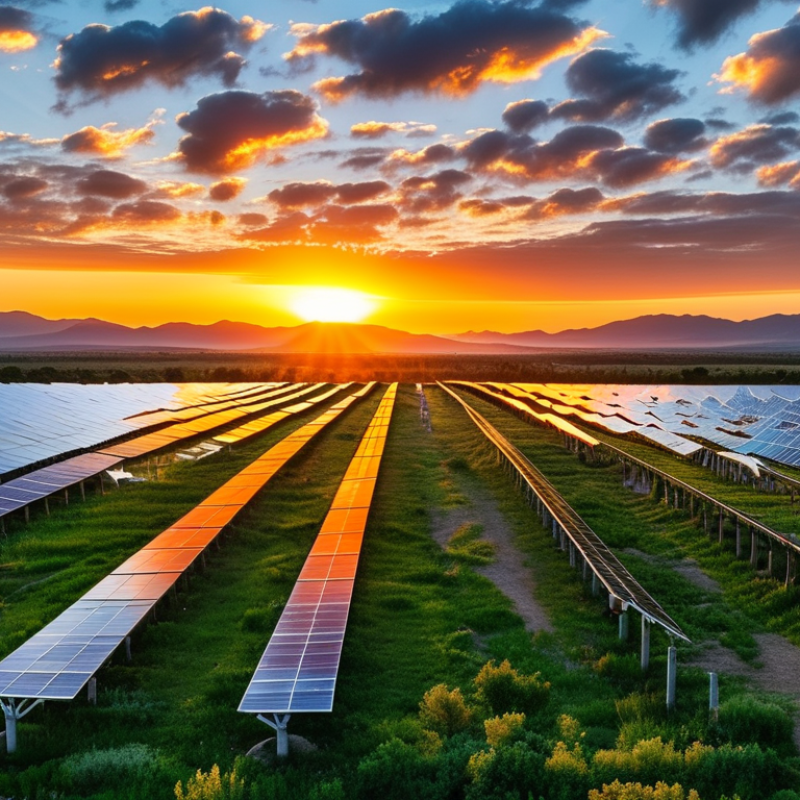
Dual axis solar tracking systems dramatically enhance energy capture by adjusting to the sun’s position throughout the day. Unlike fixed solar setups, these systems tilt and orient solar panels to maximize sunlight exposure. This adaptability can increase energy efficiency by up to 40%. The ability to track the sun’s movement allows for better performance, especially in regions with varying sunlight angles.
Regular maintenance is crucial for optimal performance. Ensure the tracking system is free from debris and functioning properly. A small investment in routine checks can yield significant improvements in energy output. Awareness of local weather conditions is also vital. Heavy winds or storms can affect the stability and positioning of these systems.
Consider the initial costs of installation. They can be higher than fixed systems, but the long-term energy savings can be significant. Understanding the balance between upfront investment and future returns is essential. It’s worth reflecting on your energy needs and the practicality of installing a dual axis system. Each installation site varies, and what works for one may not suit another.
A dual axis solar tracking system significantly enhances solar energy output. Systems like these can increase efficiency by up to 40%, according to various industry reports. Traditional fixed solar panels only capture sunlight at a limited angle. However, a dual axis tracker follows the sun throughout the day and year, optimizing energy capture. This technology allows for real-time adjustments, maximizing exposure to sunlight.
In regions with varying sun angles, these systems show remarkable benefits. Data from the National Renewable Energy Laboratory indicates that dual axis trackers can produce 25% to 30% more energy than single axis trackers. This results in greater energy yield, providing a strong return on investment. While initial costs may be higher, the potential for increased output could justify the expense in the long run.
Despite notable advantages, there are challenges. Maintenance requirements may be higher due to more moving parts. Also, efficiency gains are affected by local weather conditions. In areas with frequent cloud cover, benefits may be diminished. Therefore, careful evaluation of these factors is essential for anyone considering implementation. Each location presents unique challenges and opportunities for solar energy harvesting.
When comparing energy harvesting methods, dual axis and single axis solar tracking systems present distinct advantages and disadvantages. A dual axis system tracks the sun's movement both vertically and horizontally. This capability allows it to capture more sunlight throughout the day, increasing energy production significantly. Studies indicate that dual axis systems can enhance energy collection by up to 40% compared to fixed systems. This efficiency may prove crucial for maximizing investment in solar technology.
However, the complexity of dual axis tracking comes with drawbacks. Installation and maintenance can be more demanding. The added mechanical components can lead to higher failure rates. In contrast, single axis systems are simpler and often easier to manage. They still provide substantial energy gains—typically around 20% more than fixed systems. Yet, they do not offer the same level of efficiency as dual axis systems across all geographic locations and weather conditions.
In real-world applications, the choice often depends on specific site conditions. Roof angles, local weather variability, and available space all influence effectiveness. Some installations may benefit more from the reliability and lower costs of single axis systems. Others may find that dual axis systems justify their higher investment with increased energy yields. Each project requires careful evaluation to find the best fit.
Dual axis solar tracking systems represent a significant advancement in solar technology. Unlike fixed systems, they can adjust their position both vertically and horizontally. This adaptability allows solar panels to follow the sun throughout the day, maximizing energy capture. Research indicates that dual-axis trackers can increase energy output by 25% to 45% compared to fixed systems. This statistic highlights their potential for efficiency.
The technical insights driving this performance are rooted in solar geometry. As the sun moves across the sky, its angle changes significantly. Fixed solar panels miss out on optimal sun exposure during peak hours. A dual-axis system, on the other hand, keeps the panels aligned with direct sunlight at all times. A study from the National Renewable Energy Laboratory shows that these trackers can maintain a perfect angle, enhancing photovoltaic efficiency up to 30%.
Despite these advantages, dual-axis systems come with challenges. They are generally more complex and require advanced control systems to operate effectively. Maintenance can also be a concern due to their moving parts. Regular checks are necessary to ensure optimal performance and avoid unexpected downtimes. Balancing these pros and cons is essential for anyone considering this technology.
| Feature | Description | Efficiency Gain (%) | Peak Power Output (kW) |
|---|---|---|---|
| Static Mounting | Fixed solar panels that do not move with the sun. | 0% | 5 |
| Single Axis Tracker | Tracks the sun's movement from east to west. | 25% | 6.25 |
| Dual Axis Tracker | Tracks the sun in both horizontal and vertical planes. | 40% | 7 |
| Energy Yield | Higher energy production throughout the day. | Varies by location | N/A |
| Maintenance | Requires regular checks and mechanical maintenance. | N/A | N/A |
Dual axis solar tracking systems significantly enhance solar energy efficiency. These systems adjust both horizontally and vertically to follow the sun's movement. According to a report by the National Renewable Energy Laboratory, they can increase energy capture by 30% to 45% compared to fixed solar panels. This gain maximizes output and accelerates return on investment.
In real-world applications, several projects show the success of dual axis systems. For instance, a facility in Southern California reported a 40% increase in energy production after installing dual axis trackers. Another project in Spain noted similar results, with energy yield exceeding forecasts by 25%. These case studies emphasize that while initial costs may be higher, the benefits often justify the investment.
**Tip:** Consider local weather patterns when planning solar installations. Areas with consistent sunlight benefit most from dual axis systems.
Balancing advantages with potential drawbacks is essential. Maintenance can be challenging due to moving parts. Cost fluctuations in components may affect budgeting. Operators need to evaluate whether the complexity of dual axis systems aligns with their energy goals.
**Tip:** Regular system checks can extend the lifespan and efficiency of dual axis trackers. Ensure there’s a plan for upkeep.
: It adjusts solar panels to follow the sun's movement, maximizing sunlight exposure.
They can increase energy efficiency by up to 40% compared to fixed systems.
Regular checks prevent debris build-up and ensure optimal performance, improving energy output.
Yes, initial costs are higher, but long-term savings can be significant.
They are complex and may have higher failure rates, requiring more maintenance.
Single axis systems are simpler but offer less efficiency, about 20% more than fixed systems.
Roof angles, local weather, and available space significantly influence the best option to choose.
Yes, their increased energy yields may offset the higher installation costs over time.
Consider your energy needs and practicality of installation at your specific site.
Yes, heavy winds and storms can impact stability and positioning of tracking systems.
The "Dual Axis Solar Tracking System" offers significant advantages over fixed solar systems, primarily by optimizing solar energy capture. By adjusting both the horizontal and vertical angles of solar panels, these systems maximize exposure to sunlight throughout the day and across different seasons, significantly enhancing energy output and efficiency rates.
Research highlights that dual axis tracking systems outperform single axis trackers in energy harvesting, providing a more comprehensive solar collection solution. Technical insights reveal that these trackers improve solar panel performance by allowing them to maintain the optimal angle relative to the sun, thereby decreasing energy losses. Case studies demonstrate successful real-world applications, showcasing the dual axis system's effectiveness and its growing adoption in various solar energy projects. Overall, the dual axis solar tracking system represents a cutting-edge approach to maximizing solar energy efficiency.