How to Choose a Solar Tracker Manufacturer?

Time:2026-10-26 Author:Mason
0%

Choosing a solar tracker manufacturer is no longer a simple price comparison. Utility-scale projects now demand reliable motion, accurate controls, and disciplined long-term service. The IEA’s Renewables 2024 report expects solar PV to provide nearly 80% of global renewable capacity expansion through 2030. That growth increases pressure on every tracker supplier.

Field experience shows that small design details can affect large energy yields. A tracker row may span hundreds of meters across uneven ground. Its motors must move quietly through dust, wind, heat, and occasional flooding. NREL’s PV Performance Modeling Collaborative notes that terrain, backtracking, shading, and system geometry strongly influence tracker performance. Therefore, buyers should examine engineering evidence, not only advertised efficiency.

Look beyond the brochure.

A credible Solar Tracker Manufacturing partner should provide independently tested load data, corrosion protection details, installation procedures, and realistic availability guarantees. Ask for project references in climates similar to yours. Review failure records, spare-parts locations, software update policies, and response times. TÜV Rheinland and IEC-related testing can also help verify product safety and performance claims, although certification alone cannot prove dependable field service.

The uncomfortable truth is that the lowest initial price may produce the highest lifetime cost. A spreadsheet can look convincing while ignoring difficult maintenance access, replacement logistics, or weak local support. Buyers should compare total cost of ownership across twenty-five years. They should also challenge energy-yield assumptions with an independent model. No manufacturer is perfect. The strongest choice is usually the supplier that explains its limitations clearly, documents its experience, and improves its design after real operating feedback.
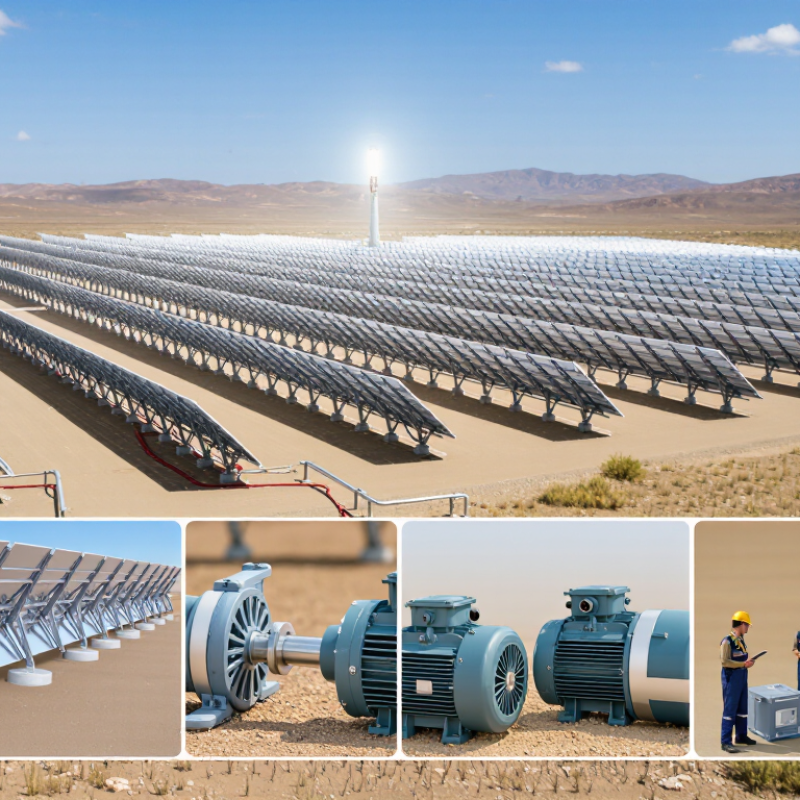
How to Choose a Solar Tracker Manufacturer?

What Is a Solar Tracker and Why Does the Manufacturer Matter?

A solar tracker is a mechanical system that follows the sun across the sky. Most utility-scale models rotate panels on a single axis. This increases daily energy capture compared with fixed structures. Motors, controllers, sensors, and drive components work together in harsh outdoor conditions. Wind stow settings and backtracking are also important. They reduce shading and protect rows during strong winds.

The manufacturer matters because tracker performance depends on more than movement. Experienced manufacturers should provide verified load calculations, clear installation guidance, and tested control systems. They should explain performance assumptions instead of promising perfect output. A reliable warranty, spare-parts plan, and responsive technical support can reduce costly downtime. Site conditions matter too. Uneven terrain, dust, snow, and limited maintenance access may expose weak designs. Small errors matter. Even experienced teams can underestimate installation time or drainage needs.

Tips: Ask for independent test data, structural certifications, and project references in similar climates. Check the controller’s communication options and emergency procedures. Review maintenance intervals, replacement-part availability, and warranty exclusions carefully. Do not judge a tracker by its purchase price alone. A cheaper system may create higher labor costs later. I would also request a detailed energy model using your actual terrain and weather data. It may reveal that a simpler design fits better. That is worth questioning.

Which Solar Tracker Specifications Match Your Project Requirements?

Choosing a solar tracker manufacturer starts with your project’s actual operating conditions, not a glossy product sheet. NREL data indicates that single-axis tracking can deliver roughly 15–25% more annual energy than fixed-tilt systems, depending on location and design. Your site matters more than the headline.

Match the tracker to module dimensions, row spacing, terrain slope, and wind exposure. For bifacial modules, ask for validated rear-side gain assumptions and local albedo measurements. Berkeley Lab’s Utility-Scale Solar report shows that tracking is now widely used in large photovoltaic projects, but adoption does not guarantee suitability. Check the rotation range, backtracking logic, stow speed, torque-tube strength, and pile tolerance. A 30-year design life is useful only when corrosion protection and replacement access are practical.

Wind loading deserves careful attention. Request calculations based on the project’s actual wind zone, not a generic test site. IEC 62817 testing can support mechanical reliability claims, while independent fatigue and accelerated-corrosion results add confidence. Wood Mackenzie’s 2024 global tracker analysis reported more than 90 GW of tracker shipments in 2023, showing strong market scale. Scale alone is not proof of quality.

Ask how the control system performs during communications loss. Ask how technicians replace motors in muddy conditions. A neat spreadsheet can miss real maintenance problems. I would also compare energy yield simulations with conservative assumptions, because software can look precise while local terrain remains uncertain. Truth is less comfortable. That is often useful.

How to Evaluate a Manufacturer’s Technology, Quality, and Certifications

A solar tracker manufacturer should prove performance, not merely present attractive simulations. The IEA PVPS Trends 2024 report recorded 456 GW of new photovoltaic capacity worldwide in 2023. This scale increases pressure on tracker reliability and service response. Ask for independently validated energy models, motor-life data, wind-load testing, and documented backtracking performance. Technology must fit the site, including slope, soil, temperature, and row spacing. A tracker can produce higher yields, but poor assumptions may erase the benefit.

Quality evidence should include factory inspection records, corrosion testing, fatigue testing, and traceable component suppliers. Request compliance with IEC 62817 for photovoltaic tracking systems. For relevant markets, verify applicable electrical and structural certifications. ISO 9001 supports quality processes, but it does not guarantee a durable product. Check the certificate scope, issuing body, expiry date, and audited manufacturing location. NREL’s Best Practices for Operation and Maintenance of Photovoltaic Systems stresses preventive maintenance and clear spare-parts planning. That detail matters after installation. A perfect brochure cannot replace field evidence.

Tips: Visit an operating project, if possible. Ask for three years of availability data. Compare planned and actual maintenance costs. Review warranty exclusions carefully. Interview the service team, not only sales staff. I would also request failure statistics by component. They may be incomplete, but missing data deserves attention. A manufacturer with strong technology may still need better documentation. That is worth discussing before signing.

How to Compare Manufacturing Capacity, Customization, and Delivery

How to Choose a Solar Tracker Manufacturer?

The right manufacturer must prove capacity, not merely advertise it. The IEA PVPS Trends in Photovoltaic Applications 2024 reported 456 GW of new solar capacity in 2023. That scale increases pressure on tracker supply chains. Ask for monthly output, active production lines, steel-processing capacity, and verified backlog. Request recent factory acceptance records. A credible supplier should explain bottlenecks openly. A polished factory tour can still mislead.

Customization requires technical evidence. Compare foundation options, terrain tolerance, wind-stow logic, motor specifications, and communication protocols. NREL utility-scale PV research often places single-axis tracking gains around 15–25%, depending on site conditions. However, poor terrain modeling can erase those gains. Require layout simulations, structural calculations, and climate-specific test data. Check whether engineering changes follow documented revision procedures. Small changes can create large installation problems.

Delivery should be measured from purchase order to commissioned shipment. Request a milestone schedule covering drawings, prototypes, inspections, packing, and transport. Review historical on-time delivery, not only promised lead times. Independent inspections can verify coating thickness, weld quality, torque settings, and component traceability. Also examine spare-parts availability near the project site. The cheapest offer may become expensive when one missing actuator delays a construction crew. No capacity figure is perfect. Forecasts change, and suppliers sometimes overpromise. A careful comparison must leave room for that uncomfortable possibility.

How to Assess Service Support, Warranty Terms, and Total Cost

When choosing a solar tracker manufacturer, service support deserves the same attention as mechanical design. The IEA PVPS Trends 2024 report recorded about 456 GW of new global photovoltaic capacity in 2023. More installed trackers mean more field issues, spare-part demand, and service pressure.

Ask how quickly technicians respond after a motor fault. Request written targets for remote diagnosis, site visits, and replacement delivery. A useful support plan should include local training, diagnostic software, stocked critical parts, and clear escalation contacts. “24/7 support” sounds impressive, but it means little without response-time records. Speak with operating project owners, not only sales teams.

Warranty language needs careful reading. Check coverage periods, corrosion exclusions, wind-load conditions, labor costs, and transport responsibilities. Confirm whether firmware, controllers, actuators, and structural components receive separate terms. NREL’s Annual Technology Baseline commonly places fixed utility-scale PV operating costs near 20 dollars per kilowatt-year, before unusual failures and major replacements. A cheaper tracker can therefore become expensive through repeated downtime.

Calculate total cost across the project life. Include purchase price, installation labor, commissioning, inspections, software access, spare inventory, technician travel, and lost generation. I would also test the manufacturer’s energy-yield assumptions against conservative weather data. Models can look precise while hiding optimistic availability. That is where my own judgment remains imperfect: a detailed spreadsheet cannot fully price delayed support during a storm. Examine service history, warranty claims, and documented availability results before signing.

How to Choose a Solar Tracker Manufacturer? - How to Assess Service Support, Warranty Terms, and Total Cost

Assessment Dimension Practical Benchmark Evidence to Request Impact on Total Cost of Ownership Suggested Weight
Technical Availability Target a tracker availability of at least 98% under normal operating conditions, excluding grid curtailment and force majeure events. Availability definition, historical project data, alarm logs, and exclusions in the service-level agreement. Higher availability can increase energy yield and reduce revenue loss caused by extended equipment downtime. 15%
Remote Monitoring Cloud monitoring should provide tracker position, motor status, power supply status, communication status, alarms, and historical data. Live software demonstration, user access terms, data-export capability, cybersecurity controls, and annual software fees. Early fault detection can reduce truck rolls, troubleshooting time, and lost production. 10%
Technical Support Response For critical failures, a first technical response within 4–24 hours is a reasonable procurement target. On-site response commonly ranges from 24–72 hours depending on location. Support-hour schedule, escalation process, local service coverage, contact list, and contractual response-time commitments. Slow response may increase downtime, emergency labor costs, and replacement-part shipping expenses. 15%
Spare-Parts Availability Critical replacement parts should be locally stocked or dispatchable within 24–72 hours. Long-term parts support of 10 years or more is preferable. Recommended spare-parts list, warehouse locations, lead times, minimum stock levels, and end-of-life policy. Local inventory reduces freight costs and the duration of production interruptions. 10%
Product Warranty Tracker drive and control components commonly carry warranties of approximately 5–10 years. Structural warranties may be longer, depending on the contract. Complete warranty certificate, covered components, labor and freight terms, exclusions, claim procedure, and transferability. A longer or more comprehensive warranty can reduce unplanned repair expenditure, but may carry a higher initial price. 15%
Warranty Conditions Check whether warranty validity depends on approved installation, commissioning, preventive maintenance, software subscriptions, or the use of authorized parts. Warranty exclusions, maintenance checklist, inspection requirements, training records, and definition of improper operation. Restrictive conditions can transfer repair costs to the project owner and reduce the practical value of the warranty. 10%
Installation and Commissioning The scope should clearly identify engineering support, site supervision, commissioning tests, operator training, and handover documentation. Responsibility matrix, installation method statement, commissioning checklist, training plan, and acceptance criteria. Clear scope allocation helps prevent change orders, rework, schedule delays, and commissioning disputes. 10%
Preventive Maintenance Review recommended inspection frequency, lubrication requirements, firmware updates, fastener checks, and sensor calibration procedures. Maintenance manual, annual service estimate, required tools, labor assumptions, and maintenance records from comparable installations. Maintenance labor, consumables, access equipment, and travel can materially affect operating expenditure. 10%
Energy Yield and Backtracking Evaluate site-specific energy modeling rather than relying only on a generic yield percentage. Backtracking performance should reflect row spacing, terrain, and shading conditions. Independent production model, assumptions, terrain survey, shading analysis, operating envelope, and performance-test methodology. Small differences in annual energy yield may outweigh modest differences in equipment purchase price. 10%
Total Cost of Ownership Compare purchase price, freight, civil works, installation, commissioning, software, maintenance, spare parts, warranty extensions, financing effects, and end-of-life removal. A 20–30 year cash-flow model with consistent assumptions, sensitivity analysis, and clearly separated one-time and recurring costs. The lowest equipment price is not necessarily the lowest lifecycle cost when downtime, service, and replacement risks are included. 15%
Recommended Evaluation Method 100%
Score each dimension from 1 to 5, multiply the score by the suggested weight, and compare the weighted result with the lifecycle cost model. Select the manufacturer offering the strongest combination of documented service capability, enforceable warranty protection, verified energy performance, and transparent long-term cost—not simply the lowest initial quotation.

Note: The benchmark ranges are general procurement reference points. Final requirements should be adjusted for project size, climate, terrain, local labor availability, grid conditions, and applicable contract standards.

FAQS

How can I verify a solar tracker manufacturer’s technical claims?

Request independently checked energy models, motor-life data, wind testing, and backtracking results. Compare simulations with operating project data. Attractive charts are not enough.

Which site conditions should the tracker design address?

Review slope, soil strength, temperature, wind exposure, row spacing, and maintenance access. A design for flat ground may fail on uneven terrain. Site fit matters.

What quality records should I request?

Ask for factory inspection reports, corrosion tests, fatigue tests, and traceable component suppliers. Visit the manufacturing site if possible. Missing records deserve questions.

Which certifications are useful when evaluating a tracker?

Check compliance with the relevant tracking-system standard and local electrical or structural rules. Review the certificate scope, expiry date, issuing body, and audited location. An ISO quality certificate supports processes, but it does not prove long-term durability.

How should I assess service support after installation?

Request written targets for remote diagnosis, site visits, and replacement delivery. Confirm local training, diagnostic tools, spare parts, and escalation contacts. “Round-the-clock support” means little without response records.

What should I examine in the warranty terms?

Check coverage periods, corrosion exclusions, wind conditions, labor costs, and transport duties. Confirm separate terms for controllers, actuators, firmware, and structural parts. Read the exclusions twice.

How can I calculate the tracker’s total project cost?

Include purchase, installation, commissioning, inspections, software access, spare inventory, travel, and lost generation. Compare planned maintenance costs with actual records from operating sites. A lower purchase price may hide higher downtime costs.

What field evidence should I request before signing?

Ask for three years of availability data, component failure statistics, warranty claims, and maintenance history. Speak with project owners and service technicians, not only sales staff. Data may be incomplete, but that weakness is useful to discuss.

Conclusion

Choosing the right solar tracker manufacturer is essential for achieving reliable energy output, efficient installation, and long-term project value. A solar tracker adjusts panel positioning to follow the sun, so its design, control system, structural strength, and environmental adaptability must match the project’s location, terrain, climate, panel type, and energy goals. During supplier evaluation, review tracking accuracy, wind and snow resistance, corrosion protection, drive performance, monitoring functions, safety features, testing procedures, and relevant certifications.

A capable Solar Tracker Manufacturing partner should also demonstrate stable production capacity, consistent quality control, practical customization options, and dependable delivery schedules. Beyond the equipment itself, compare engineering support, installation guidance, spare-parts availability, maintenance response, warranty coverage, and clearly defined service responsibilities. The best decision should consider total cost rather than purchase price alone, including transportation, installation, operation, maintenance, replacement risks, and expected energy gains. A thorough comparison helps ensure that the selected manufacturer can support the project from initial design through long-term operation.


Mason

Mason

Mason is a seasoned marketing professional with a deep expertise in the company's offerings and a passion for driving brand awareness. With a strong background in digital marketing strategies, he has an innate ability to connect with diverse audiences and effectively communicate product benefits.......