China Best Solar Tracking And Mounting Systems Price?

Time:2026-09-16 Author:Mason
0%

China’s solar manufacturing scale has changed how buyers evaluate tracking and mounting equipment. The question is no longer simply, “What is the lowest quotation?” It is about performance, engineering quality, delivery reliability, and long-term operating cost. The right Price Solar Tracking And Mounting Systems depends on system design, project location, terrain, steel prices, tracker type, and installation conditions.

The market is expanding quickly. The IEA PVPS Trends 2024 report recorded more than 400 GW of new global photovoltaic capacity in 2023. China accounted for a substantial share of that growth. IRENA’s Renewable Capacity Statistics 2024 also reported about 346 GW of new solar capacity worldwide. These figures show strong demand for cost-effective mounting technologies. They also reveal a problem. A factory price cannot represent the complete project value.

A useful comparison should include galvanized steel quality, wind-load testing, corrosion protection, controller reliability, spare parts, and warranty support. NREL’s solar cost benchmark research consistently shows that hardware is only one part of total installed cost. Labor, logistics, civil works, and maintenance can change the final budget significantly. A low quotation may look attractive. It may hide installation complexity.

Real project details matter. A flat desert site may suit single-axis trackers, while uneven land may require stronger foundations or fixed structures. Buyers should request drawings, bill-of-materials lists, test certificates, and recent project references. Chinese suppliers can offer competitive prices, but “best” requires evidence, not confident marketing. This review examines pricing ranges, technical differences, supplier qualifications, and the practical risks behind each quotation. Some assumptions will still need checking. That is exactly why careful comparison matters.
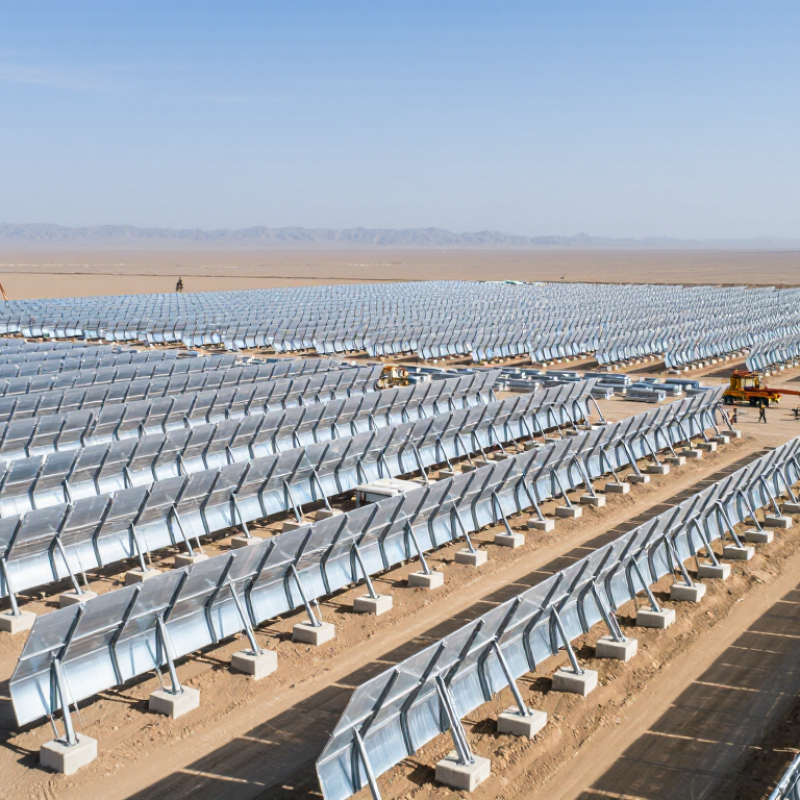
China Best Solar Tracking And Mounting Systems Price?

Solar Tracking and Mounting Systems: Basic Definitions and Functions

Solar tracking and mounting systems serve different, connected purposes in a photovoltaic project. A mounting system fixes solar modules to a roof, ground frame, or engineered foundation. It controls tilt, spacing, cable paths, and load transfer.

A tracking system adds controlled movement. Single-axis trackers rotate modules across the day, while dual-axis designs follow both daily and seasonal sun angles. It moves slowly. Motors, sensors, controllers, bearings, and structural rails work together. Proper tracking can increase energy production, but output depends on weather, latitude, terrain, and maintenance quality.

Price depends on more than steel and motors. Engineers normally examine soil strength, wind exposure, snow conditions, corrosion risk, access roads, and module layout. During project inspections, loose fasteners and poorly protected cables often create avoidable maintenance work. That choice matters. A lower initial price may hide foundation changes, replacement parts, monitoring equipment, or difficult installation conditions. Fixed mounting can be more practical on compact sites or steep land. Tracking may suit open ground with reliable maintenance access. Energy estimates should use local weather data rather than optimistic assumptions. I would also question any quotation that promises the same production increase everywhere. Real sites are uneven, and shading can reduce expected gains. A qualified design review, clear material specifications, and documented load calculations make price comparisons more reliable.

How Solar Tracking and Mounting Systems Work

China Best Solar Tracking And Mounting Systems Price?

Solar tracking and mounting systems work as one mechanical platform. Fixed structures hold modules at a calculated tilt. Trackers rotate them toward the sun during the day. A single-axis tracker usually follows the east-west path. It uses motors, torque tubes, controllers, and position sensors. The goal is simple: increase sunlight captured by each module.

NREL’s 2024 Annual Technology Baseline commonly models single-axis tracking with about 15–25% higher annual energy than fixed-tilt systems, depending on location and design.

IEA PVPS Trends 2024 also reports the growing use of trackers with large ground-mounted solar plants. More energy does not always mean lower costs. Foundations, drive units, cables, land grading, and maintenance add to the system price. Wind matters greatly. Trackers may enter a safer stow position during strong gusts.

Mounting design begins with soil testing, row spacing, drainage, and local wind conditions. Steel piles must resist uplift and corrosion. Module gaps need enough clearance for rear-side irradiance and cleaning access. Bifacial modules can benefit from reflective ground surfaces, though the gain varies. Real sites are rarely perfect. Dust, uneven terrain, shading, and failed sensors can reduce output.

A practical price comparison should include energy yield, replacement parts, labor, and monitoring. Low purchase prices can hide difficult installation work.

A carefully engineered fixed system may outperform a poorly designed tracker. That is an uncomfortable point. The best choice depends on climate, land value, grid limits, and long-term maintenance capacity.

Key Factors Affecting System Prices in China

China Best Solar Tracking And Mounting Systems Price?

China’s solar hardware prices reflect more than steel and factory scale. IEA PVPS reported 216.9 GW of new solar capacity in China during 2023, creating strong manufacturing competition and shorter production runs. However, a low quotation may exclude engineering, testing, spare parts, or inland transport. That is the dangerous gap.

Material selection matters. Galvanized steel, aluminum, motors, bearings, and fasteners respond differently to corrosion and supply changes. IRENA reported a global utility-scale solar PV installation cost of about USD 758 per kilowatt in 2023. Tracking and mounting equipment is only one portion, yet its design affects labor, cable routing, foundation work, and maintenance access. Fixed-tilt structures usually cost less. Single-axis trackers may improve yield, but wind loads and control systems raise project costs.

Location changes everything. Rocky soil can require drilling instead of driven piles. High snow zones need stronger beams and deeper foundations. Coastal sites demand stricter corrosion protection. System price should therefore include load calculations, installation drawings, factory inspection, shipping, commissioning, and a realistic operations plan. Field procurement reviews often find that warranty conditions are vague. That needs correction. A dependable comparison uses the same design loads, delivery terms, steel thickness, testing scope, and expected service life. NREL’s utility-scale benchmark studies also show that balance-of-system costs remain sensitive to labor, logistics, and site conditions. The cheapest spreadsheet is not always the cheapest project.

China Best Solar Tracking And Mounting Systems Price? - Key Factors Affecting System Prices in China
System or Cost Factor Typical Configuration or Scope Indicative Price Range in China Price Unit Primary Factors Affecting Price Practical Purchasing Notes
Fixed-Tilt Ground-Mounting System Galvanized steel or aluminum structure for utility-scale photovoltaic modules US$0.06–0.14 per watt Steel or aluminum content, foundation method, terrain, wind and snow loads, order volume Usually the lowest-cost mounting option because it has fewer moving parts and lower installation requirements.
Single-Axis Solar Tracker Horizontal single-axis tracker with drive unit, torque tube, controller and row-level tracking US$0.12–0.24 per watt Tracker length, module layout, motor and gearbox specifications, terrain adaptation, control system Can increase energy yield in suitable locations, but requires additional structural, electrical and commissioning work.
Dual-Axis Solar Tracker Two-axis tracking structure designed for higher-angle solar positioning US$0.25–0.55 per watt Number of modules per unit, actuator type, wind protection, control accuracy and foundation design Generally used for specialized or space-constrained projects rather than large, low-cost utility-scale plants.
Rooftop Rail Mounting System Aluminum rails, clamps, brackets and roof attachments for residential or commercial roofs US$0.08–0.20 per watt Roof type, waterproofing method, attachment spacing, rail length and local wind requirements Tile, metal and concrete roofs require different attachment solutions and may have different labor costs.
Foundation and Civil Works Piles, concrete foundations, ground preparation, drainage and access-related works US$0.03–0.12 per watt Soil conditions, pile depth, rock content, slope, flood risk and construction accessibility This cost is highly site-specific and should be confirmed after a geotechnical and topographical assessment.
Tracker Control and Communication Controllers, sensors, weather monitoring, communication equipment and software integration US$0.01–0.04 per watt Number of tracker rows, monitoring architecture, communication distance and data-integration requirements Remote monitoring and automatic wind-stow functions can improve operational reliability but add system complexity.
Freight and Export Packing Factory packing, inland transportation, port handling and international ocean freight US$0.01–0.08 per watt Shipping destination, container utilization, steel volume, incoterms, fuel rates and port charges Large structural components may have a lower product price but higher freight costs because of volume and weight.
Installation and Commissioning Mechanical assembly, electrical connection, alignment, testing and tracker calibration US$0.03–0.12 per watt Local labor rates, project scale, terrain, construction schedule, equipment access and safety requirements Tracker systems typically require more commissioning and alignment work than fixed-tilt structures.
Wind and Snow Load Design Engineering adjustments for regional wind speed, snow weight, seismic conditions and corrosion exposure US$0.01–0.06 per watt Design standard, local climate, coastal exposure, module dimensions and row spacing Higher design loads normally require stronger steel sections, more foundations or reduced structural spans.
Material Selection Hot-dip galvanized steel, pre-galvanized steel, anodized aluminum or mixed-material construction US$0.01–0.10 per watt premium Raw material prices, coating thickness, corrosion class, structural weight and service-life requirements Aluminum can reduce weight and improve corrosion resistance, while galvanized steel is often more economical for utility projects.
Project Size and Order Volume Small rooftop order, commercial project or utility-scale procurement 5%–20% potential price difference Production efficiency, tooling, packaging, quality inspection, payment terms and forecast certainty Larger, standardized orders commonly receive better unit pricing, although customized engineering may reduce the discount.
Indicative Complete System Budget Mounting equipment, typical structural accessories, basic freight and installation allowance; excluding modules, inverters, land and grid connection US$0.15–0.40 per watt System type, site conditions, component quality, project location and scope of supply Use this range for early budgeting only. A firm quotation requires drawings, bill of materials, site data and delivery terms.
Pricing basis: The figures are indicative planning ranges for projects sourced from China and are shown in U.S. dollars. Actual quotations may change with steel and aluminum prices, exchange rates, shipping costs, applicable taxes, certification requirements, project scale and the agreed Incoterm. Prices exclude solar modules, inverters, batteries, land acquisition and grid-interconnection costs unless specifically stated.

Comparing Chinese Solar Tracker and Mounting System Options

China Best Solar Tracking And Mounting Systems Price?

Comparing Chinese solar tracker and mounting system options requires more than checking the lowest quotation. Fixed-tilt mounting usually costs less, often around $0.04–$0.10 per watt. Single-axis trackers may range from $0.08–$0.18 per watt, depending on steel, motors, controls, and delivery terms. These are indicative 2024–2025 market ranges, not guaranteed offers.

Performance changes the calculation. The NREL Annual Technology Baseline indicates that single-axis tracking can produce substantially more annual energy than fixed-tilt arrays. The actual gain depends on latitude, land shape, shading, and backtracking settings. More energy, but more moving parts. That matters.

The IEA PVPS Trends 2024 report recorded more than 400 GW of new photovoltaic capacity worldwide in 2023, with China contributing over half of that growth. Scale supports competitive component pricing, especially for galvanized steel, aluminum, and electronic controls. However, low factory pricing may exclude testing, spare motors, installation tools, or corrosion protection. IRENA’s Renewable Power Generation Costs in 2023 reported utility-scale solar LCOE near $0.044 per kWh globally. Buyers should compare energy yield, warranty terms, wind loads, delivery insurance, and local engineering costs. A cheaper tracker can become expensive after one failed actuator. That risk is easy to underestimate.

China Solar Tracking and Mounting Systems: Indicative Price Comparison

Indicative China-origin equipment prices for 2024–2025, shown as ex-works ranges in US dollars per watt. Final pricing varies with steel grade, project size, wind and snow loads, tracker configuration, logistics, installation, and taxes.

Fixed-tilt systems generally offer the lowest equipment cost, while single-axis trackers cost more because of motors, controllers, torque tubes, and additional structural components. Rooftop systems can be competitive on smaller projects but may require higher engineering and installation costs.

How to Evaluate Suppliers, Quality, and Total Project Costs

China’s best solar tracking and mounting systems are not always the cheapest at quotation stage. The real comparison is delivered energy per installed dollar. IEA PVPS reported about 456 GW of new photovoltaic capacity in 2023, increasing pressure on procurement teams to scale quickly. That scale can hide small engineering differences. Ask each supplier for a bill of materials, Incoterm, packaging cost, freight, duties, installation assumptions, and replacement-part prices. Compare like with like.

Quality should be demonstrated, not promised. Request material certificates, coating thickness, torque records, factory inspection reports, and independent structural calculations for local wind, snow, seismic, and soil conditions. For trackers, check testing aligned with IEC 62817 and verify fail-safe behavior during grid or communication loss. For fixed structures, review drainage, corrosion exposure, pile tolerances, and module-clamp compatibility. One missing document matters.

Total project cost includes civil works, pile refusal, field assembly, commissioning, monitoring, maintenance visits, spare drives, and lost production during faults. IRENA’s Renewable Power Generation Costs in 2023 reported utility-scale solar LCOE near USD 0.044 per kWh, but this is a benchmark, not a China-specific promise. Use a 25-year model covering degradation, downtime, replacement cycles, financing, and local labor. NREL’s 2024 cost benchmark also shows why balance-of-system and soft costs need separate lines. I would request a sensitivity table, because a 5% price saving can disappear after one delayed shipment. No spreadsheet is perfect. Independent inspection remains cheaper than confident assumptions.

FAQS

What factors influence solar tracking and mounting system prices in China?

Steel, aluminum, motors, bearings, fasteners, engineering, testing, and transport all affect the final price. A low quotation may omit important services. That gap matters.

Are fixed-tilt systems cheaper than single-axis trackers?

Fixed-tilt systems usually cost less because they need fewer moving parts and simpler controls. Single-axis trackers may increase energy output. They also require stronger structures, control systems, and maintenance.

How does the project location change system costs?

Rocky soil may require drilling instead of driven piles. High-snow areas need deeper foundations and stronger beams. Coastal sites require better corrosion protection.

What should a supplier quotation include?

Request the bill of materials, delivery terms, packaging, freight, duties, installation assumptions, and spare-part prices. It should also include drawings, testing, commissioning, and warranty conditions. Vague terms create trouble later.

How can buyers check product quality?

Ask for material certificates, coating measurements, torque records, inspection reports, and structural calculations. For trackers, verify safe movement during communication or power loss. Promises are not evidence.

What costs are often missed in the initial price?

Common omissions include civil works, pile refusal, field assembly, commissioning, monitoring, maintenance visits, and replacement drives. Delayed shipments can also reduce production. The spreadsheet may look clean.

How should buyers compare different suppliers fairly?

Use identical wind, snow, seismic, and soil assumptions for every quotation. Compare steel thickness, testing scope, delivery terms, service life, and installation responsibilities. Otherwise, the comparison is misleading.

How should the long-term project cost be evaluated?

Build a 25-year model covering degradation, downtime, replacements, financing, and local labor. Include sensitivity tests for shipping delays, material changes, and maintenance costs. A five-percent saving can disappear quickly.

Is the cheapest quotation usually the best choice?

Not always. A lower price may hide weaker corrosion protection, limited testing, or poor service access. Independent inspection can reveal problems before installation, although assumptions still remain imperfect.

Conclusion

Solar tracking and mounting systems are essential components of modern photovoltaic projects. Mounting systems secure solar panels to rooftops, ground structures, or other surfaces, while tracking systems adjust panel angles to follow the sun and improve energy capture. Their performance depends on mechanical design, control methods, installation conditions, wind and snow resistance, material durability, and maintenance requirements. Understanding these functions helps project owners choose the most suitable solution for different climates and site layouts.

In China, the Price Solar Tracking And Mounting Systems can vary widely according to system type, project scale, materials, automation level, customization, transportation, installation, and after-sales support. Fixed mounting is usually more economical, while single-axis or dual-axis tracking may provide higher energy output with greater equipment and maintenance costs. Buyers should compare suppliers by reviewing engineering capabilities, product testing, quality consistency, warranties, delivery reliability, and total lifecycle expenses rather than focusing only on the initial quotation. A balanced evaluation can help achieve dependable performance and long-term project value.


Mason

Mason

Mason is a seasoned marketing professional with a deep expertise in the company's offerings and a passion for driving brand awareness. With a strong background in digital marketing strategies, he has an innate ability to connect with diverse audiences and effectively communicate product benefits.......