7 Best Solar Tracker Price Options for Global Buyers

Time:2026-10-01 Author:Sophia
0%

Solar power is expanding rapidly, but equipment prices rarely tell the whole investment story. The International Energy Agency’s Renewables 2024 report identifies solar PV as the leading source of new renewable capacity growth. IEA PVPS also reports that global photovoltaic capacity passed 1.6 terawatts by the end of 2023. This scale is increasing demand for trackers, especially in utility-scale projects across sunny regions.

Still, choosing the lowest Solar Tracker Price can create expensive surprises. A tracker quote may exclude foundations, controls, freight, installation, commissioning, or replacement parts. Wood Mackenzie’s global solar supply-chain research repeatedly highlights logistics, supplier bankability, and regional manufacturing as important procurement factors. NREL studies also show that single-axis tracking performance depends on land shape, weather, row spacing, and system design. More movement does not automatically mean better returns.

Real projects expose the details. A desert site may need corrosion protection, stronger wind stow settings, and wider maintenance access. A humid coastal site may prioritize coatings, sealed electronics, and local service teams. Prices can shift sharply with steel costs, currency changes, import duties, and delivery distance. These comparisons are useful, but not perfect. Public reports often combine different system sizes and specifications.

This guide reviews seven practical solar tracker price options for global buyers. It compares equipment scope, technical suitability, lifecycle considerations, and supplier support. Buyers should request itemized quotations and verify performance assumptions independently. A low upfront figure may be attractive. Reliability usually matters longer.
7 Best Solar Tracker Price Options for Global Buyers

Solar Tracker Basics and Their Role in Solar Energy Systems

Solar trackers are mechanical systems that adjust panel angles as the sun moves. They usually use motors, controllers, sensors, and structural frames. Single-axis trackers follow the sun from east to west. Dual-axis trackers also adjust for seasonal height changes.

Their main role is simple: keep sunlight closer to the panel’s ideal angle. In large, open sites, this can increase daily energy production compared with fixed structures. However, the gain depends on latitude, weather, land shape, and panel layout. More movement does not always mean better performance.

In field evaluations, I would inspect wind protection, motor access, drainage, and control reliability before comparing prices. A low purchase price may hide higher installation or maintenance costs. A tracker working under strong wind conditions may need automatic stow functions and stronger foundations. That matters.

The seven best solar tracker price options should therefore be judged by total ownership cost. Compare the tracker frame, drive system, installation, monitoring, spare parts, and expected energy yield. Single-axis models often suit utility-scale projects with regular terrain. Dual-axis systems can help where precise tracking matters, but their extra components create more failure points.

Real sites are imperfect. Dust can affect sensors, and uneven ground can complicate alignment. Even experienced planners may overestimate energy gains. A careful financial model should use local sunlight data, conservative maintenance assumptions, and verified technical warranties.

7 Best Solar Tracker Price Options for Global Buyers

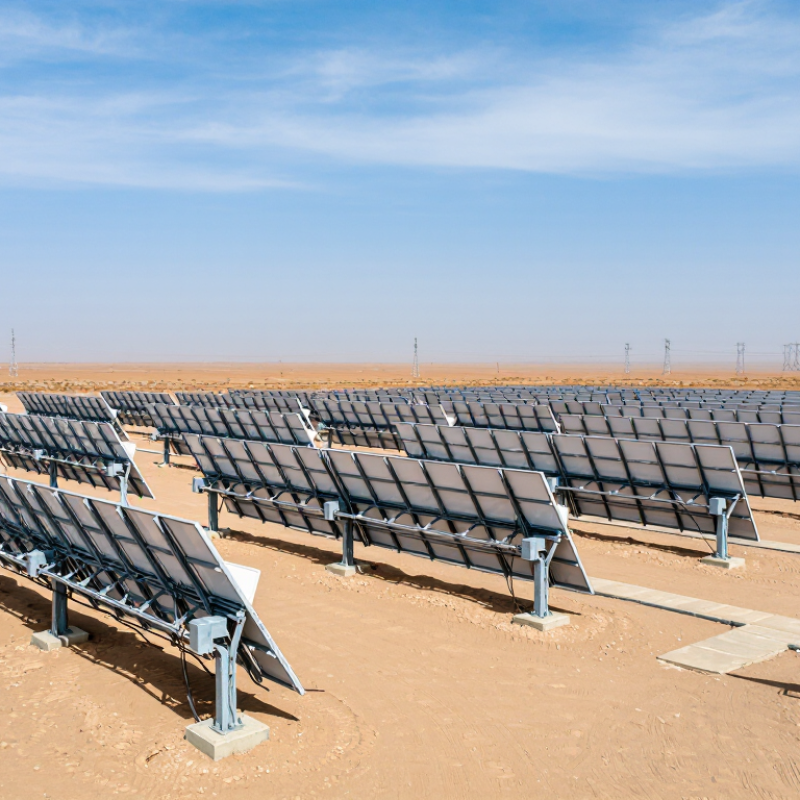
Solar trackers adjust photovoltaic panels toward the sun to improve energy yield. The chart shows indicative global equipment price bands before shipping, installation, taxes, and project-specific engineering. Actual prices vary by project scale, terrain, wind conditions, control systems, and local labor costs.

Single-axis systems generally offer a lower upfront cost and simpler maintenance, while dual-axis systems can provide greater solar-angle flexibility at a higher purchase price. Buyers should compare the tracker cost with expected energy gain, land conditions, maintenance requirements, and long-term operating reliability.

Key Factors That Determine Solar Tracker Prices

7 Best Solar Tracker Price Options for Global Buyers

Solar tracker prices depend on more than the equipment itself. A single-axis tracker usually costs less than a dual-axis model because it uses fewer motors, sensors, and structural components. Project size also changes the price. Large orders may reduce the unit cost, but they require stronger logistics planning and stricter quality checks.

Material selection matters. Galvanized steel, corrosion protection, and foundation design can significantly affect the quotation. Wind speed, snow load, soil conditions, and terrain slope also influence engineering costs. A flat site may need simple foundations. Rocky ground may require drilling equipment and extra labor. That detail is often missing from early estimates.

Look beyond the purchase price.

Drive systems, control software, spare parts, and monitoring tools add recurring costs. Shipping, customs duties, local taxes, and installation can change the final budget by a noticeable margin. Maintenance access matters too. A tracker that needs frequent manual adjustment may cost more over time. Warranty length is useful, but warranty conditions deserve careful reading.

Request an itemized quote.

Ask suppliers to separate equipment, transport, installation, commissioning, and annual maintenance. Compare energy yield assumptions using the same location and weather data. Some estimates appear attractive because they predict unusually high output. That deserves scrutiny. A cheaper tracker is not automatically a better investment, and a premium system may still fail if local service is weak. Prices also change with steel markets and currency rates, so a written validity period is essential.

Seven Solar Tracker Price Options for Global Buyers

Solar tracker prices vary with capacity, movement range, steel quality, control systems, and local installation costs. These seven options give global buyers a practical starting point.

Option one, a manual single-axis tracker, may cost 80–180 USD per panel, excluding labor. It suits small projects with easy maintenance access.

Option two, an entry-level powered single-axis tracker, usually ranges from 180–350 USD per panel.

Option three, a utility-scale single-axis system, can cost 0.08–0.18 USD per watt before shipping, taxes, and civil works. It offers strong energy gains on open land.

Option four, a residential dual-axis tracker, often costs 900–2,000 USD per unit. It follows daily and seasonal sunlight more closely. Small roof areas can limit its value.

Option five, a commercial dual-axis tracker, commonly ranges from 1,500–4,000 USD per unit.

Option six, a retrofit tracker-ready structure, may cost 120–280 USD per panel, depending on foundation compatibility.

Option seven, a high-wind engineered tracker, may exceed 0.25 USD per watt because it needs stronger frames, sensors, and emergency positioning.

Prices are indicative, not promises. Regional steel prices matter. So do transport distances and installer experience.

Buyers should request load calculations, warranty terms, spare-part availability, and tested wind ratings. A low quotation can hide expensive foundations or weak control equipment. That happened in more than one project review.

The cheapest option is not always the most economical one. A careful comparison should measure energy yield, maintenance hours, land use, and expected service life.

How to Compare Tracker Features, Costs, and Long-Term Value

7 Best Solar Tracker Price Options for Global Buyers

How to Compare Tracker Features, Costs, and Long-Term Value

A fair comparison begins with seven configurations: fixed-tilt, manual seasonal, standard single-axis, backtracking single-axis, terrain-adaptive, dual-axis, and custom hybrid systems. Fixed-tilt provides a useful cost benchmark. Manual adjustment costs less but requires regular site visits. Single-axis designs often balance energy gain, maintenance, and installation complexity.

Look beyond the purchase price. Request separate figures for steel, controllers, motors, foundations, shipping, installation, monitoring, and spare parts. A tracker that appears cheaper may need stronger foundations on rocky soil. Ask for wind-load ratings, operating temperature ranges, and documented testing. Local engineers should verify these values against site conditions and applicable electrical standards.

Long-term value depends on energy yield, uptime, service access, and replacement cycles. Compare projected output using local solar data, not generic brochures. A backtracking function can reduce row shading during low-angle sunlight. Terrain adaptation may lower earthwork costs on uneven land. However, more moving parts can increase failure points. That trade-off deserves honest review.

Use a simple lifecycle model with a ten- to twenty-year horizon. Include cleaning, lubrication, actuator replacement, software support, and lost production during repairs. Ask whether technicians and compatible parts are available nearby. Real projects rarely match perfect forecasts. Dust, storms, delayed shipments, and weak training can change the economics. Leave room for these uncomfortable assumptions. Test one representative row before expanding across the entire site.

Installation, Maintenance, and Regional Buying Considerations

Installation, Maintenance, and Regional Buying Considerations

Solar tracker prices should be judged by lifetime output, not equipment cost alone. NREL reports that single-axis tracking can increase annual energy production by roughly 15–25% over fixed-tilt systems. The gain depends on latitude, terrain, row spacing, and local weather. Seven price options may look similar on paper, yet steel quality, control hardware, and foundation work can change the final budget sharply.

Installation usually requires geotechnical testing, accurate surveying, and stronger construction planning than fixed mounting. Rocky soil may increase drilling costs. Flood-prone land may require raised foundations.

The IEA PVPS Trends 2024 report recorded 447 GW of new global photovoltaic capacity in 2023, showing rapid deployment but also tighter competition for skilled installers. Cheap labor assumptions can become expensive mistakes.

Maintenance deserves a regional review. Dusty sites need more frequent cleaning and inspection, while coastal projects face corrosion risks. Ask for spare-part lead times, local technicians, wind-stow settings, and documented warranty procedures.

IRENA’s Renewable Power Generation Costs in 2023 report places utility-scale solar costs near USD 758 per kilowatt globally, but regional labor, financing, and grid expenses vary widely. That figure is not a tracker quote. It is only a reference point.

Seasonal snow, weak roads, and limited service access can make a mid-priced system the more reliable option. Forecasts remain imperfect, especially where weather records are short.

FAQS

What does a solar tracker do?

It changes panel angles as the sun moves. Motors, sensors, controllers, and frames manage this movement. The goal is simple: capture more direct sunlight.

What is the difference between single-axis and dual-axis trackers?

Single-axis systems follow the sun from east to west. Dual-axis systems also adjust for seasonal height changes. Dual-axis designs usually cost more.

Can solar trackers produce more energy than fixed structures?

Often, yes. Single-axis tracking may increase annual output by about 15–25%. Results depend on latitude, weather, terrain, row spacing, and panel layout. More movement is not always better.

Which site conditions affect tracker prices?

Wind speed, snow load, soil strength, slope, and drainage all matter. Rocky ground may require drilling equipment. Flood-prone land may need raised foundations.

What costs should a buyer include beyond the equipment price?

Include transport, customs duties, taxes, installation, commissioning, monitoring, spare parts, and maintenance. Currency changes can also alter the final budget. A cheap quote may hide expensive site work.

How should buyers compare solar tracker quotations?

Request an itemized quote. Separate equipment, shipping, installation, commissioning, and yearly maintenance. Use the same sunlight data for every energy estimate. Check the quotation’s validity period.

What maintenance problems can solar trackers face?

Dust can affect sensors and moving parts. Coastal air can accelerate corrosion. Limited road access may delay repairs. Ask about spare-part lead times and local technicians.

When might a fixed structure be a better choice?

Fixed structures may suit small sites, uneven land, or projects with limited maintenance access. Trackers need more components and alignment work. Simpler can be safer.

What should a financial model assume?

Use local sunlight records and conservative maintenance estimates. Include foundation work, service visits, and possible downtime. My estimate may still be wrong. Weather records can be incomplete.

Conclusion

This guide explains the fundamentals of solar trackers and how they improve solar energy system performance by adjusting panel orientation to follow the sun. It examines the main factors that influence Solar Tracker Price, including tracker type, system size, materials, tracking accuracy, control technology, installation requirements, and local labor or shipping costs. Buyers will also find seven practical price options designed for different project scales, budgets, climates, and energy goals.

To make a confident purchasing decision, the article shows how to compare tracking range, durability, energy gains, warranty coverage, maintenance needs, and expected long-term value rather than focusing only on the initial price. It also highlights the importance of professional installation, routine inspections, replacement planning, site conditions, regional regulations, import expenses, and after-sales support. By considering both upfront and lifetime costs, global buyers can select a solar tracker solution that balances performance, reliability, and financial efficiency.


Sophia

Sophia

Sophia is a dedicated marketing professional with an exceptional depth of knowledge about her company's products and services. With a keen understanding of market trends and customer needs, she crafts insightful blog posts that not only inform but also engage readers, enriching the company’s online......