In the quest for sustainable energy solutions, the Sun Tracking System stands out. This innovative technology optimizes solar energy capture by adjusting panel angles to follow the sun’s path. For global buyers, understanding its benefits is crucial in a market increasingly focused on efficiency.
Investing in a Sun Tracking System can lead to substantial energy yield improvements. These systems have shown the ability to increase power generation by up to 30%. However, the initial investment may deter some buyers. It's important to weigh these costs against long-term savings and environmental impact.
The reliability of Sun Tracking Systems is backed by numerous studies and expert endorsements. Yet, potential maintenance challenges exist, raising the question of whether the trade-offs are worth it. Assessing local sunlight conditions is vital before making a decision. Success in solar projects often hinges on careful planning and consideration of various factors involved.
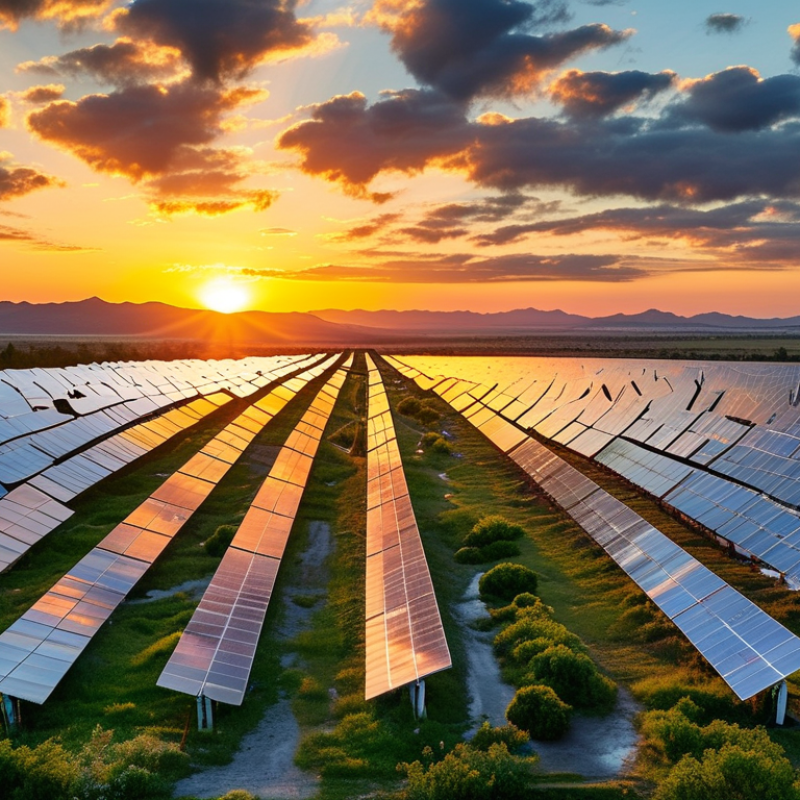
Sun tracking systems significantly enhance the efficiency of solar energy. By following the sun's path throughout the day, these systems can increase energy capture by up to 40%. This means that solar panels generate more electricity when equipped with tracking technology. It’s a smart investment for those focused on maximizing renewable energy output.
However, implementing sun tracking systems also comes with challenges. They require careful installation and maintenance. Not all sites are suitable for these systems due to geographical constraints. Additionally, the initial costs can be higher compared to fixed installations. This can deter some buyers despite the long-term energy gains.
Investors should consider these factors carefully. The potential for increased energy efficiency must be weighed against the complexities involved. Evaluating site conditions and long-term maintenance is essential. Real-life case studies show varied results, underscoring the importance of tailored assessments for each project.
This chart represents the benefits of sun tracking systems for solar energy efficiency. The data indicates the relative impact of each benefit, showcasing how these systems enhance performance and cost-effectiveness in solar energy generation.
Sun tracking systems are gaining popularity for their ability to enhance energy production. By adjusting solar panels' angle throughout the day, these systems optimize absorption of sunlight. This dynamic positioning means panels can capture more energy, even on cloudy days. Studies have shown that such systems can increase energy output by 25% to 40%. For those invested in renewable energy, this technology is a game changer.
The mechanics of sun tracking involve both single and dual-axis systems. Single-axis systems move from east to west, following the sun’s path. Dual-axis systems offer even more precision by adjusting for seasonal changes. However, these systems require more maintenance and initial investment. Users must consider long-term benefits against upfront costs.
Installing sun tracking systems can lead to more consistent energy production. Energy needs often fluctuate throughout different times of the year. By adapting to sunlight variations, these systems support a more reliable energy supply.
For global buyers, understanding local climates is essential. Factors like shade from buildings or trees can affect system efficiency. Evaluating these elements can help in making informed decisions for sustainable energy solutions.
Sun tracking systems have gained popularity due to their significant cost savings and various financial incentives. These systems optimize solar energy capture, leading to lower energy bills for users. By following the sun’s path, they can enhance energy production by up to 40%. This increase makes them a viable option for businesses aiming to cut costs and improve sustainability.
Implementing sun tracking technology may qualify buyers for various government incentives. Many regions offer tax credits and rebates for renewable energy systems. These financial benefits can ease the initial investment burden. However, potential buyers must conduct thorough research. Not every region offers the same incentives, and the savings can depend on local energy prices.
While the advantages are clear, some challenges exist. Sun tracking systems often require more maintenance than fixed solar panels. Additionally, installation can be complex. Buyers should weigh these factors before making a decision. It's crucial to analyze both short-term savings and long-term commitments, ensuring they align with business goals.
Sun tracking systems offer a noteworthy advantage for environmental sustainability. These systems optimize solar energy collection by adjusting to the sun’s position throughout the day. According to the National Renewable Energy Laboratory (NREL), solar trackers can increase energy generation by 20-50% compared to fixed installations. This increase not only boosts efficiency but also contributes to a significant reduction in overall carbon emissions.
Reducing the carbon footprint is crucial in the fight against climate change. A study by the International Energy Agency (IEA) suggests that by utilizing solar tracking technology, we can potentially reduce carbon emissions by up to 60 million tons annually across the globe. This shift forward supports sustainable energy goals while encouraging broader adoption of renewable technologies.
Consider using solar tracking systems for your next project. They can maximize energy production while minimizing environmental impact. Investing in these systems is a step toward promoting greener energy practices, potentially inspiring others in your community. As with any technological solution, it’s crucial to assess local conditions and installation requirements. Proper evaluation will ensure that the investment aligns with your sustainability goals.
| Benefit | Description | Estimated Carbon Reduction (%) | Cost Savings ($) per Year |
|---|---|---|---|
| Improved Efficiency | Sun tracking systems can increase energy capture by following the sun's path throughout the day. | 20-30% | $500 - $1000 |
| Reduced Land Use | Higher energy production per acre allows for smaller land usage compared to fixed systems. | 15-25% | $300 - $700 |
| Less Pollution | The use of solar energy reduces dependence on fossil fuels, resulting in lower emissions. | 10-20% | $200 - $500 |
| Long-term Investment | Investing in sun tracking systems often leads to greater long-term savings and benefits. | Varies | $1000+ |
Sun tracking systems have become increasingly sophisticated, offering a range of technological advancements for modern applications. These systems are designed to follow the sun’s arc throughout the day, optimizing energy absorption. By adjusting the position of solar panels, they can capture up to 40% more sunlight compared to fixed installations. This increased efficiency can enhance energy output for both residential and commercial users significantly.
Recent developments focus on automation and smart technology integration. Modern sun trackers utilize sensors and algorithms to predict the sun's trajectory accurately. This allows for seamless adjustments throughout the day. Some systems even connect to smart home networks, facilitating better energy management. However, as with any technology, reliance on complex systems can lead to challenges. Issues, such as potential mechanical failures or software glitches, can disrupt performance if not closely monitored.
The evolution of sun tracking systems has also brought questions about their actual effectiveness in diverse environments. Some regions may not benefit as much from tracking technology due to weather variances or geographical constraints. It is essential for buyers to assess their specific situations before investing. Understanding both benefits and limitations will lead to more informed decisions in harnessing solar energy.
: A sun tracking system adjusts solar panels' positions to follow the sun's path throughout the day.
These systems can increase energy capture by up to 40%, maximizing electricity generation.
They require careful installation, ongoing maintenance, and may face geographical constraints.
Single-axis systems move from east to west, while dual-axis systems adjust for seasonal changes.
Buyers should evaluate site conditions, installation complexity, and long-term maintenance needs.
Yes, they can lead to lower energy bills and may qualify for government incentives and rebates.
Yes, they optimize sunlight absorption, enhancing energy output even in less favorable conditions.
Local climate, shading from trees or buildings, and installation site must all be considered.
Not all regions offer the same financial incentives, and savings vary with local energy prices.
They may require more maintenance and have higher initial costs compared to fixed solar panels.
Sun Tracking Systems offer numerous advantages that enhance solar energy efficiency and sustainability for global buyers. By dynamically adjusting to the sun's position throughout the day, these systems significantly improve energy output, maximizing the amount of solar energy harvested. This increased efficiency translates into cost savings and financial incentives, making solar investment more attractive to consumers and businesses alike.
Moreover, Sun Tracking Systems contribute positively to environmental sustainability by reducing carbon footprints. As technology continues to advance, these systems are becoming increasingly sophisticated, allowing for greater integration and optimization in modern energy solutions. Overall, the implementation of Sun Tracking Systems not only benefits users economically but also supports long-term ecological goals.