The renewable energy sector is constantly evolving, with innovations that enhance efficiency and sustainability. One such advancement is the Single Axis Solar Tracking System. This technology allows solar panels to follow the sun's trajectory, maximizing energy capture throughout the day. According to Dr. Emily Turner, a leading expert in solar energy systems, "Single Axis Solar Tracking Systems can increase energy output by up to 30% compared to fixed installations." This statistic emphasizes the potential these systems have in optimizing solar energy production.
As the world shifts towards cleaner energy, understanding the benefits of these systems becomes crucial. The Single Axis Solar Tracking System not only improves energy yield but also contributes to reducing overall costs. Yet, potential users must consider installation complexities and ongoing maintenance rates. The technology shows promise, yet it necessitates careful planning and investment.
What do we risk by overlooking advancements like the Single Axis Solar Tracking System? Energy demands continue to rise, and embracing new technologies could be pivotal. While the benefits are clear, integrating this system effectively requires a commitment to education and adaptation. By acknowledging the challenges and pursuing solutions, we open doors to cleaner, more efficient energy for the future.
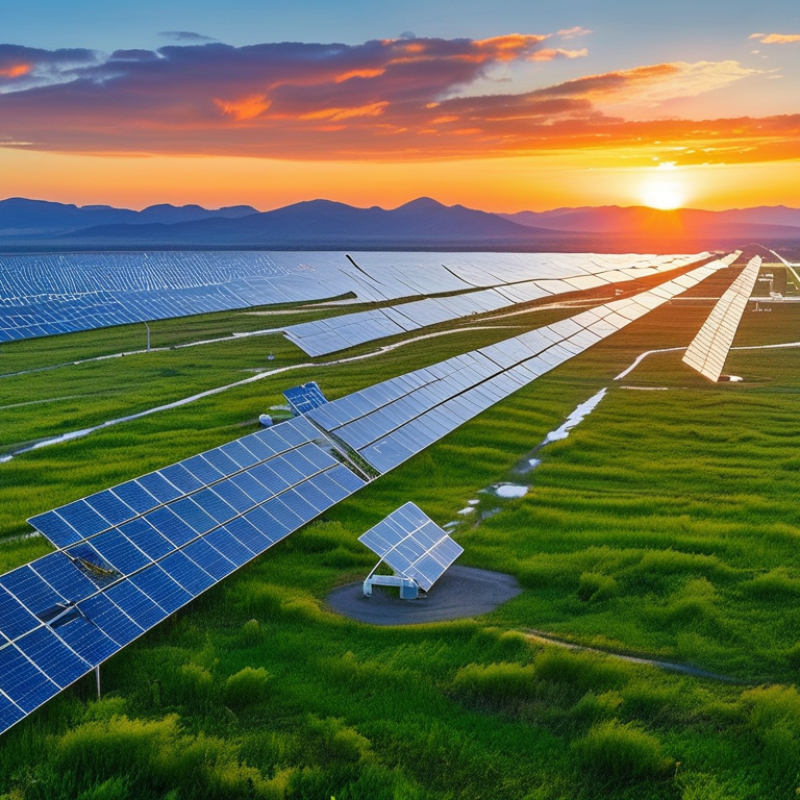
Single-axis solar tracking systems have gained attention for their ability to enhance energy production. These systems adjust the angle of solar panels throughout the day to follow the sun's movement. By maximizing exposure to sunlight, they can increase energy output by up to 25%. This advantage makes them a popular choice in solar energy projects.
There can be challenges in implementing these systems. They typically require a higher initial investment compared to fixed systems. Maintenance can also be more complex due to moving parts. However, the long-term benefits often outweigh these drawbacks. Greater efficiency in energy generation can lead to faster return on investment.
Moreover, using single-axis trackers contributes to sustainable energy practices. They help reduce reliance on fossil fuels and lower greenhouse gas emissions. In regions with high solar potential, these systems play a crucial role in optimizing energy resources. The transition to renewable energy sources is essential for combating climate change. Investing in innovative technologies like single-axis tracking systems supports this vital change.
Single axis solar tracking systems have gained attention for their ability to maximize energy capture. These systems follow the sun's path throughout the day. In contrast, fixed solar panels remain stationary, receiving sunlight from a fixed angle. This key difference affects overall efficiency significantly.
Research shows that single axis trackers can produce up to 25% more energy compared to fixed systems. They adjust to the sun’s movement, optimizing angles for light absorption. However, installation costs and maintenance are factors to consider. While the efficiency gains are appealing, initial investments may deter some users.
In certain regions, weather conditions can impact performance. For instance, cloudy skies reduce the advantages of tracking systems. It's essential to evaluate local climate and energy demands before making a decision. A deeper analysis can lead to better installations and usage of resources.
The initial investment in single axis solar tracking systems is often a concern for many stakeholders. According to a report by the National Renewable Energy Laboratory, solar trackers can increase energy output by 20% to 50%. However, the upfront costs can be higher than fixed installations. In some cases, the difference can be as much as 30%. This raises questions about the financial viability of these systems.
Long-term gains can justify the initial expense. Research shows that the return on investment for solar trackers typically falls between five to seven years. This is appealing for businesses aiming for sustainability. Additionally, the declining cost of solar technology improves this equation. As a disadvantage, maintenance costs may increase, especially in harsh environments. Weather can cause wear on moving parts, leading to potential downtime.
Investors should evaluate the full lifecycle of solar tracking systems. Energy savings over time can significantly offset the initial costs. However, unexpected repairs can occur. Not all sites will benefit equally. Site conditions and climate are crucial factors in maximizing efficiency. You may find that fixed systems work better in certain scenarios. Balancing these considerations is vital in the decision-making process.
Single-axis solar tracking systems have gained popularity due to their ability to maximize energy production. However, their performance is significantly influenced by geographical factors, such as latitude and climate. At lower latitudes, the sun's path is more consistent throughout the year. This means solar trackers can maintain optimal angles to capture sunlight efficiently. In these regions, the systems often yield a higher return on investment.
Conversely, higher latitudes present challenges. The sun's angle varies greatly with the seasons. This fluctuation can affect the effectiveness of single-axis trackers. For example, snowy conditions can limit functionality. It's also crucial to consider local weather patterns. Overcast climates may lead to reduced energy output. Therefore, understanding the interplay between latitude, climate, and tracker performance is vital for successful solar projects.
Evaluating site-specific conditions before installation is essential. A tracker may not always be beneficial in every location. In some cases, fixed panels might perform better. The need for regular maintenance in harsher climates should not be overlooked. Users must carefully weigh advantages against environmental factors to make informed decisions.
Single axis solar tracking systems have proven their value through various successful case studies. In one notable project, a solar farm in the southwestern United States increased energy output by over 25%. The technology allowed solar panels to follow the sun throughout the day, maximizing exposure. Data from this project showed a significant return on investment, reinforcing the feasibility of such systems in optimal conditions.
Another case study involved a medium-sized installation in Europe. Despite initial challenges with local regulations and installation costs, the long-term benefits were undeniable. The energy yield improved significantly, making the project financially viable within three years. However, not all implementations are perfect. Some sites faced issues with wind resistance and maintenance costs. These factors highlight the importance of site assessment before deployment.
Implementing single axis tracking systems requires careful planning and consideration. Factors such as geographic location and climate can greatly influence performance. While these systems offer substantial benefits, they also present challenges that must be addressed. Continuous learning from case studies can help optimize future installations.
| Project Location | Installed Capacity (MW) | Annual Energy Production (MWh) | Efficiency Increase (%) | CO2 Offset (tons/year) |
|---|---|---|---|---|
| California, USA | 10 | 18,500 | 25 | 8,000 |
| New Mexico, USA | 5 | 9,000 | 23 | 3,800 |
| Spain | 15 | 27,500 | 30 | 12,000 |
| Chile | 8 | 15,000 | 26 | 6,500 |
| Australia | 12 | 22,000 | 28 | 9,500 |
: It is a system that adjusts solar panels to follow the sun, maximizing sunlight exposure.
Single-axis trackers can produce up to 25% more energy than fixed systems.
They require higher initial investments and can have complex maintenance due to moving parts.
Cloudy skies may reduce the benefits of tracking systems, impacting overall energy production.
Factors like geographic location and climate can greatly influence the performance of the trackers.
Yes, they help reduce reliance on fossil fuels and lower greenhouse gas emissions.
Initial costs, maintenance complexities, and local climate are essential factors to evaluate.
Not necessarily; some face issues like wind resistance and maintenance costs that can affect performance.
One project in Europe became financially viable within three years despite initial challenges.
Yes, learning from past implementations helps optimize future installations for better performance.
The article explores the numerous benefits of Single Axis Solar Tracking Systems in enhancing energy production. These systems have been shown to significantly increase solar panel efficiency when compared to fixed installations, making them a compelling choice for maximizing solar energy output. By analyzing the initial investment versus long-term gains, it becomes clear that Single Axis Solar Tracking Systems can provide favorable returns over time, despite higher upfront costs.
Furthermore, the performance of these trackers can vary based on geographical latitude and climate conditions, which is critical for potential users to consider. Through various case studies, the article highlights successful implementations of Single Axis Solar Tracking Systems, demonstrating their effectiveness in different environments. Overall, the adoption of Single Axis Solar Tracking Systems represents a strategic investment for those looking to optimize their solar energy production.