2026 Top Flat Single Axis Solar Tracker Benefits and Features?

Time:2026-08-17 Author:Madeline
0%

As the global demand for renewable energy surges, the importance of efficient solar technologies has never been more pronounced. The Flat Single Axis Solar Tracker stands out as a pivotal innovation in this landscape. According to the Solar Energy Industries Association (SEIA), these devices can increase energy output by 25% to 35% compared to fixed systems. This efficiency makes them a popular choice for large-scale solar projects worldwide.

Dr. Emily Johnson, a leading expert on solar technologies, states, "Flat Single Axis Solar Trackers are transforming our approach to solar energy generation." This transformation is essential as we aim to achieve net-zero emissions globally. With growing advancements in technology and materials, the future of Flat Single Axis Solar Trackers looks promising. Yet, the cost of implementation remains a serious concern for many developers.

Investing in these systems has its challenges. The upfront capital is significant, and not every site is suitable for their installation. Developers must weigh these factors. In a rapidly evolving industry, the Flat Single Axis Solar Tracker represents both opportunity and uncertainty. A thorough understanding of their benefits and drawbacks is crucial for maximizing their potential.
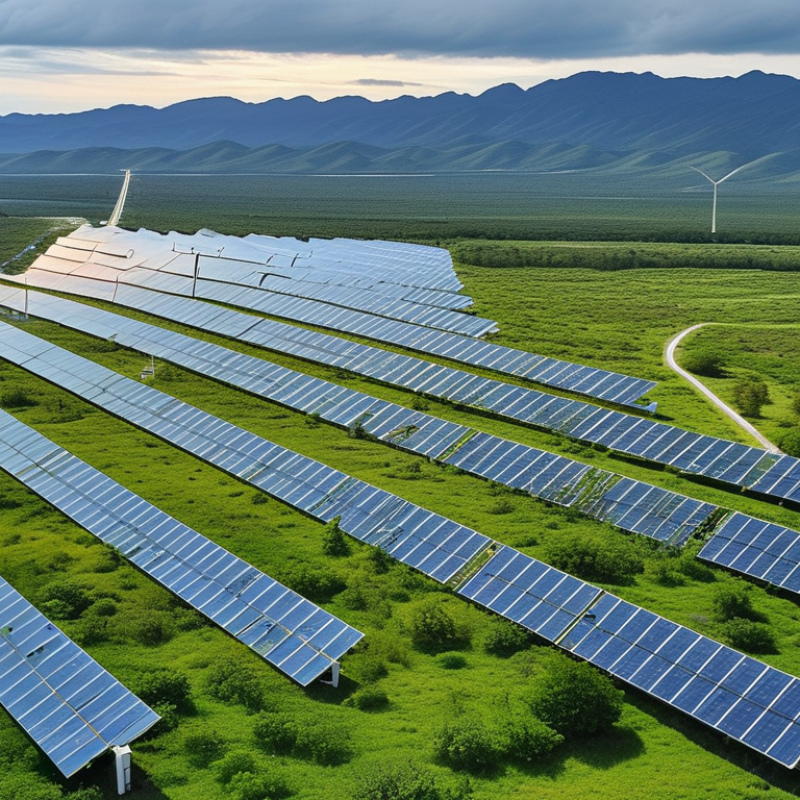
2026 Top Flat Single Axis Solar Tracker Benefits and Features?

Overview of Flat Single Axis Solar Trackers

Flat single-axis solar trackers are becoming increasingly popular. They adjust the position of solar panels to follow the sun's path. This maximizes energy capture throughout the day. With their simple design, they are an efficient choice for solar energy production.

These trackers operate horizontally. They tilt panels up or down but do not rotate in all directions. Such a design streamlines installation and reduces maintenance. However, they may underperform in extreme weather conditions. It’s essential to consider local climates when choosing this technology.

Flat single-axis systems increase energy output. They can improve efficiency by 25% or more compared to fixed systems. Yet, their effectiveness can vary by location and installation angle. Evaluating these factors is crucial for optimal performance. As the solar industry grows, understanding these details ensures better investment decisions.

Benefits of 2026 Top Flat Single Axis Solar Trackers

Key Benefits of Using Flat Single Axis Solar Trackers

Flat single-axis solar trackers are gaining traction for their efficiency in harnessing solar energy. These systems align panels with the sun's path, optimizing light absorption. A key advantage is increased energy output. By adjusting to the sun's movement, they can enhance production by up to 25%. This boost in efficiency makes them a cost-effective solution in renewable energy.

One of the main benefits is their adaptability. Flat single-axis trackers can be installed in various terrains. They can fit on rooftops or open fields seamlessly. This versatility allows projects to maximize space. Additionally, they’re less complex than dual-axis trackers, which need more maintenance. This means lower operational costs over time.

Tips: Regular maintenance checks will ensure optimal performance. Observing local weather patterns also aids in identifying the best positioning. Be aware of shading effects caused by nearby structures. These can drastically reduce energy capture. Making adjustments as necessary can lead to substantial energy gains.

Technical Features of Top Flat Single Axis Solar Trackers

The top flat single-axis solar trackers are making a significant impact in the renewable energy sector. These trackers are designed to maximize solar energy capture by following the sun’s path. Their unique flat design allows them to be integrated into various environments, making them versatile for different installations.

One key technical feature is the ability to adjust the tilt angle. This adaptability can increase energy efficiency. Many systems have a lightweight structure, which simplifies installation and reduces costs. Additionally, the technology often includes advanced sensors that optimize performance throughout the day. However, these systems require regular maintenance to ensure longevity, which can sometimes be overlooked.

The environmental conditions can also impact effectiveness. For example, strong winds might pose a challenge, requiring sturdy mounts. There's also the question of how to manage shading from nearby structures. These are important considerations for potential users. Understanding these aspects is vital for maximizing the benefits of flat single-axis trackers while minimizing potential drawbacks.

Comparative Analysis with Other Solar Tracker Systems

The 2026 top flat single-axis solar tracker offers numerous benefits and features. When compared to other solar tracker systems, its design stands out. The flat structure allows for easier installation and less land usage. Users find it simple to maintain, needing less frequent adjustments.

In terms of energy efficiency, flat single-axis trackers can optimize solar capture throughout the day. Other solar trackers may struggle with space and mechanical complexities. Some systems require more technical expertise for installation and operation. This complexity can lead to higher failure rates.

While flat single-axis trackers boast efficiency, they may not suit all geographic areas. In regions with varied terrain, adjustments could be challenging. Their performance may drop in heavily shaded environments or during extreme weather. It’s crucial for users to assess specific conditions before choosing the right system. The decision should reflect both reliability and practical effectiveness.

Applications and Industry Use Cases for Solar Trackers

Solar trackers, particularly flat single-axis models, are becoming essential in various industries. The demand for solar energy solutions continues to grow. Reports indicate that solar energy could supply up to 30% of the world's energy needs by 2030. This trend showcases the significance of efficiency in solar energy systems.

One notable application of solar trackers is in agricultural settings. Farmers are increasingly adopting these technologies to enhance crop yields. Studies have shown that solar trackers can increase energy production by 20-30% compared to fixed installations. This is vital as the global agricultural sector faces challenges related to energy costs. Using solar trackers can help farmers balance these expenses.

In industrial applications, solar trackers are invaluable. Companies often integrate them into their renewable energy strategies. This can lead to substantial cost savings and reduced carbon footprints. According to a report by the International Renewable Energy Agency (IRENA), businesses utilizing solar trackers can achieve a return on investment in just five years. However, some installations face challenges due to space constraints or capital costs. Such factors may lead some industries to reconsider their approach to solar technology adoption.

2026 Top Flat Single Axis Solar Tracker Benefits and Features

Feature Benefit Application Industry Use Case
Increased Solar Panel Efficiency Maximizes energy capture by aligning panels with the sun Utility-scale solar farms Renewable energy production
Lower Land Footprint Efficient space utilization compared to fixed systems Commercial solar installations Corporate sustainability initiatives
Automated Tracking Systems Reduces manual adjustments, saving labor costs Residential solar projects Home energy management
Robust Design Durability against various environmental conditions Off-grid solar solutions Remote area electrification
Scalability Easy to expand with additional modules as demand grows Large commercial projects Large-scale clean energy supply

FAQS

: What are flat single-axis solar trackers?

: They are systems that adjust solar panels to follow the sun's path, increasing energy capture.

How much energy can these trackers increase compared to fixed systems?

They can enhance energy output by 25% or more, depending on location and angle.

Can flat single-axis solar trackers operate in all weather conditions?

They may underperform in extreme weather, so local climate should be considered when selecting this technology.

Where can flat single-axis solar trackers be installed?

They can be easily installed on various terrains, such as rooftops or open fields.

How do these trackers lower operational costs?

They are simpler than dual-axis trackers, requiring less maintenance over time.

What benefits do farmers get from using solar trackers?

Solar trackers can increase energy production by 20-30%, helping with rising energy costs.

How do businesses benefit from solar trackers?

They can achieve cost savings and reduced carbon footprints, with a promising ROI in about five years.

Are there any challenges to adopting solar trackers?

Space constraints and capital costs may lead some industries to reconsider their investment in solar technology.

What maintenance is needed for optimal performance?

Regular checks and observing local weather patterns can significantly improve energy capture.

What can significantly reduce energy capture from solar trackers?

Shading effects from nearby structures can drastically diminish solar energy output.

Conclusion

Flat Single Axis Solar Trackers represent an innovative solar technology designed to maximize energy capture by orienting solar panels toward the sun throughout the day. This type of tracker offers key benefits, including improved energy yields, reduced land usage, and lower installation costs compared to traditional fixed systems. The technical features of top flat single axis solar trackers, such as their lightweight design and advanced control systems, enhance both performance and reliability.

In addition to these advantages, a comparative analysis with other solar tracker systems reveals a growing preference for flat single axis trackers due to their efficiency and adaptability in various industry applications. These trackers are ideal for utility-scale solar farms and can be integrated into existing infrastructure, making them a versatile option for renewable energy deployment. Overall, the adoption of flat single axis solar trackers is a significant step forward in optimizing solar energy production and contributing to sustainable energy solutions.


Madeline

Madeline

Madeline is a dedicated marketing professional with a wealth of expertise in our company's core offerings. With a keen understanding of the industry, she brings a unique perspective to her role, consistently delivering high-quality content that highlights the superior aspects of our products. As......