2026 Best Two Axis Solar Tracking System for Maximum Efficiency?

Time:2026-07-23 Author:Sienna
0%

As the demand for renewable energy continues to grow, optimizing solar energy production is essential. The Two Axis Solar Tracking System has emerged as a frontrunner in enhancing solar efficiency. According to a report from the Global Energy Association, systems like these can increase energy capture by up to 40% compared to fixed installations. This significant gain highlights the importance of adopting advanced technology in solar farming.

Dr. Alan Green, a leading expert in solar technology, noted, “The future of solar energy lies in tracking systems. They maximize output and drive down costs.” Experts like Dr. Green emphasize the role of innovative solutions. However, it's crucial to consider installation costs and site selection carefully. Not every location will yield optimal results with a Two Axis Solar Tracking System.

Despite the advantages, there are challenges. Maintenance, for instance, can be more demanding than for stationary systems. Additionally, tracking systems can face technical difficulties, impacting reliability. Understanding these nuances is vital for successful implementation. Therefore, weighing risks and rewards is essential for solar energy stakeholders.
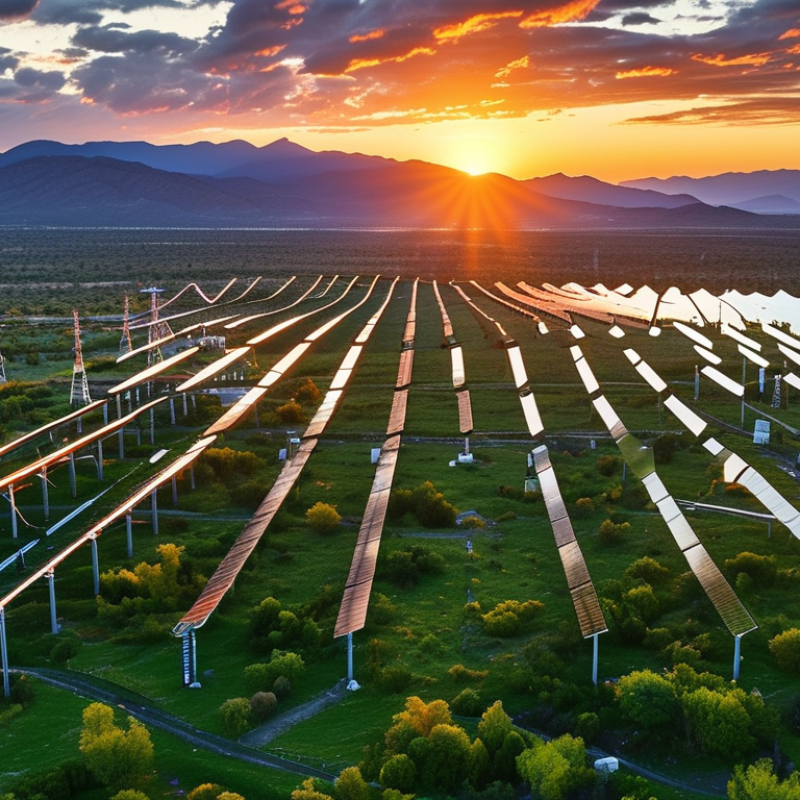
2026 Best Two Axis Solar Tracking System for Maximum Efficiency?

Overview of Two Axis Solar Tracking Systems

Two-axis solar tracking systems are revolutionizing solar energy efficiency. These systems can tilt and rotate, maximizing sunlight exposure throughout the day. Unlike fixed panels, they adjust their position according to the sun's trajectory. This simple yet effective mechanism can significantly increase energy production by up to 40%.

Understanding the components is crucial. A typical two-axis system includes sensors, motors, and a control unit. The sensors track sunlight, ensuring the panels are always oriented correctly. The motors adjust the angle of the panels in real time. However, maintenance is essential. Dust and debris can hinder performance.

**Tips:** Regularly clean your solar panels to ensure maximum energy capture. Consider installing a monitoring system to track performance. This can help identify issues early on. Manufacturing materials also matter. Durable components can withstand various weather conditions, prolonging the system's lifespan. Investing in quality parts might seem costly but pays off through increased efficiency over time.

Key Components of a Two Axis Solar Tracker

A two-axis solar tracking system maximizes energy capture by adjusting to the sun's position. This system is designed with key components that enhance performance and efficiency.

One of the essential components is the tracking mechanism. It usually involves motors and gears that adjust the solar panel's angle in both horizontal and vertical directions. The control system is another critical part. It receives data from solar position algorithms, guiding the movement of the panels. Reliable sensors ensure the tracker aligns correctly with the sun, optimizing sunlight absorption.

Tips for choosing a system: focus on quality components. Look for robust motors that can withstand changing weather conditions. Ensure the control system is user-friendly and compatible with your solar panels. Consideration of the installation site is vital. Shading from trees or buildings can hinder efficiency.
Maintenance is necessary, too. Regular checks on the sensors and moving parts can prevent failure. Environmental factors may cause wear and tear, impacting performance over time. Balancing cost and quality is crucial. A cheap system might save money now, but could lead to future headaches. Investing in a reliable system pays off in the long run.

Benefits of Implementing a Two Axis Tracking System

Implementing a two-axis solar tracking system can significantly enhance energy efficiency. This technology allows solar panels to move vertically and horizontally, directly following the sun's path. By capturing sunlight from multiple angles, these systems improve energy output by up to 40%. This advantage results in higher electricity generation, which translates to cost savings over time.

Incorporating a two-axis tracking system may come with challenges. The initial installation cost can be higher than fixed systems. Additionally, maintenance might be more complex due to the moving parts. Weather conditions can also affect the system's reliability. However, many users find that the long-term benefits outweigh these potential drawbacks.

The benefits encompass more than just energy efficiency. Using a two-axis tracker can reduce land usage for solar farms. A compact, efficient layout allows for more power generation on limited space. It fosters a sustainable energy solution that meets growing demands. This shift toward smarter technology in solar energy reflects a broader trend in renewable resources, pushing towards increased efficiency and reliability.

2026 Two Axis Solar Tracking System Efficiency Comparison

Comparison of Fixed vs. Tracking Solar Installations

When comparing fixed and tracking solar installations, the efficiency gains from solar tracking systems become evident. Research shows that two-axis solar trackers can increase energy production by 20% to 50% compared to fixed systems. This is primarily due to their ability to continually adjust to the sun's position. Traditional fixed installations often generate energy based on the optimal angle at only one time of day, missing the chance for additional sunlight collection.

However, the initial investment for tracking systems is higher. They require more complex designs and higher maintenance costs. According to industry data, tracker systems may have a payback period extending from 5 to 10 years, depending on local solar radiation levels. In areas with modest sunshine, the advantages of tracking systems might not justify the costs.

Further complicating the decision is land usage. Tracking systems often require more space than fixed installations, which can be a drawback in densely populated regions. Balancing efficiency with land availability and investment return remains a challenge for many developers. Installing solar technology should involve careful consideration of these variables to determine the best setup for maximum efficiency.

Future Trends in Solar Tracking Technology and Efficiency

The advancement of solar tracking technology is pivotal for maximizing energy efficiency in solar power systems. Two-axis solar trackers offer improved performance by following the sun's trajectory throughout the day. According to a report by the National Renewable Energy Laboratory (NREL), such systems can increase energy production by up to 40% compared to fixed solar panels. This change is crucial as global energy demand rises.

Innovations in materials and sensors are shaping the future of solar tracking. Lightweight materials reduce costs and enhance mobility, making installation more accessible. Additionally, smart sensors allow for real-time adjustments, optimizing efficiency even on cloudy days. A recent study from the International Energy Agency (IEA) highlighted that global investments in solar tracking technology could exceed $10 billion by 2026. Despite these advancements, challenges remain in System maintenance and calibration, which can impact long-term performance.

As we look ahead, ongoing research is essential. Not every solar farm can adopt two-axis tracking systems due to geographic limitations or financial constraints. Additionally, the environmental impact of increased land use must be considered. These reflections emphasize the need for a balanced approach that integrates technology with sustainability, pushing the solar industry toward greater efficiency.

2026 Best Two Axis Solar Tracking System for Maximum Efficiency

Feature Value Efficiency (%) Cost ($) Installation Time (Hours)
Tracking Method Active Dual Axis 40 5,000 8
Solar Panel Type Monocrystalline 45 6,500 10
Weight (Kg) 120 42 4,000 6
Control System GPS Based 50 7,500 12
Warranty (Years) 25 38 8,000 14

FAQS

: What is a two-axis solar tracking system?

: It's a system that tilts and rotates solar panels to maximize sunlight exposure.

How much energy can a two-axis solar tracker increase production?

It can boost energy production by up to 40% compared to fixed solar panels.

What are the key components of a two-axis solar tracker?

They include sensors, motors, and a control unit that work together for optimal performance.

Why is maintenance important for solar tracking systems?

Dust and debris can affect performance, so regular cleaning and checks are necessary.

How do sensors contribute to solar tracking efficiency?

Sensors track sunlight, ensuring the panels are always properly aligned with the sun.

What should I consider when selecting a solar tracking system?

Focus on quality components, robust motors, and compatibility with your solar panels.

Can environmental factors affect solar tracker performance?

Yes, wear and tear from environmental conditions can impact efficiency over time.

What future trends are emerging in solar tracking technology?

Innovations in materials and smart sensors are speeding up efficiency improvements.

Are there limitations to adopting two-axis solar tracking systems?

Geographic restrictions and financial constraints may affect their implementation in some areas.

Why is a balanced approach necessary in solar tracking development?

We must integrate technology with sustainability to address environmental impacts and enhance efficiency.

Conclusion

The "Two Axis Solar Tracking System" is an advanced technology designed to enhance solar energy capture by allowing solar panels to follow the sun's movement throughout the day. This system comprises key components such as motors, sensors, and control systems that work together to optimize the angle of the panels, ensuring maximum exposure to sunlight. Implementing a two-axis tracking system can lead to significant improvements in energy efficiency compared to traditional fixed installations, thereby maximizing power generation and providing a higher return on investment.

As solar technology continues to evolve, future trends point towards enhanced automation and integration with smart grid technologies, further improving the efficiency of two-axis solar tracking systems. By comparing fixed versus tracking solar installations, it becomes evident that the latter offers numerous advantages, including increased energy output and better adaptability to varying environmental conditions. The ongoing development in this field promises to establish even more effective solutions for harnessing solar energy.


Sienna

Sienna

Sienna is a skilled marketing professional with a deep expertise in our company’s core products and services. With a passion for innovation and detail, she plays a pivotal role in crafting insightful blog posts that not only highlight the unique features of our offerings but also provide valuable......